How Much Does It Cost to Open a Coffee Shop in 2026?
Opening a coffee shop in 2026 requires careful cost planning across rent, equipment, labor, technology, menu strategy, marketing, and sustainability.
operations
May 15, 2026
Opening a coffee shop in 2026 requires careful cost planning across rent, equipment, labor, technology, menu strategy, marketing, and sustainability.
May 15, 2026

This AI playbook covers restaurant tools for voice ordering, staffing, compliance, menu pricing, inventory, marketing, ChatGPT prompts, and SEO.
May 15, 2026

Hardee’s giant Boddie-Noell inks 31-unit Scooter’s Coffee deal for NC and VA, leveraging drive-thru growth and local roots with rollout over 12–18 months.
May 15, 2026

Wingstop turns match weeks into a multi-sensory festival, aligning bold pop-ups with World Cup energy to build brand affinity and measurable momentum.
May 15, 2026

The parent company behind Dunkin', Buffalo Wild Wings, and Arby's has filed for an IPO a move that could reshape how Wall Street views the restaurant sector.
May 15, 2026

Learn how to develop a memorable restaurant brand identity that stands out in a crowded market, attracts loyal customers, and drives repeat business with actionable strategies and affordable tools.
May 15, 2026

Dirty soda chain Swig is expanding into Colorado through a 10-unit franchise deal, riding a consumer beverage trend that's catching the attention of major QSR players nationwide.
May 15, 2026

Papa Johns has teamed up with Alphabet's Wing for drone delivery of its new sandwich lineup in parts of Charlotte marking the first partnership of its kind between Wing and a national QSR brand.
May 15, 2026

A warm, expert-led look at McDonald’s Q1 results, menu makeover, and the refranchise question shaping its growth.
May 14, 2026

A reflective look at Habit Ranch, its immersive desert activation, and what it signals for brand loyalty and mindful, experiential dining.
May 14, 2026

Unlock Exclusive Access To Webinars, Events, And The Latest News For Free!
Explore how Pizza Hut's recent buyout and franchise dynamics are reshaping the restaurant industry landscape. Understand the implications of bankruptcy on franchise operations and market share.
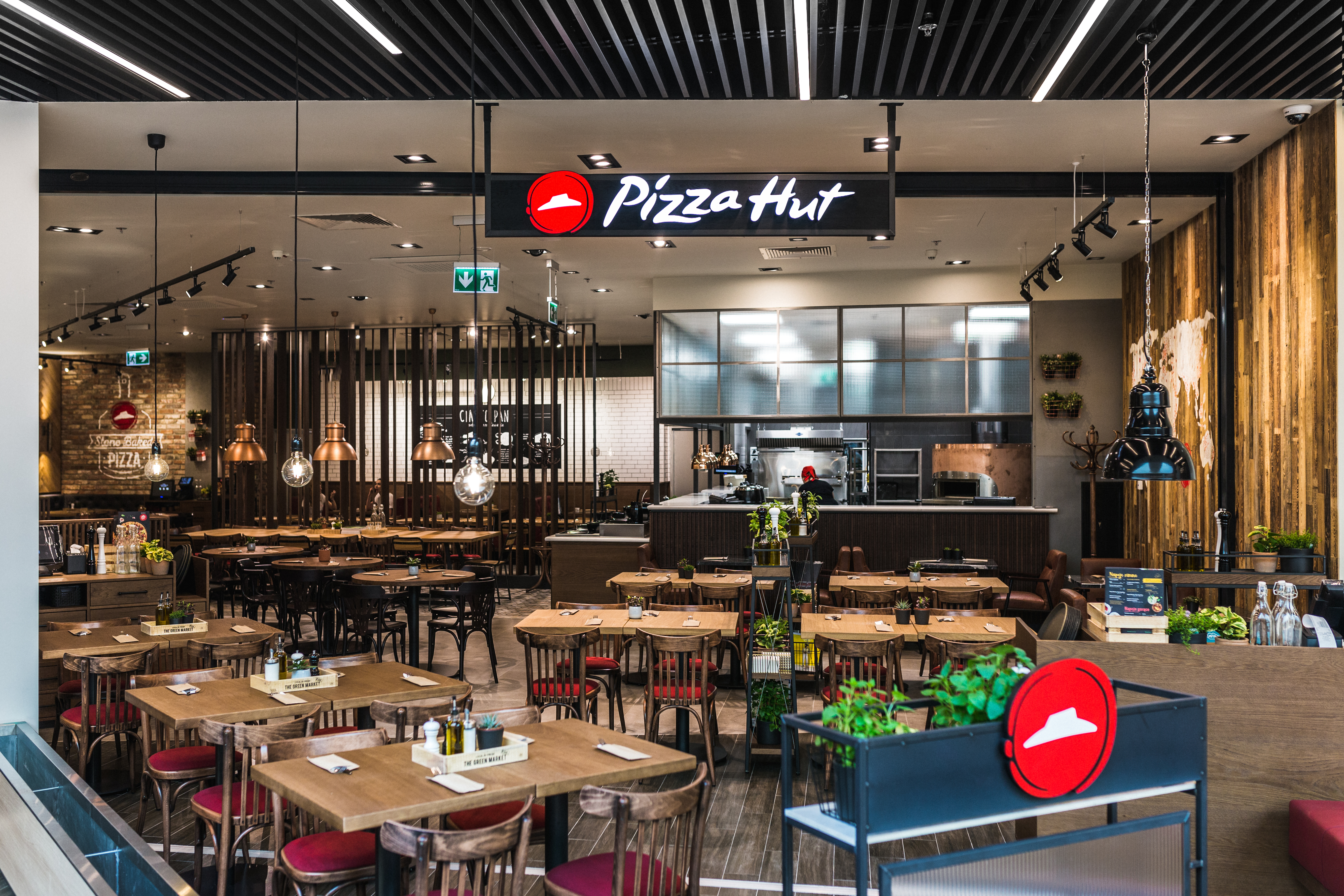
In a significant move that has reshaped Pizza Hut's operational landscape, the recent buyout has more than doubled the company-operated store count. With a chain predominantly relying on franchise operations, the addition of these new stores marks a strategic shift towards a more company-owned model. As of the latest financial disclosures, Pizza Hut had only seven company-operated units, highlighting the magnitude of this acquisition.
The bankruptcy filing by EYM, a major operator of Pizza Hut franchises, has sent ripples through the industry. With EYM's decision to sell 127 of its Pizza Hut restaurants through Chapter 11 proceedings, many locations have likely faced closure during this tumultuous period. Reports from local media sources have indicated a significant number of EYM-operated Pizza Huts shutting down, showcasing the real-world impact of such financial challenges on franchise operations.
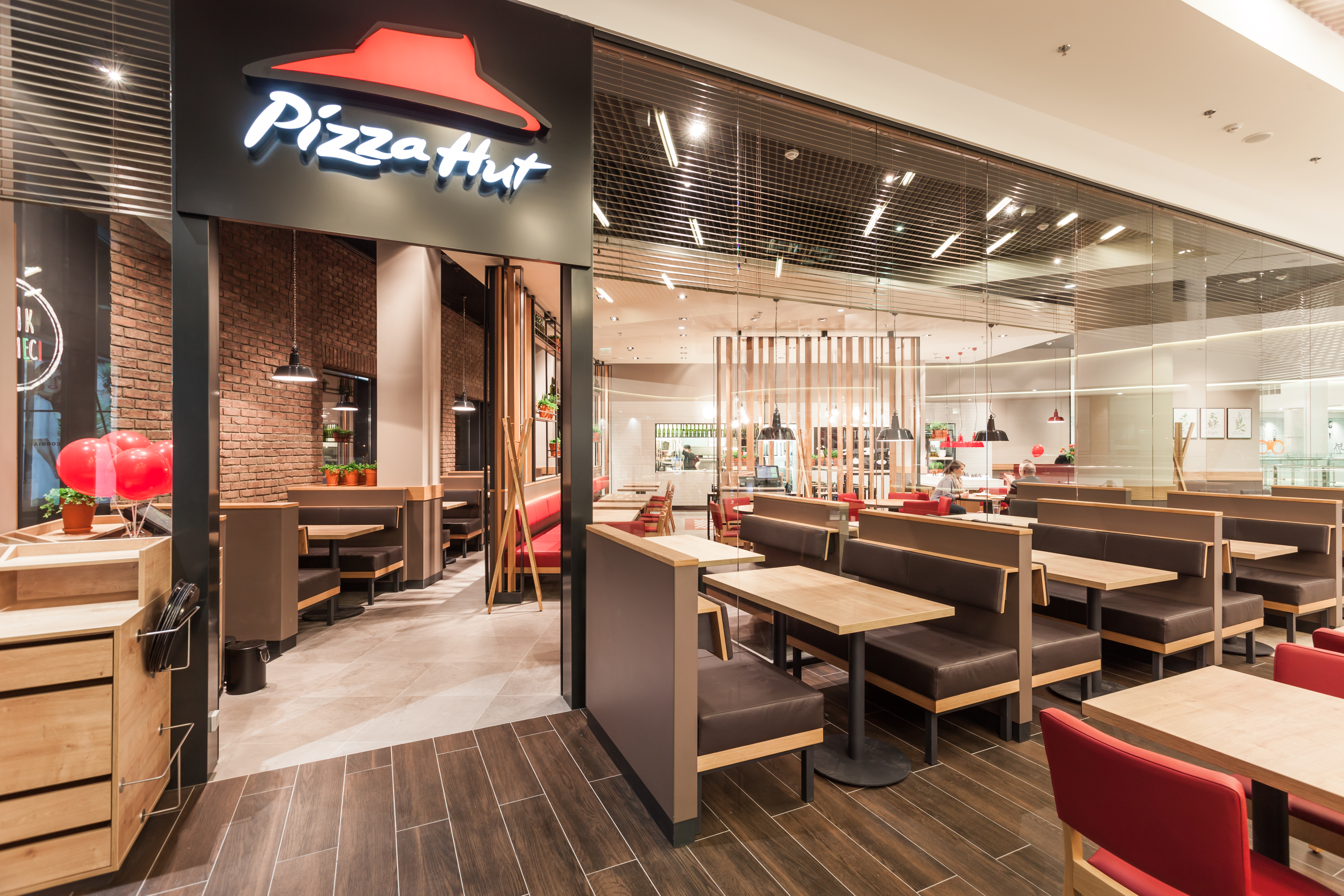
Analyzing the broader market repercussions of these events reveals noteworthy insights. With about one-third of Pizza Hut's extensive store network located in the U.S., the closure of almost a full percentage point of these stores post-EYM's bankruptcy reflects a substantial shift in the company's domestic presence. This restructuring has not only affected Pizza Hut's footprint but also changed the competitive dynamics within the fast-food restaurant sector.
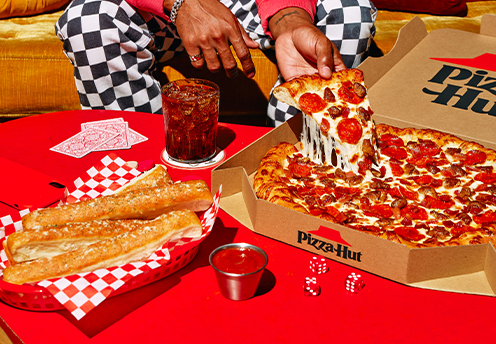
The practice of franchisors acquiring units from bankrupt operators is a common occurrence in the restaurant industry, as demonstrated by Burger King's strategic moves. Acquiring a significant number of restaurants during asset auctions or bankruptcies allows franchisors to expand their portfolio, solidify market share, and often reinvigorate underperforming locations. Such acquisitions present opportunities for growth while mitigating the risks associated with new store development.