How Much Does It Cost to Open a Coffee Shop in 2026?
Opening a coffee shop in 2026 requires careful cost planning across rent, equipment, labor, technology, menu strategy, marketing, and sustainability.
operations
May 15, 2026
Opening a coffee shop in 2026 requires careful cost planning across rent, equipment, labor, technology, menu strategy, marketing, and sustainability.
May 15, 2026
This AI playbook covers restaurant tools for voice ordering, staffing, compliance, menu pricing, inventory, marketing, ChatGPT prompts, and SEO.
May 15, 2026
Hardee’s giant Boddie-Noell inks 31-unit Scooter’s Coffee deal for NC and VA, leveraging drive-thru growth and local roots with rollout over 12–18 months.
May 15, 2026
Wingstop turns match weeks into a multi-sensory festival, aligning bold pop-ups with World Cup energy to build brand affinity and measurable momentum.
May 15, 2026
The parent company behind Dunkin', Buffalo Wild Wings, and Arby's has filed for an IPO a move that could reshape how Wall Street views the restaurant sector.
May 15, 2026

Learn how to develop a memorable restaurant brand identity that stands out in a crowded market, attracts loyal customers, and drives repeat business with actionable strategies and affordable tools.
May 15, 2026
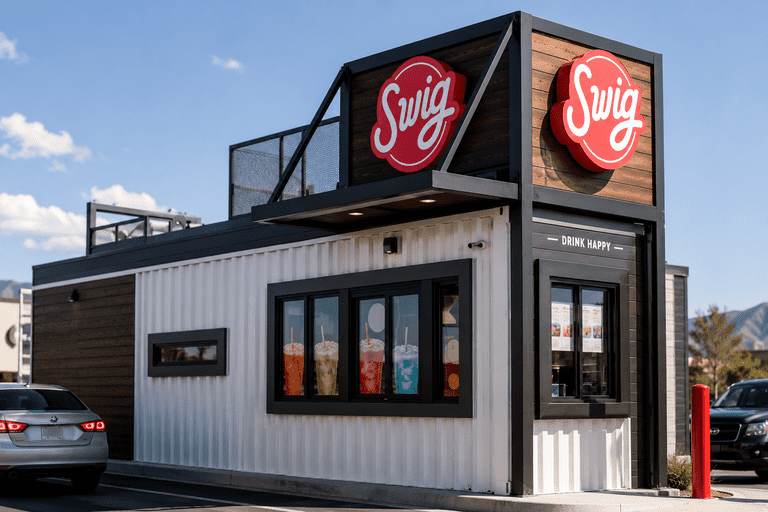
Dirty soda chain Swig is expanding into Colorado through a 10-unit franchise deal, riding a consumer beverage trend that's catching the attention of major QSR players nationwide.
May 15, 2026
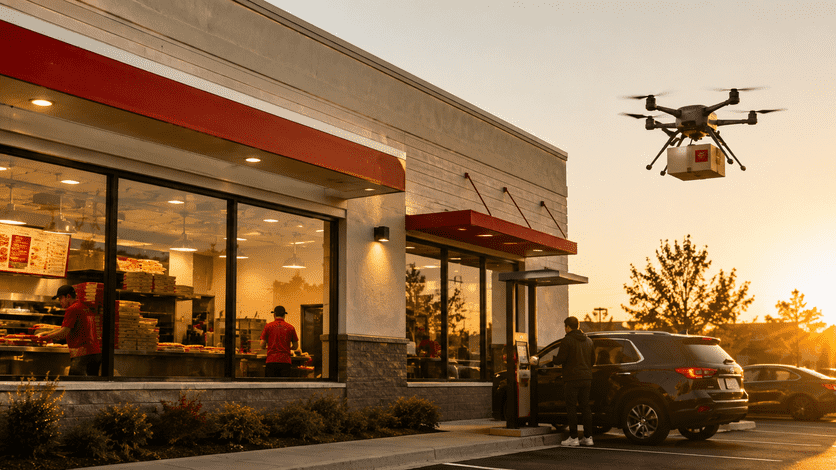
Papa Johns has teamed up with Alphabet's Wing for drone delivery of its new sandwich lineup in parts of Charlotte marking the first partnership of its kind between Wing and a national QSR brand.
May 15, 2026
A warm, expert-led look at McDonald’s Q1 results, menu makeover, and the refranchise question shaping its growth.
May 14, 2026
A reflective look at Habit Ranch, its immersive desert activation, and what it signals for brand loyalty and mindful, experiential dining.
May 14, 2026

Unlock Exclusive Access To Webinars, Events, And The Latest News For Free!
Brooklyn favorite Pies ’n’ Thighs opens a 1,600-square-foot Park Slope outpost, blending Williamsburg heritage with family-friendly design and delivery-ready hospitality.
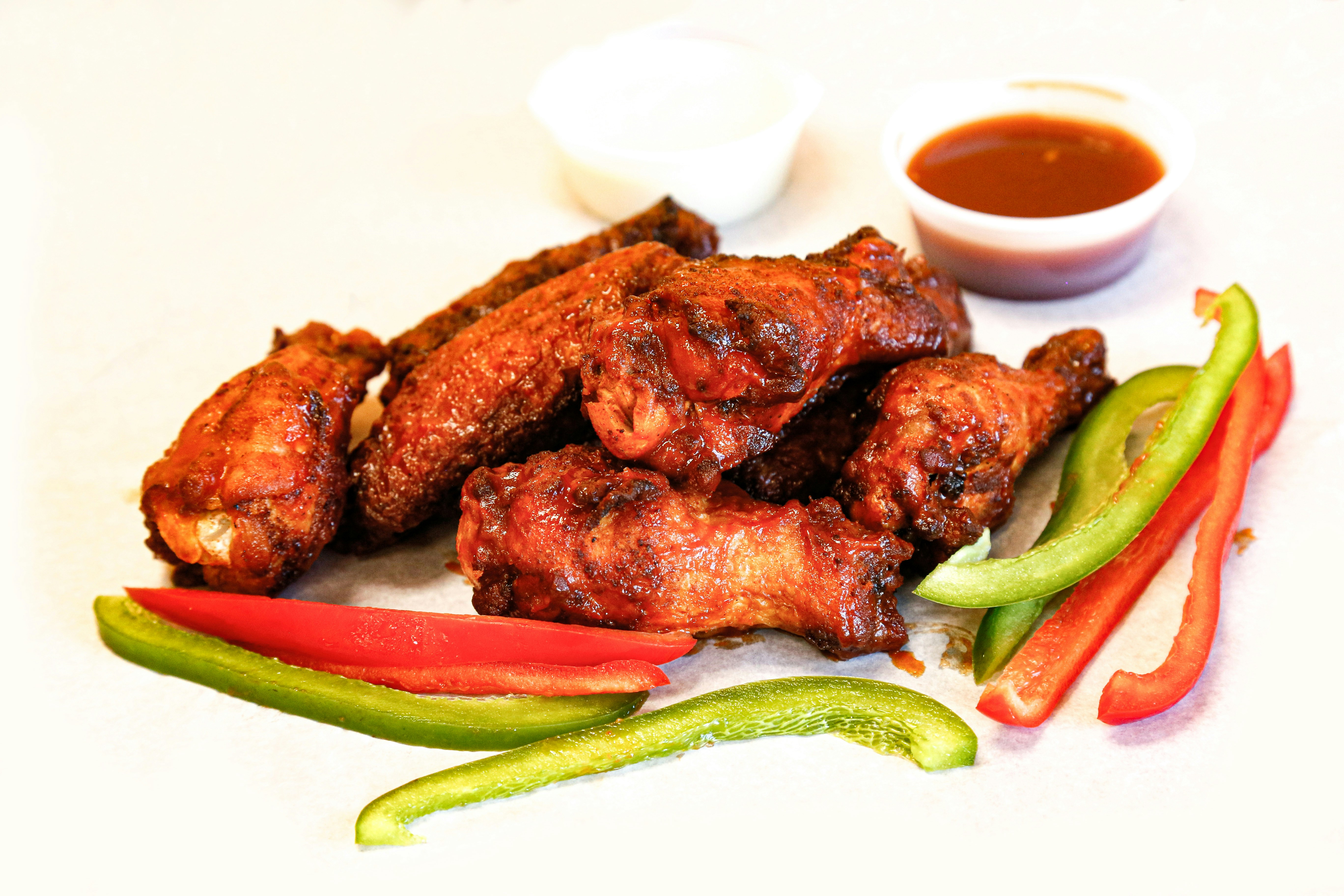
Photo by Syed F Hashemi
Park Slope is a different rhythm from Williamsburg, but Pies ’n’ Thighs meets it with the same warmth and a louder welcome. The new outpost marks a milestone—two decades since the fried chicken landmark first landed in Brooklyn—and signals a mindful growth path rather than a spree. The space at 244 Flatbush Avenue is 1,600-square-foot, tucked into an 1880s landmarked building, and the team keeps a neighborhood-friendly vibe that feels as homey as a Sunday supper. This is more than a storefront move; it’s a statement of staying power, a promise to the community. But what makes this outpost work goes beyond the curb appeal:
Designed by Marc McQuade of Architecture Background Office, the Park Slope space preserves the building’s original character—exposed brick and a gentle warmth—while opening the dining room to move more guests through without losing intimacy. A visible kitchen, wraparound banquettes, green cushioned booths, and a mix of white enamel-top and checkerboard tables create a welcoming rhythm. One-of-a-kind ceramic pieces, including pie-inspired lighting crafted by Sanneh’s parents, add a personal, handcrafted touch. It’s design that respects memory while inviting today’s families to linger and feel at home.
Sarah Sanneh, the founder and still at the helm, built Pies ’n’ Thighs in Williamsburg and has steered its Brooklyn story with a steady hand. Her path runs through the Biltmore Room and Milk Bar in Manhattan, then pastry duties at Diner and Marlow & Sons in Williamsburg, shaping a reputation for hospitality as much as flavor. Twenty years after the Williamsburg debut, the brand doubles its footprint with a Park Slope outpost that respects the past while inviting a broader crowd. It’s a move that keeps the core promise intact: quality, consistency, and community connection in every plate and every hello:
“We’ve spent 20 years proving that people never get tired of really good fried chicken and hand-rolled biscuits.” She adds, “It’s American comfort food, and the demand just keeps growing.” Such statements anchor the Park Slope expansion in a simple, durable truth: a beloved concept can travel if it stays faithful to the dining room’s warmth and the kitchen’s craft. The message isn’t about chasing trends; it’s about sustaining a steady, accessible experience that families crave across neighborhoods.
Open, flexible, and delivery-ready, the Park Slope room is designed for busy Brooklyn life. The layout is a touch more expansive than Williamsburg, letting the team seat more guests without losing the sense of a welcoming, neighborhood joint. The project also nods to the rhythms of modern families—the sort that dines in with kids, orders for pickup, and relies on a quick, friendly takeout window. In short, it’s hospitality with real hours and real reach, calibrated to Park Slope’s rhythm while staying true to the brand’s hometown roots:
With about 1,600 square feet of space, the store keeps a visible kitchen, an open line of sight to the action, and a palette that blends practical comfort with a touch of whimsy. The design purposefully supports a family-friendly atmosphere, while also ensuring the dining room can breathe during peak hours. The result is an open layout that preserves warmth and helps the crew deliver consistent hospitality from first bite to last crumb.
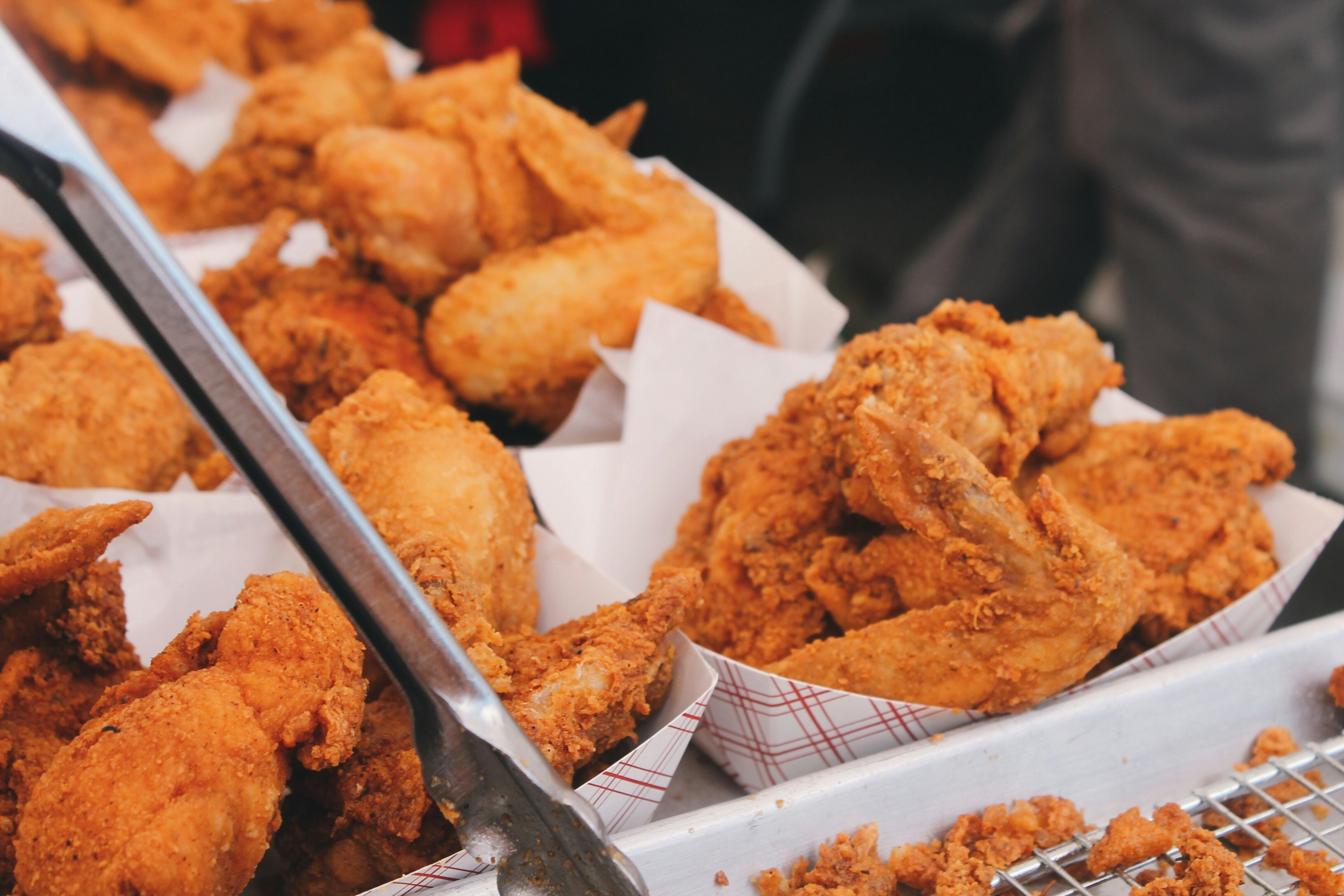
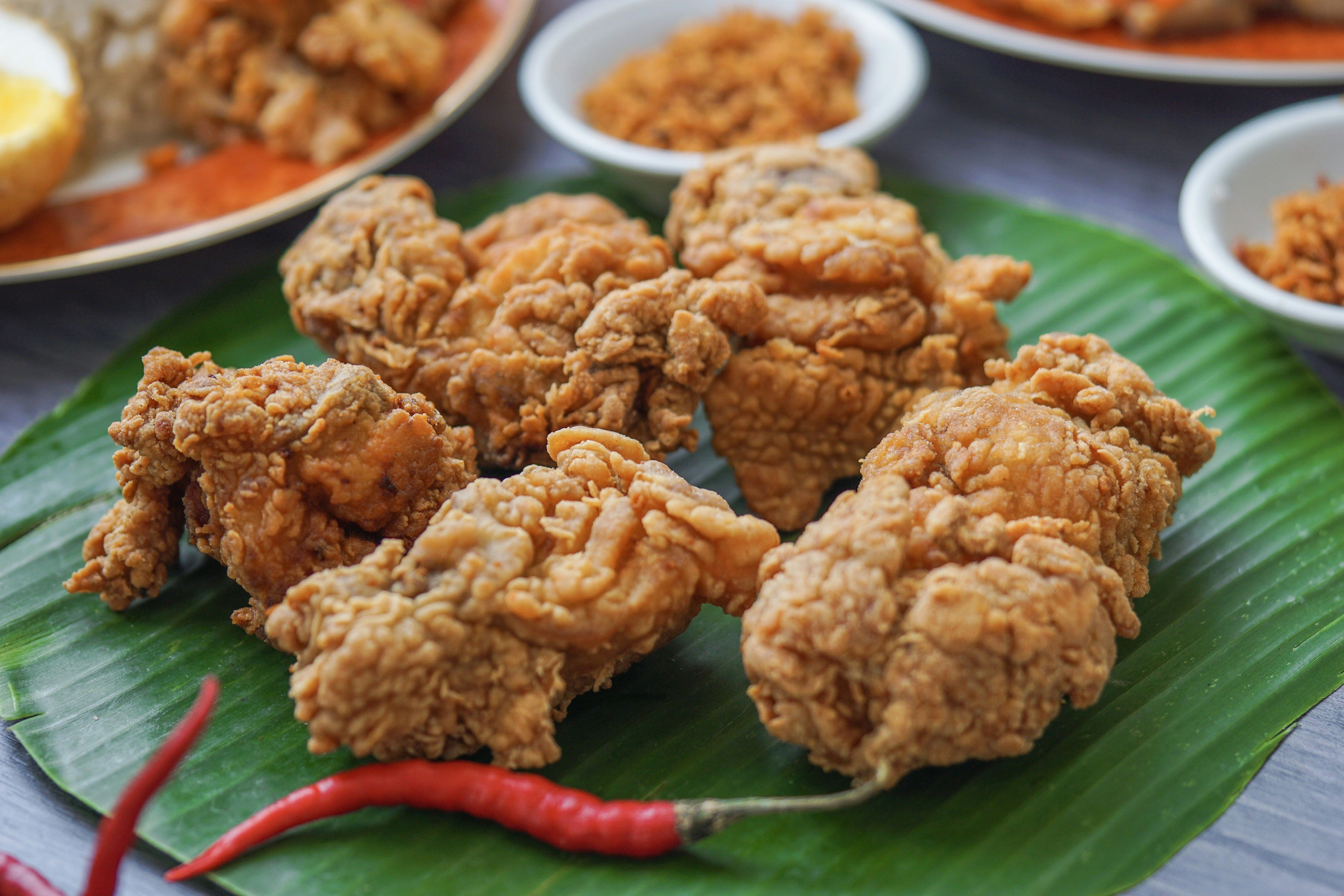
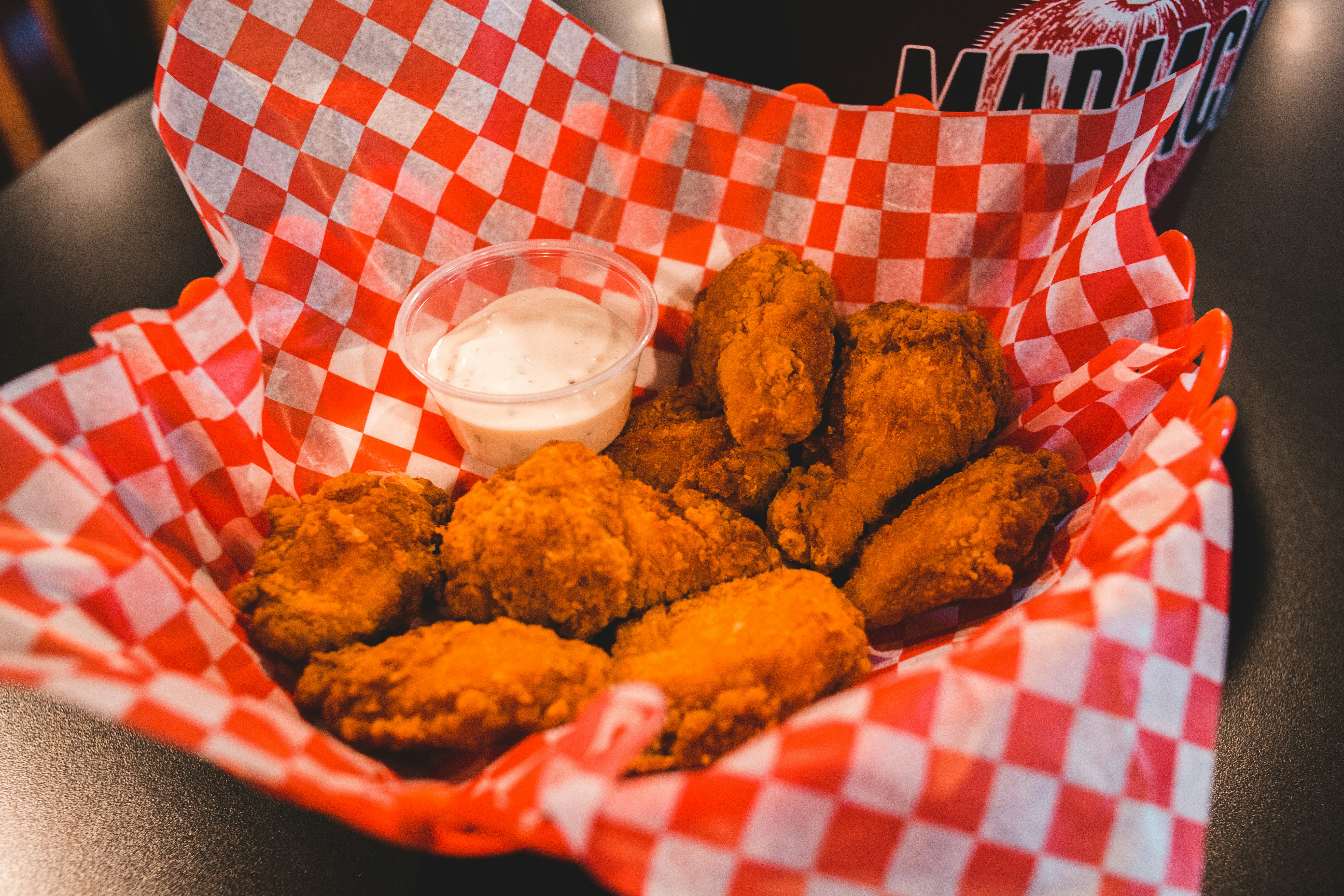
Park Slope’s menu mirrors the Williamsburg flagship, preserving hallmark dishes while tailoring to a local, family-driven day. The fried chicken box—three pieces of chicken with a buttermilk biscuit and a choice of sides like mac & cheese, smoked pork collards, or coleslaw—remains a centerpiece. The lineup also includes chicken and waffles, a chicken sandwich, and a California-inspired green goddess roast chicken. Catfish options appear as a box or a sandwich, and classic breakfast staples—eggs, pancakes, and bacon—round out the menu. Desserts keep the heritage alive with pies and house-made fresh doughnuts to close the meal.
The Park Slope concept preserves core offerings while inviting a broader, multi-generational audience to the table. It’s not a reimagining; it’s a careful extension that leans into delivery as a core service and keeps a place for diners who want a warm, slower-paced Park Slope supper as well as a quick lunch or post-school snack. Comfort-forward cooking, consistent portions, and the familiar rhythm of family dining make the menu feel both dependable and exciting enough to explore again:
Industry coverage frames this Park Slope debut as part of Brooklyn’s expanding Southern-inspired dining moment. Media outlets describe a two-decade concept that earns a dedicated following, with reviewers noting how a long-running favorite can travel without losing its sense of home. The opening is seen as a sign of mindful growth rather than a spree, a signal that the brand is choosing neighborhood fit over rapid scale. In this context, Park Slope is both test and testament: it asks whether the formula for Williamsburg transfers cleanly to a new block and a new family dynamic:
Pies ’n’ Thighs aims to be a neighborhood partner, not a quick win. By preserving fried chicken, biscuits, and pies while adapting to a delivery-friendly, family-focused Park Slope, the brand shows how a beloved concept can grow with intention. The test is simple: can the balance of quality, hospitality, and value hold steady as the brand reaches deeper into Brooklyn’s diverse and busy dining landscape? The blueprint looks solid, with consistency, accessibility, and a true sense of home guiding the way.