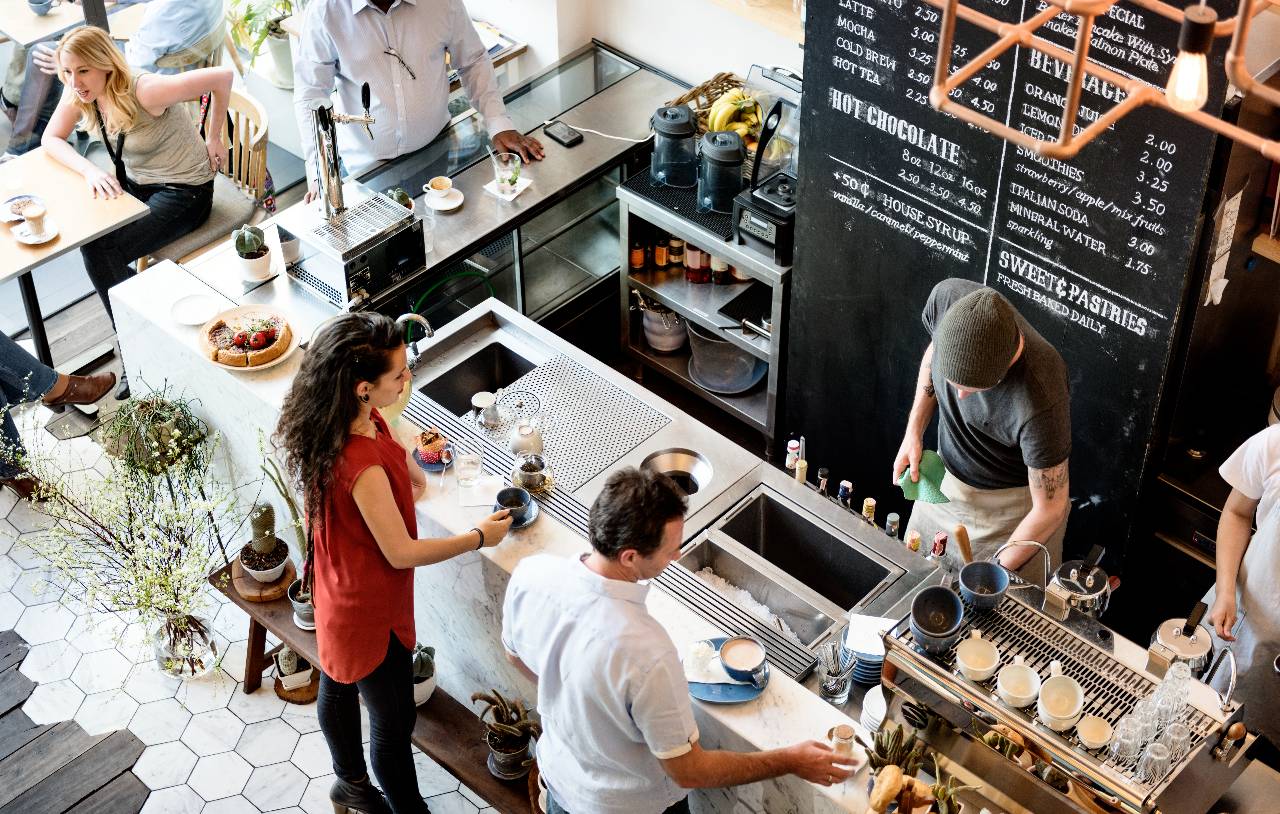
How Much Does It Cost to Open a Coffee Shop in 2026?
Opening a coffee shop in 2026 requires careful cost planning across rent, equipment, labor, technology, menu strategy, marketing, and sustainability.
operations
May 15, 2026
Opening a coffee shop in 2026 requires careful cost planning across rent, equipment, labor, technology, menu strategy, marketing, and sustainability.
May 15, 2026
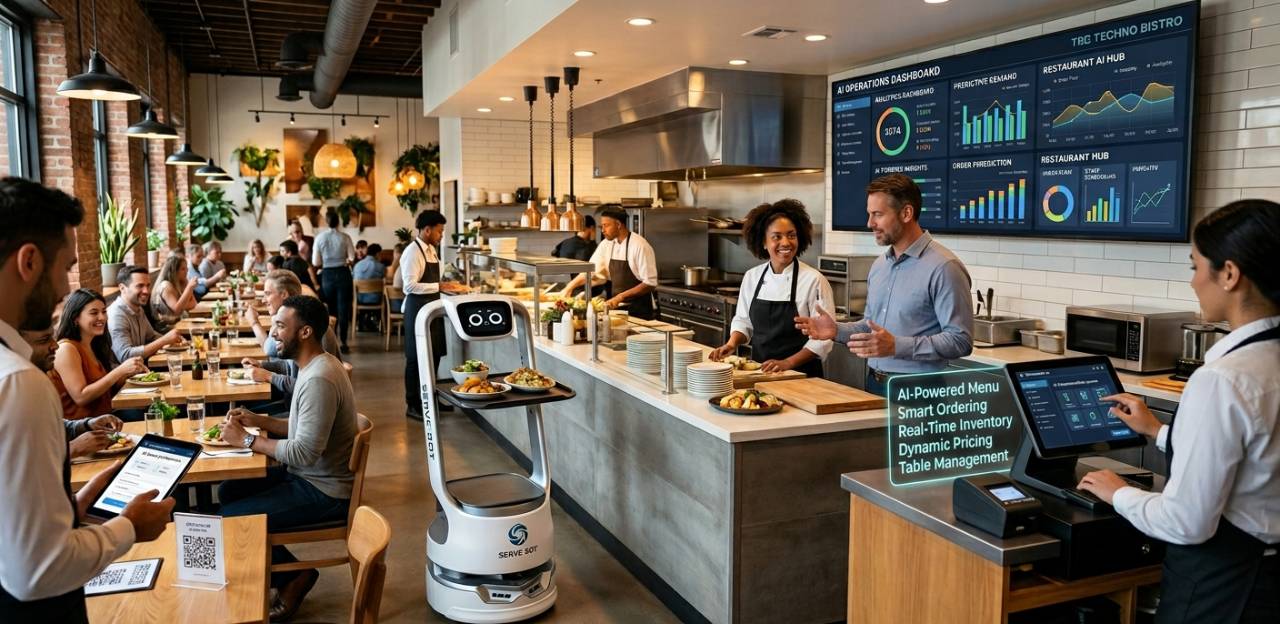
This AI playbook covers restaurant tools for voice ordering, staffing, compliance, menu pricing, inventory, marketing, ChatGPT prompts, and SEO.
May 15, 2026

Hardee’s giant Boddie-Noell inks 31-unit Scooter’s Coffee deal for NC and VA, leveraging drive-thru growth and local roots with rollout over 12–18 months.
May 15, 2026
Wingstop turns match weeks into a multi-sensory festival, aligning bold pop-ups with World Cup energy to build brand affinity and measurable momentum.
May 15, 2026
The parent company behind Dunkin', Buffalo Wild Wings, and Arby's has filed for an IPO a move that could reshape how Wall Street views the restaurant sector.
May 15, 2026

Learn how to develop a memorable restaurant brand identity that stands out in a crowded market, attracts loyal customers, and drives repeat business with actionable strategies and affordable tools.
May 15, 2026
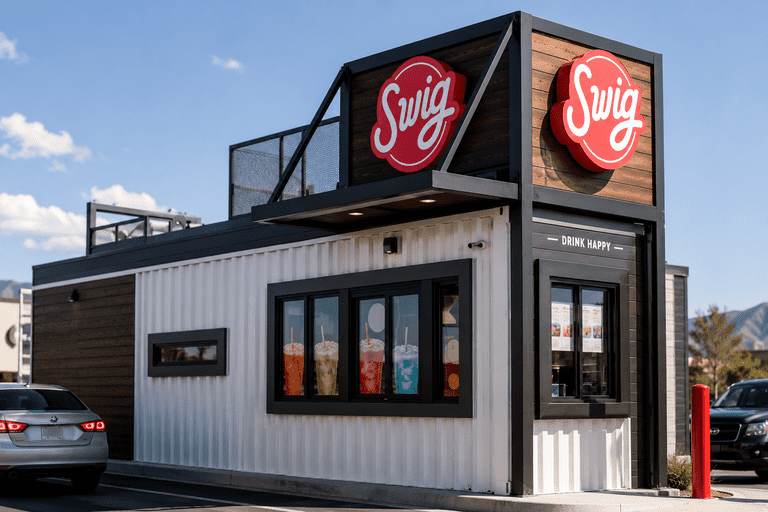
Dirty soda chain Swig is expanding into Colorado through a 10-unit franchise deal, riding a consumer beverage trend that's catching the attention of major QSR players nationwide.
May 15, 2026
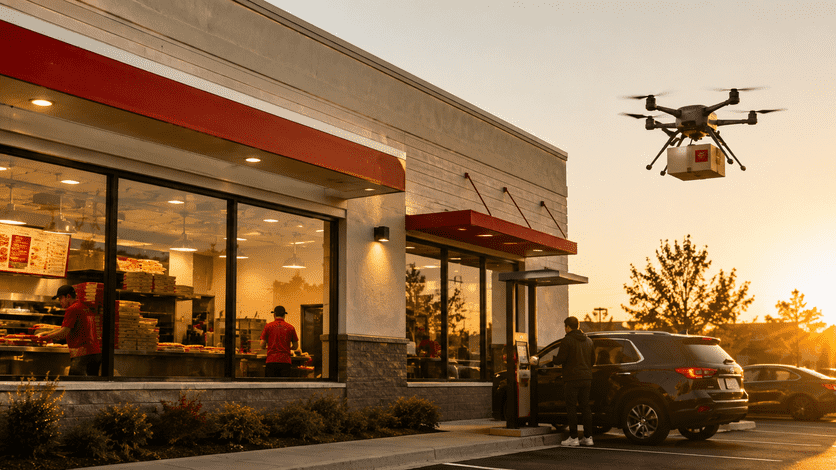
Papa Johns has teamed up with Alphabet's Wing for drone delivery of its new sandwich lineup in parts of Charlotte marking the first partnership of its kind between Wing and a national QSR brand.
May 15, 2026
A warm, expert-led look at McDonald’s Q1 results, menu makeover, and the refranchise question shaping its growth.
May 14, 2026
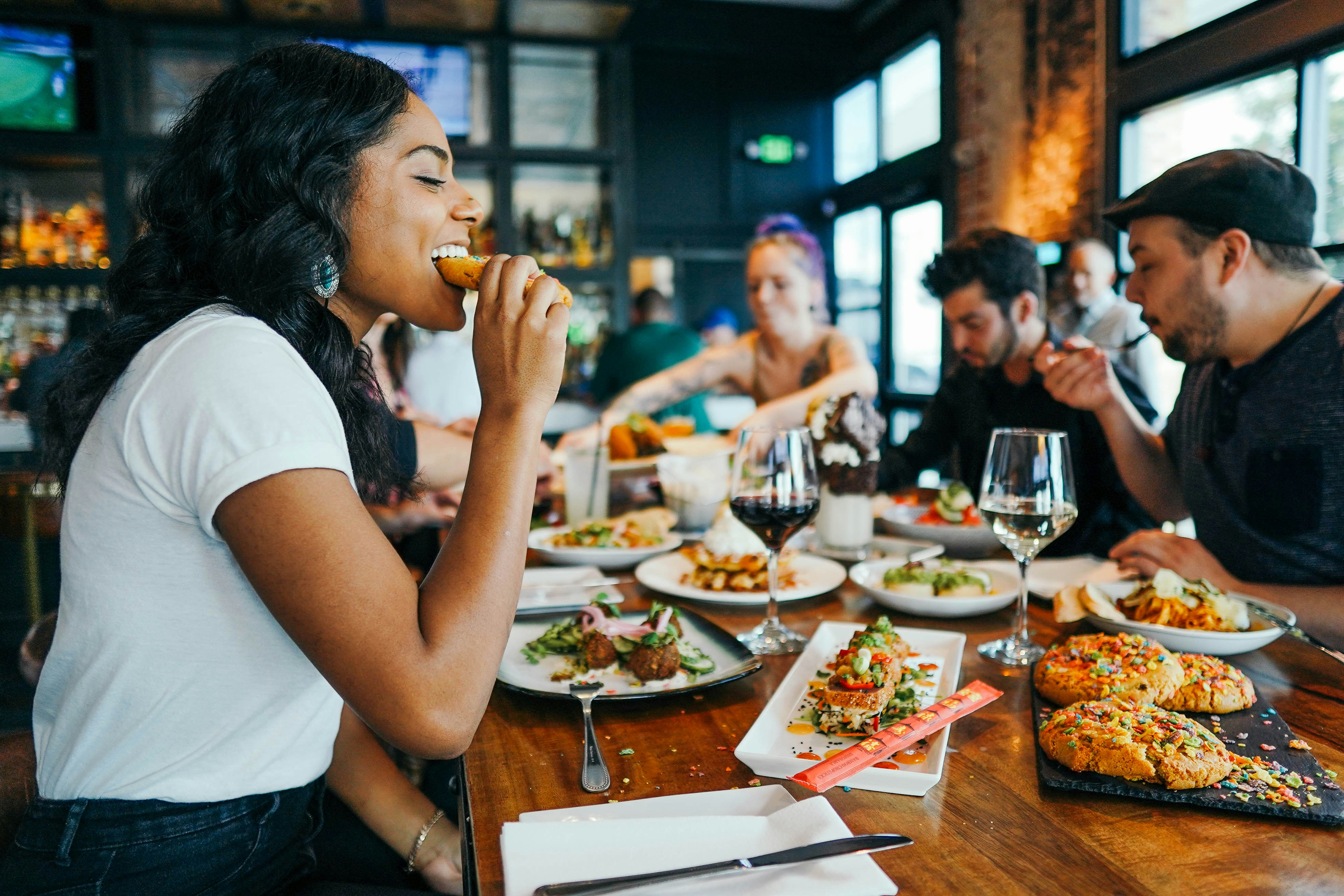
A reflective look at Habit Ranch, its immersive desert activation, and what it signals for brand loyalty and mindful, experiential dining.
May 14, 2026

Unlock Exclusive Access To Webinars, Events, And The Latest News For Free!
Papa John’s elevates CFO and EVP, International Ravi Thanawala to President, North America, unifying strategy after a quarter of diverging regional performance and sharpening focus on cost, supply chain, and refranchising.
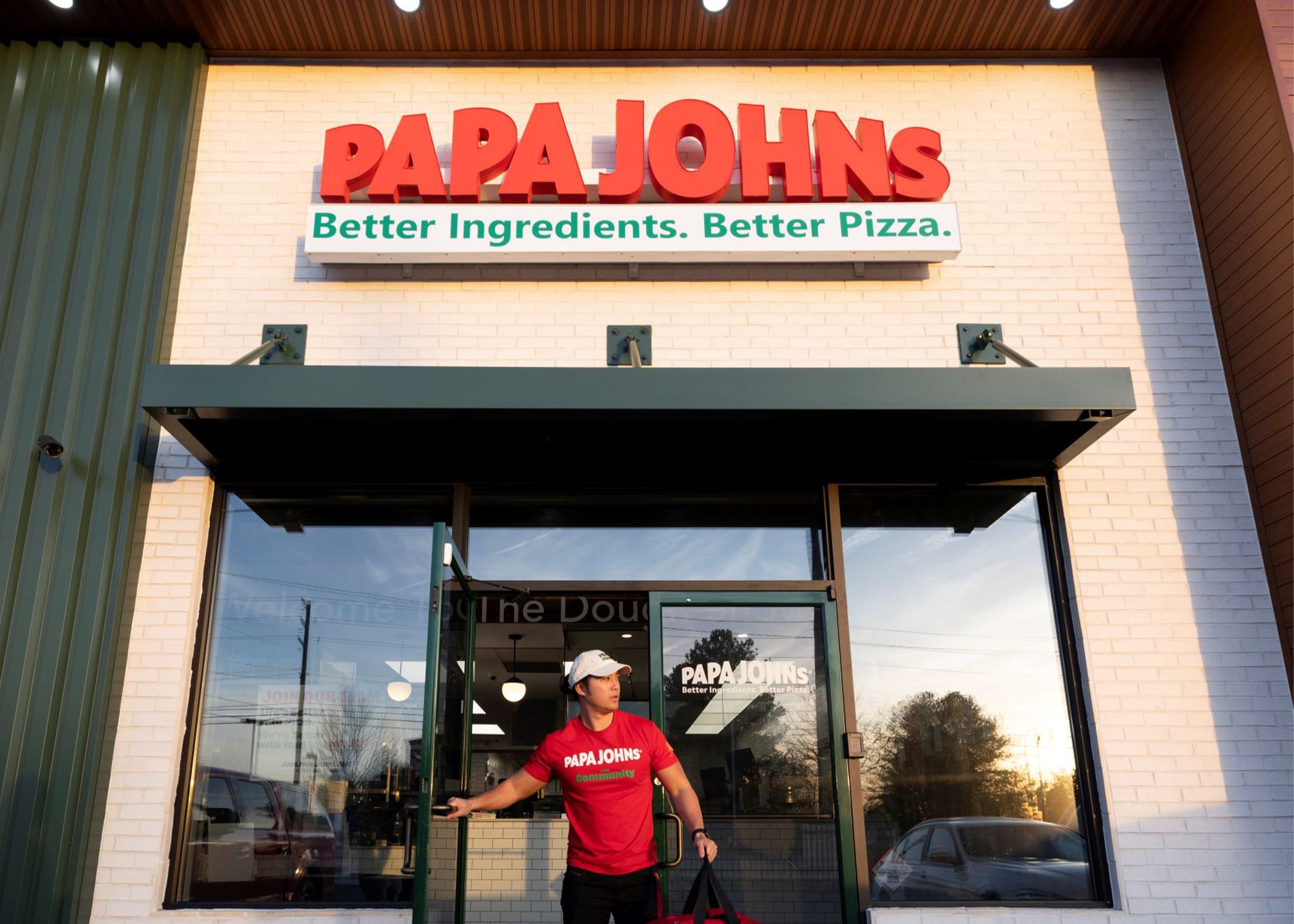
Papa John’s set a deliberate tone for the year by elevating Ravi Thanawala—its finance chief since "2023" and Executive Vice President, International—to also serve as President, North America, in an announcement made in "January 2025." The move places a single point of accountability over a portfolio that has veered in two directions: in the third quarter ended "September 28, 2025," North America comparable sales fell "3.0%" year-over-year while international comparable sales rose "7.1%." The company cast international momentum as a fourth consecutive quarter of growth and credited "improvement initiatives" under Thanawala’s leadership, implying that the same approach will now be applied at home. The quarter’s financials read like a balanced but sobering checklist: global system-wide restaurant sales rose "2%" to "$1.21 billion," revenues held steady at "$508.2 million," net income declined to "$4.5 million" from "$41.8 million," and adjusted EPS softened to "$0.32" from "$0.43." Together, those figures explain why a unified command matters—the brand needs a thoughtful through-line that connects cost discipline to demand recovery. Bringing domestic operations closer to the same operating cadence used internationally aims to create a more nourishing, coherent rhythm across markets without overcorrecting. Analysis: The leadership consolidation links North America’s recovery to an executive credited for international gains, while the mixed metrics underscore the need for synchronized financial and operational execution.
The timing reflects a clear intent: align financial accountability with operating control where the softness is most pronounced. Thanawala’s rapid ascent—including a prior interim CEO stint and his formalization as CFO and EVP, International in "August 2024"—has run alongside international outperformance, a period the company defines by four consecutive quarters of growth. Folding North America under the same leader suggests an effort to move from fragmented execution to a single, balanced framework grounded in the systems that have already proven durable abroad. Domestic dynamics help explain the urgency. The core North American segment is contending with shifting customer choices and a less favorable mix, even as certain volume signals flicker positive. Placing strategy and accountability under one leader is designed to accelerate decisions, keep discipline tight, and ensure that the levers—pricing, promotion, cost, and refranchising—are pulled in concert rather than in isolation. It’s a thoughtful restructuring meant to reduce noise and bring a steadier cadence to a market seeking renewed momentum. Analysis: Unifying leadership is intended to shorten the distance between plan and action, using a demonstrated international template to address domestic underperformance.
Management has drawn a clear path to protect margins while keeping growth optionality intact. The company identified more than "$25 million" in general and administrative savings and is targeting an additional "$50 million" in supply chain reductions by "fiscal year 2028," with the supply chain program expected to lift restaurant-level profitability by "roughly 100 basis points." In North America, commissary commission margins improved to "7.4%, up 100 bp," a tangible step that anchors the cost base in a foundational area. The balance sheet gives this plan room to breathe: liquidity stood at "$502 million" with a leverage ratio of "3.4x," and free cash flow reached "$59 million" for the first nine months. That combination offers flexibility to invest where returns are most nourishing while staying prudent. A fast-moving refranchising program—highlighted by the anticipated sale of an "85-unit" U.S. joint venture—aims to shift operational risk without sacrificing brand reach, a measured way to keep the network resilient. The through-line is discipline: build a leaner supply chain, simplify overhead, and reallocate risk so restaurant-level economics can strengthen. Analysis: The cost program and refranchising outline a classic, balanced playbook to bolster profitability and cash flow, providing the North America leader with practical levers for a steady turnaround.
Consumer patterns in North America reflect a frugal mood. The company noted a slight pizza volume increase of "3%" alongside trade-down behavior toward lower-priced medium pizzas with fewer toppings—an unfavorable mix that pressured revenue. To re-engage value-seeking customers, management deployed carryout promotions, including a "50%" off offer, and pointed to early signs of improved order trends as traffic responded. The intent is to restore momentum thoughtfully, using value as an on-ramp while safeguarding the cost improvements now underway. This approach hinges on balance. Aggressive discounts can stir demand, yet the brand is signaling restraint: rebuild traffic without sacrificing the supply chain and G&A savings that support restaurant-level profitability. If volume gains can be paired with a gradual shift back toward more robust check sizes, the overall mix can become more nourishing to the P&L. The test for the coming quarters is whether promotional energy can be channeled into healthier margins rather than a race to the bottom. Analysis: Elasticity-driven trade-down is the core headwind; targeted carryout value is being used to stabilize traffic while cost actions protect unit economics.
Shareholder dynamics sharpened after Apollo Global withdrew its "$64-per-share" proposal to take Papa John’s private at a valuation of "$2.1 billion." In response, CEO Todd Penegor indicated that if viable alternatives emerge, they would be considered, while emphasizing that executing the existing strategy remains the primary path to value. The market’s verdict in the near term was unambiguous: a "nearly 20%" stock decline over "five days" and a "28%" drop over the prior year. With a potential take-private off the table, the story returns to fundamentals—comparable sales, mix, margins, and cash generation. That backdrop elevates the importance of near-term signals, from the trajectory of carryout traffic to the cadence of refranchising. Investors appear to be asking for clear proof points that the international playbook can be translated domestically, and that cost wins will drop to the bottom line. Analysis: The withdrawal of a buyout bid places more weight on internal execution; operating milestones in the next few quarters are likely to carry outsized influence on the stock.
The network strategy favors careful pruning over sweeping cuts. As of "Q1 2025," the company operated "3,516" North American locations and projected closures of "53–70" stores—about "1.5%–2%"—a range aligned with historical averages. Even with targeted closures, global unit growth remained modestly positive, with net opening gains of "45" units year-over-year. Refranchising and closures are being applied as tuning mechanisms rather than blunt instruments, a way to preserve scale while lifting average performance. This measured posture gives promotions and menu tactics a stable stage on which to play out. It’s a thoughtful stance: maintain geographic presence so brand familiarity and convenience remain intact, then refine cost and mix until the unit economics feel more balanced. The emphasis on optimization over contraction signals confidence that the core footprint can sustain a turnaround. Analysis: A measured approach to closures helps protect brand reach while removing underperformers, supporting the broader strategy of cost discipline and demand rebuilding.
Certain details have yet to be specified. The company has not outlined the cadence or scope of additional North America product, pricing, or digital initiatives beyond the noted promotions and cost programs. The timing of the anticipated sale of the "85-unit" U.S. joint venture remains open, and forward-looking guidance for comparable sales or margins has not been provided. It is also not stated how quickly the "$50 million" in supply chain reductions by "fiscal year 2028" will phase in, beyond the expected "roughly 100 basis points" restaurant-level profitability benefit. These unknowns do not negate the strategy, but they introduce pacing questions. Operators and investors hoping for a clear timetable will look to quarterly updates for signals on comps, margin mix, and refranchising milestones. Transparency on sequencing can help set balanced expectations and reduce noise around near-term fluctuations in traffic or check. Analysis: Execution risk is tied to timing and specificity; forthcoming disclosures on cadence and mix will help validate whether the playbook is scaling as intended.
By naming Thanawala President, North America while he remains CFO and EVP, International, Papa John’s has created a single stewardship model designed to turn divergence into cohesion. The aim is to apply the same "improvement initiatives" across geographies while reinforcing a leaner cost base and stronger supply chain economics. With liquidity at "$502 million," leverage at "3.4x," free cash flow of "$59 million" in the first nine months, and identified savings of over "$25 million" in G&A plus "$50 million" targeted in supply chain by "fiscal year 2028," the company has mapped out the financial runway to support a turnaround. The near term will likely hinge on sustaining volume gains from the "50%" carryout offer, then coaxing the mix back toward higher-ticket orders as unit-level margins benefit from "roughly 100 basis points" of expected supply chain lift. It’s a balanced recipe: prudent on cost, measured on footprint, responsive on price—crafted to be resilient rather than flashy. The lesson is straightforward and nourishing in its simplicity: align structure with strategy, let tested systems lead, and disclose progress with care so that confidence can rebuild at a sustainable pace. Analysis: If the international approach transfers and cost actions deliver as planned, North America comps can steady; until then, the stock’s recent pressure and regional split underscore both the challenge and the opportunity embedded in this reset.