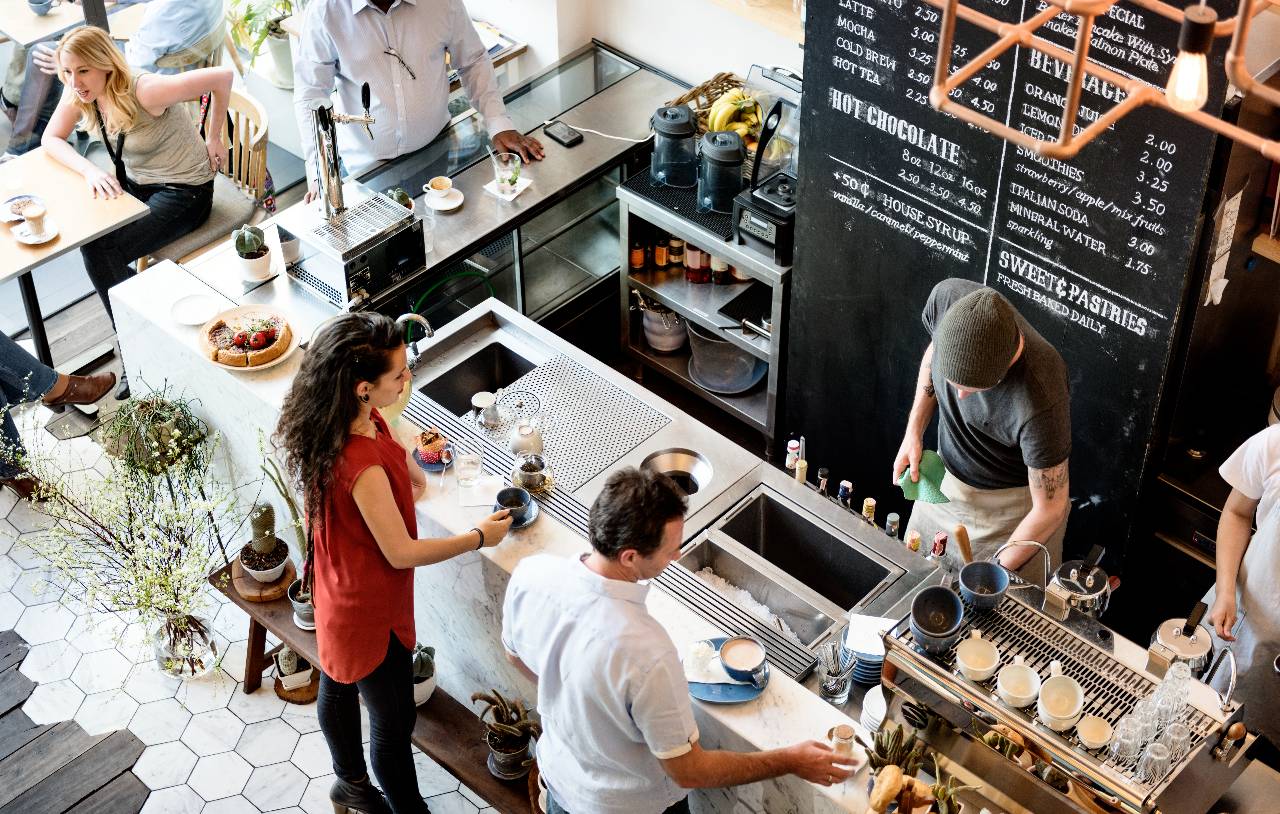
How Much Does It Cost to Open a Coffee Shop in 2026?
Opening a coffee shop in 2026 requires careful cost planning across rent, equipment, labor, technology, menu strategy, marketing, and sustainability.
operations
May 15, 2026
Opening a coffee shop in 2026 requires careful cost planning across rent, equipment, labor, technology, menu strategy, marketing, and sustainability.
May 15, 2026
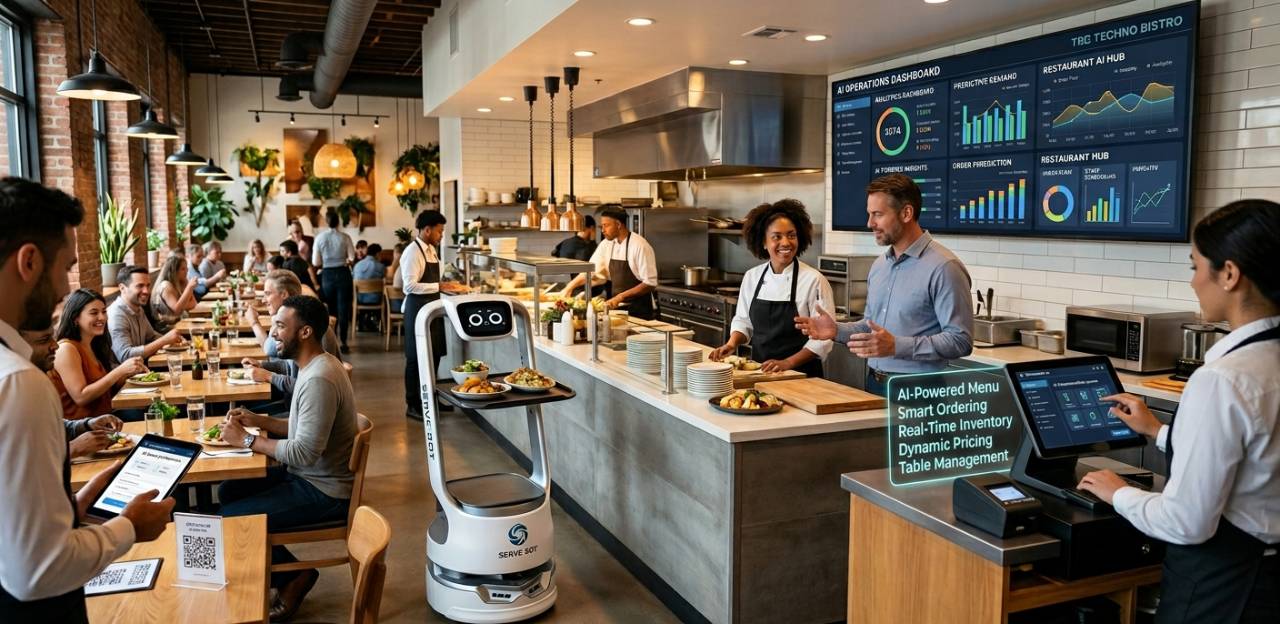
This AI playbook covers restaurant tools for voice ordering, staffing, compliance, menu pricing, inventory, marketing, ChatGPT prompts, and SEO.
May 15, 2026
Hardee’s giant Boddie-Noell inks 31-unit Scooter’s Coffee deal for NC and VA, leveraging drive-thru growth and local roots with rollout over 12–18 months.
May 15, 2026
Wingstop turns match weeks into a multi-sensory festival, aligning bold pop-ups with World Cup energy to build brand affinity and measurable momentum.
May 15, 2026
The parent company behind Dunkin', Buffalo Wild Wings, and Arby's has filed for an IPO a move that could reshape how Wall Street views the restaurant sector.
May 15, 2026
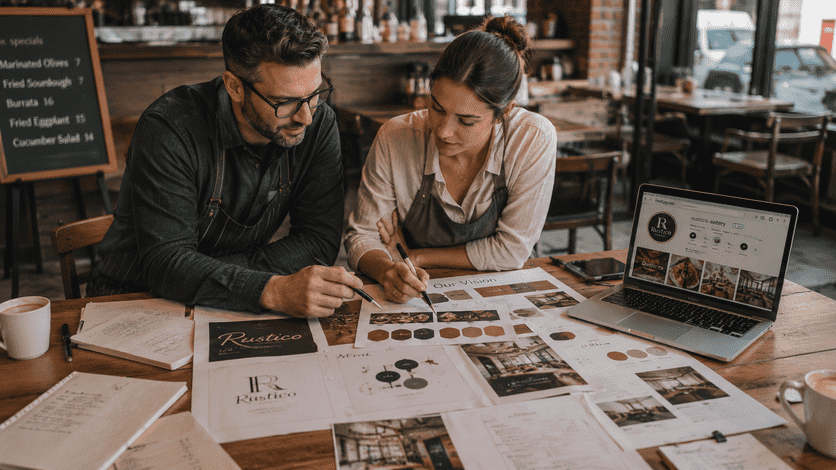
Learn how to develop a memorable restaurant brand identity that stands out in a crowded market, attracts loyal customers, and drives repeat business with actionable strategies and affordable tools.
May 15, 2026
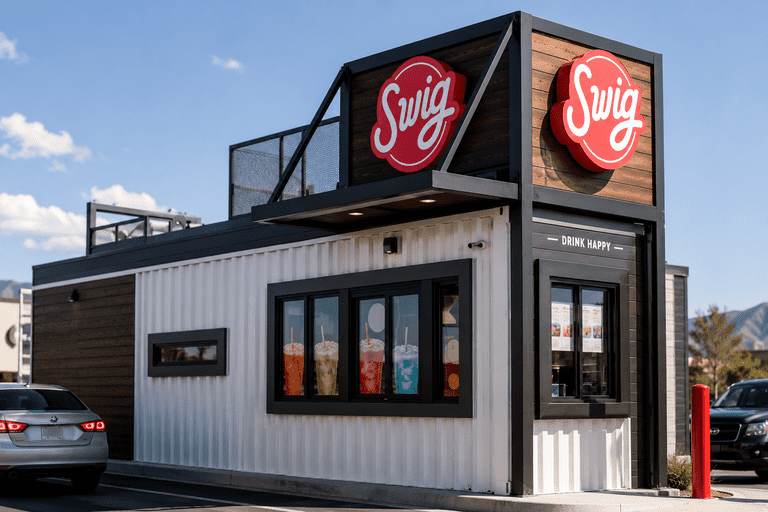
Dirty soda chain Swig is expanding into Colorado through a 10-unit franchise deal, riding a consumer beverage trend that's catching the attention of major QSR players nationwide.
May 15, 2026
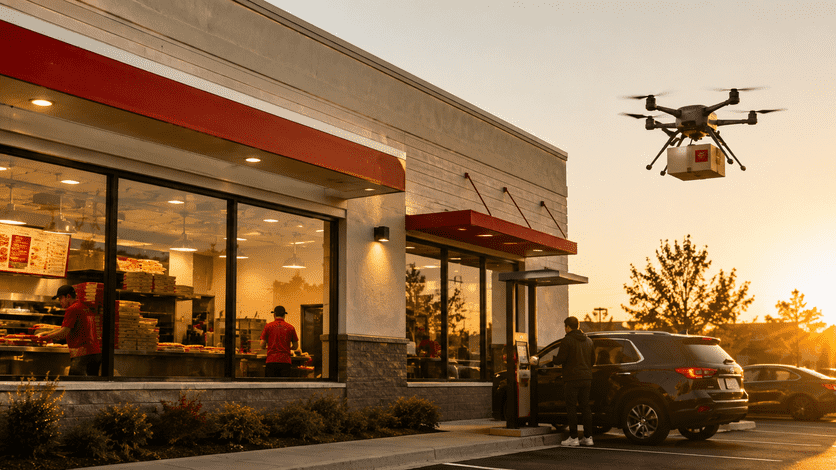
Papa Johns has teamed up with Alphabet's Wing for drone delivery of its new sandwich lineup in parts of Charlotte marking the first partnership of its kind between Wing and a national QSR brand.
May 15, 2026
A warm, expert-led look at McDonald’s Q1 results, menu makeover, and the refranchise question shaping its growth.
May 14, 2026
A reflective look at Habit Ranch, its immersive desert activation, and what it signals for brand loyalty and mindful, experiential dining.
May 14, 2026

Unlock Exclusive Access To Webinars, Events, And The Latest News For Free!
Papa John’s blends a global platform with local taste, testing Cheddar Pizza across markets and using influencers to fuel international growth.
Photo by Daniel
Papa John’s has refined its promise for a world audience, a delicate act of hospitality that travels without dilution. The mission rests on a two-pronged strategy: preserve the premium positioning while inviting regional flavors to sit alongside it. Across nearly 5,900 restaurants in roughly 50 markets, the company choreographs growth as a culinary dialogue. The table is large, and the invitation is precise: make the world crave a familiar bite that tastes of home in many homes. The stage is set for a long voyage, not a single triumph: colonize markets with grace and verve.
At the heart of this dialogue lies a pragmatic architecture: Better Get You Some, the newly minted marketing platform, and the flagship Cheddar Pizza acting as a test case for a global audience. A Nielsen study suggested that the novel pie would generate consumer interest and drive incremental visits, a crucial litmus test for an LTO strategy. The roll-out spanned 23 international markets and four languages: English, Korean, Mandarin, and Spanish, creating a broad laboratory for real-world response. In China, the Cheddar Pizza captured a record 19 percent of sales mix in the first week; in South Korea, it accounted for 3.5 percent of sales mix, roughly 40 percent above typical LTO benchmarks; and in Qatar, it posted a 6 percent order mix, triple the norm for LTO activity. The early signals fed the confidence to widen the framework, tying disruption to the gravity of pizza devotion on a global stage. We can see how a research-driven item can translate across cultures when paired with localized storytelling. said Chris Lyn-Sue. In parallel, the campaign drew on familiar cultural anchors—bridging the known with the new—to keep the Cheddar Pizza conversation lively across markets.
Yet the story is not told in a single key. The global platform’s rollout is a living experiment in local relevance, a philosophy echoed in both the executive suite and the external chatter of industry observers. The Cheddar Pizza episode functions as a bellwether: it tests how a single item can travel with a market’s voice, and how a larger marketing engine can translate a bold concept into measurable lift in comparable-store sales.
Markets around the globe face a spectrum of appetites: some are mature, saturated with pizza culture, while others are only beginning to whisper its appeal. The international push rests on a clear dual aim: win in the well-trodden regions and spark curiosity where pizza remains new. Leadership frames adaptation as a discipline, not a stunt—the team tailors flavors and formats to fit regional expectations while preserving the brand’s promise of better ingredients and better pizza. From China’s pizza culture to the Pacific nations’ nascency, the method remains pragmatic: flavor profiles explain the difference, while the structure remains recognizable. In this way, the global platform finds its local heartbeat, operating with cultural fluency as the x-ray of growth.
In practice, adaptation extends to seafood-forward profiles in parts of Asia and bases such as yogurt or ranch in the Middle East, crafted to temper spicier toppings. The aim is not to erase identity but to respond to palate expectations without diluting the brand’s core promise. This approach does more than fill menus; it educates markets about a global brand that can bend without breaking. Industry watchers describe the trend as a broader shift toward marketing platforms that feel native to local audiences, a crucial lever for long-term cross-border growth.
The result is a blended portfolio that speaks to maturity and to emergence—the culinary passport that invites exploration without severing ties to a brand’s identity.
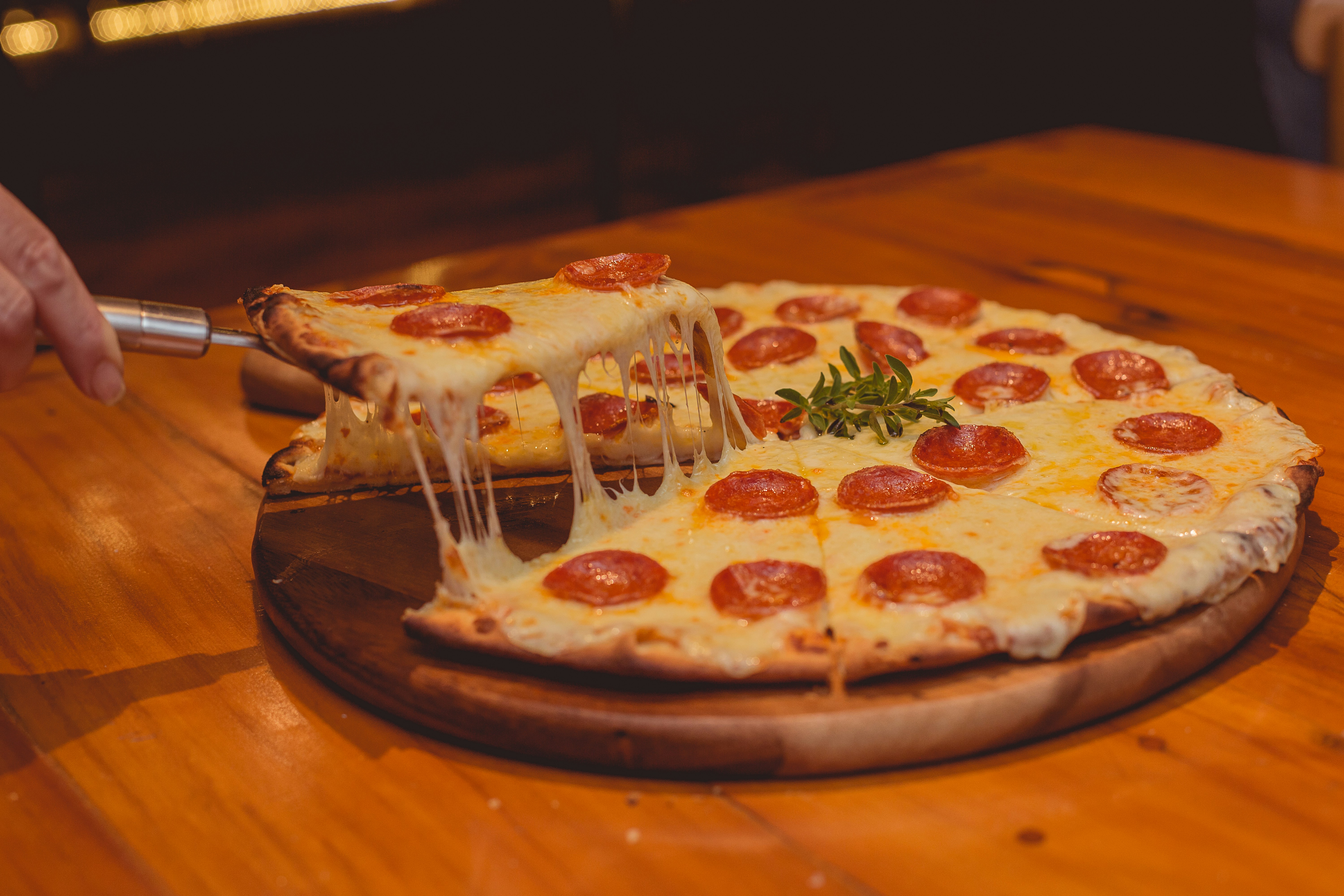
Better Get You Some is more than a slogan: it is the marketing engine behind a broader expansion strategy. Unveiled in early 2024, the platform aligns audience segmentation, buzz generation, and differentiated menu ideas with a unified creative cadence. The first act rolled out limited-time offers and signature items in a national cadence, designed to spark conversation and social engagement while allowing markets to tell their own stories. The creative partners describe the canvas as expansive yet flexible, a framework that travels with nuance rather than a single script. In practical terms, the Cheddar Pizza initiative became the flagship test bed for this platform, connected to the broader Back to Better 2.0 plan that expands investments and refines targeting.
In this narrative, the platform is a canvas rather than a script: markets paint their stories while preserving a cohesive aroma of the brand. The global Cheddar Pizza test illustrates how data-driven items can travel with localized storytelling to lift growth across the international footprint.
Influencer networks and partnerships anchor Papa John’s international ascent, blending North American marketing instincts with regionally resonant voices. In the United States, the Better Get You Some push leans on pop culture signals—from Shaquille O’Neal to cartoon tie-ins—paired with a distinctive campaign voice. A bespoke track, developed with The Martin Agency, features Big Boi, delivering an audio signature that travels with the brand. Abroad, the brand leans into local voices: in China, Garfield speaks to Gen Z’s appetite for cartoons and lasagna imagery, while in Korea, the brand collaborates with K‑pop group IVE and An Yu-jin in branded YouTube content that drew millions. In Peru, cheddar imagery turned store transformation into word-of-mouth with minimal paid media. The practice of anecdotal ambassadorship helps spotlight authentic local creators who can carry the brand’s legitimacy. Shaquille O’Neal remains a steady ambassador, lending continuity, while master franchise partners seek regional social talent to deepen engagement.
The global platform breathes with local rhythm, allowing a single concept to speak in many dialects while staying unmistakably its own.
Better Get You Some sits at the core of Papa John’s growth architecture, reinforced by a brand-platform refresh and targeted investments aimed at extending reach and boosting ROI. The April 2024 disclosures frame the platform as a continuation of a marketing evolution—a move to convert devotion into loyalty and incremental visits. In practical terms, the Cheddar Pizza episode demonstrates how a research-informed item, when paired with culturally tuned storytelling, can lift comparable-store sales across dozens of markets. Yet the long-run impact on profitability remains a function of execution across markets, a dynamic still unfolding.
Aligned with the broader Back to Better 2.0 framework, the platform emphasizes sharper segmentation, stronger brand equity, and a clear path for menu innovation. The early traction in China, Korea, and Qatar offers a window into how a clearly defined strategy can translate into durable growth, even as profitability depends on execution across talent, supply chains, and market conditions. The path remains promising, though not yet settled, as executive commentary and earnings materials continue to illuminate the road ahead.