How Much Does It Cost to Open a Coffee Shop in 2026?
Opening a coffee shop in 2026 requires careful cost planning across rent, equipment, labor, technology, menu strategy, marketing, and sustainability.
operations
May 15, 2026
Opening a coffee shop in 2026 requires careful cost planning across rent, equipment, labor, technology, menu strategy, marketing, and sustainability.
May 15, 2026
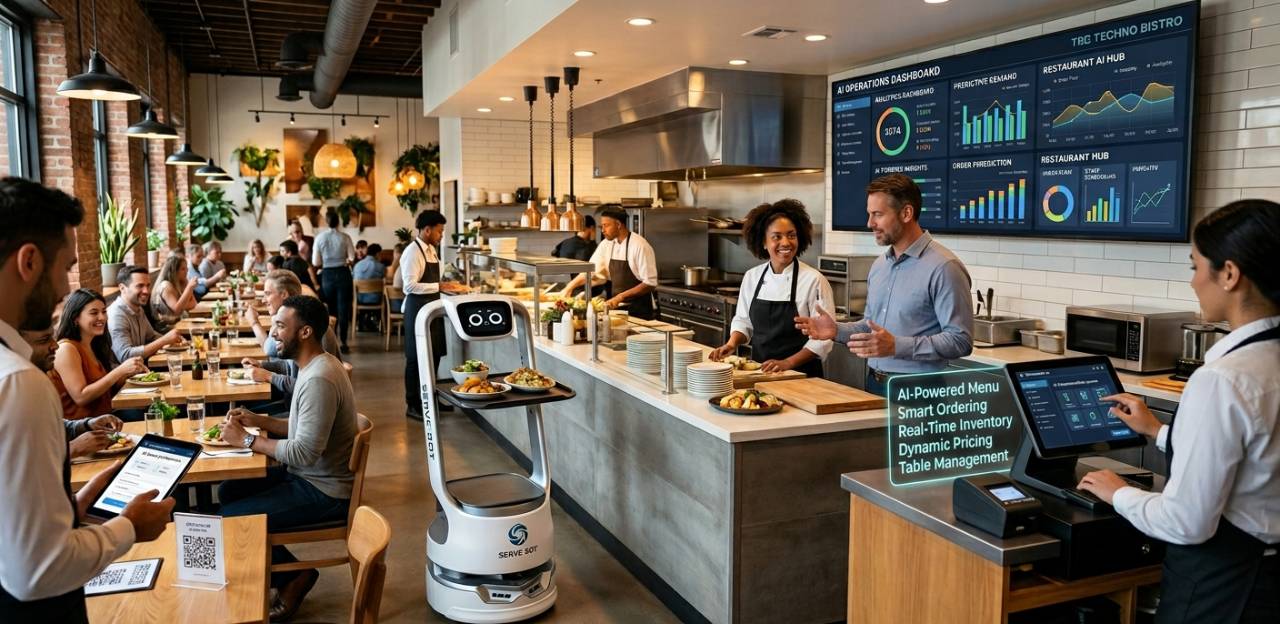
This AI playbook covers restaurant tools for voice ordering, staffing, compliance, menu pricing, inventory, marketing, ChatGPT prompts, and SEO.
May 15, 2026
Hardee’s giant Boddie-Noell inks 31-unit Scooter’s Coffee deal for NC and VA, leveraging drive-thru growth and local roots with rollout over 12–18 months.
May 15, 2026
Wingstop turns match weeks into a multi-sensory festival, aligning bold pop-ups with World Cup energy to build brand affinity and measurable momentum.
May 15, 2026
The parent company behind Dunkin', Buffalo Wild Wings, and Arby's has filed for an IPO a move that could reshape how Wall Street views the restaurant sector.
May 15, 2026
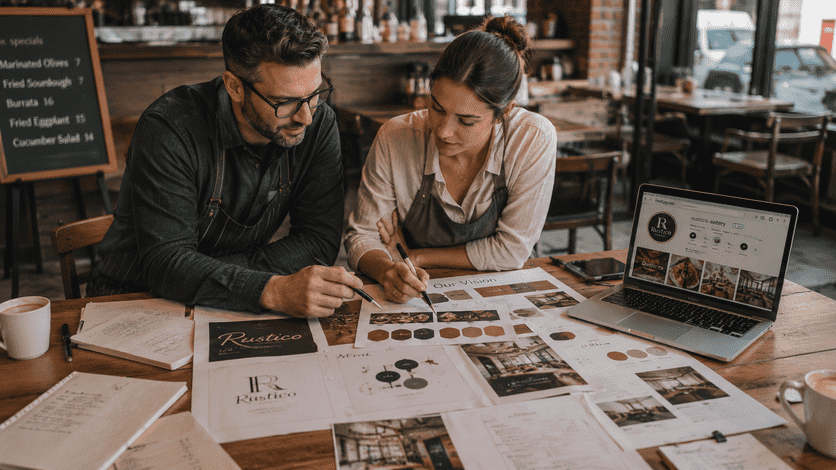
Learn how to develop a memorable restaurant brand identity that stands out in a crowded market, attracts loyal customers, and drives repeat business with actionable strategies and affordable tools.
May 15, 2026
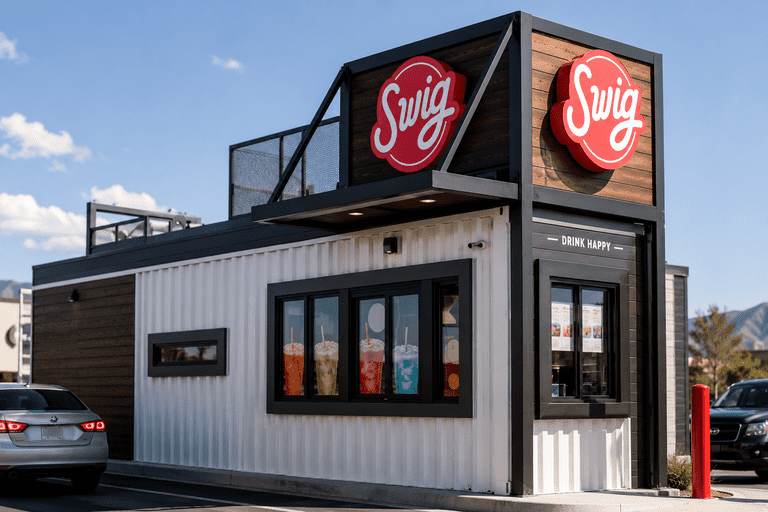
Dirty soda chain Swig is expanding into Colorado through a 10-unit franchise deal, riding a consumer beverage trend that's catching the attention of major QSR players nationwide.
May 15, 2026
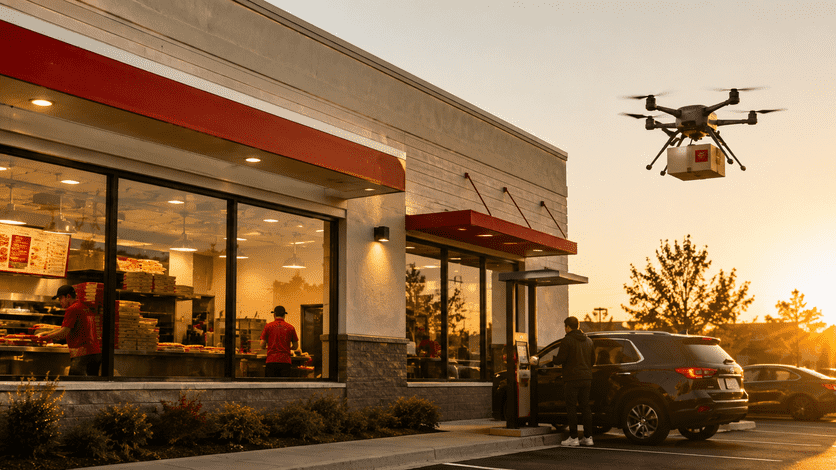
Papa Johns has teamed up with Alphabet's Wing for drone delivery of its new sandwich lineup in parts of Charlotte marking the first partnership of its kind between Wing and a national QSR brand.
May 15, 2026
A warm, expert-led look at McDonald’s Q1 results, menu makeover, and the refranchise question shaping its growth.
May 14, 2026
A reflective look at Habit Ranch, its immersive desert activation, and what it signals for brand loyalty and mindful, experiential dining.
May 14, 2026

Unlock Exclusive Access To Webinars, Events, And The Latest News For Free!
Panera navigates backlash after spring cuts, reintroducing favorites amid new items, revealing nostalgia-driven strategy in fast-casual dining.
Photo by Adhitya Sibikumar
Panera has entered another phase of its menu evolution, a delicate act that feels less like a revolution and more like a recalibration of taste and tempo. The spring brushstroke arrived with the quiet confidence of a brand that believes in renewal, but the effect on regulars was pronounced and immediate. The kitchen pruned a spectrum of staples, inviting a breath of novelty into the lineup while requesting trust in the pruning process. In those moments, a question settles over the dining room and the social stream alike: what remains when beloved routines are interrupted? The answer, slowly taking shape, would become a study in listening and discernment: a move from mere change to cultivated clarity.
The spring makeover trimmed several staples, a conservative pruning that aimed to refresh without erasing identity. Items trimmed included flatbreads, Mediterranean bowls, turkey chili, and the Asian sesame salad with chicken, among others. The resulting chatter on social media was a chorus of mixed emotions: appreciation for modernization alongside nostalgia for favorites. The tension between innovation and tradition sharpened into the central conversation of a fast-casual brand attempting to harmonize growth with comfort.
Out of that dialogue emerged a straightforward, stubborn truth: a menu is more than a ledger of dishes; it is a map of shared moments. The challenge for Panera was not merely to add items but to preserve the rituals that anchor regulars’ visits. The next chapters would test how to honor memory while inviting something new to the table.
The Bagel Dissent unfolded across comment threads and café tables, a chorus that reminded Panera that a single favorite can anchor routine, community, and even a sense of daily belonging. One patron’s blunt refrain carried the weight of many: "Panera has eliminated Sesame Bagels from their menu. I, eat 1 Sesame Bagel with Crème Cheese every day, 7 days a week. I am retired and use that as a way to get out, go to Panera, see the folks there. And are Regulars! Why should I go now?" The language is sharp, yet the sentiment is intimate: loss of a staple can feel like the erosion of a neighborhood ritual. This vocal minority underlined how memory and nourishment can be braided into social life, turning a menu decision into a measure of trust and continuity.
The episode made visible a paradox in modern dining: guests seek novelty, yet they anchor their regularity to anchors they know and love. The social chorus around the sesame bagel—its absence, its return, and the rituals around it—became a living barometer for how deeply a brand’s personality is entangled with specific flavors and moments of sociability.
In a turn embraced by many brands in moments of public feedback, the sesame seed bagel and the blueberry bagel would return "by popular demand." The revival arrived as a clear signal that listening to guests can buoy a brand’s most cherished anchors while new items take the stage. The bagels’ reappearance rode alongside a renewed lineup, underscoring a deliberate strategy to widen appeal without discarding the familiar touchstones that regulars associate with Panera.
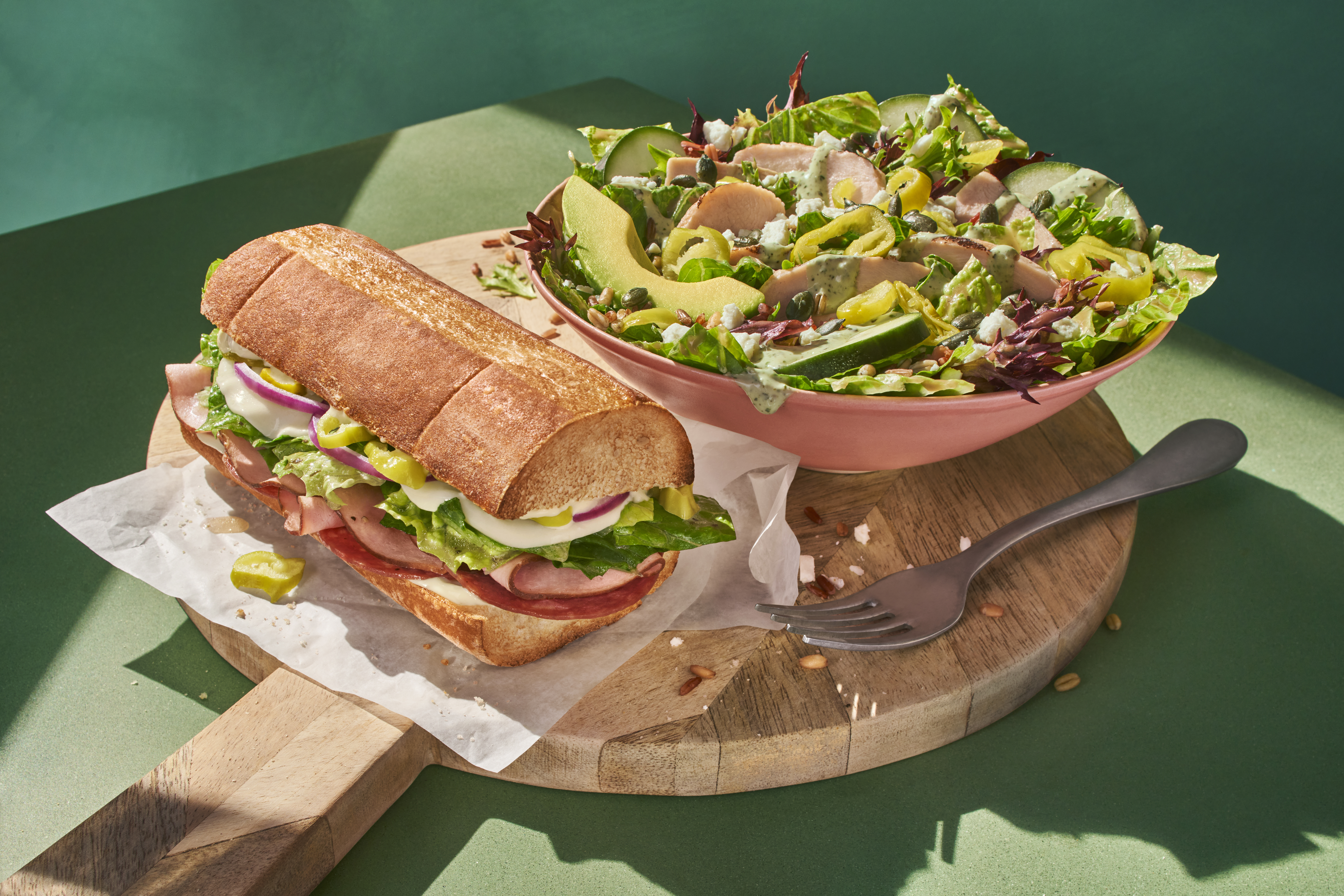
Thus, the comeback was not a solitary note but a refrain: sesame seed and blueberry bagels rejoined the menu, while three new items—avocado toast, spicy grilled chicken sandwich, and a new grilled cheese—entered the chorus. The timing suggested a careful balance: memory as ballast, novelty as sails in a crowded sea, all conducted with a voice that listens to the crowd.
In this choreography, the brand preserves continuity for its regulars while inviting new faces to discover a refreshed palate. The sesame and blueberry bagels return not merely as flavors but as symbols of a brand that can bend without breaking, a reminder that consistency and renewal can share a plate.
Industry Echoes arrive like the aroma of a familiar dish—nostalgia, when used judiciously, can lure guests back to a table they once trusted. Panera’s experience echoes a broader pattern: chains leverage the comeback of discontinued favorites to re-engage their base and to draw in lapsed visitors. The decision to cite guest input as the motive for the comeback—an emphasis on conversation over compulsion—reflects a growing expectation that brands engage in iterative dialogues with fans. Public sentiment, rightly observed, can shape product decisions and the tempo of change.
By recalibrating the lineup to honor cherished items while introducing contemporary offerings, Panera positions itself to capitalize on momentum born of memory and shared experience. This approach—subtly nostalgic, deliberately balanced—appears as a template for brands navigating the tension between innovation and tradition. It is a reminder that a menu can be both a catalog of tastes and a narrative of community.
The industry is watching as memory becomes a strategic ingredient—an expectation that brands will listen, respond, and preserve the rituals that anchor regulars to their tables.
Despite the signals that guest feedback can drive rapid adjustments, several questions remain. The available material does not provide sales figures, traffic impact, or a precise timeline for how long the bagel comeback will endure or how the new items will perform relative to prior offerings. There is no explicit disclosure of the financial terms of these menu decisions or of longer-term planning beyond the current lineup. What is evident, however, is that a responsive feedback loop—where guest voices are monitored, interpreted, and sometimes acted upon quickly—has become a central feature of Panera’s operating stance and a potential template for other brands navigating the tension between innovation and tradition.
What is clear is not a flawless forecast but a living experiment in listening—a discipline that could shape the pace and flavor of future menus. The dialogue between guests and kitchen becomes a compass, guiding decisions with the humility to adjust course as the map evolves.
Panera’s moves offer a case study in how guest engagement can shape product strategies in real time. The brand’s willingness to reverse unpopular decisions—such as the removal and subsequent return of sesame bagels—demonstrates that menu planning today is as much about dialogue as it is about development. For executives navigating the fast-casual arena, the takeaway is clear: treat menu changes as opportunities to listen, respond, and build a relationship with a devoted community of diners. The goal is not only to drive sales with new items but to reinforce trust by showing attentiveness to daily rituals and preferences, even when those preferences are stubbornly attached to a single bagel flavor or familiar favorites.
- Listen to guest voices: Build a channel to gather input and translate it into changes that feel respectful of memory while inviting novelty.
- Balance memory with novelty: Reintroduce cherished items as anchors and layer in fresh offerings to keep the menu vibrant and relevant.
In this light, Panera’s menu story reads as a refined blueprint for the future of fast-casual dining: a living document that honors memory, invites experimentation, and communicates with guests in a language of confidence and care.