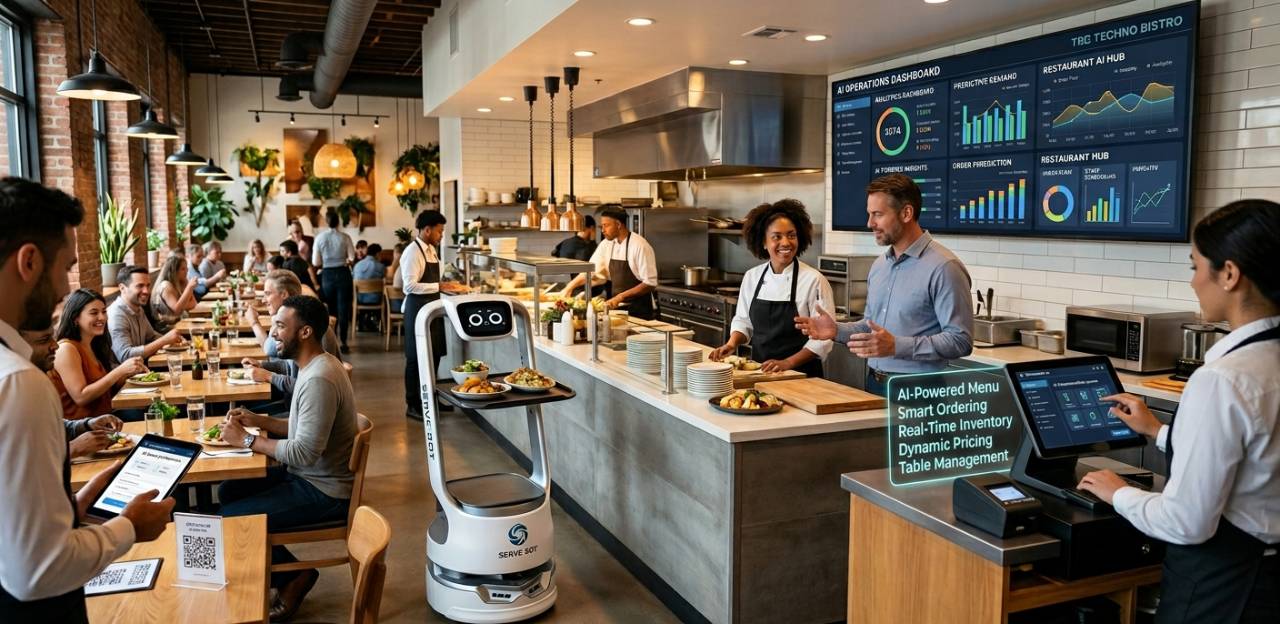
AI Playbook for Restaurant Owners
This AI playbook covers restaurant tools for voice ordering, staffing, compliance, menu pricing, inventory, marketing, ChatGPT prompts, and SEO.
tech
May 15, 2026
This AI playbook covers restaurant tools for voice ordering, staffing, compliance, menu pricing, inventory, marketing, ChatGPT prompts, and SEO.
May 15, 2026
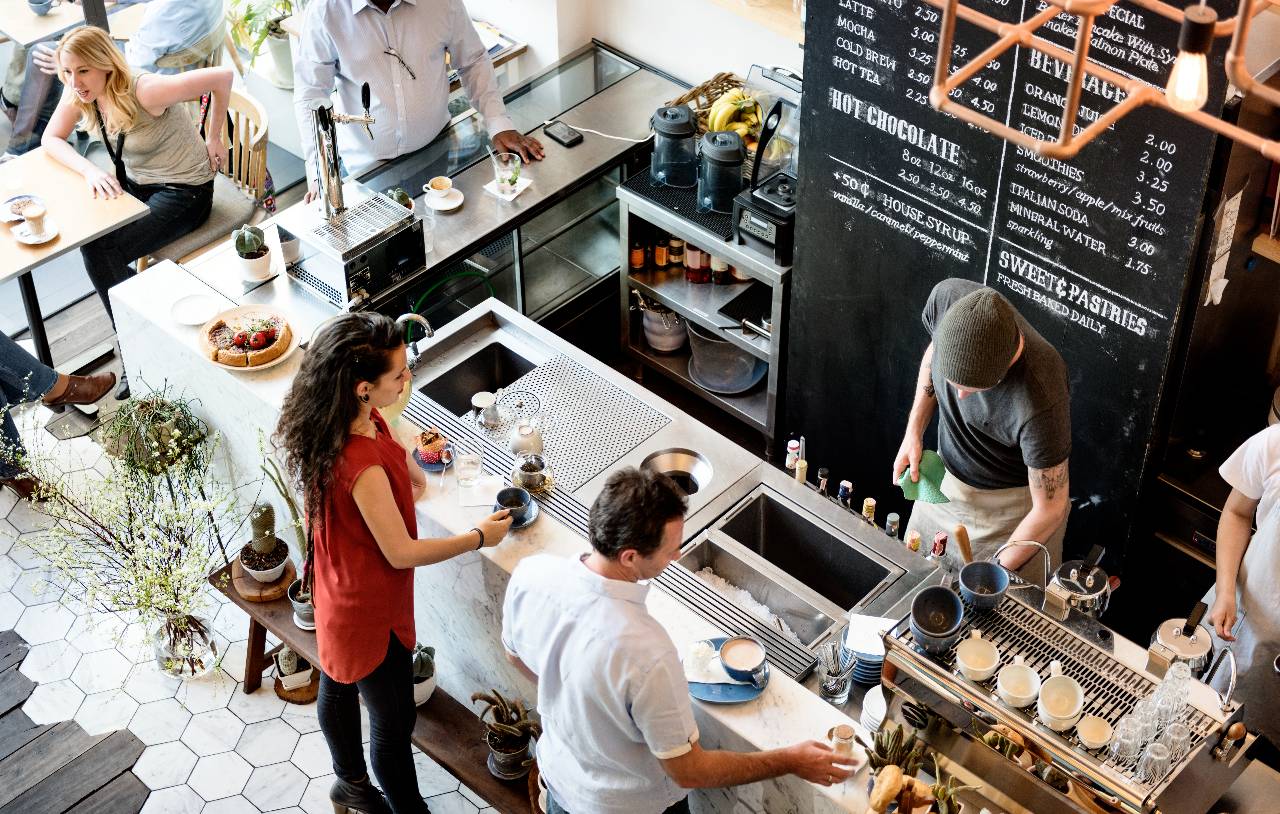
Opening a coffee shop in 2026 requires careful cost planning across rent, equipment, labor, technology, menu strategy, marketing, and sustainability.
May 15, 2026
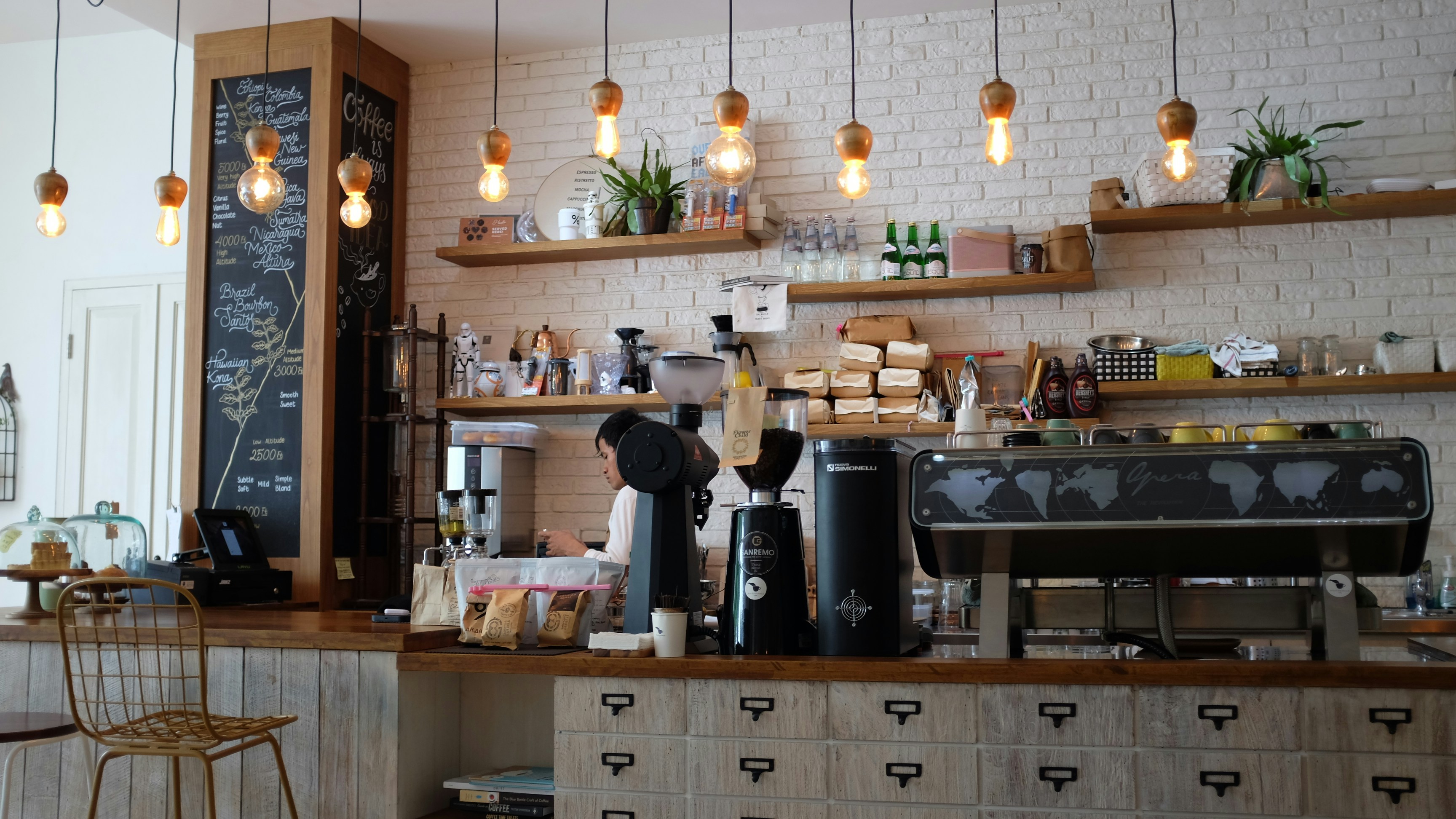
Hardee’s giant Boddie-Noell inks 31-unit Scooter’s Coffee deal for NC and VA, leveraging drive-thru growth and local roots with rollout over 12–18 months.
May 15, 2026
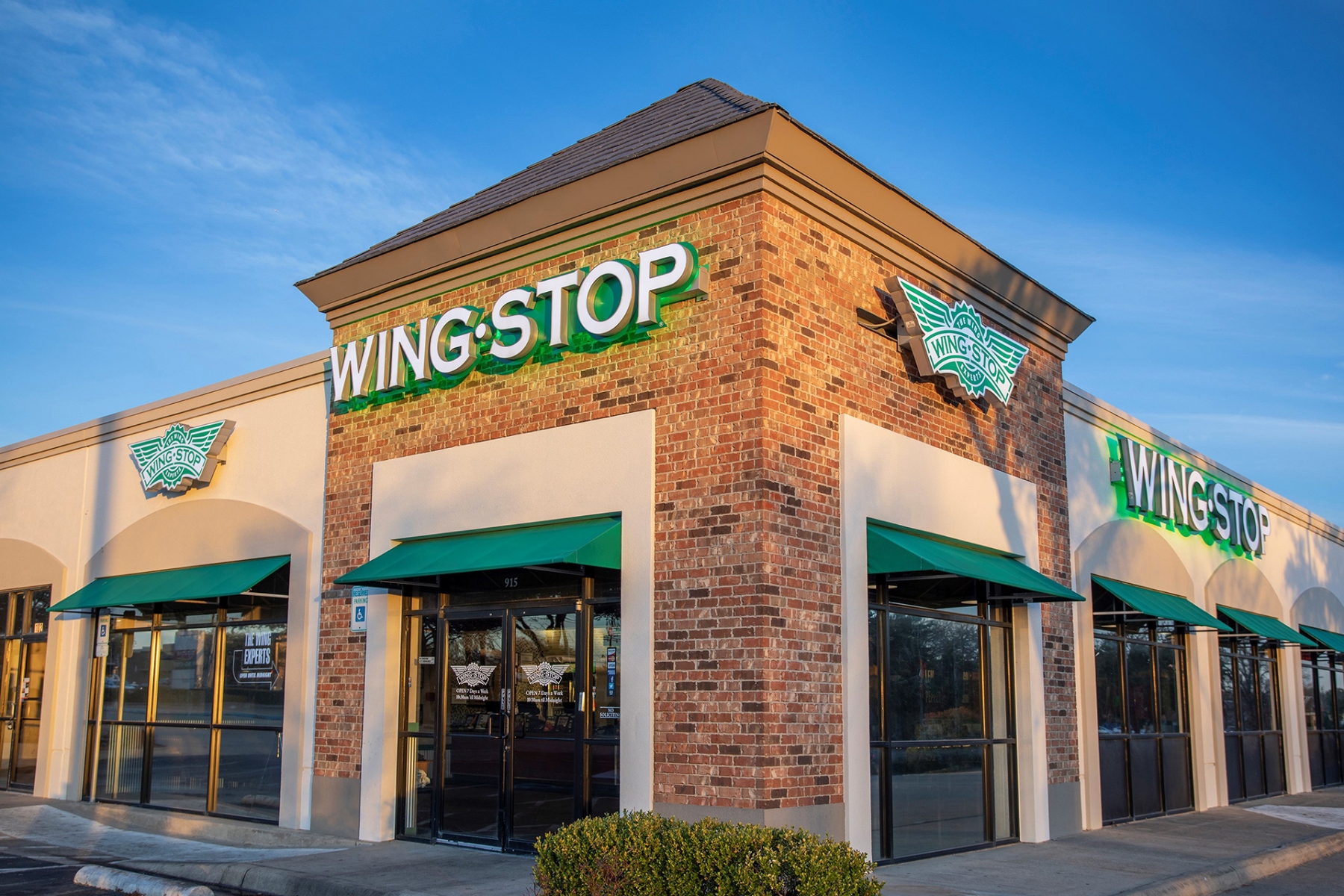
Wingstop turns match weeks into a multi-sensory festival, aligning bold pop-ups with World Cup energy to build brand affinity and measurable momentum.
May 15, 2026

Learn how to develop a memorable restaurant brand identity that stands out in a crowded market, attracts loyal customers, and drives repeat business with actionable strategies and affordable tools.
May 15, 2026
The parent company behind Dunkin', Buffalo Wild Wings, and Arby's has filed for an IPO a move that could reshape how Wall Street views the restaurant sector.
May 15, 2026
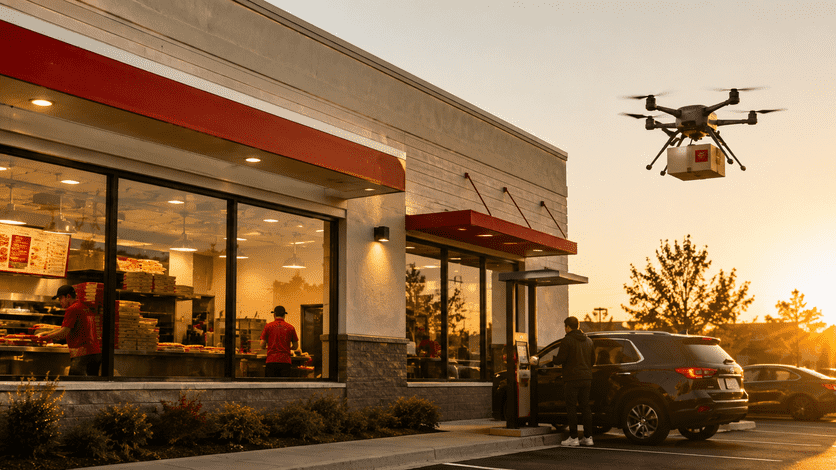
Papa Johns has teamed up with Alphabet's Wing for drone delivery of its new sandwich lineup in parts of Charlotte marking the first partnership of its kind between Wing and a national QSR brand.
May 15, 2026
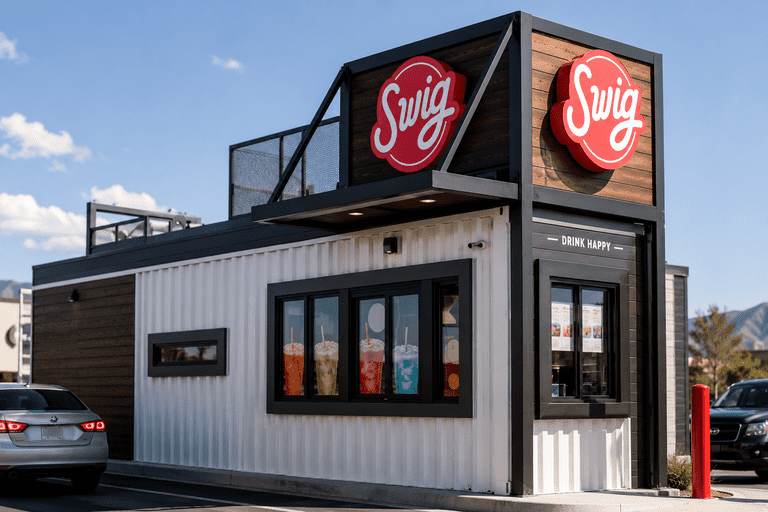
Dirty soda chain Swig is expanding into Colorado through a 10-unit franchise deal, riding a consumer beverage trend that's catching the attention of major QSR players nationwide.
May 15, 2026
A warm, expert-led look at McDonald’s Q1 results, menu makeover, and the refranchise question shaping its growth.
May 14, 2026
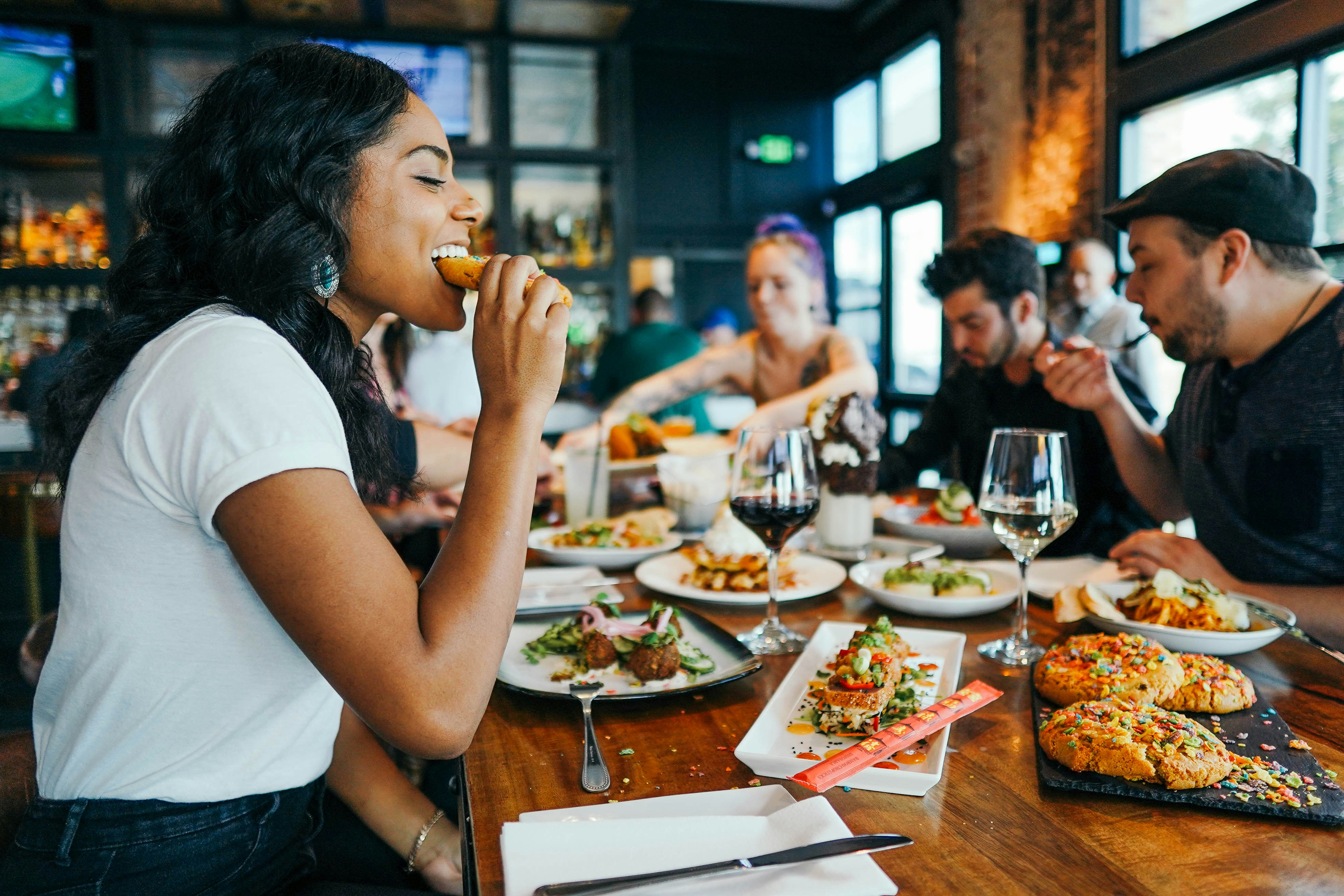
A reflective look at Habit Ranch, its immersive desert activation, and what it signals for brand loyalty and mindful, experiential dining.
May 14, 2026

Unlock Exclusive Access To Webinars, Events, And The Latest News For Free!
Explore Panera Bread's recent announcement to close its Fresh Dough Facilities, impacting its bread production. Learn about the reasons behind this decision and its potential effects on the restaurant industry.
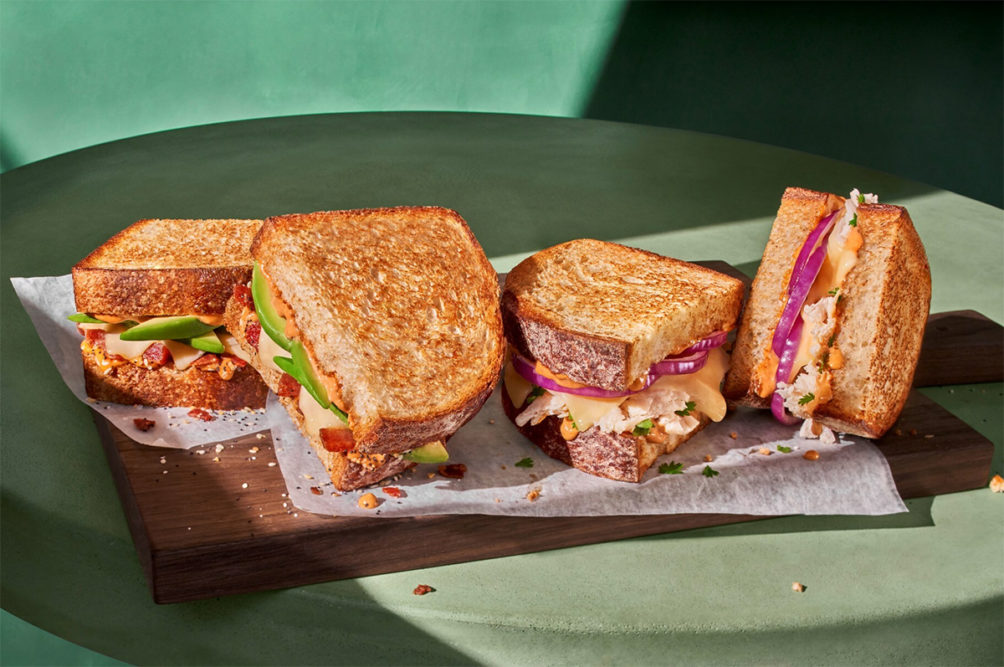
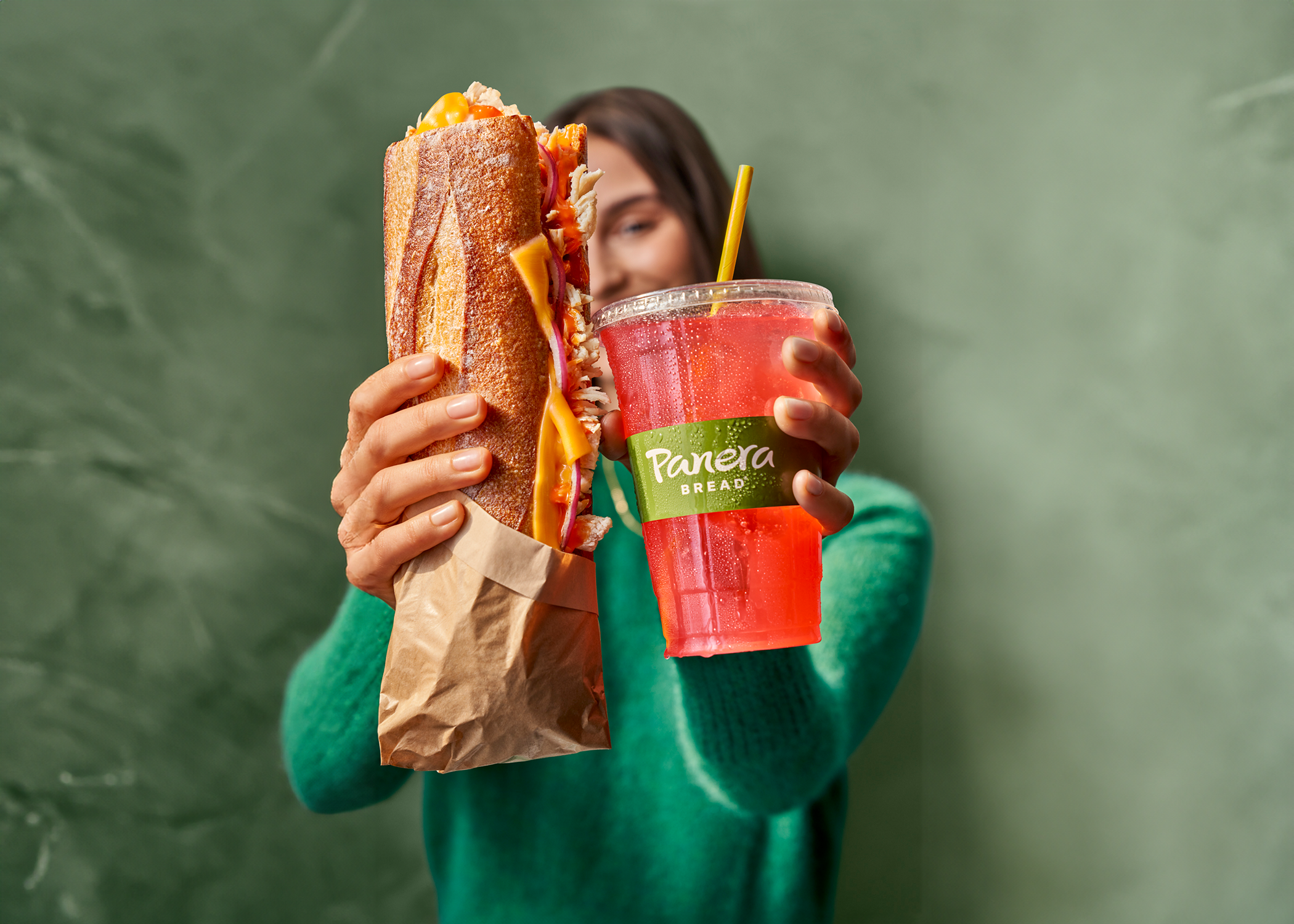
Panera Bread's recent announcement to close its Fresh Dough Facilities comes as part of a strategic shift towards optimizing its operations and enhancing product quality. By sourcing bread from external artisan bakery producers, the company aims to ensure consistent quality while focusing on innovation and expanding its menu variety. This move allows Panera to tap into the expertise of specialized bakeries, potentially leading to more diverse and premium bread offerings.
The transition to third-party facilities for bread production signifies a significant operational change for Panera Bread. Instead of producing fresh dough in-house, the brand will now rely on external partners to bake bread using its established recipes and ingredients. This shift enables Panera to introduce a new baking model that allows for continuous production throughout the day by utilizing par-baked dough. While maintaining its food quality and standards, this approach may also streamline operations and enhance efficiency in the baking process.
While the closure of Fresh Dough Facilities raises concerns about potential job losses, Panera Bread has emphasized its commitment to supporting affected employees through this transition. The company stated that it values its team members and will provide resources, career opportunities, and guidance during this period of change. Despite the restructuring, Panera aims to ensure that its workforce receives adequate support and assistance to navigate through the organizational shift.
Panera Bread's decision to close its Fresh Dough Facilities comes at a time when other fast-casual brands have experienced growth and success in the market. Despite menu updates and ongoing efforts to attract customers, data suggests that Panera faced a decline in consumer spending in recent years. The brand's move towards outsourcing bread production reflects a strategic response to market challenges and the need to adapt to evolving consumer preferences.