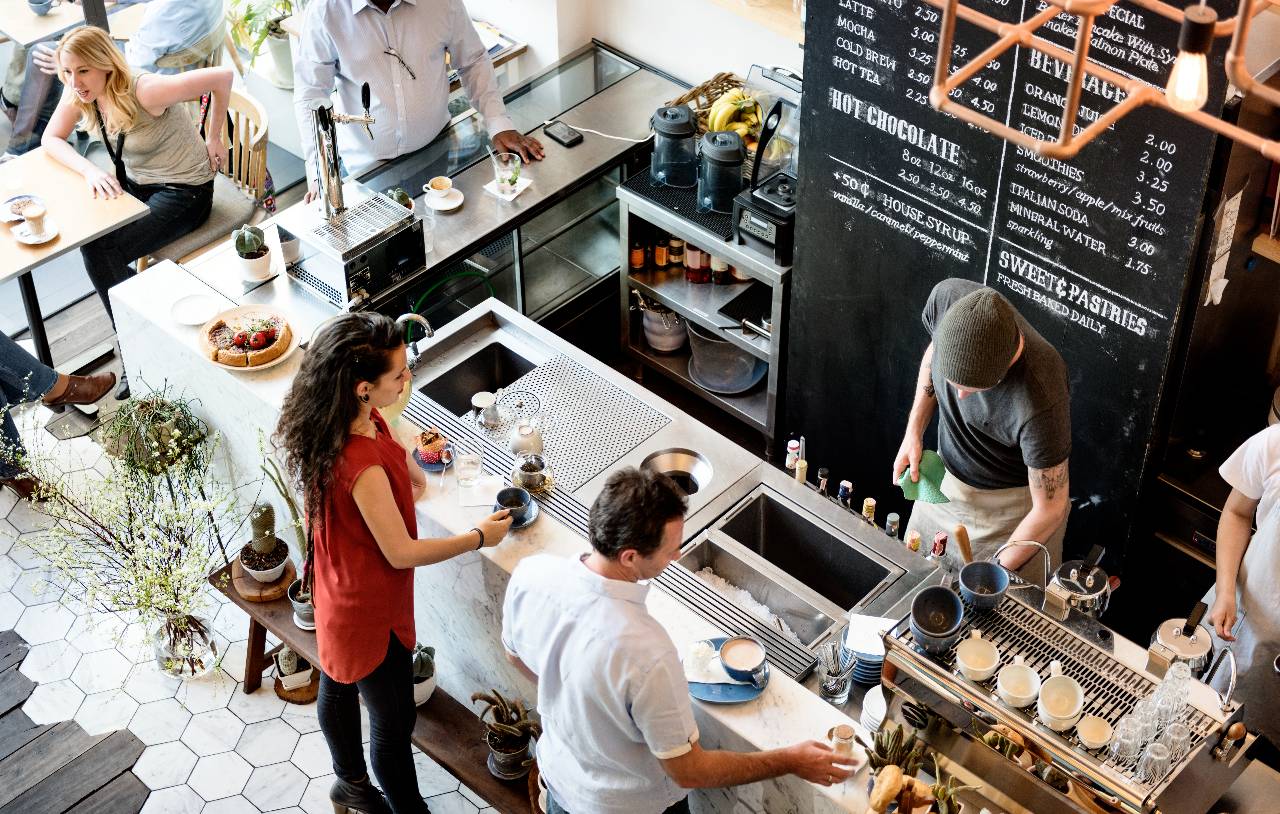
How Much Does It Cost to Open a Coffee Shop in 2026?
Opening a coffee shop in 2026 requires careful cost planning across rent, equipment, labor, technology, menu strategy, marketing, and sustainability.
operations
May 15, 2026
Opening a coffee shop in 2026 requires careful cost planning across rent, equipment, labor, technology, menu strategy, marketing, and sustainability.
May 15, 2026
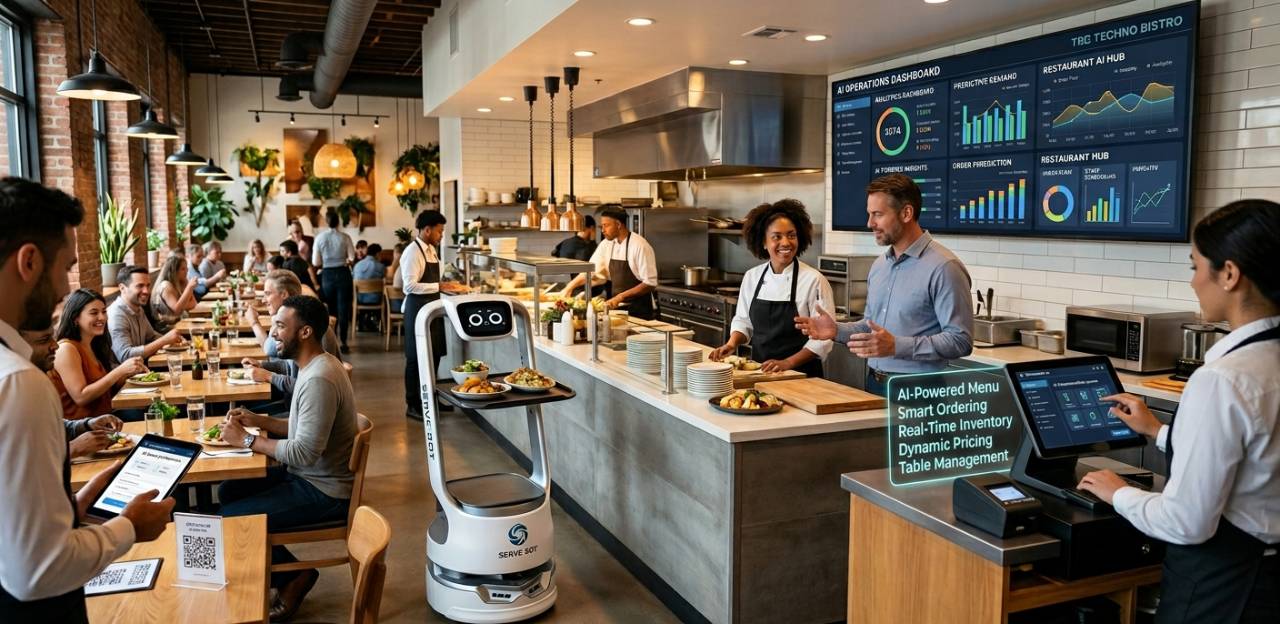
This AI playbook covers restaurant tools for voice ordering, staffing, compliance, menu pricing, inventory, marketing, ChatGPT prompts, and SEO.
May 15, 2026
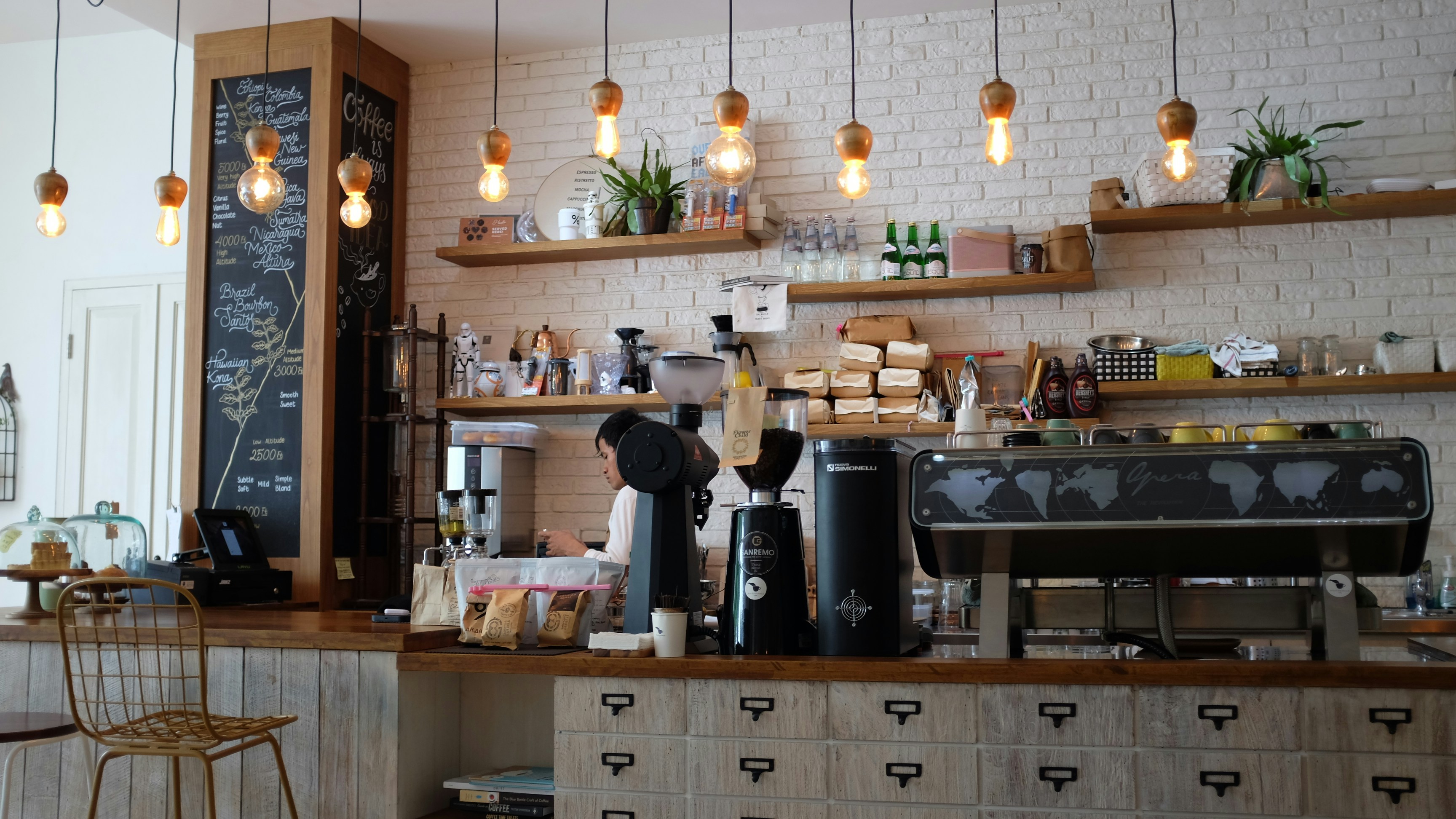
Hardee’s giant Boddie-Noell inks 31-unit Scooter’s Coffee deal for NC and VA, leveraging drive-thru growth and local roots with rollout over 12–18 months.
May 15, 2026
Wingstop turns match weeks into a multi-sensory festival, aligning bold pop-ups with World Cup energy to build brand affinity and measurable momentum.
May 15, 2026
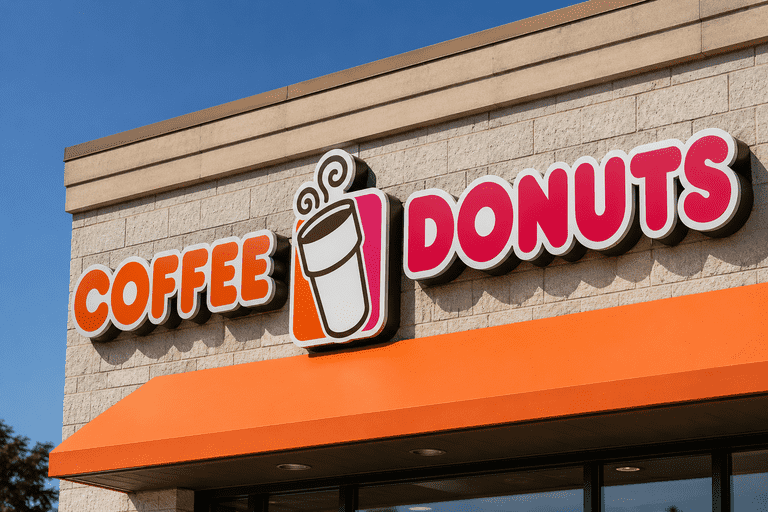
The parent company behind Dunkin', Buffalo Wild Wings, and Arby's has filed for an IPO a move that could reshape how Wall Street views the restaurant sector.
May 15, 2026

Learn how to develop a memorable restaurant brand identity that stands out in a crowded market, attracts loyal customers, and drives repeat business with actionable strategies and affordable tools.
May 15, 2026
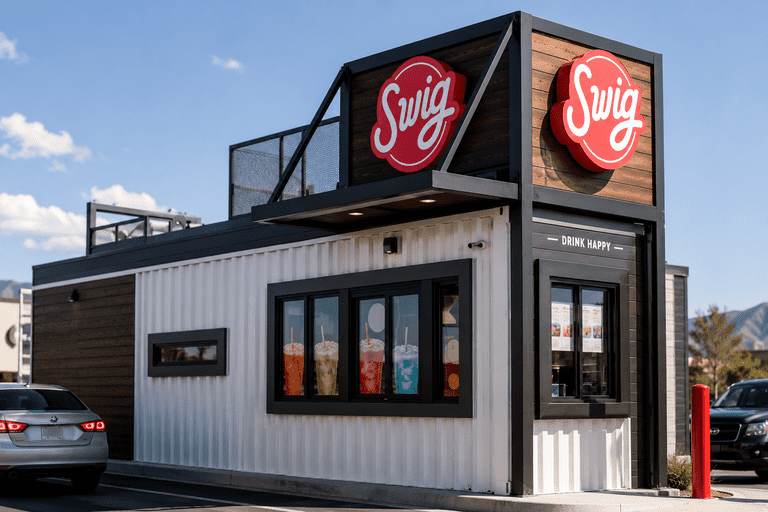
Dirty soda chain Swig is expanding into Colorado through a 10-unit franchise deal, riding a consumer beverage trend that's catching the attention of major QSR players nationwide.
May 15, 2026
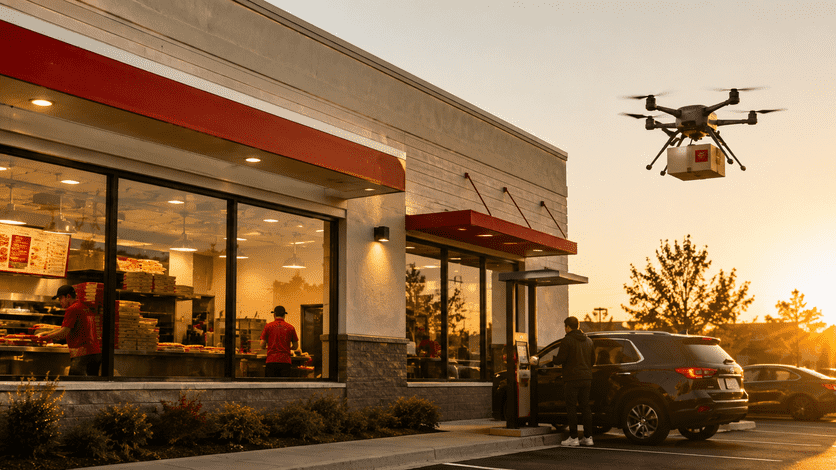
Papa Johns has teamed up with Alphabet's Wing for drone delivery of its new sandwich lineup in parts of Charlotte marking the first partnership of its kind between Wing and a national QSR brand.
May 15, 2026
A warm, expert-led look at McDonald’s Q1 results, menu makeover, and the refranchise question shaping its growth.
May 14, 2026
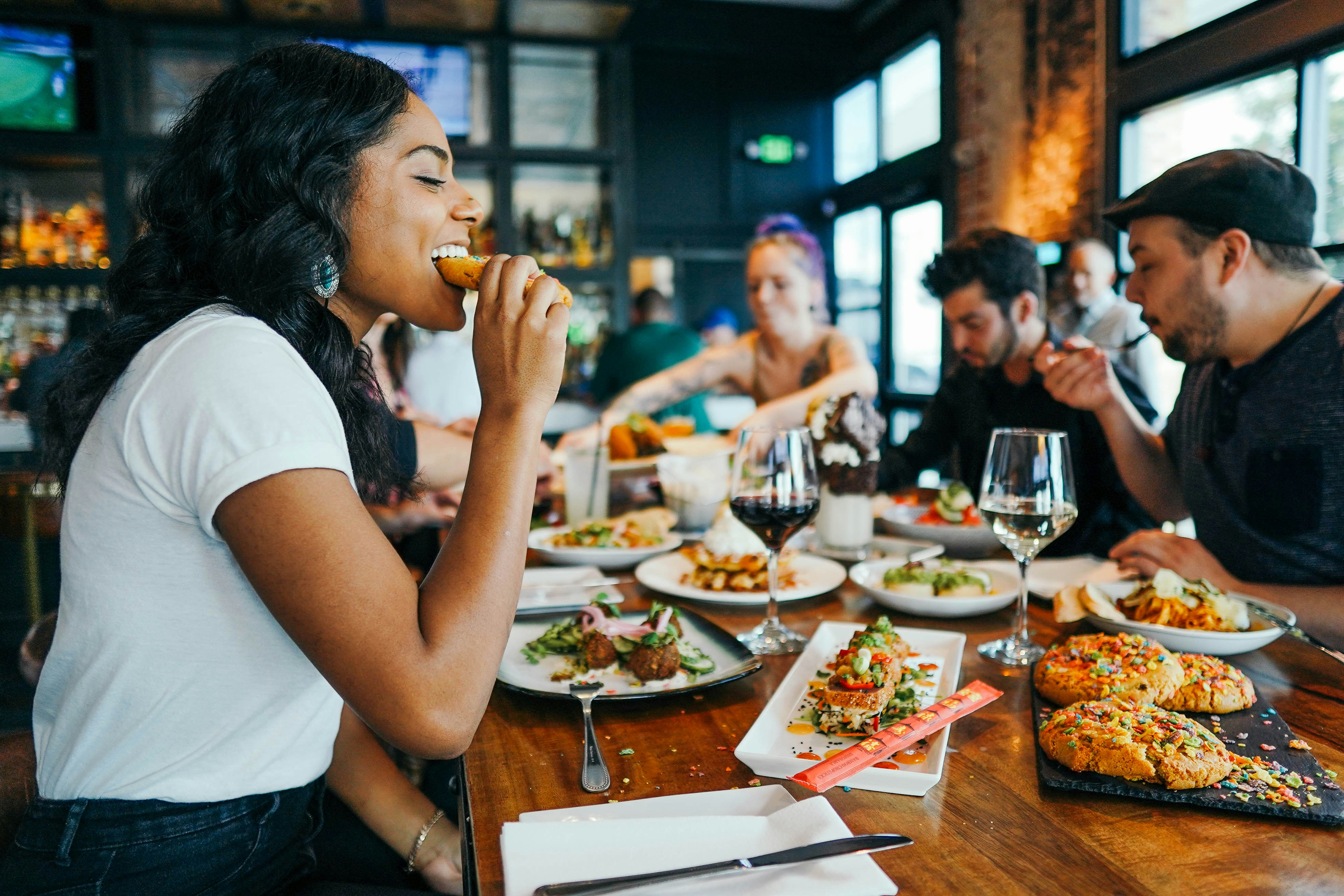
A reflective look at Habit Ranch, its immersive desert activation, and what it signals for brand loyalty and mindful, experiential dining.
May 14, 2026

Unlock Exclusive Access To Webinars, Events, And The Latest News For Free!
Discover how Starbucks is streamlining its support organization to prioritize in-store customer experience and operational efficiency.

Starbucks' CEO, Brian Niccol, has expressed the importance of re-evaluating and streamlining the support organization to eliminate inefficiencies. By reducing layers, unnecessary managerial roles, and focusing on core responsibilities, Starbucks aims to operate more efficiently and effectively.
Niccol highlighted the brand's efforts to enhance the in-store customer experience. Initiatives such as reintroducing the condiment bar, personalized cup writing, and a revised code of conduct aim to create a more welcoming atmosphere for patrons. By focusing on these aspects, Starbucks seeks to strengthen its connection with customers and drive loyalty.
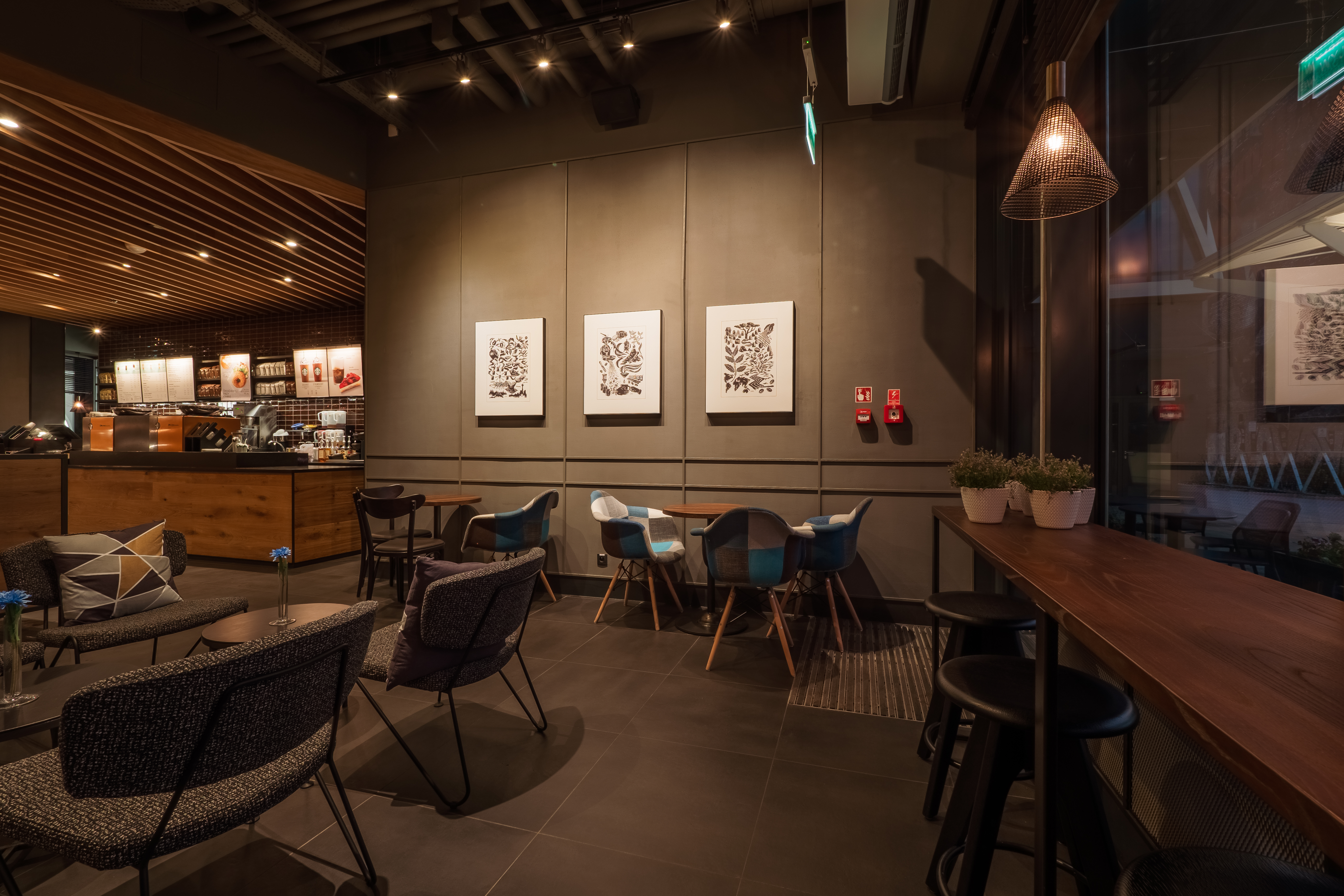
While the initial focus has been on U.S. and Canada stores, Starbucks plans to extend its transformation efforts globally. This expansion necessitates a review of support team roles, structures, and sizes worldwide. By aligning global support with the in-store experience, Starbucks aims to create a consistent brand image and operational standard across all locations.
.jpg)
Niccol's emphasis on accountability, priority clarification, and reduction of duplicated efforts highlights the company's commitment to operational efficiency. By making these strategic changes, Starbucks aims to streamline processes, reduce waste, and enhance overall performance within its support organization.
Acknowledging the challenges ahead, Niccol reassured partners of transparent communication regarding the restructuring process. Clear communication and openness about the changes aim to alleviate concerns among employees and stakeholders, fostering trust and collaboration during the transformation.
As Starbucks moves towards a leaner support structure and prioritizes in-store experience, the brand anticipates job eliminations and smaller support teams. However, these changes are aimed at driving long-term growth, improving customer satisfaction, and ensuring sustainable business operations.