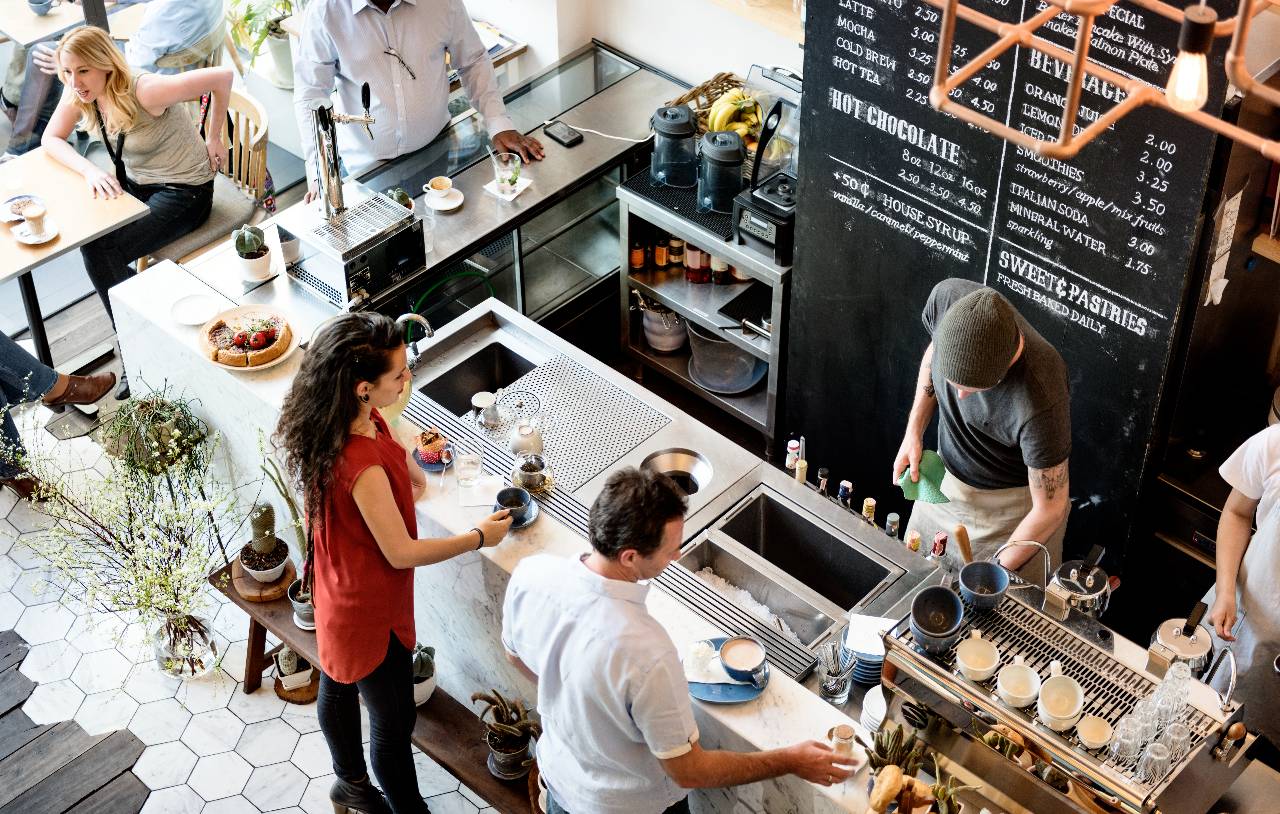
How Much Does It Cost to Open a Coffee Shop in 2026?
Opening a coffee shop in 2026 requires careful cost planning across rent, equipment, labor, technology, menu strategy, marketing, and sustainability.
operations
May 15, 2026
Opening a coffee shop in 2026 requires careful cost planning across rent, equipment, labor, technology, menu strategy, marketing, and sustainability.
May 15, 2026
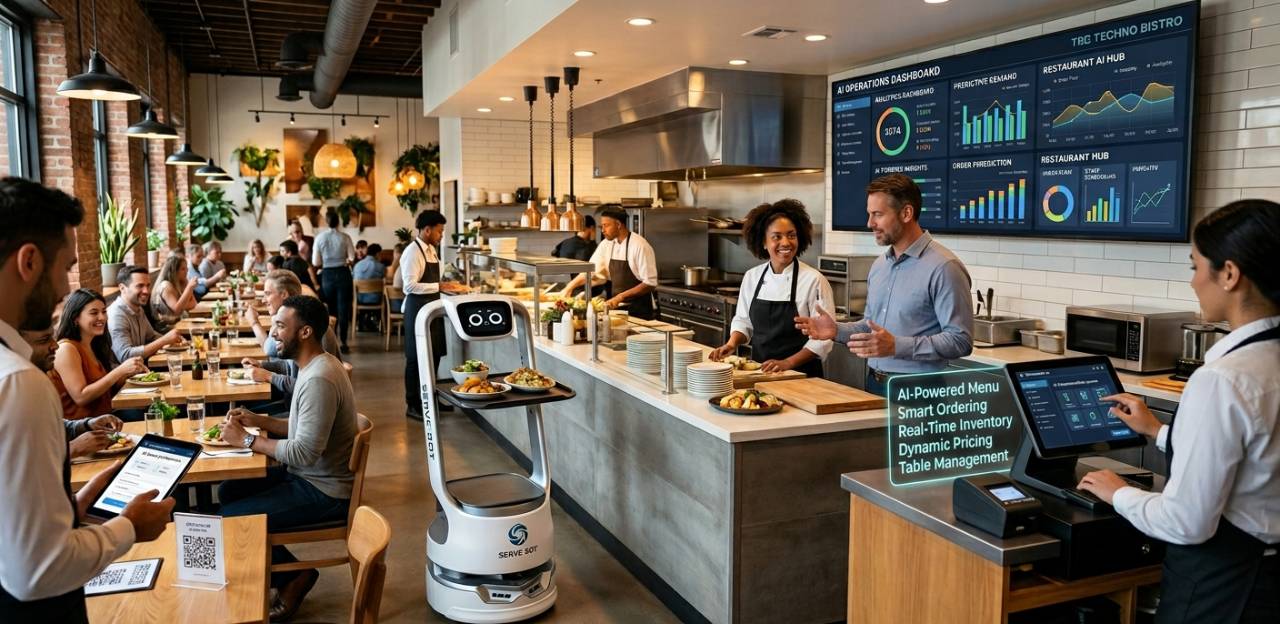
This AI playbook covers restaurant tools for voice ordering, staffing, compliance, menu pricing, inventory, marketing, ChatGPT prompts, and SEO.
May 15, 2026
Hardee’s giant Boddie-Noell inks 31-unit Scooter’s Coffee deal for NC and VA, leveraging drive-thru growth and local roots with rollout over 12–18 months.
May 15, 2026
Wingstop turns match weeks into a multi-sensory festival, aligning bold pop-ups with World Cup energy to build brand affinity and measurable momentum.
May 15, 2026
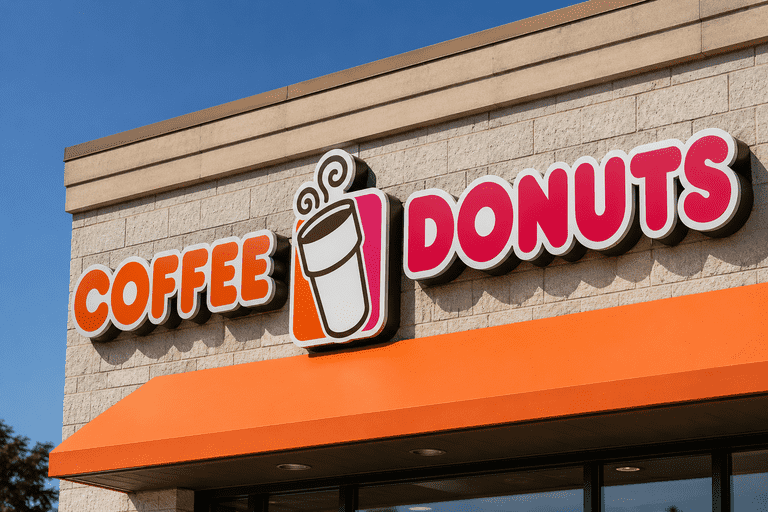
The parent company behind Dunkin', Buffalo Wild Wings, and Arby's has filed for an IPO a move that could reshape how Wall Street views the restaurant sector.
May 15, 2026
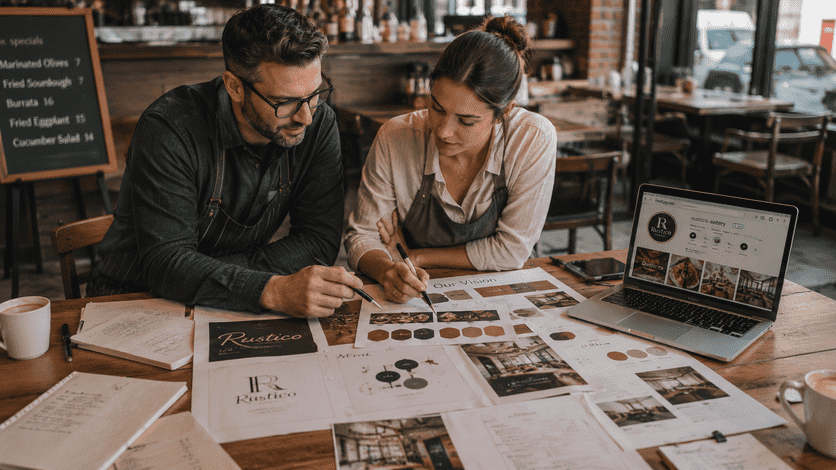
Learn how to develop a memorable restaurant brand identity that stands out in a crowded market, attracts loyal customers, and drives repeat business with actionable strategies and affordable tools.
May 15, 2026
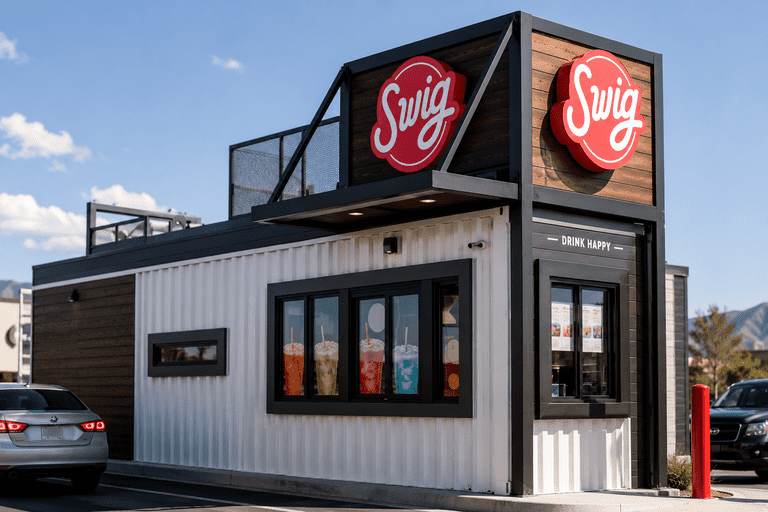
Dirty soda chain Swig is expanding into Colorado through a 10-unit franchise deal, riding a consumer beverage trend that's catching the attention of major QSR players nationwide.
May 15, 2026
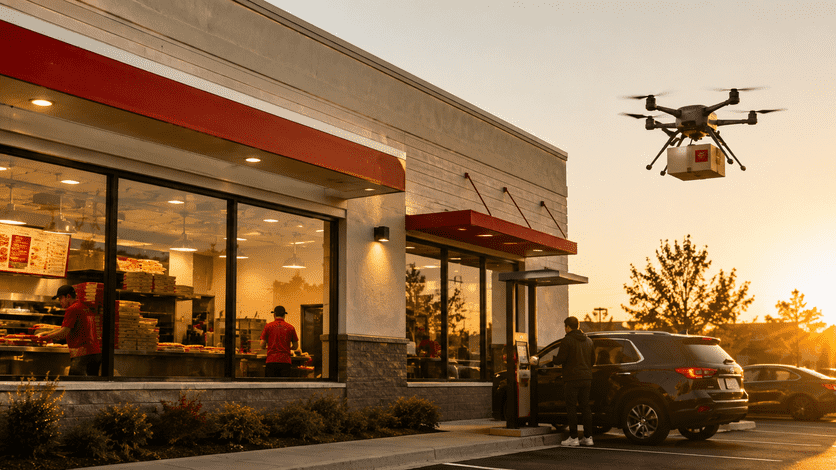
Papa Johns has teamed up with Alphabet's Wing for drone delivery of its new sandwich lineup in parts of Charlotte marking the first partnership of its kind between Wing and a national QSR brand.
May 15, 2026
A warm, expert-led look at McDonald’s Q1 results, menu makeover, and the refranchise question shaping its growth.
May 14, 2026
A reflective look at Habit Ranch, its immersive desert activation, and what it signals for brand loyalty and mindful, experiential dining.
May 14, 2026

Unlock Exclusive Access To Webinars, Events, And The Latest News For Free!
Explore how operational changes and financial restructuring can revitalize a struggling restaurant chain like Dine Brands. Learn about the role of brand management and franchise advisory councils in driving shareholder value.
Photo by Erik Mclean
Photo by Erik Mclean
Dine Brands, the parent company of well-known restaurant chains like Applebee’s and IHOP, has been facing significant operational and financial hurdles. With same-store traffic falling behind competitors and high-cost debt draining cash flow, the company found itself in a precarious position, prompting the need for urgent structural changes.

Photo by Erik Mclean
One of the key recommendations put forth by stakeholders, including activist investor Edge, is the refinancing of $500 million in debt. By freeing up cash through this process, Dine Brands can reallocate resources towards modernization and operational enhancements. Suspending or redirecting the annual dividend of $30 million aims to support these modernization efforts, ensuring that the company can invest in its future growth.
In light of the challenges faced by Dine Brands, the importance of brand management cannot be overstated. The proposal to consider divesting non-core assets, such as Fuzzy’s Taco Shop, underscores the need to sharpen the company's brand focus. By streamlining operations and focusing on core competencies, Dine can enhance brand relevance and restore credibility in the market.
As part of the proposed initiatives, establishing a franchisee advisory council with incentives linked to performance metrics can provide crucial insights for Dine Brands. By incorporating the expertise of directors with deep restaurant operations and franchise finance knowledge, the company can benefit from strategic guidance tailored to the specific needs of franchisees. This collaborative approach can foster stronger relationships with franchise partners and drive operational excellence.

Photo by Erik Mclean
While Dine Brands faces challenges, the success stories of Applebee’s and IHOP offer a glimpse of hope. Innovations such as developing new restaurant prototypes, expanding co-branded locations, and focusing on value plays and menu enhancements have propelled these brands forward. By leveraging these strategies and implementing proactive changes, Dine Brands can emulate this success and chart a path to recovery.

Photo by Erik Mclean
As Dine Brands navigates the recommendations for financial repair, brand revitalization, and operational improvements, the road ahead is filled with opportunities for transformation. By embracing change in leadership, execution, and capital allocation, the company can position itself for long-term success. The proposed actions outlined by stakeholders present a clear, actionable path towards restoring credibility, brand relevance, and shareholder value.