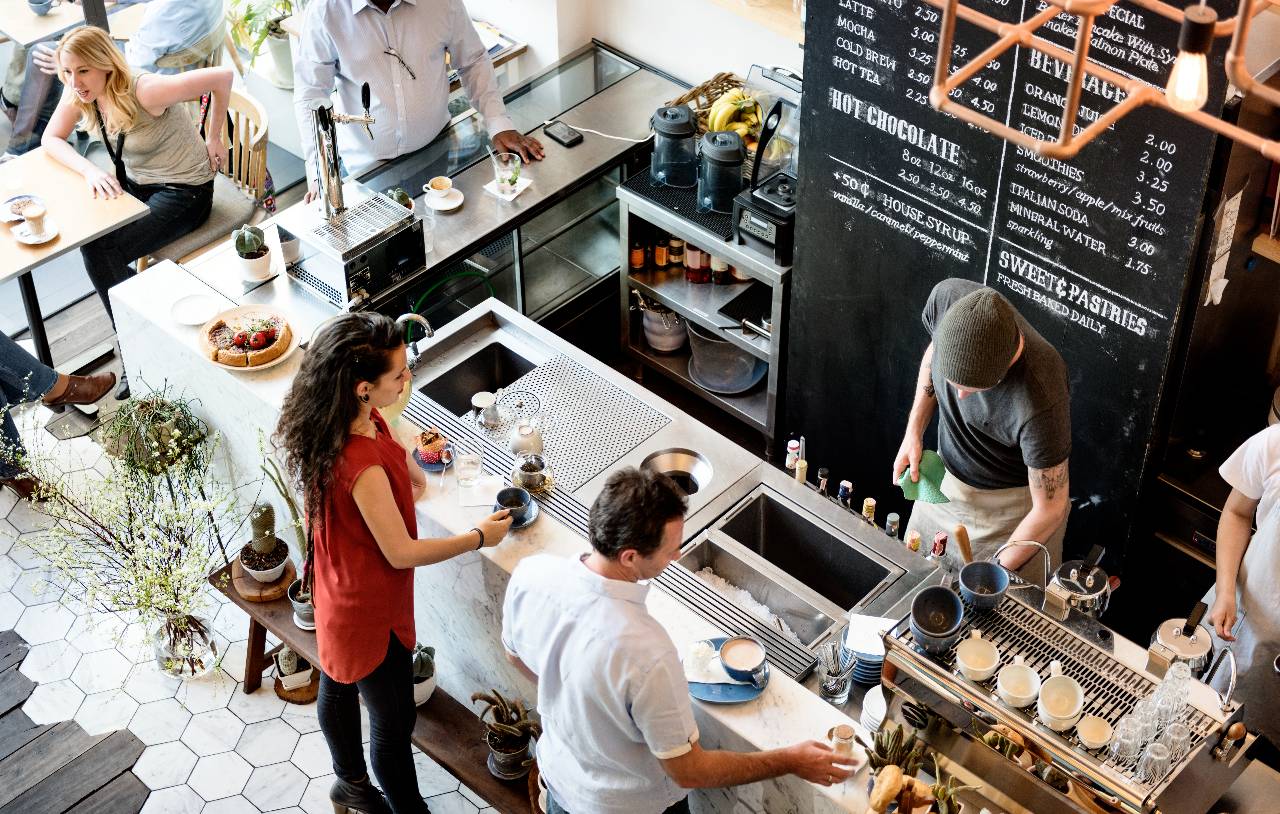
How Much Does It Cost to Open a Coffee Shop in 2026?
Opening a coffee shop in 2026 requires careful cost planning across rent, equipment, labor, technology, menu strategy, marketing, and sustainability.
operations
May 15, 2026
Opening a coffee shop in 2026 requires careful cost planning across rent, equipment, labor, technology, menu strategy, marketing, and sustainability.
May 15, 2026
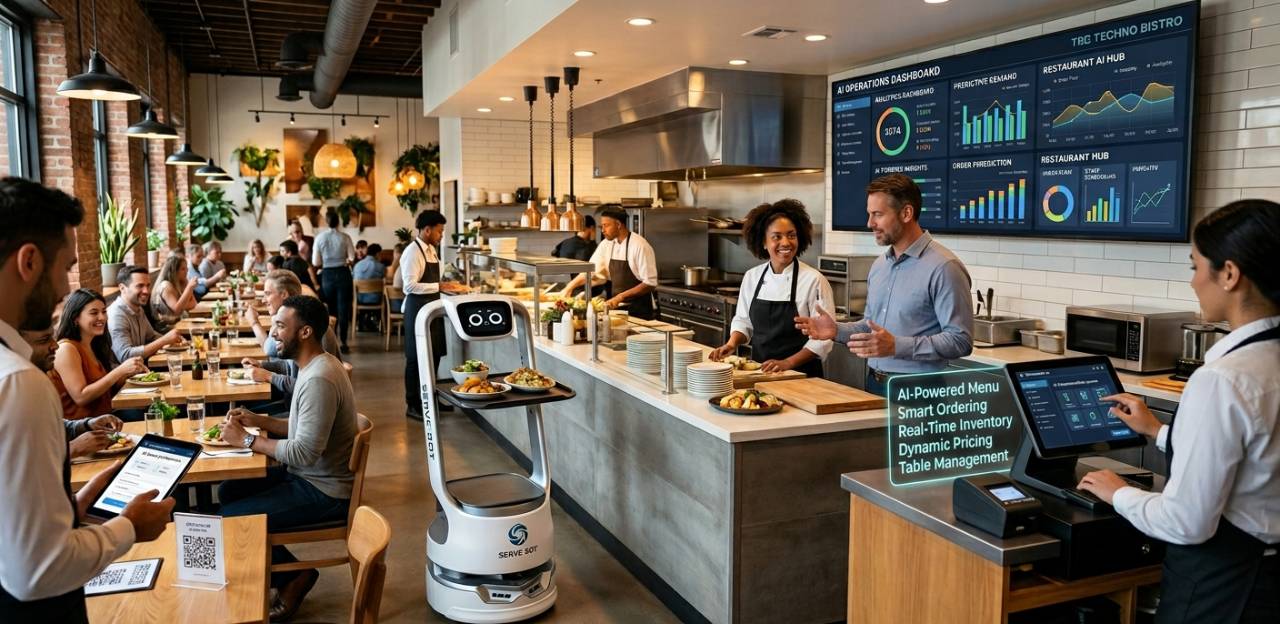
This AI playbook covers restaurant tools for voice ordering, staffing, compliance, menu pricing, inventory, marketing, ChatGPT prompts, and SEO.
May 15, 2026
Hardee’s giant Boddie-Noell inks 31-unit Scooter’s Coffee deal for NC and VA, leveraging drive-thru growth and local roots with rollout over 12–18 months.
May 15, 2026
Wingstop turns match weeks into a multi-sensory festival, aligning bold pop-ups with World Cup energy to build brand affinity and measurable momentum.
May 15, 2026
The parent company behind Dunkin', Buffalo Wild Wings, and Arby's has filed for an IPO a move that could reshape how Wall Street views the restaurant sector.
May 15, 2026
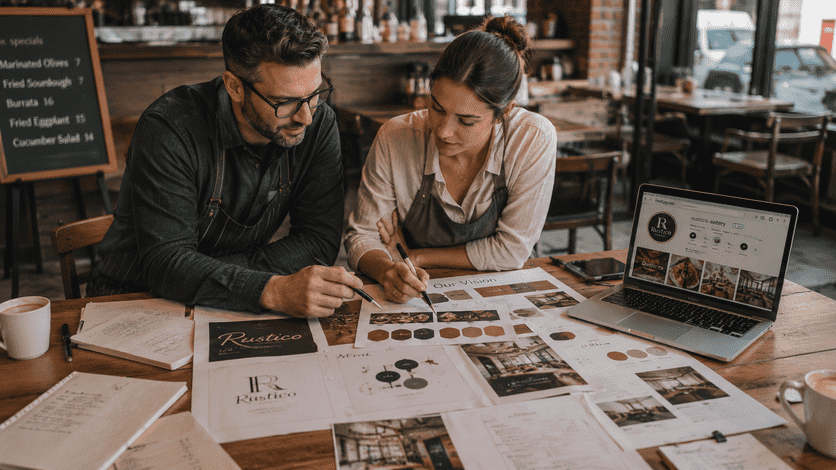
Learn how to develop a memorable restaurant brand identity that stands out in a crowded market, attracts loyal customers, and drives repeat business with actionable strategies and affordable tools.
May 15, 2026
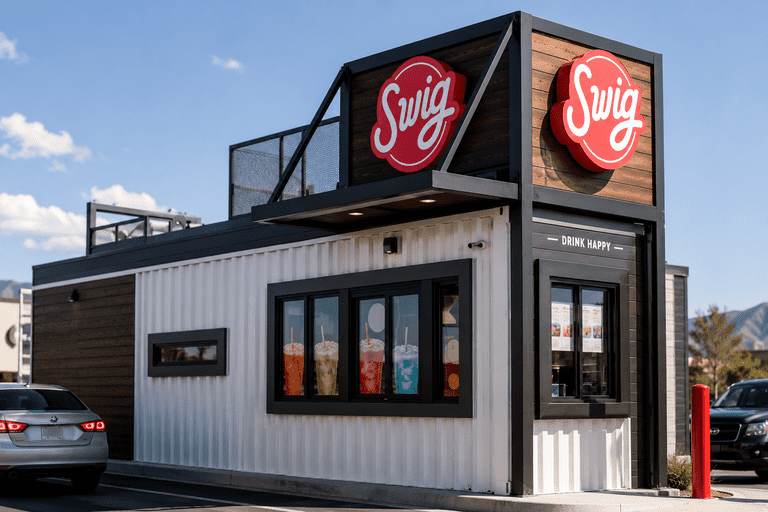
Dirty soda chain Swig is expanding into Colorado through a 10-unit franchise deal, riding a consumer beverage trend that's catching the attention of major QSR players nationwide.
May 15, 2026
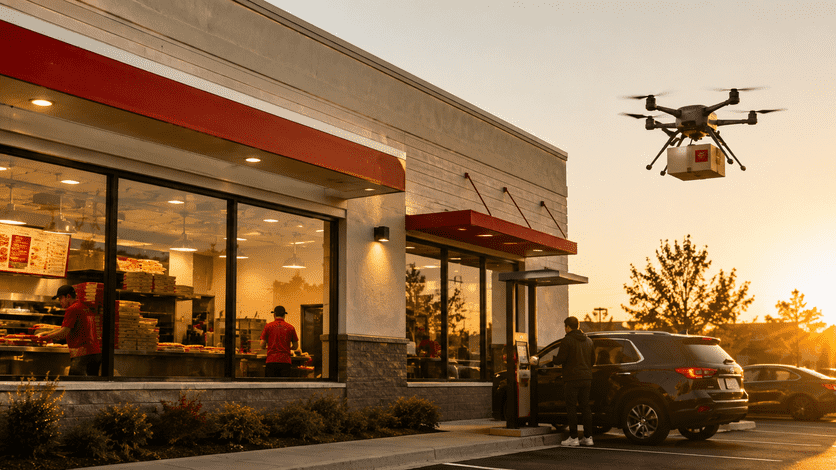
Papa Johns has teamed up with Alphabet's Wing for drone delivery of its new sandwich lineup in parts of Charlotte marking the first partnership of its kind between Wing and a national QSR brand.
May 15, 2026
A warm, expert-led look at McDonald’s Q1 results, menu makeover, and the refranchise question shaping its growth.
May 14, 2026
A reflective look at Habit Ranch, its immersive desert activation, and what it signals for brand loyalty and mindful, experiential dining.
May 14, 2026

Unlock Exclusive Access To Webinars, Events, And The Latest News For Free!
Explore how restaurant chains navigate challenges through refranchising, balance sheet strengthening, and operational reevaluations.
Photo by LaRon Rosser
In response to a projected drop in same-store sales, Red Robin has embarked on a strategic refranchising initiative to bolster its balance sheet and alleviate financial burdens. By transferring ownership of certain locations to franchisees, the company aims to reduce its long-term debt and lease liabilities. This approach allows Red Robin to optimize its capital structure, potentially paving the way for future refinancing opportunities.
With the refranchising plan, Red Robin anticipates transitioning to a model where approximately 65% to 75% of its stores are company-operated. This shift signifies a strategic balance between company-owned and franchised locations, aiming to capitalize on the strengths of both models. By divesting underperforming units and optimizing the portfolio mix, the chain seeks to enhance operational efficiency and overall performance.
In line with its operational restructuring, Red Robin is evaluating closure options for underperforming units, potentially leading to the shuttering of up to 70 locations over the next five years. This strategic move underscores the brand's commitment to optimizing its store portfolio and focusing resources on high-performing establishments. By streamlining its footprint, Red Robin aims to enhance profitability and streamline operations.
Through collaborative efforts with Brookwood Associates, Red Robin is launching targeted marketing campaigns to attract experienced operators into its franchise network. By leveraging the expertise of proven operators, the brand aims to enhance operational excellence and drive growth across its franchise system. This emphasis on strategic partnerships and marketing initiatives underscores Red Robin's commitment to revitalizing its brand presence and expanding its reach.
In a bid to streamline operations and improve cost efficiency, Red Robin is actively working towards reducing corporate expenses by $10 million annually. While specific details of these cost-saving measures remain limited, the overarching goal is to optimize operational processes and drive profitability. By identifying areas for improvement and implementing streamlined practices, the company seeks to fortify its financial position and enhance overall performance.
Apart from operational restructuring, Red Robin is focusing on enhancing customer experience through innovative promotions and updated design features. The introduction of the 'First Choice' program, alongside offerings like the 'Big Yum Deal,' underscores the brand's commitment to providing value-driven menu options to consumers. By aligning with competitive pricing strategies and customer preferences, Red Robin aims to differentiate itself in a crowded market and drive customer loyalty.