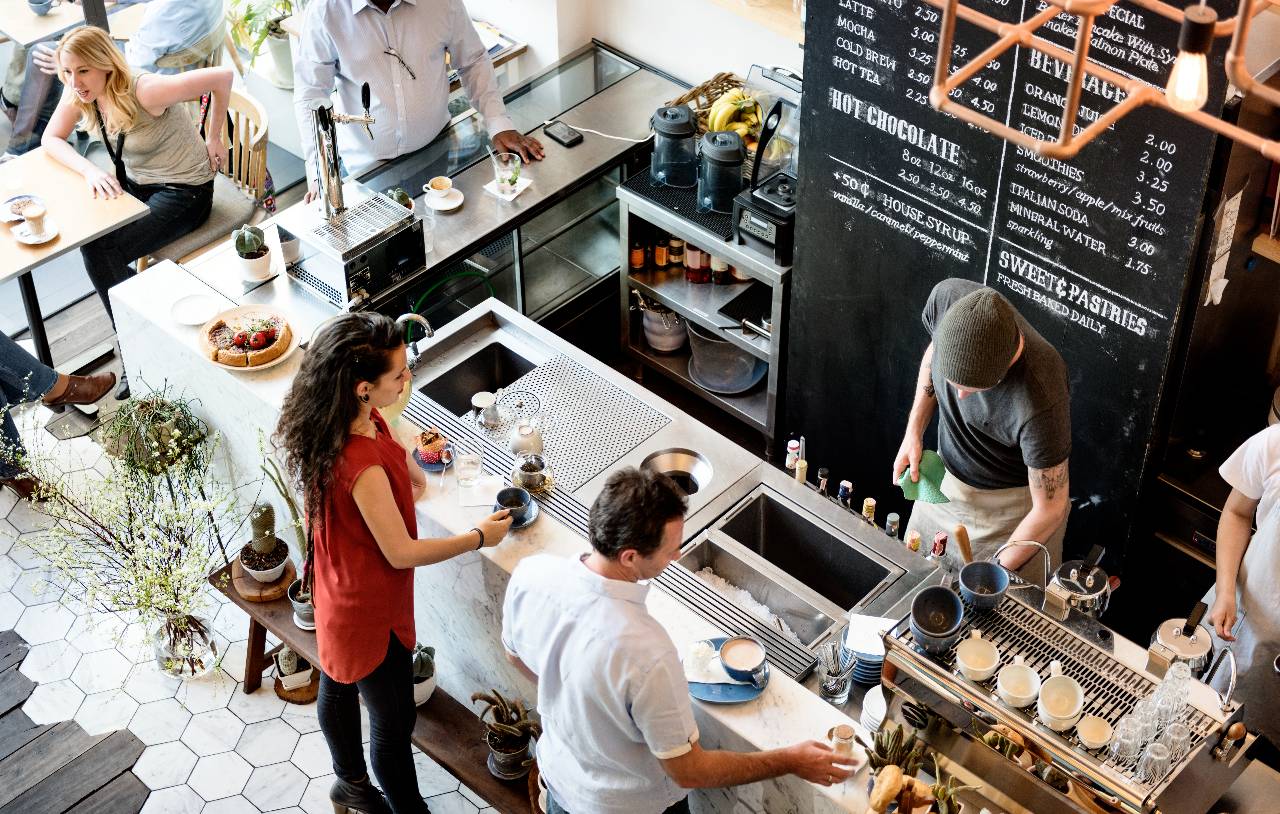
How Much Does It Cost to Open a Coffee Shop in 2026?
Opening a coffee shop in 2026 requires careful cost planning across rent, equipment, labor, technology, menu strategy, marketing, and sustainability.
operations
May 15, 2026
Opening a coffee shop in 2026 requires careful cost planning across rent, equipment, labor, technology, menu strategy, marketing, and sustainability.
May 15, 2026
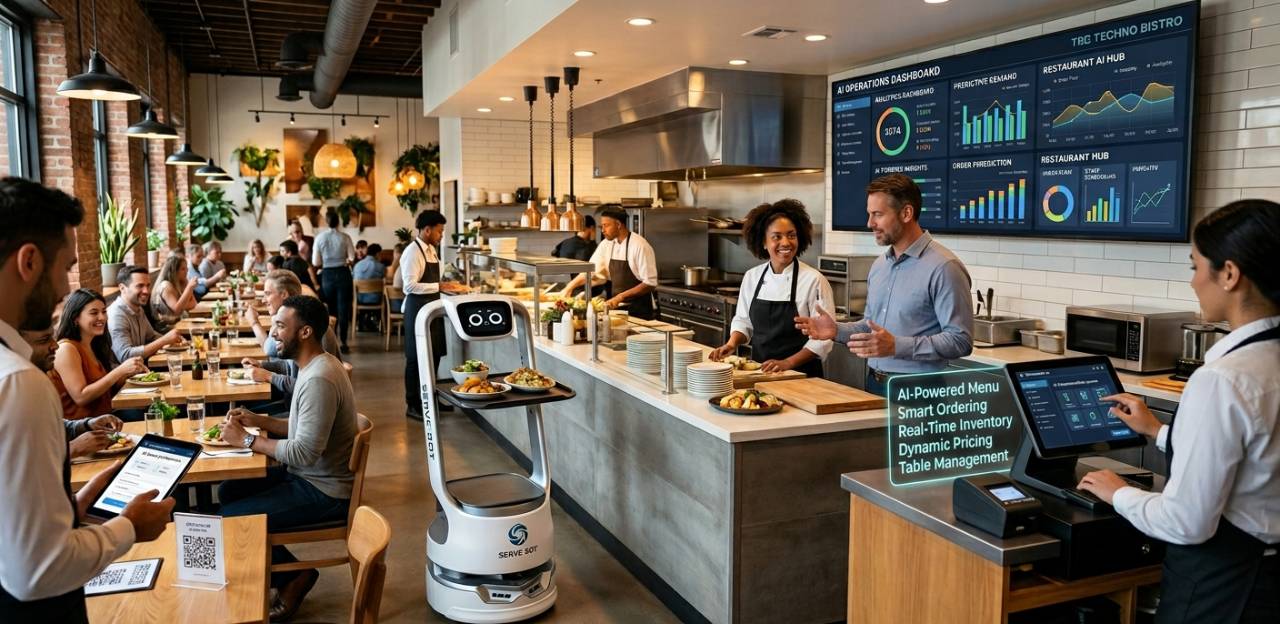
This AI playbook covers restaurant tools for voice ordering, staffing, compliance, menu pricing, inventory, marketing, ChatGPT prompts, and SEO.
May 15, 2026
Hardee’s giant Boddie-Noell inks 31-unit Scooter’s Coffee deal for NC and VA, leveraging drive-thru growth and local roots with rollout over 12–18 months.
May 15, 2026
Wingstop turns match weeks into a multi-sensory festival, aligning bold pop-ups with World Cup energy to build brand affinity and measurable momentum.
May 15, 2026
The parent company behind Dunkin', Buffalo Wild Wings, and Arby's has filed for an IPO a move that could reshape how Wall Street views the restaurant sector.
May 15, 2026
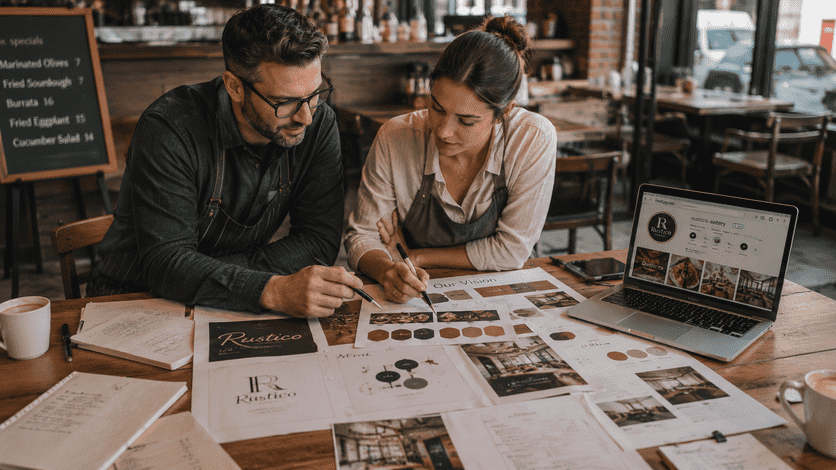
Learn how to develop a memorable restaurant brand identity that stands out in a crowded market, attracts loyal customers, and drives repeat business with actionable strategies and affordable tools.
May 15, 2026
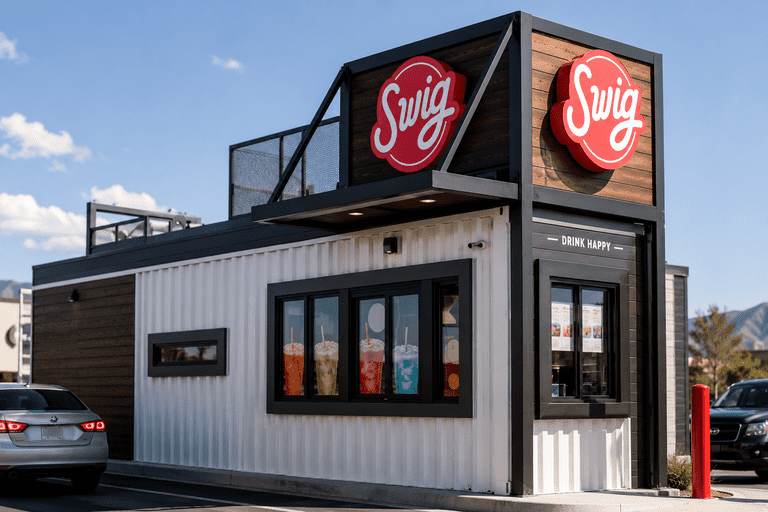
Dirty soda chain Swig is expanding into Colorado through a 10-unit franchise deal, riding a consumer beverage trend that's catching the attention of major QSR players nationwide.
May 15, 2026
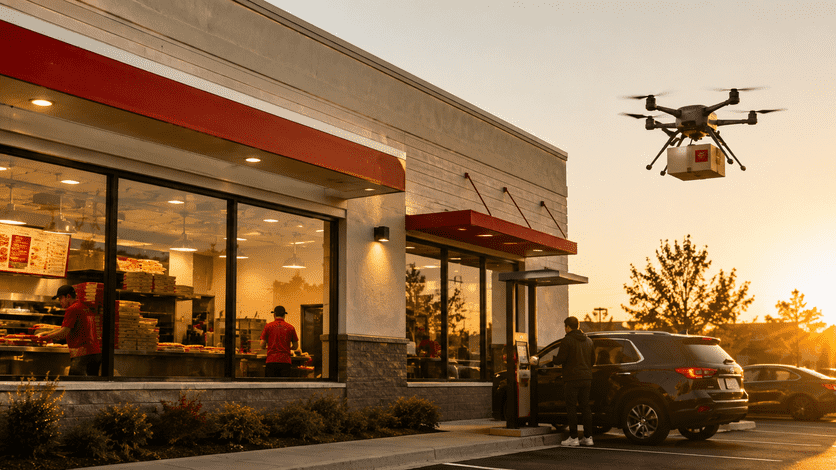
Papa Johns has teamed up with Alphabet's Wing for drone delivery of its new sandwich lineup in parts of Charlotte marking the first partnership of its kind between Wing and a national QSR brand.
May 15, 2026
A warm, expert-led look at McDonald’s Q1 results, menu makeover, and the refranchise question shaping its growth.
May 14, 2026
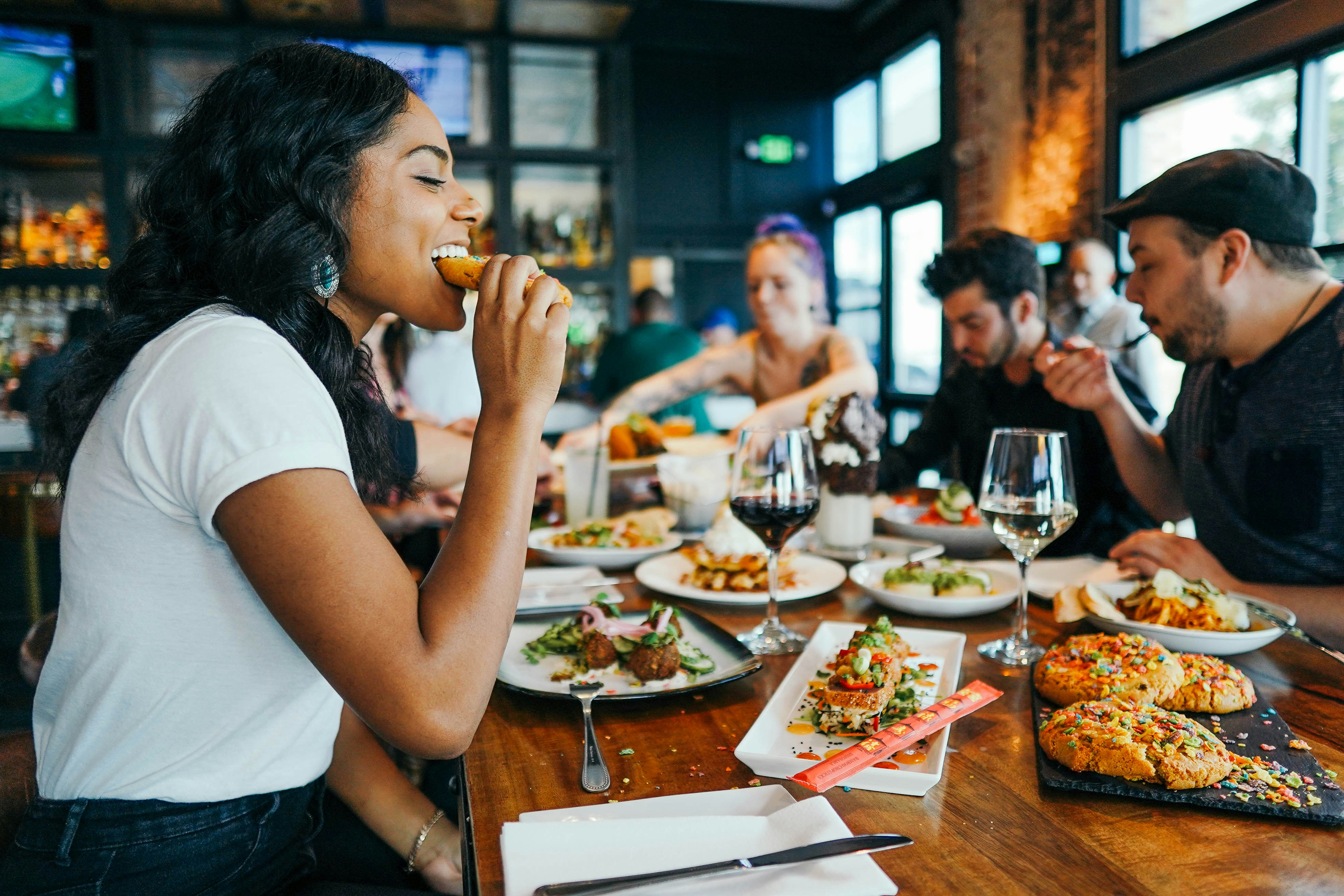
A reflective look at Habit Ranch, its immersive desert activation, and what it signals for brand loyalty and mindful, experiential dining.
May 14, 2026

Unlock Exclusive Access To Webinars, Events, And The Latest News For Free!
Learn how restaurant groups enhance operational efficiency, differentiate brands, integrate technology, and navigate acquisitions for success.
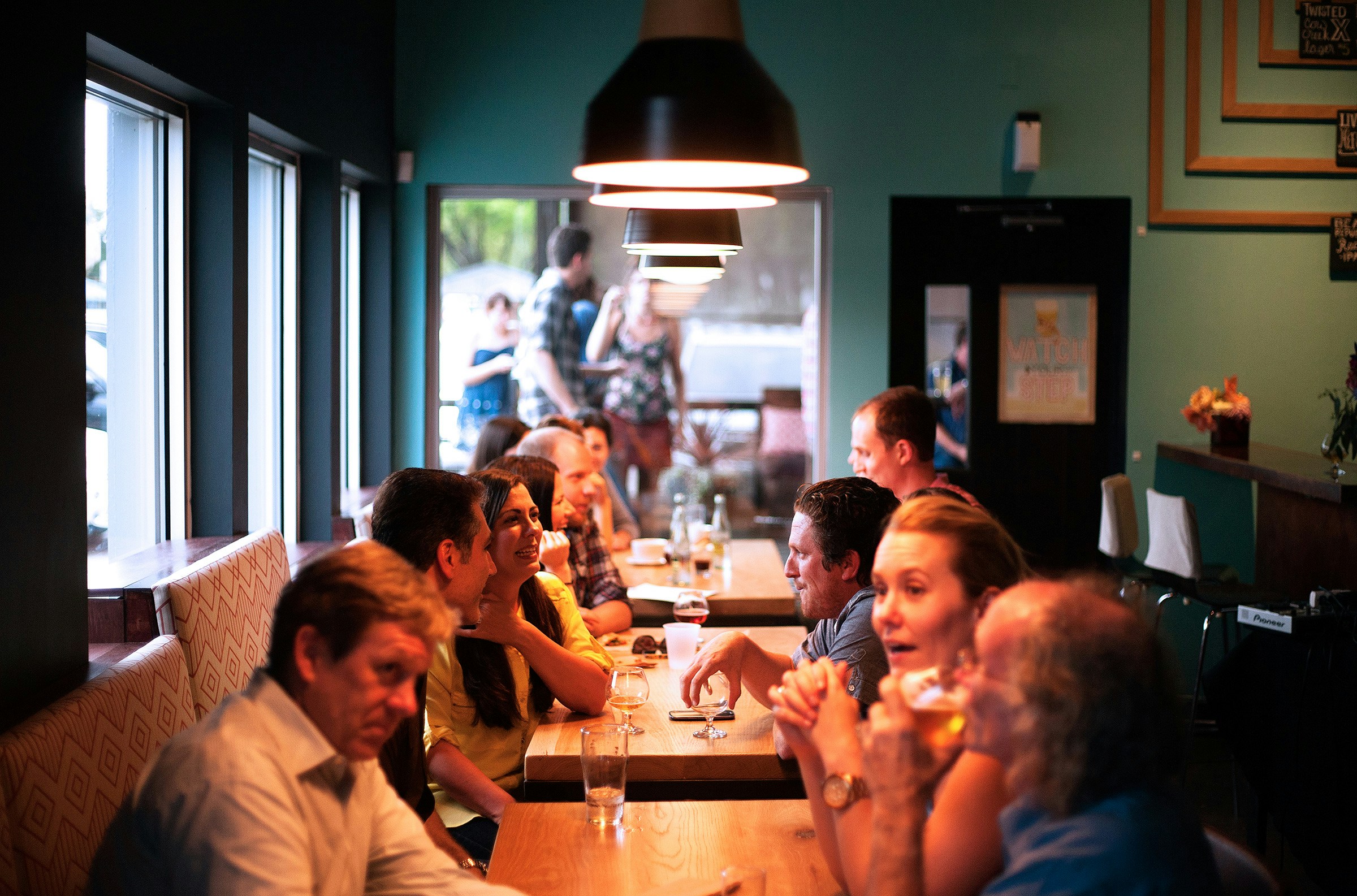
Photo by Kevin Curtis
In the realm of restaurant management, brand differentiation is paramount to stand out in a crowded market. Restaurant groups, like Brix Holdings, understand the importance of maintaining unique characteristics above the surface while streamlining operations below it. By aligning brand-specific employees with key departments such as menu offerings, restaurant design, and service models, restaurant groups can ensure a consistent and distinctive guest experience. This approach allows establishments to create memorable interactions with customers, fostering loyalty and repeat visits.

Photo by Kevin Curtis
The integration of technology plays a pivotal role in enhancing operational efficiency for restaurant groups. Companies like Powerhouse Dynamics facilitate advanced IoT solutions that connect various devices, enabling real-time monitoring and data analysis. By automating processes such as temperature tracking in ovens and equipment performance, restaurant operators can significantly reduce administrative burdens and optimize resource utilization. Such technological advancements not only streamline operations but also improve overall service quality, leading to enhanced customer satisfaction.
Strategic acquisitions are instrumental in the growth and diversification of restaurant groups. Companies, such as FAT Brands, strategically acquire proven brands with established market presence to expand their portfolio and capitalize on synergies. By targeting franchise brands known for scalability and independent operation, restaurant groups can broaden their market share and cater to diverse consumer preferences. The successful integration of acquired chains into existing portfolios requires meticulous planning and alignment to maintain overall brand cohesion and operational efficiency.
Financial vigilance and investment in human capital are essential components of effective restaurant management. Operators, as emphasized by industry leaders like Andy Wiederhorn, must meticulously track daily financial metrics, including revenue and operational costs, to make informed decisions and address issues promptly. Additionally, prioritizing employee well-being, reducing turnover rates, and fostering a culture of care and connection can enhance team loyalty and operational performance. Investing in personnel development and training contributes to a positive work environment and ultimately elevates customer experiences.
Understanding customer preferences and tailoring experiences across brands is key to engaging today's diverse consumer base. By leveraging insights from various segments, restaurant groups, like Brix Holdings, can create personalized menu offerings and innovative experiences that resonate with customers. Recognizing the importance of different occasions and guest needs enables restaurant operators to adapt their service models and menu strategies dynamically. This customer-centric approach fosters brand loyalty and sets the stage for sustained growth and success in the competitive restaurant industry.