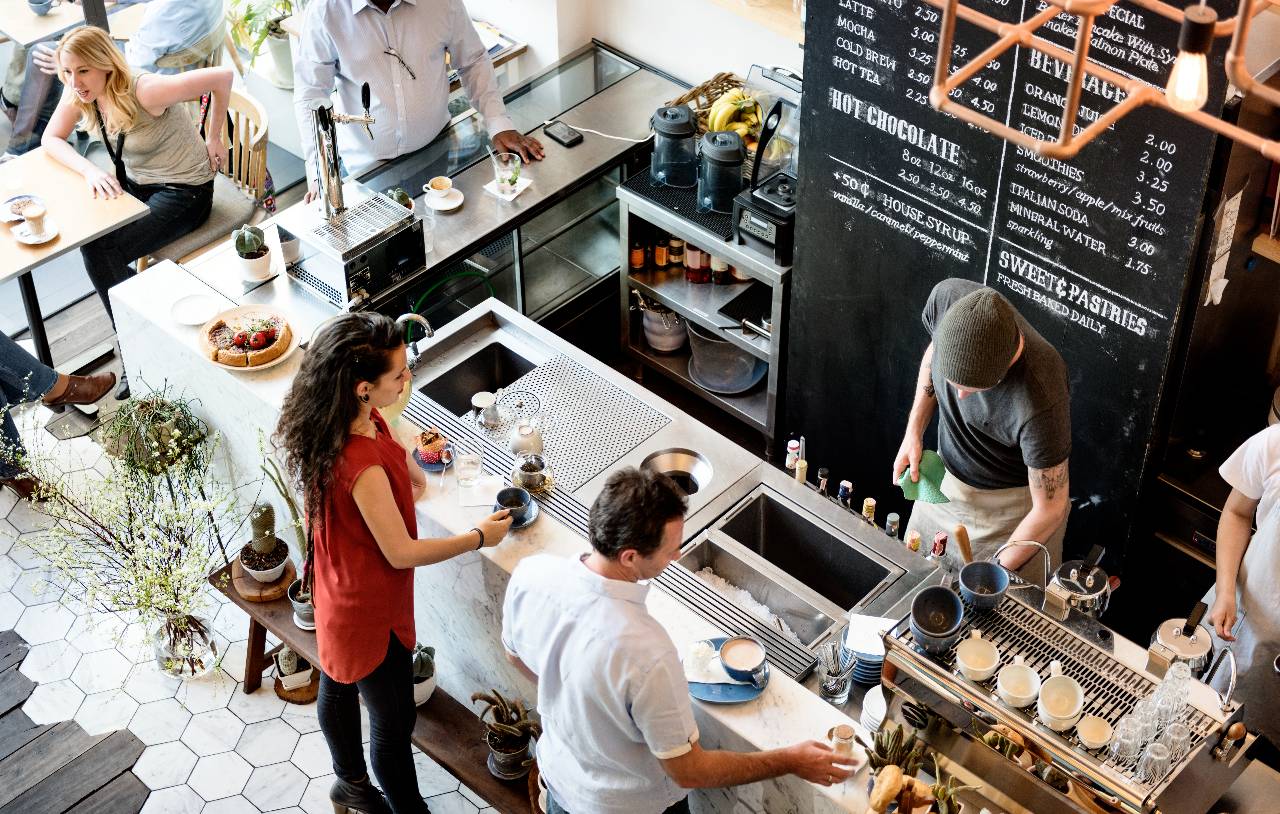
How Much Does It Cost to Open a Coffee Shop in 2026?
Opening a coffee shop in 2026 requires careful cost planning across rent, equipment, labor, technology, menu strategy, marketing, and sustainability.
operations
May 15, 2026
Opening a coffee shop in 2026 requires careful cost planning across rent, equipment, labor, technology, menu strategy, marketing, and sustainability.
May 15, 2026
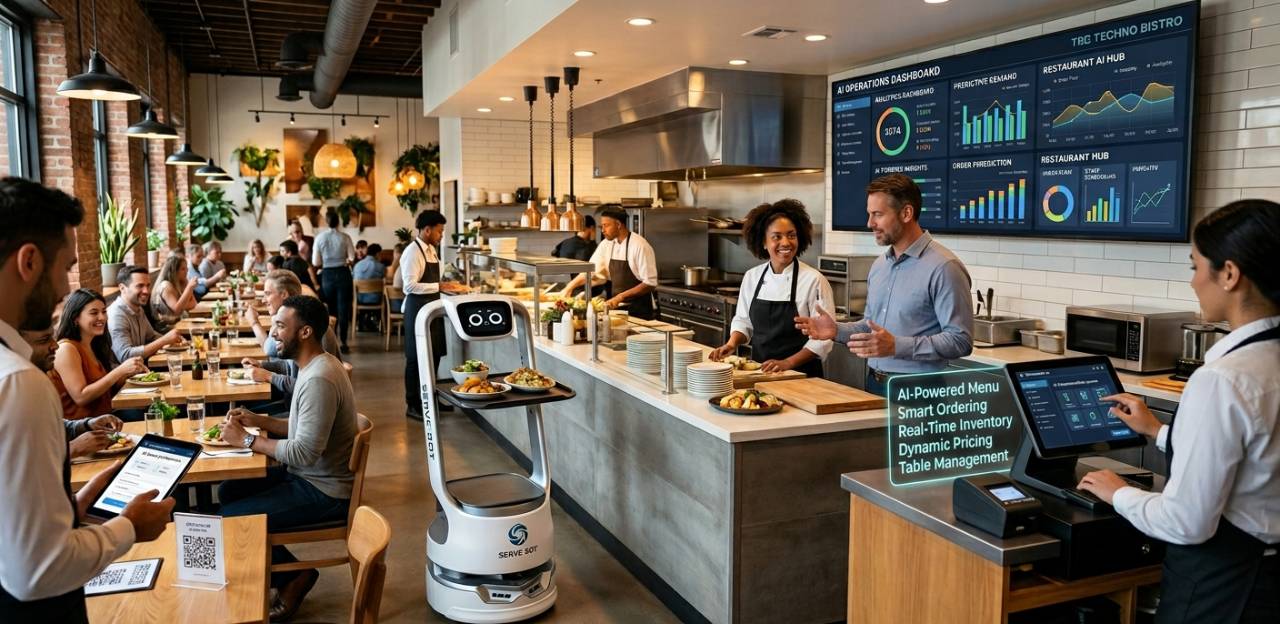
This AI playbook covers restaurant tools for voice ordering, staffing, compliance, menu pricing, inventory, marketing, ChatGPT prompts, and SEO.
May 15, 2026
Hardee’s giant Boddie-Noell inks 31-unit Scooter’s Coffee deal for NC and VA, leveraging drive-thru growth and local roots with rollout over 12–18 months.
May 15, 2026
Wingstop turns match weeks into a multi-sensory festival, aligning bold pop-ups with World Cup energy to build brand affinity and measurable momentum.
May 15, 2026
The parent company behind Dunkin', Buffalo Wild Wings, and Arby's has filed for an IPO a move that could reshape how Wall Street views the restaurant sector.
May 15, 2026
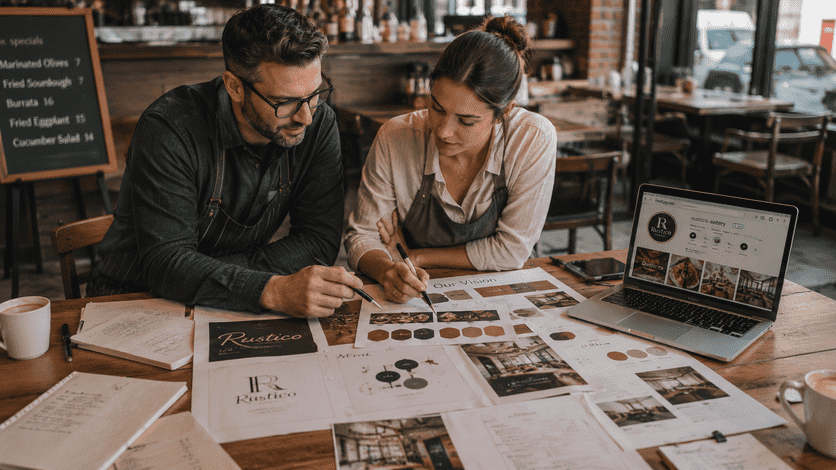
Learn how to develop a memorable restaurant brand identity that stands out in a crowded market, attracts loyal customers, and drives repeat business with actionable strategies and affordable tools.
May 15, 2026
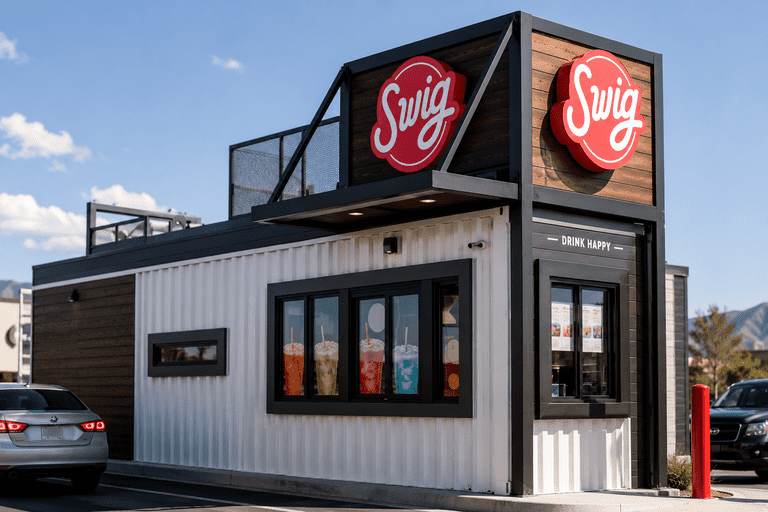
Dirty soda chain Swig is expanding into Colorado through a 10-unit franchise deal, riding a consumer beverage trend that's catching the attention of major QSR players nationwide.
May 15, 2026
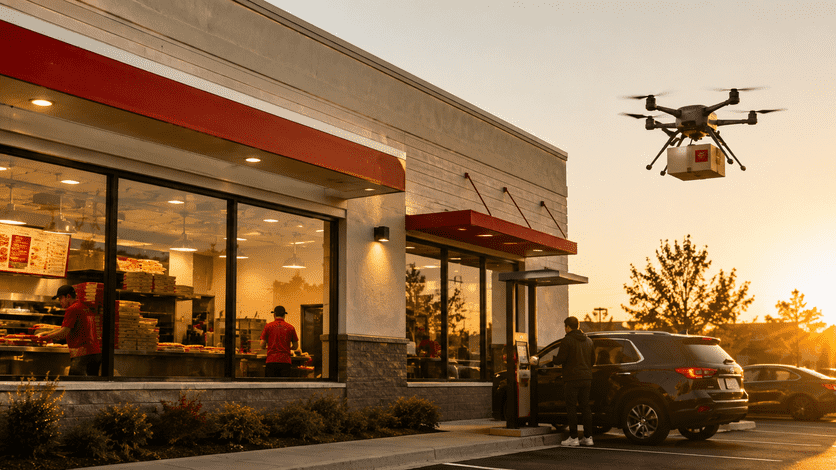
Papa Johns has teamed up with Alphabet's Wing for drone delivery of its new sandwich lineup in parts of Charlotte marking the first partnership of its kind between Wing and a national QSR brand.
May 15, 2026
A warm, expert-led look at McDonald’s Q1 results, menu makeover, and the refranchise question shaping its growth.
May 14, 2026
A reflective look at Habit Ranch, its immersive desert activation, and what it signals for brand loyalty and mindful, experiential dining.
May 14, 2026

Unlock Exclusive Access To Webinars, Events, And The Latest News For Free!
Explore how Jack in the Box is optimizing operations, enhancing growth strategies, and securing franchise deals to navigate through challenging times.

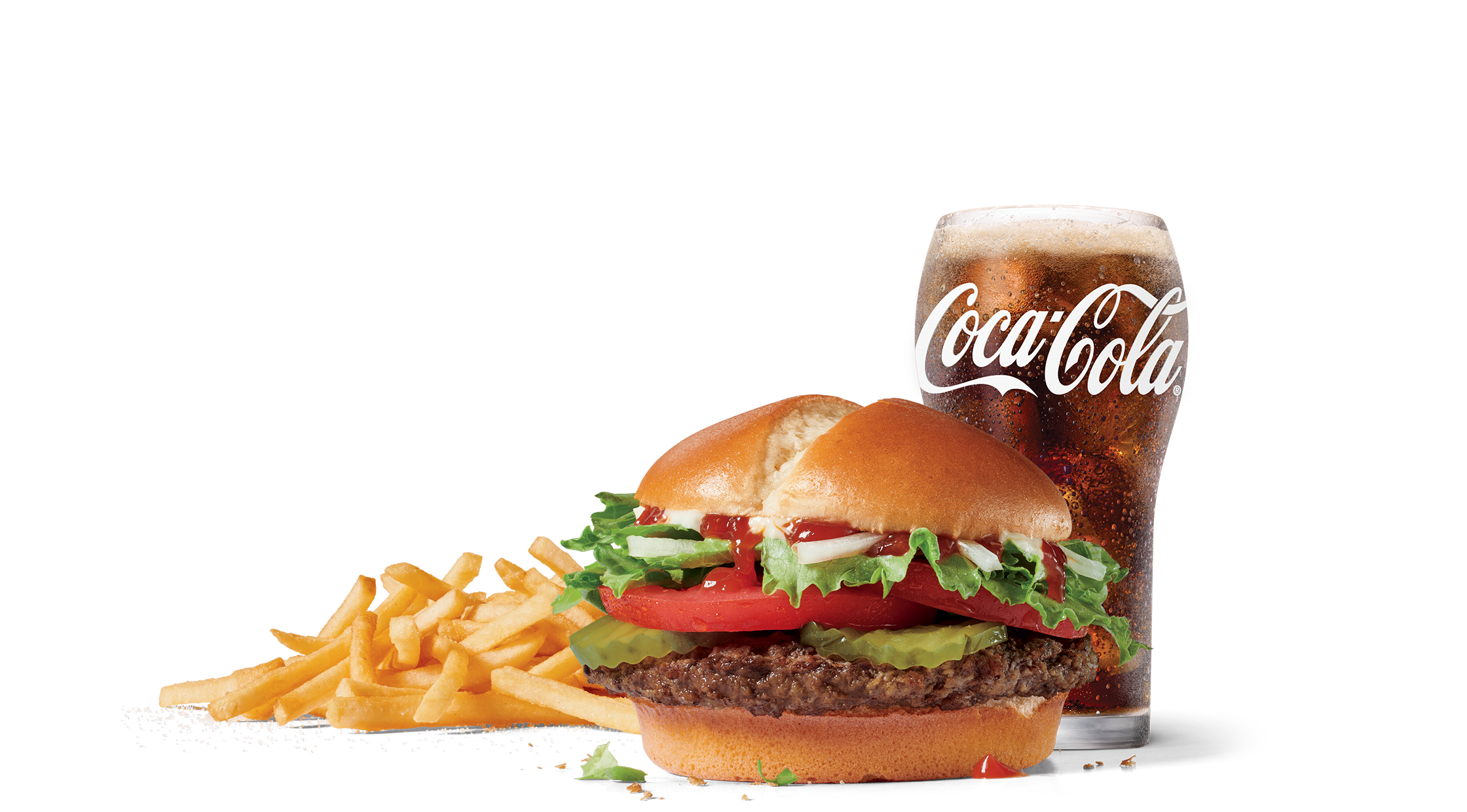
Jack in the Box's decision to close a substantial number of stores, many of which have been in their system for over 30 years, is a strategic move aimed at paving the way for future unit growth. By consolidating their operations and optimizing store locations, the company is streamlining its resources to focus on more profitable ventures. This restructuring aligns with the company's vision of delivering consistent and positive net unit growth in the coming years.
While trimming spending on company-owned restaurant development may appear as a setback, Jack in the Box is adapting its development strategies to prioritize existing restaurant updates over new openings. This shift in focus indicates a commitment to enhancing customer experience and operational efficiency in established locations before embarking on new expansions. It showcases a prudent approach to sustaining growth and ensuring long-term success.
The decision to pull back on expansion plans following the store closures underscores the brand's responsiveness to market conditions and financial considerations. Despite this adjustment, Jack in the Box remains resilient and forward-thinking. By strategically reevaluating their expansion initiatives and focusing on emerging markets that offer whitespace opportunities, the company aims to lay a foundation for sustainable growth in the future.
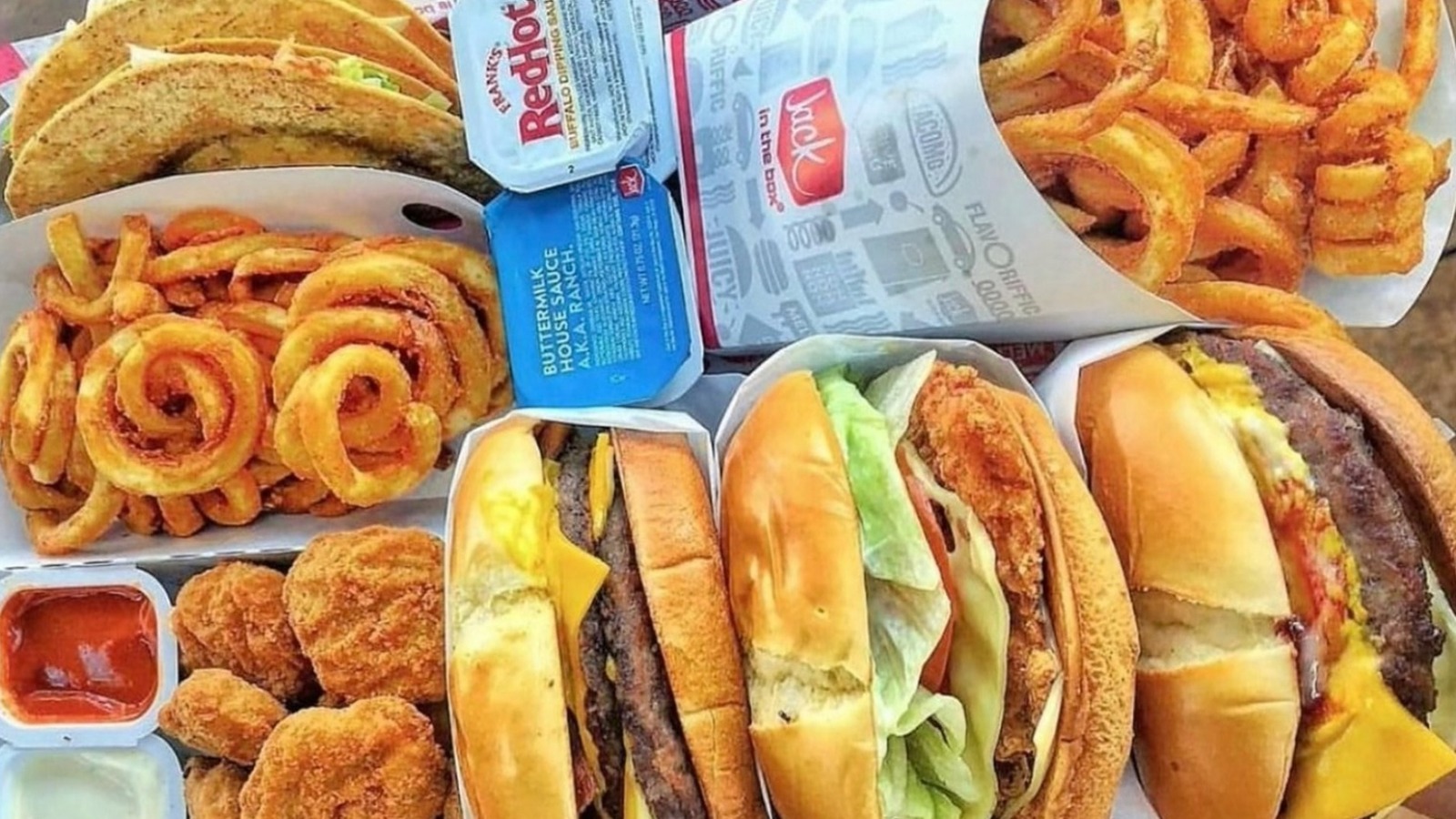
Jack in the Box's success in securing major franchisee deals highlights the effectiveness of its franchising program relaunch. By partnering with franchisees for multi-market expansions, the company is leveraging external resources and expertise to drive growth and market penetration. These franchise agreements not only expand the brand's footprint but also distribute operational responsibilities, allowing Jack in the Box to concentrate on core strategies and innovations.
In a bid to strengthen its financial position, Jack in the Box is selling off unspecified real estate holdings to improve cash flow and reduce debt. This strategic move aims to enhance liquidity and create additional room for investment in key growth areas. By optimizing its real estate portfolio, the company is bolstering its financial resilience and ensuring a more sustainable financial structure for future endeavors.
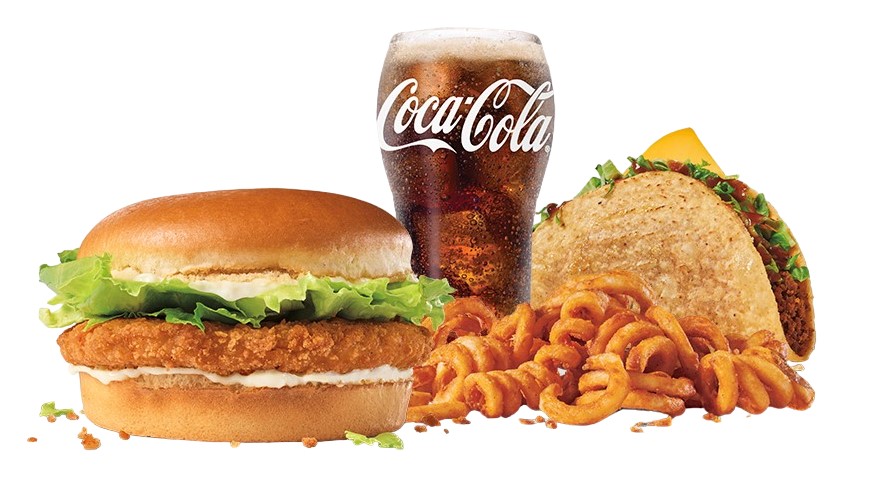
The disclosure of a drop in same-store sales for Jack in the Box and Del Taco underscores the challenging operating environment faced by the company. Despite these hurdles, Jack in the Box's proactive measures, including store closures and operational adjustments, demonstrate resilience and adaptability in the face of adversity. The company's ability to assess performance transparently and make strategic decisions reflects its commitment to long-term success and sustainability.