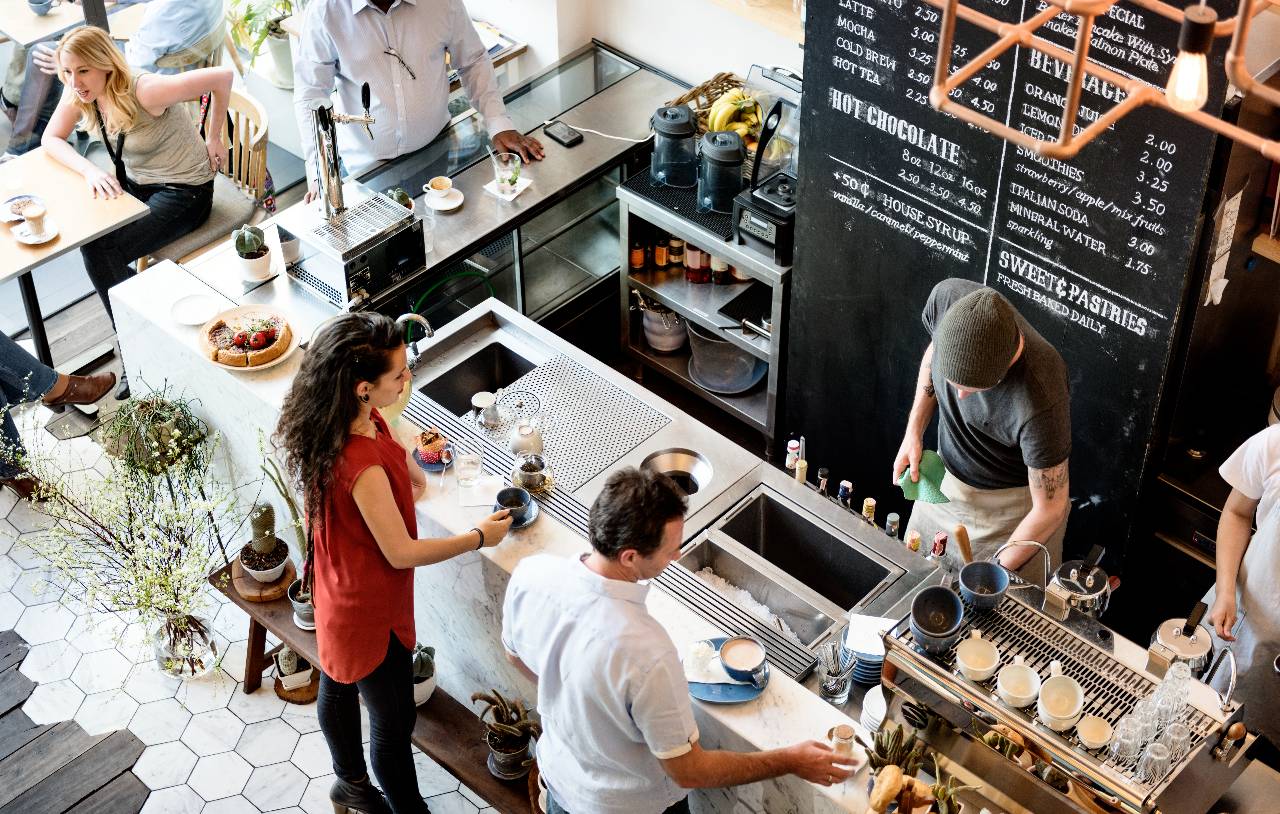
How Much Does It Cost to Open a Coffee Shop in 2026?
Opening a coffee shop in 2026 requires careful cost planning across rent, equipment, labor, technology, menu strategy, marketing, and sustainability.
operations
May 15, 2026
Opening a coffee shop in 2026 requires careful cost planning across rent, equipment, labor, technology, menu strategy, marketing, and sustainability.
May 15, 2026
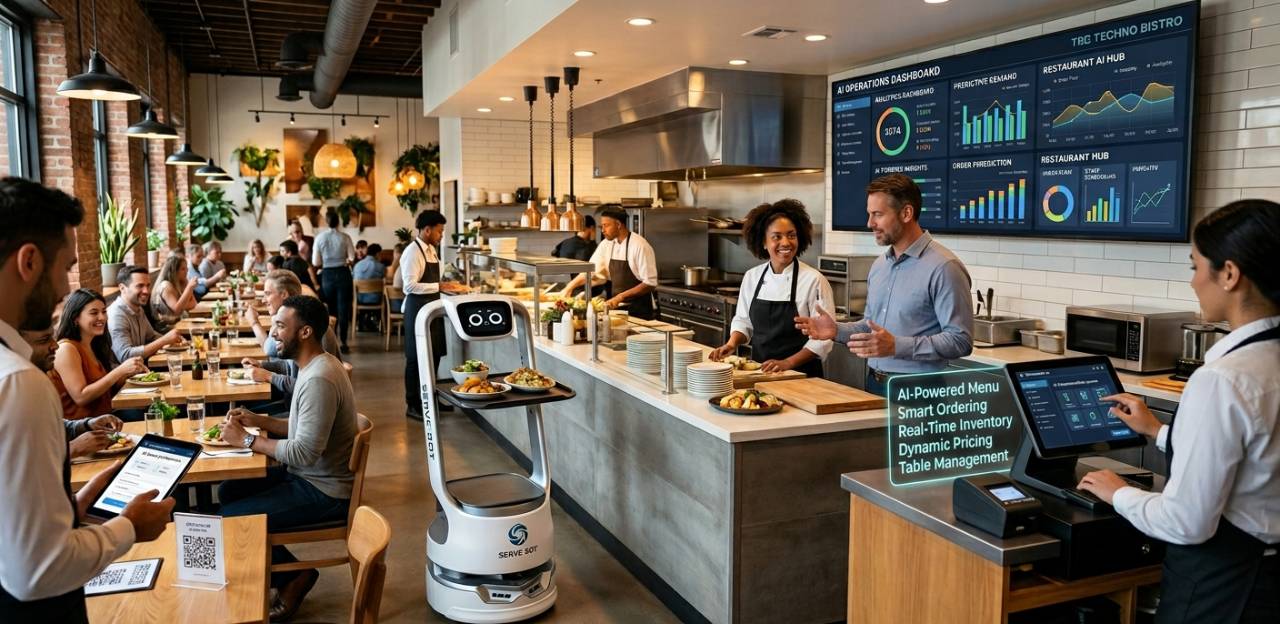
This AI playbook covers restaurant tools for voice ordering, staffing, compliance, menu pricing, inventory, marketing, ChatGPT prompts, and SEO.
May 15, 2026

Hardee’s giant Boddie-Noell inks 31-unit Scooter’s Coffee deal for NC and VA, leveraging drive-thru growth and local roots with rollout over 12–18 months.
May 15, 2026
Wingstop turns match weeks into a multi-sensory festival, aligning bold pop-ups with World Cup energy to build brand affinity and measurable momentum.
May 15, 2026
The parent company behind Dunkin', Buffalo Wild Wings, and Arby's has filed for an IPO a move that could reshape how Wall Street views the restaurant sector.
May 15, 2026

Learn how to develop a memorable restaurant brand identity that stands out in a crowded market, attracts loyal customers, and drives repeat business with actionable strategies and affordable tools.
May 15, 2026
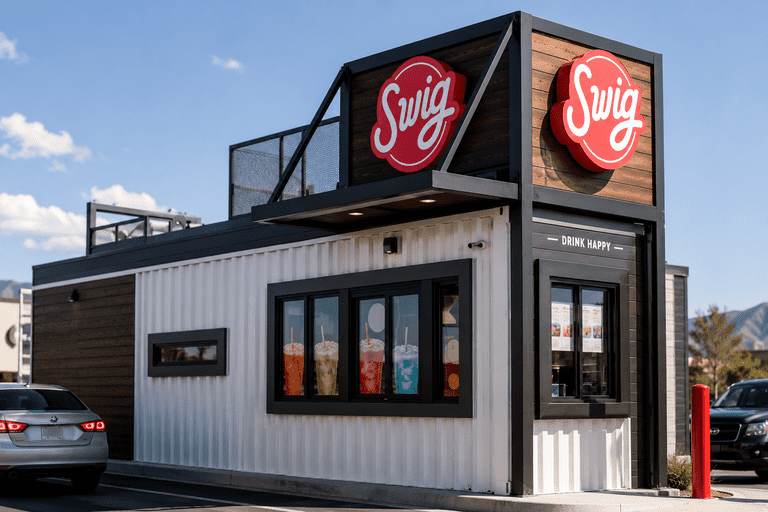
Dirty soda chain Swig is expanding into Colorado through a 10-unit franchise deal, riding a consumer beverage trend that's catching the attention of major QSR players nationwide.
May 15, 2026
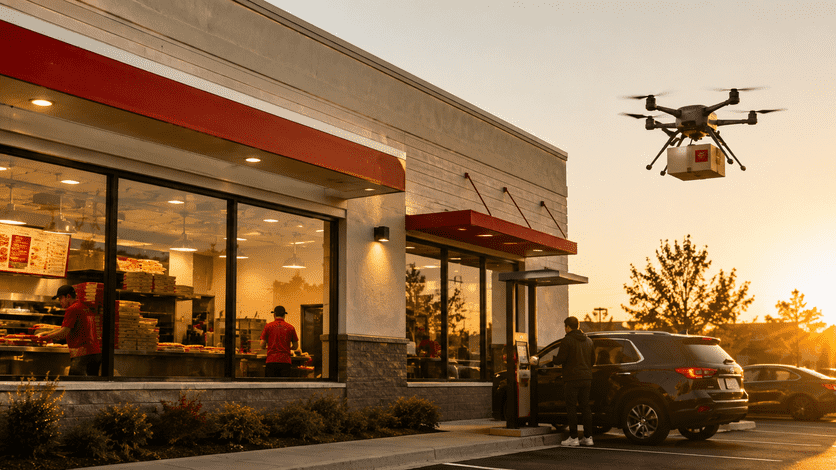
Papa Johns has teamed up with Alphabet's Wing for drone delivery of its new sandwich lineup in parts of Charlotte marking the first partnership of its kind between Wing and a national QSR brand.
May 15, 2026

A warm, expert-led look at McDonald’s Q1 results, menu makeover, and the refranchise question shaping its growth.
May 14, 2026

A reflective look at Habit Ranch, its immersive desert activation, and what it signals for brand loyalty and mindful, experiential dining.
May 14, 2026

Unlock Exclusive Access To Webinars, Events, And The Latest News For Free!
Explore how the Independent Restaurant Coalition advocates for tax exemptions on service charges to enhance compensation fairness in independent restaurants.

Photo by Jason Leung
The Independent Restaurant Coalition (IRC) has been at the forefront of advocating for fair compensation practices within independent bars and restaurants. Their recent call to Congress to amend the 'No Tax on Tips' provision in the proposed budget reconciliation package highlights their commitment to ensuring that all restaurant workers benefit from tax relief. By urging for an extension of tax exemptions to service charges, the IRC aims to address the disparity in compensation between front-of-house and back-of-house employees.
The current tax system, where only tipped workers receive tax benefits under the Fair Labor Standards Act, leaves out crucial back-of-house staff like dishwashers, chefs, and porters. While the proposed tax exemption on tips could provide an average tax cut of $1,260 for tipped workers, non-tipped employees remain excluded from these benefits. This discrepancy underscores the need for broader reforms to ensure equitable compensation for all restaurant workers.
By advocating for the inclusion of service charges in the tax exemption policy, the IRC aims to extend financial relief to low- and middle-income workers across the restaurant industry. Service charges, which have become common in recent years to cover various employee-related costs, are currently taxed as business income, disadvantaging employees. If service charges were treated similarly to tips under the tax code, it would not only alleviate the tax burden on employees but also legitimize service charges as a valid form of compensation.
The IRC emphasizes that transparent and equitable compensation practices are essential for the sustainability of independent restaurants. By exempting service charges from taxes, businesses may be encouraged to adopt more transparent pay structures and offer fair compensation to all employees. This move could not only enhance employee morale but also attract talent to the industry, promoting long-term growth and stability.
The IRC's efforts have garnered significant industry support, as evidenced by the 400 independent restaurants and owners across 26 states who signed a letter urging Congress to reform the taxation of service charges. This collective push for fairness in compensation highlights the importance of aligning tax policies with the evolving needs of the restaurant workforce and promoting a more inclusive and sustainable restaurant industry.