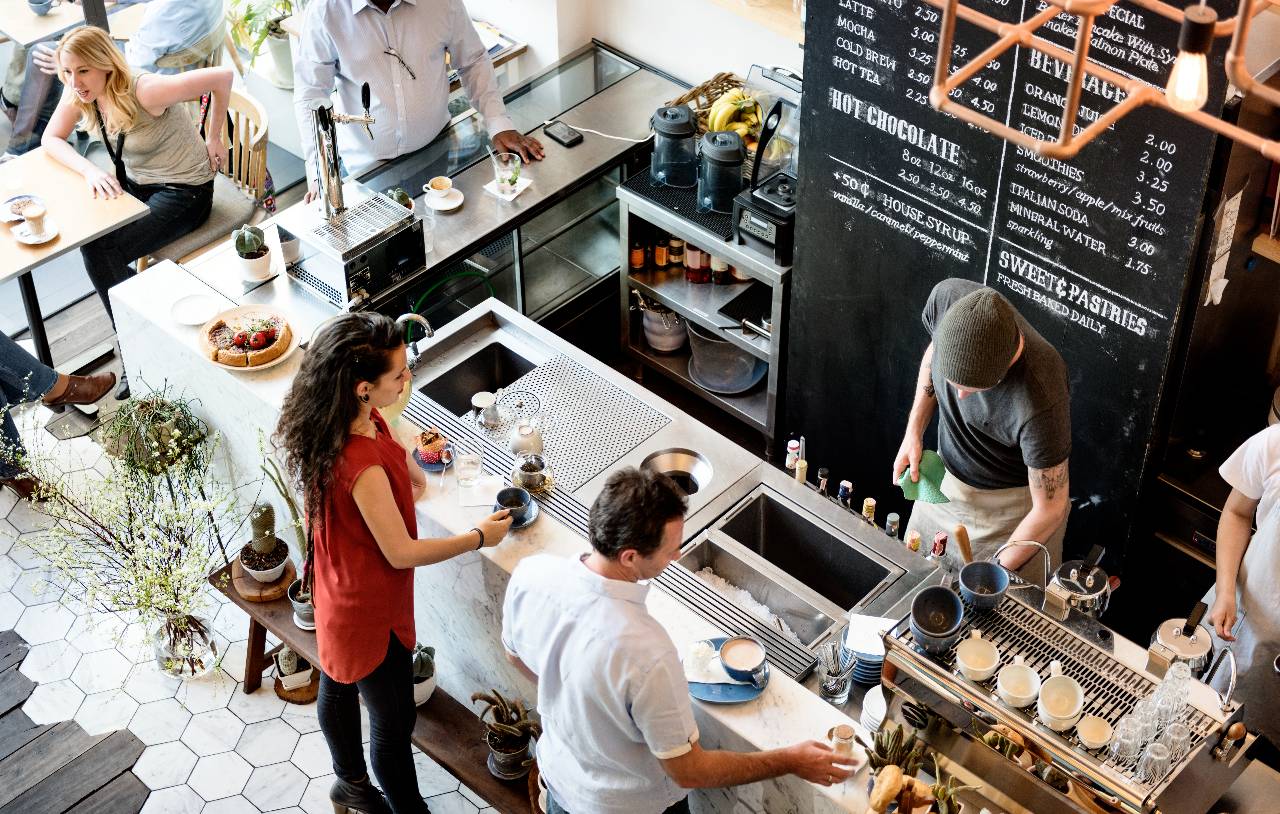
How Much Does It Cost to Open a Coffee Shop in 2026?
Opening a coffee shop in 2026 requires careful cost planning across rent, equipment, labor, technology, menu strategy, marketing, and sustainability.
operations
May 15, 2026
Opening a coffee shop in 2026 requires careful cost planning across rent, equipment, labor, technology, menu strategy, marketing, and sustainability.
May 15, 2026
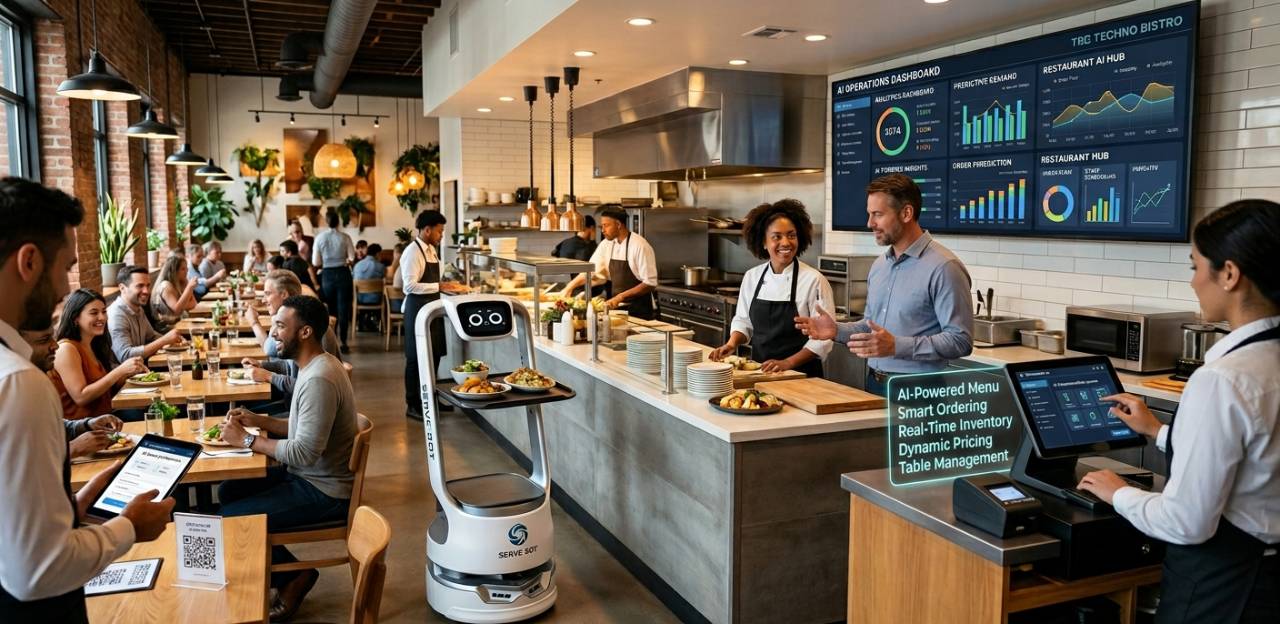
This AI playbook covers restaurant tools for voice ordering, staffing, compliance, menu pricing, inventory, marketing, ChatGPT prompts, and SEO.
May 15, 2026
Hardee’s giant Boddie-Noell inks 31-unit Scooter’s Coffee deal for NC and VA, leveraging drive-thru growth and local roots with rollout over 12–18 months.
May 15, 2026
Wingstop turns match weeks into a multi-sensory festival, aligning bold pop-ups with World Cup energy to build brand affinity and measurable momentum.
May 15, 2026
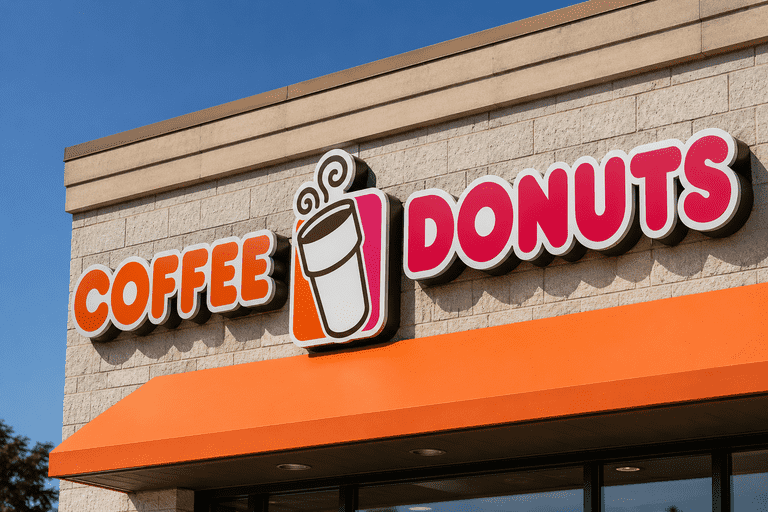
The parent company behind Dunkin', Buffalo Wild Wings, and Arby's has filed for an IPO a move that could reshape how Wall Street views the restaurant sector.
May 15, 2026

Learn how to develop a memorable restaurant brand identity that stands out in a crowded market, attracts loyal customers, and drives repeat business with actionable strategies and affordable tools.
May 15, 2026
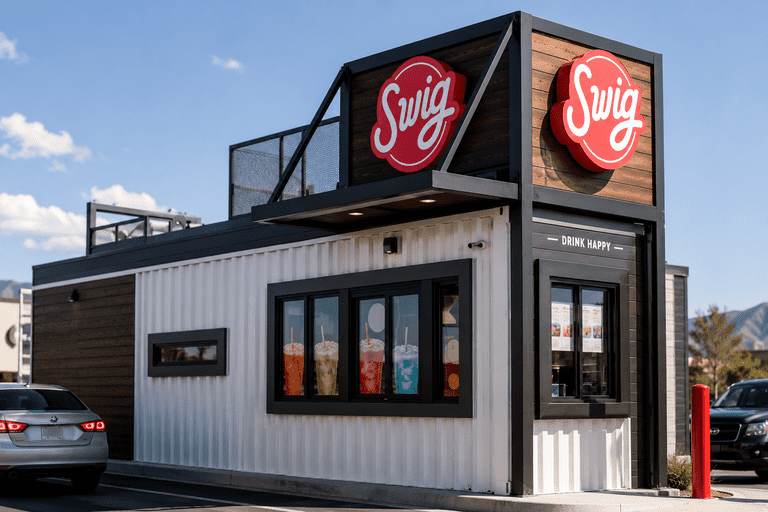
Dirty soda chain Swig is expanding into Colorado through a 10-unit franchise deal, riding a consumer beverage trend that's catching the attention of major QSR players nationwide.
May 15, 2026
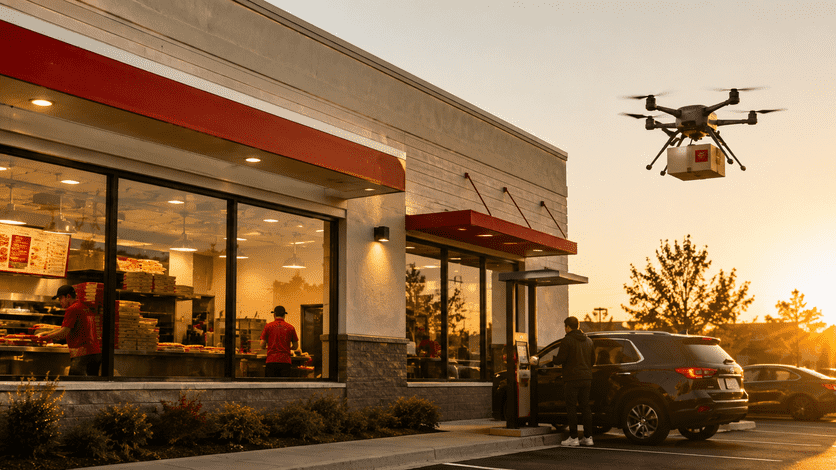
Papa Johns has teamed up with Alphabet's Wing for drone delivery of its new sandwich lineup in parts of Charlotte marking the first partnership of its kind between Wing and a national QSR brand.
May 15, 2026
A warm, expert-led look at McDonald’s Q1 results, menu makeover, and the refranchise question shaping its growth.
May 14, 2026
A reflective look at Habit Ranch, its immersive desert activation, and what it signals for brand loyalty and mindful, experiential dining.
May 14, 2026

Unlock Exclusive Access To Webinars, Events, And The Latest News For Free!
Explore the latest movements in the restaurant industry's C-suite with significant executive appointments and leadership changes in big chains and smaller establishments.

Photo by Andrik Langfield
Photo by Andrik Langfield
The restaurant landscape witnessed significant shifts in October, particularly within big chains. Domino's, a prominent player in the industry, experienced the departure of an EVP, leading to restructuring within the organization. Not only did Domino's navigate this change effectively, but it also seized the opportunity to promote key marketing executives, showcasing a strategic approach to leadership succession.
Photo by Andrik Langfield
Red Lobster, known for its seafood offerings, made notable additions to its C-suite during this period. By appointing individuals to critical roles like chief financial officer and chief marketing officer, the company demonstrated a clear commitment to charting a course for growth and development following its bankruptcy. These strategic placements signal Red Lobster's determination to solidify its position in the market.

Photo by Andrik Langfield
Starbucks, under the leadership of new CEO Brian Niccol, initiated a significant recruitment move by hiring a chief brand officer from Chipotle, illustrating a trend of talent poaching among industry giants. Similarly, Jack in the Box also underwent notable changes in its C-suite, further emphasizing the dynamic nature of leadership structures within the restaurant sector.
Photo by Andrik Langfield
While big chains made headlines with their strategic maneuvers, smaller establishments did not lag behind in appointing new chief executives. Clean Eatz, Bluestone Lane, Togo's Sandwiches, Golden Krust, and Beans & Brews Coffeehouse all welcomed CEOs during this period, indicating a wave of leadership transitions even at the grassroots level of the industry.
The flurry of executive appointments and leadership changes across the restaurant industry in October underscores a broader trend of adaptation and evolution within the sector. As companies of all sizes restructure their C-suites, it reflects a strategic response to the changing consumer demands, market dynamics, and competitive landscapes that define the contemporary foodservice industry.