AI Playbook for Restaurant Owners
This AI playbook covers restaurant tools for voice ordering, staffing, compliance, menu pricing, inventory, marketing, ChatGPT prompts, and SEO.
tech
May 15, 2026
This AI playbook covers restaurant tools for voice ordering, staffing, compliance, menu pricing, inventory, marketing, ChatGPT prompts, and SEO.
May 15, 2026

Opening a coffee shop in 2026 requires careful cost planning across rent, equipment, labor, technology, menu strategy, marketing, and sustainability.
May 15, 2026

Hardee’s giant Boddie-Noell inks 31-unit Scooter’s Coffee deal for NC and VA, leveraging drive-thru growth and local roots with rollout over 12–18 months.
May 15, 2026

Wingstop turns match weeks into a multi-sensory festival, aligning bold pop-ups with World Cup energy to build brand affinity and measurable momentum.
May 15, 2026

Learn how to develop a memorable restaurant brand identity that stands out in a crowded market, attracts loyal customers, and drives repeat business with actionable strategies and affordable tools.
May 15, 2026

The parent company behind Dunkin', Buffalo Wild Wings, and Arby's has filed for an IPO a move that could reshape how Wall Street views the restaurant sector.
May 15, 2026

Papa Johns has teamed up with Alphabet's Wing for drone delivery of its new sandwich lineup in parts of Charlotte marking the first partnership of its kind between Wing and a national QSR brand.
May 15, 2026

Dirty soda chain Swig is expanding into Colorado through a 10-unit franchise deal, riding a consumer beverage trend that's catching the attention of major QSR players nationwide.
May 15, 2026

A warm, expert-led look at McDonald’s Q1 results, menu makeover, and the refranchise question shaping its growth.
May 14, 2026

A reflective look at Habit Ranch, its immersive desert activation, and what it signals for brand loyalty and mindful, experiential dining.
May 14, 2026

Unlock Exclusive Access To Webinars, Events, And The Latest News For Free!
New York Fries expands into U.S. malls with compact formats, backed by Recipe Unlimited, testing a Canada-rooted model in an evolving retail landscape.
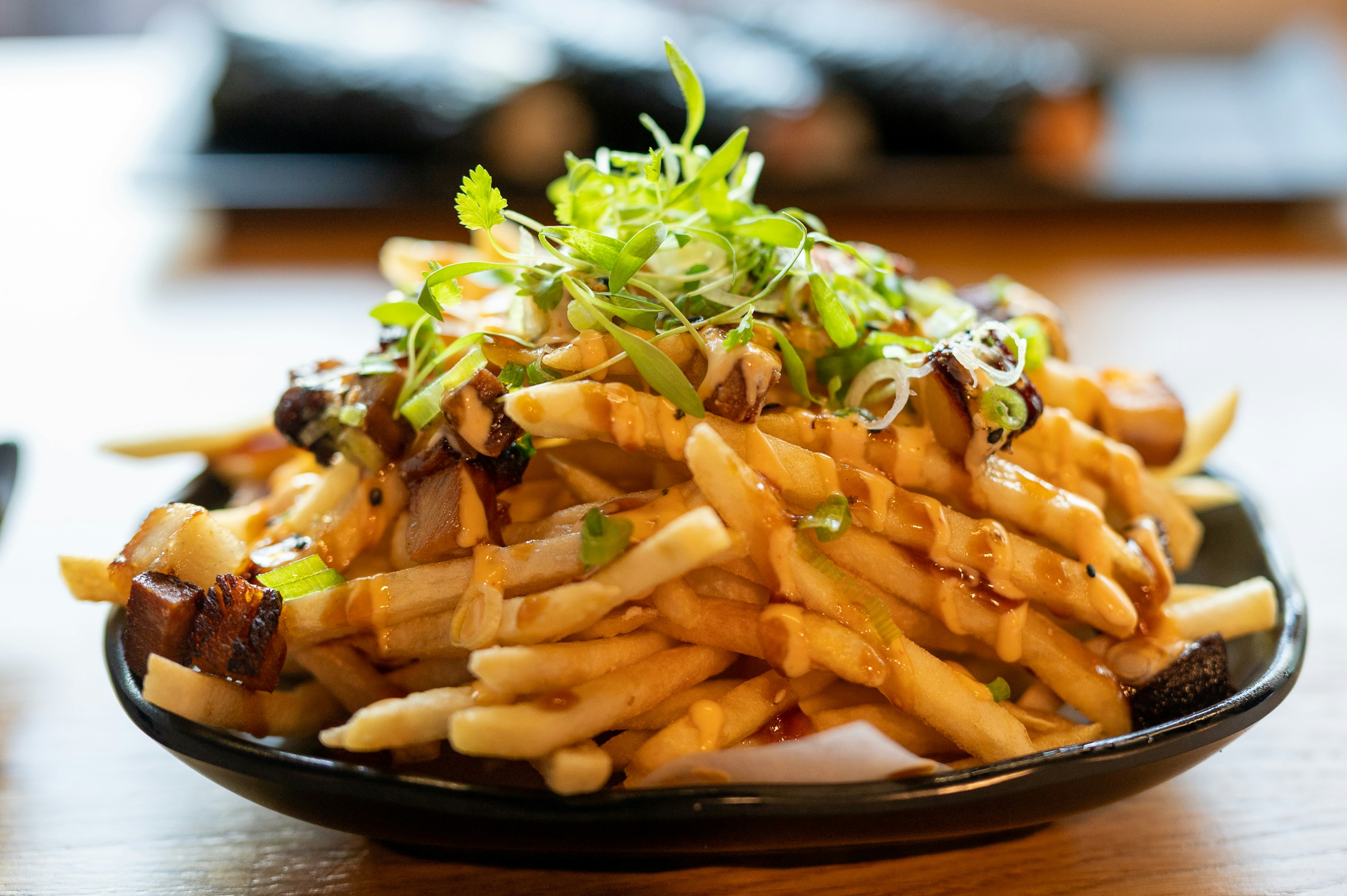
Photo by Michael Kahn
At Roosevelt Field Mall, the U.S. return of New York Fries unfolds with the quiet poise of a seasoned performer stepping onto a familiar stage. The brand, long associated with bustling food courts and its signature fresh-cut fries, is testing whether its Canada-rooted model—fries, poutine, and hot dogs served in compact formats—can once again ignite foot traffic in American malls. Behind the counter, Recipe Unlimited lends its cross-border clout, offering a practical backbone for growth while keeping a simple, social ritual at the heart of the experience: comfort food, prepared with restraint, in spaces designed for quick turnover and lingering conversation. What will this test reveal about malls as destinations?
Roosevelt Field Mall became the debut stage for the U.S. re-entry, a symbolic bookmark in a broader cross-border plan. New York Fries's U.S. push is deliberately mall-based and small-format, designed to ride a revival in foot traffic rather than chase sprawling footprints. In parallel with developers’ repositioning of centers as lifestyle destinations, the concept hinges on throughput and repeat visits, where nostalgia for a simple, well-made fry anchors families and Millennials alike. The format—compact, visually clean, and quick to serve—reads as a practical test: can a Canada-rooted model travel, adapt, and scale within the evolving, experience-led American mall ecosystem?
Across the industry, malls shed the stigma of obsolescence and are recast as mixed-use campuses where experiential dining and immersive concepts extend visits. CNBC’s analysis of the mall renaissance in 2024 highlighted restaurant anchors and food halls as magnets for foot traffic, while ICSC and other research groups track rising tenant demand and healthier occupancy in high-traffic centers. This shift dovetails with NYF’s strategy: succinct, small-footprint venues woven into the fabric of busy malls, designed to maximize throughput and deliver a social, repeat-visit encounter for families and Millennials alike. Experiential retail, after all, is the currency of renewed center vitality.
In this context, NYF’s mall-first approach reads as a deliberate alignment with the evolving American retail landscape. A compact footprint paired with a clearly defined value proposition aims to translate a Canadian success story into a distinctly American appetite for social meals and quick service, all within environments that prize communal dining as a feature of the broader experience.
Public discussions of the U.S. push lean on the logic of space and speed. Dave Colebrook, president of LSR and Emerging Brands for Recipe Unlimited, has spoken of the operational flexibility offered by tiny footprints: high throughput, fast decisions, and a social dining cadence that suits busy centers. In his view, the mall—not the standalone site—becomes the most effective springboard for U.S. expansion. The Roosevelt Field debut marks the tempo of what comes next, with plans to thread similar outlets through Long Island and New Jersey, chasing proximity to dense populations and a cross-border consumer memory of Canada-rooted playbooks. The strategy is crisp, repeatable, and ready for scale.
With the plan in motion, Colebrook emphasizes speed of service and a clearly defined value proposition as the twin engines of success in crowded centers. The Roosevelt Field location serves as a proving ground before a broader rollout, focused on the Northeast corridor—Long Island and New Jersey among the first targets. The logic is straightforward: a compact footprint, a consistent menu, and the ability to translate a Canada-rooted playbook into American consumer habits, all while riding mall modernization trends that favor social, quick-service dining.
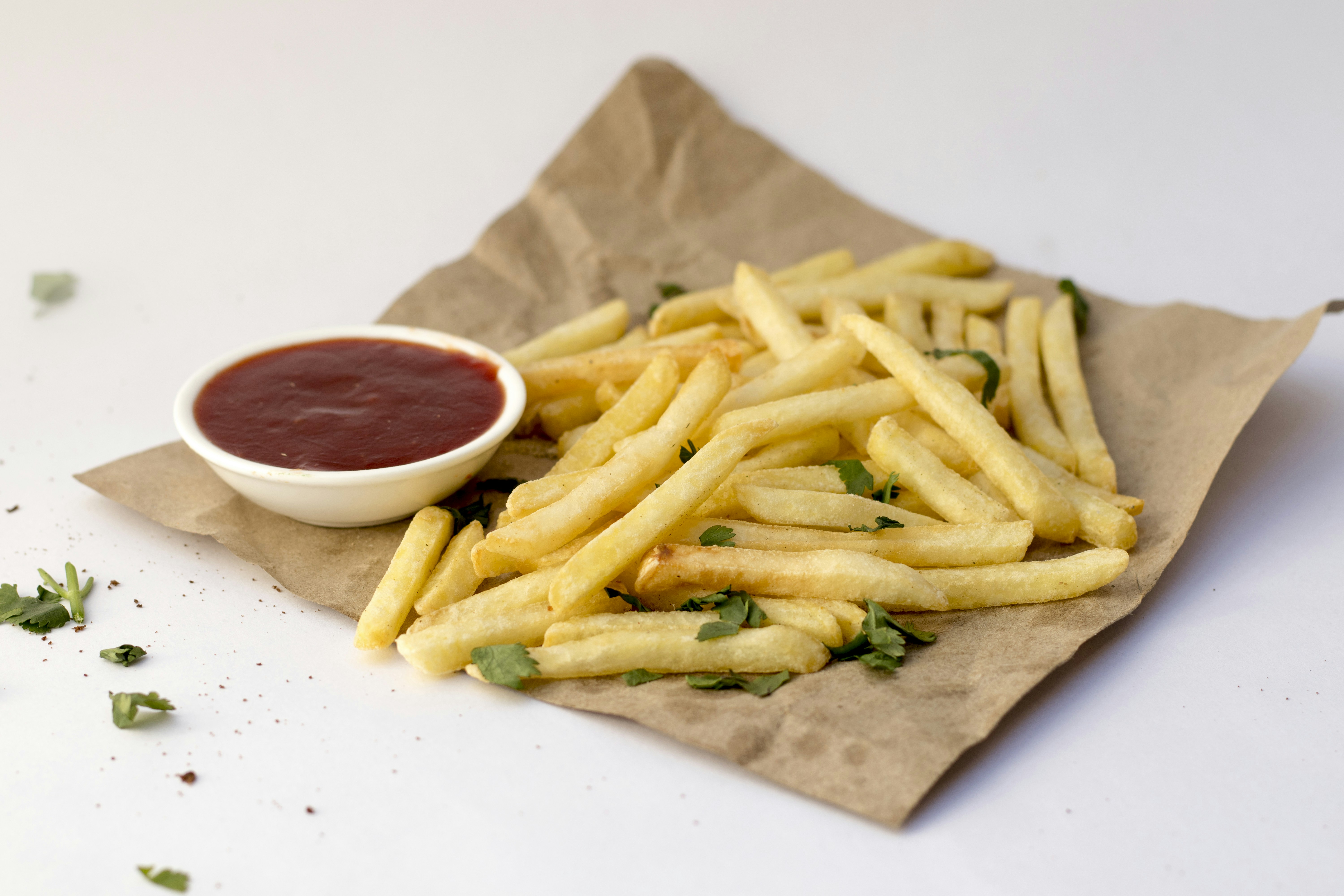
New York Fries traces its public journey back to 1983, when it is described as originating in New York, before finding its scale primarily in Canada. The product line—fresh-cut fries, poutine, and hot dogs—relies on a three-stage cooking process and quality ingredients that travel well across borders. In Canada, Recipe Unlimited notes a broad footprint across malls, with hundreds of locations and international operations. Inside the U.S., New York Fries US, LLC formed in 2021 and began offering U.S. franchises on August 23, 2021, signaling a deliberate cross-border growth push.
By late 2024, NYF claimed more than 100 Canadian locations and several U.S. outposts in the Northeast, with Roosevelt Field (Garden City, NY) marking the first U.S. reopening. The brand described a U.S. strategy anchored in small-format, mall-based venues to mirror Canadian success and to harness mall revivals in the post-pandemic era. Industry observers note NYF’s position as a roughly $100 million brand in Canada, signaling potential for scale in the United States if the format proves durable.
NYF’s U.S. push sits within a broader retail environment that increasingly treats malls as entertainment and dining hubs, rather than merely shopping corridors. CNBC’s mall-trend coverage and ICSC analyses point to a post-pandemic rebound in foot traffic and rising demand for restaurant concepts that can perform in smaller footprints. The aim is to blend experiential dining with social experiences, leveraging food halls or chef-driven concepts to attract a wide range of guests. NYF’s mall-first approach mirrors a larger trend of brands testing smaller formats in high-traffic properties to contain capital risk while maintaining brand visibility.
In this broader context, NYF’s U.S. entry can be viewed as part of a larger experiment in reimagining how foodservice brands partner with mall operators to create vibrant, destination-focused experiences. The landscape favors concepts that blur the line between quick service and social dining, and NYF’s approach sits at that intersection, testing whether a cross-border model can endure in a distinctly American playground.
Several aspects of NYF’s origin story and expansion trajectory merit careful verification. The brand’s public materials describe a founding narrative tied to New York in 1983, while independent sources have depicted Canadian growth as central to its identity. This discrepancy underscores the importance of distinguishing branding history from ownership structures. While NRN and the brand’s own communications emphasize Recipe Unlimited’s cross-border platform as a backbone for U.S. growth, some traditional histories place the brand’s roots more squarely in Canada after the mid-1980s. Given the evolving U.S. footprint, questions remain about pace and geography of future openings, the exact unit counts, and how NYF will adapt menus beyond the Northeast.
If NYF can sustain a network of small-footprint, mall-based locations with predictable throughput and compelling value, it could underscore a broader mall revival narrative: food-focused, experience-rich, and conveniently located brands that anchor foot traffic and elongate visits.