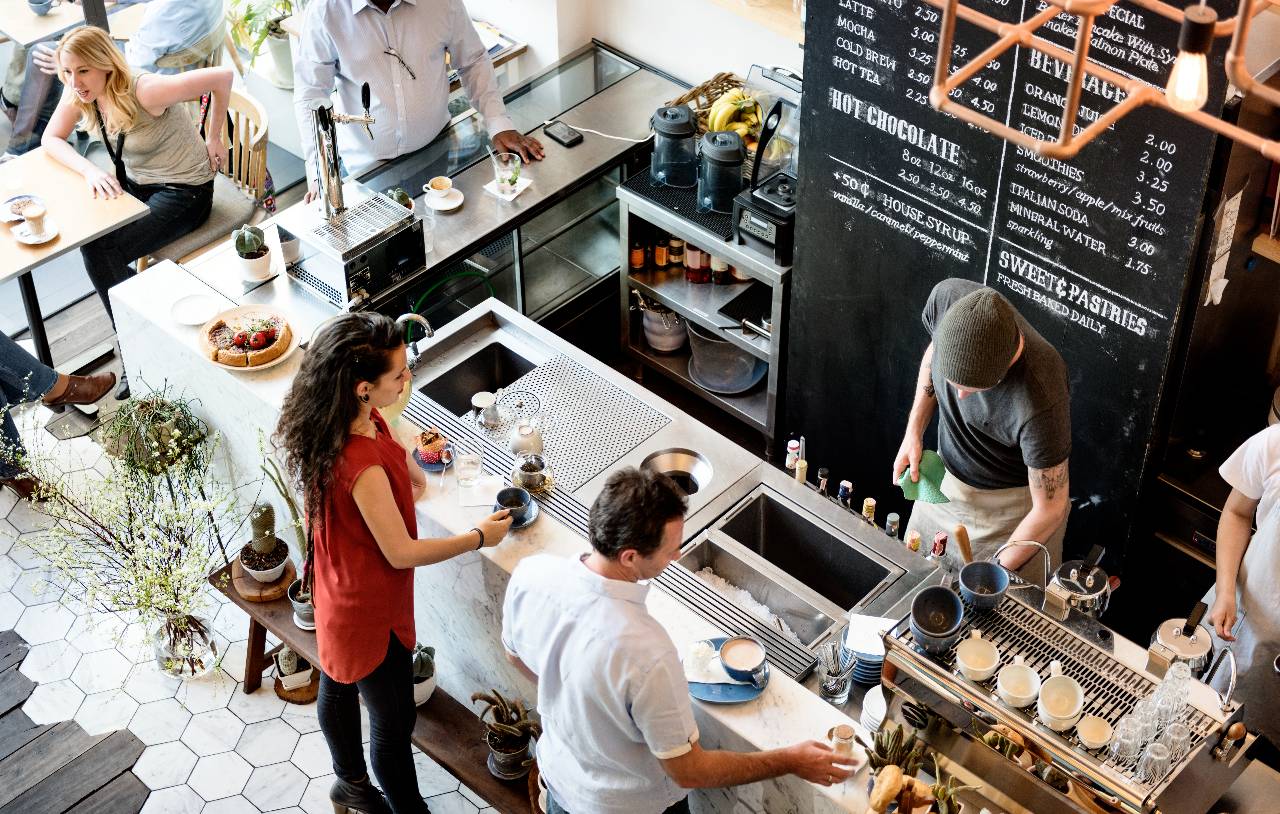
How Much Does It Cost to Open a Coffee Shop in 2026?
Opening a coffee shop in 2026 requires careful cost planning across rent, equipment, labor, technology, menu strategy, marketing, and sustainability.
operations
May 15, 2026
Opening a coffee shop in 2026 requires careful cost planning across rent, equipment, labor, technology, menu strategy, marketing, and sustainability.
May 15, 2026
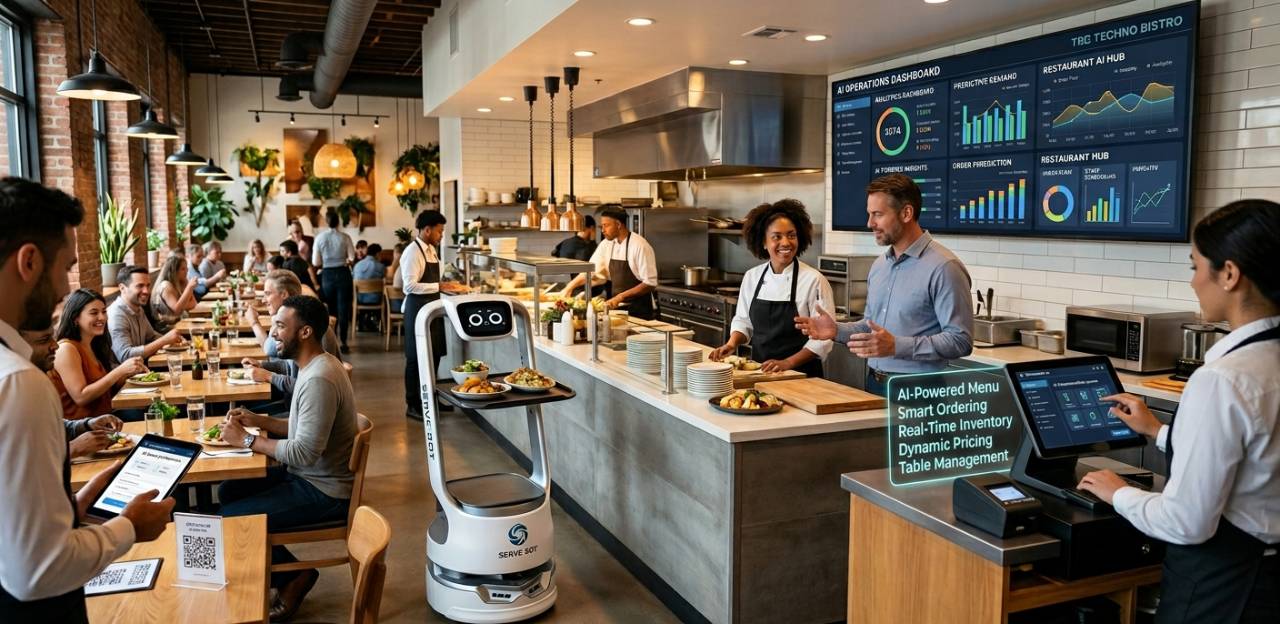
This AI playbook covers restaurant tools for voice ordering, staffing, compliance, menu pricing, inventory, marketing, ChatGPT prompts, and SEO.
May 15, 2026
Hardee’s giant Boddie-Noell inks 31-unit Scooter’s Coffee deal for NC and VA, leveraging drive-thru growth and local roots with rollout over 12–18 months.
May 15, 2026
Wingstop turns match weeks into a multi-sensory festival, aligning bold pop-ups with World Cup energy to build brand affinity and measurable momentum.
May 15, 2026
The parent company behind Dunkin', Buffalo Wild Wings, and Arby's has filed for an IPO a move that could reshape how Wall Street views the restaurant sector.
May 15, 2026
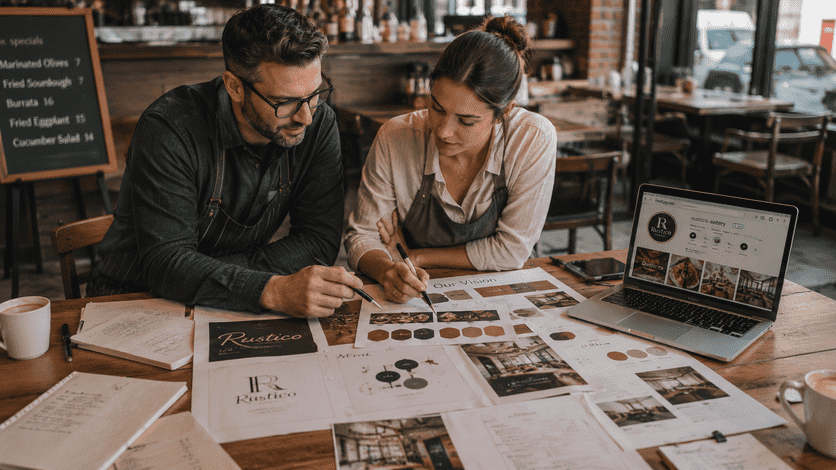
Learn how to develop a memorable restaurant brand identity that stands out in a crowded market, attracts loyal customers, and drives repeat business with actionable strategies and affordable tools.
May 15, 2026
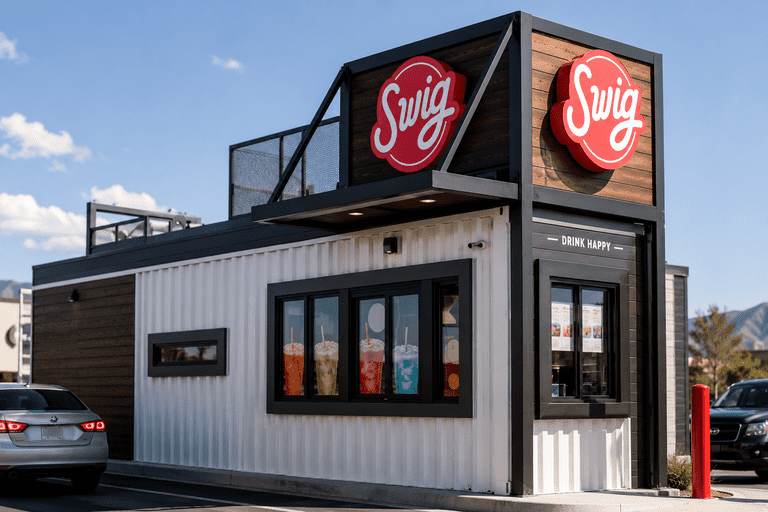
Dirty soda chain Swig is expanding into Colorado through a 10-unit franchise deal, riding a consumer beverage trend that's catching the attention of major QSR players nationwide.
May 15, 2026
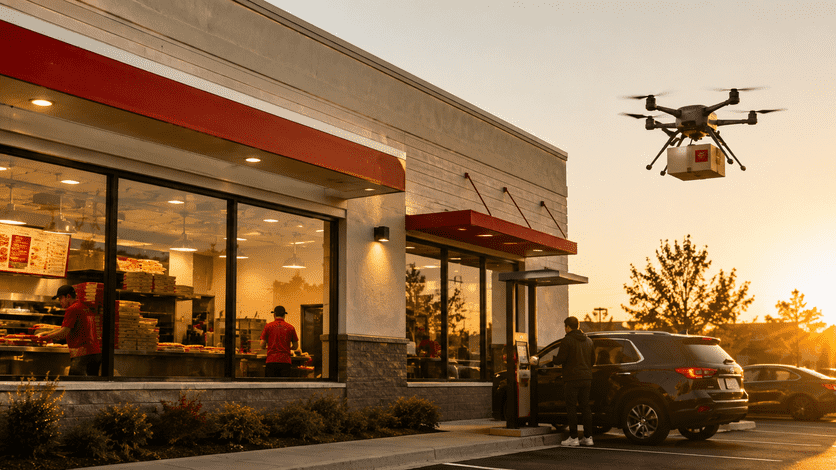
Papa Johns has teamed up with Alphabet's Wing for drone delivery of its new sandwich lineup in parts of Charlotte marking the first partnership of its kind between Wing and a national QSR brand.
May 15, 2026
A warm, expert-led look at McDonald’s Q1 results, menu makeover, and the refranchise question shaping its growth.
May 14, 2026
A reflective look at Habit Ranch, its immersive desert activation, and what it signals for brand loyalty and mindful, experiential dining.
May 14, 2026

Unlock Exclusive Access To Webinars, Events, And The Latest News For Free!
Brian Niccol takes Starbucks helm amid activist pressure, pursuing a high-stakes turnaround as leadership signals and compensation packages come into focus.
Photo by Matt Hoffman
Starbucks stood at a quiet inflection point when the board invited a leader from Chipotle to redraw the blueprint. The newsroom cadence suggested a decisive shift: a proven operator stepping into a complex stage, with a brand that demands both precision and poetry. The aroma of opportunity mingled with the discipline of a carefully staged transition, as Brian Niccol prepared to assume the helm of a global coffee roost. The start date—September 9, 2024—became less a calendar note than a turning key, unlocking a new chapter for stores from Seattle to Seoul:
Starbucks framed the appointment as a deliberate gamble on a turnaround veteran. In the company’s release, Brian Niccol was named Chairman and Chief Executive Officer, with Mellody Hobson as lead independent director and Rachel Ruggeri serving as interim CEO until Niccol’s start. The package, described across outlets as expansive, included an upfront component that industry trackers initially pegged near $85 million in cash and equity, escalating to a total that could approach $113 million when replacement awards and long‑term incentives are counted. A signal, not a spectacle, of board conviction.
From Chipotle’s stage, he arrives with a philosophy built on people, a sharpened brand, menu innovation, and digital transformation. In Starbucks’ briefing, that playbook is framed as a cultural inheritance—one that values the customer journey and the way partners feel engaged—an essential balance as the brand reinvents its footprint.
Niccol’s track record at Chipotle anchors the narrative of reinvention. Leadership materials cited revenue growth, profit expansion, and a robust stock ascent under his stewardship, all achieved through a focus on people, brand integrity, and digital growth. In board rooms and investor decks, he is portrayed as a leader who understands the texture of the customer experience and the rhythm of partner engagement—a rare blend when a brand seeks to recalibrate its appetite for growth.
Fortune and other outlets chronicled a complex compensation arc designed to offset what Niccol forfeited when leaving Chipotle, including a signing bonus and replacement equity, with a base salary, annual bonuses, and long‑term equity grants potentially bringing the total to nine figures. Early cash infusions and accelerated incentives were highlighted as the market reacted positively to the prospect of a sharpened execution engine. In early narratives, an $85 million upfront component and a broader potential near $113 million appeared as milestones rather than final verdicts.
“culture carrier” is a phrase that began to echo in the commentary as Niccol’s arrival was framed. Mellody Hobson welcomed him with that descriptor, while Howard Schultz offered public support for the appointment, signaling a shared belief that a leadership hand with Chipotle’s discipline could guide Starbucks through a pivotal reinvention. At the same time, activist voices—most notably Elliott Investment Management—made clear they would continue to engage with the board as the turnaround unfolds.
The first reactions from the executive suite and board followed a measured cadence. Mellody Hobson, Starbucks’ chair, greeted the appointment as a culture carrier with a wealth of experience and a proven track record of innovation and growth. Howard Schultz, the founder, offered public support, framing the choice as a capable step forward. Yet the drumbeat from activist investors—led by Elliott Investment Management and others—made plain that ongoing engagement with the board would accompany the company’s pursuit of a renewed trajectory.
Within that chorus lies a narrative of alignment: a leadership shift that marries governance rigor with a conviction to refresh the brand’s momentum. The appointment is cast as a strategic infusion of operational discipline and customer‑centric storytelling, a dual propulsion intended to sustain both innovation and measured growth while acknowledging that labor considerations continue to shape the path forward.
Industry watchers remind us that labor dynamics—the ongoing union activities across Starbucks stores and related negotiations—remain a material uncertainty in the calculus of value creation. The Niccol era would be judged not only by stock moves but by the cadence of store experience improvements, efficiency gains, and the clarity with which the board and executive team deliver sustained progress.
Niccol’s onboarding was anchored to a firm date: September 9, 2024, with CFO Rachel Ruggeri serving as interim CEO until that moment. Starbucks’ official release set the stage for a leadership transition that investors would parse for clarity, governance, and momentum, as the company prepared to recalibrate its operating rhythm across markets and channels.
Fortune’s mapping of the compensation narrative described a multi‑part architecture designed to offset what Niccol forfeited in leaving Chipotle, including a signing bonus and replacement equity, alongside a base salary, annual performance bonuses, and long‑term equity grants whose value hinges on stock performance. Several outlets noted the potential for a nine‑figure total and highlighted an early cash cadence aligned with the board’s urgency to deliver momentum.
The market greeted the news with measured optimism, interpreting the leadership shift as a tangible re‑set of execution risk rather than a branding overhaul alone. The linkage of pay to long‑term value and the promise of a clearer runway for Niccol to implement a refreshed plan gave investors a reason to reassess the company’s trajectory—an important moment for a brand under close scrutiny.
In the wider restaurant landscape, corporate leadership transitions are scrutinized amid activism and labor organizing. The Starbuck’s move sits within a chorus: seasoned operators are being pressed into action to steer turnaround plans, even as governance and labor considerations shape every strategic move. The convergence of governance maturity with a proven execution mindset marks a common ground for many large brands facing a testing sales cycle.
Gaps and uncertainties persist as the narrative unfolds: the pace and breadth of execution, the alignment between executive compensation and durable value creation, and the enduring impact of store‑level dynamics on profitability. The discourse surrounding Starbucks’ performance trajectory suggests a long arc ahead, in which leadership choices must translate into tangible gains in operating efficiency, customer experience, and investor confidence.
Thus the Niccol era begins not as a final verdict but as a measured invitation to test, refine, and articulate a disciplined vision. The blend of ambition and restraint—much like a well‑balanced tasting menu—will decide whether this moment of activist pressure matures into lasting momentum for Starbucks.