
How Much Does It Cost to Open a Coffee Shop in 2026?
Opening a coffee shop in 2026 requires careful cost planning across rent, equipment, labor, technology, menu strategy, marketing, and sustainability.
operations
May 15, 2026
Opening a coffee shop in 2026 requires careful cost planning across rent, equipment, labor, technology, menu strategy, marketing, and sustainability.
May 15, 2026

This AI playbook covers restaurant tools for voice ordering, staffing, compliance, menu pricing, inventory, marketing, ChatGPT prompts, and SEO.
May 15, 2026

Hardee’s giant Boddie-Noell inks 31-unit Scooter’s Coffee deal for NC and VA, leveraging drive-thru growth and local roots with rollout over 12–18 months.
May 15, 2026
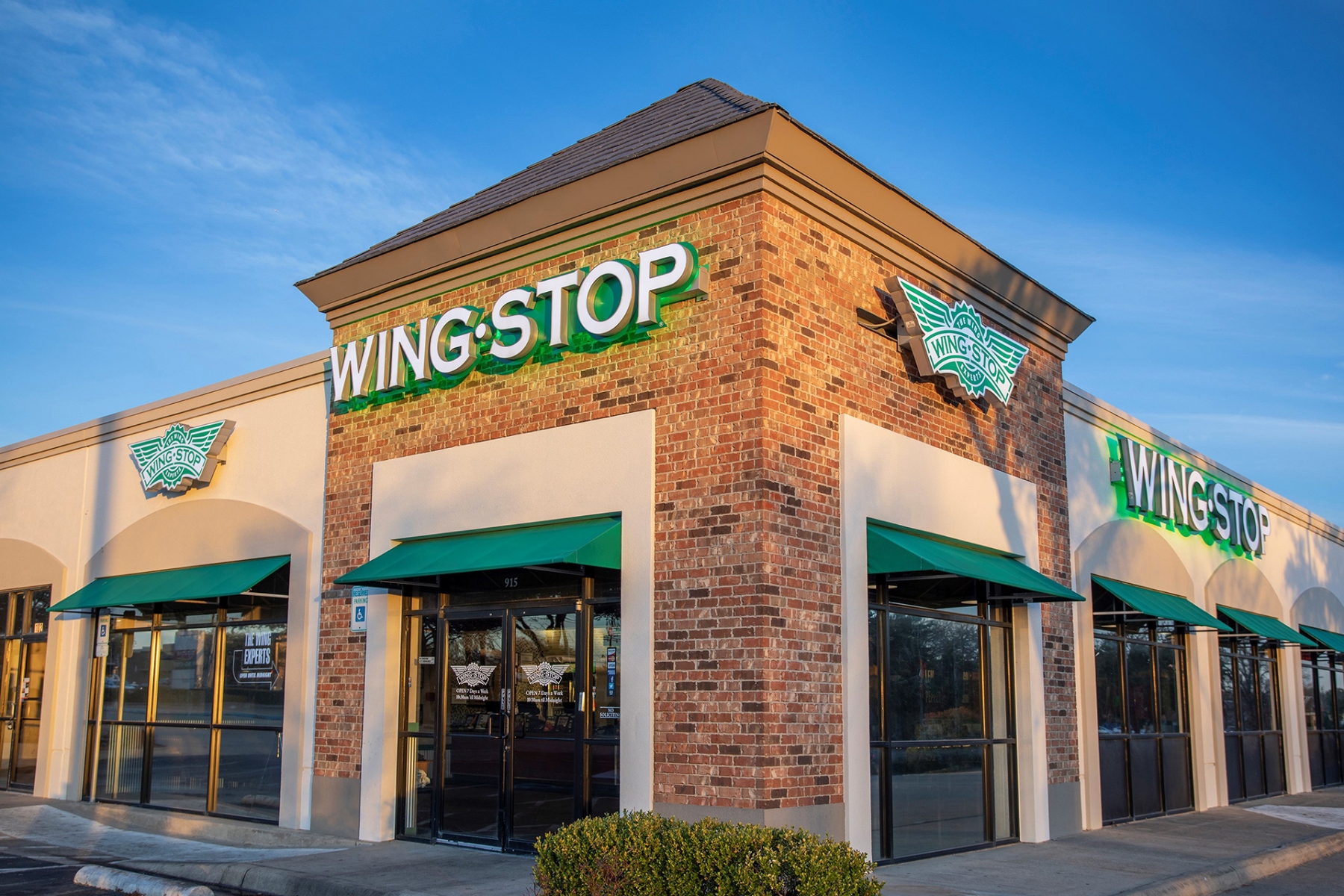
Wingstop turns match weeks into a multi-sensory festival, aligning bold pop-ups with World Cup energy to build brand affinity and measurable momentum.
May 15, 2026
The parent company behind Dunkin', Buffalo Wild Wings, and Arby's has filed for an IPO a move that could reshape how Wall Street views the restaurant sector.
May 15, 2026

Learn how to develop a memorable restaurant brand identity that stands out in a crowded market, attracts loyal customers, and drives repeat business with actionable strategies and affordable tools.
May 15, 2026
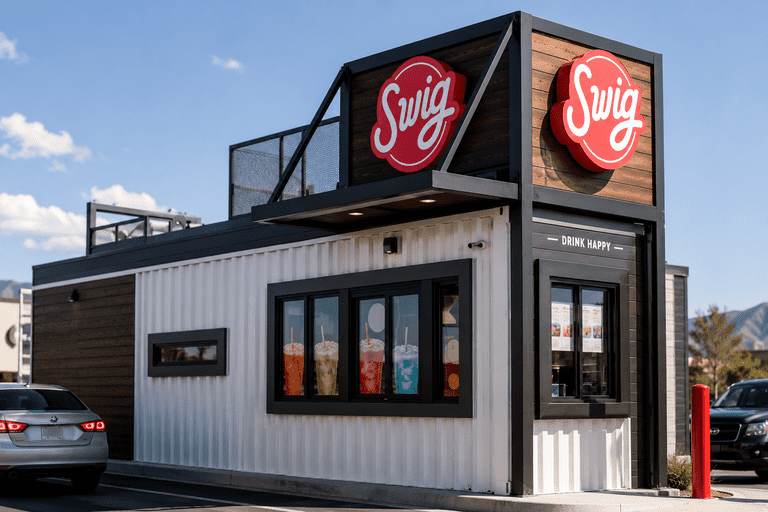
Dirty soda chain Swig is expanding into Colorado through a 10-unit franchise deal, riding a consumer beverage trend that's catching the attention of major QSR players nationwide.
May 15, 2026
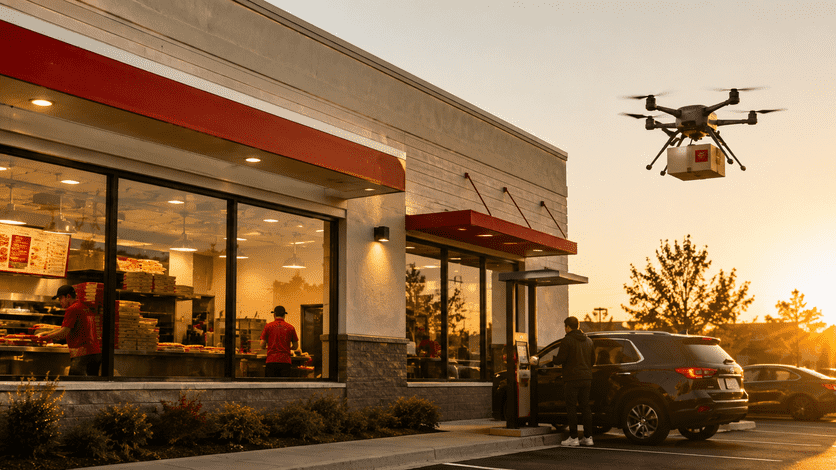
Papa Johns has teamed up with Alphabet's Wing for drone delivery of its new sandwich lineup in parts of Charlotte marking the first partnership of its kind between Wing and a national QSR brand.
May 15, 2026

A warm, expert-led look at McDonald’s Q1 results, menu makeover, and the refranchise question shaping its growth.
May 14, 2026

A reflective look at Habit Ranch, its immersive desert activation, and what it signals for brand loyalty and mindful, experiential dining.
May 14, 2026

Unlock Exclusive Access To Webinars, Events, And The Latest News For Free!
Explore the impact of the FTC's regulations on franchisors and their fee structures. Learn about the importance of transparency and compliance in franchise agreements.

Photo by m.

Photo by m.
The recent guidelines from the Federal Trade Commission regarding fees for franchisors underscore the importance of transparency in fee structures within the franchise model. Transparency is fundamental to fostering trust between franchisors and franchisees, ensuring fair practices, and protecting the interests of all parties involved. By providing clear and upfront information about fees, franchisors can build stronger relationships with their franchisees and promote a more sustainable and ethical business environment.

Photo by m.
The FTC's stance on fees has significant implications for franchise agreements, particularly concerning the ability for unilateral changes. While some argue that allowing unilateral changes is essential for adapting to market dynamics, others believe that such changes could potentially harm franchisees by imposing undisclosed fees or altering fee structures unexpectedly. Franchisors need to strike a balance between innovation and protecting the interests of their franchisees to maintain a mutually beneficial relationship.
One of the key challenges highlighted by the FTC is the potential negative impact of unilateral fee changes on smaller operators within the franchise system. Unilateral changes, especially when accompanied by undisclosed fees or unjustified increases, can create financial burdens for franchisees, affecting their profitability and sustainability. Franchisors must carefully consider the fairness and transparency of any fee adjustments to avoid creating disparities among franchisees.

Photo by m.
Matthew Haller's concerns about the FTC guidance restricting franchisors' ability to innovate emphasize the delicate balance between compliance and equity in the franchising industry. While innovation is essential for growth and adaptation, it should not come at the expense of fairness and equity for franchisees. Franchisors must proactively review their practices to ensure compliance with the law while also safeguarding the interests of their franchise partners.
The FTC's emphasis on prohibiting contractual terms that hinder franchisees from reporting potential law violations to regulators is aimed at promoting fairness and legal compliance within the franchising ecosystem. By enabling franchisees to communicate concerns without fear of reprisal, the industry can uphold ethical standards and accountability. This proactive approach not only protects franchisees but also fosters a culture of transparency and adherence to the law.
The industry's response to the FTC's guidance reflects a nuanced conversation on the balance between regulatory oversight and business innovation. While some view the regulations as necessary for safeguarding franchisee rights, others express concerns about potential restrictions on operational flexibility. As regulatory environments evolve, franchisors need to adapt their practices to comply with legal requirements while maintaining operational efficiency and competitiveness.