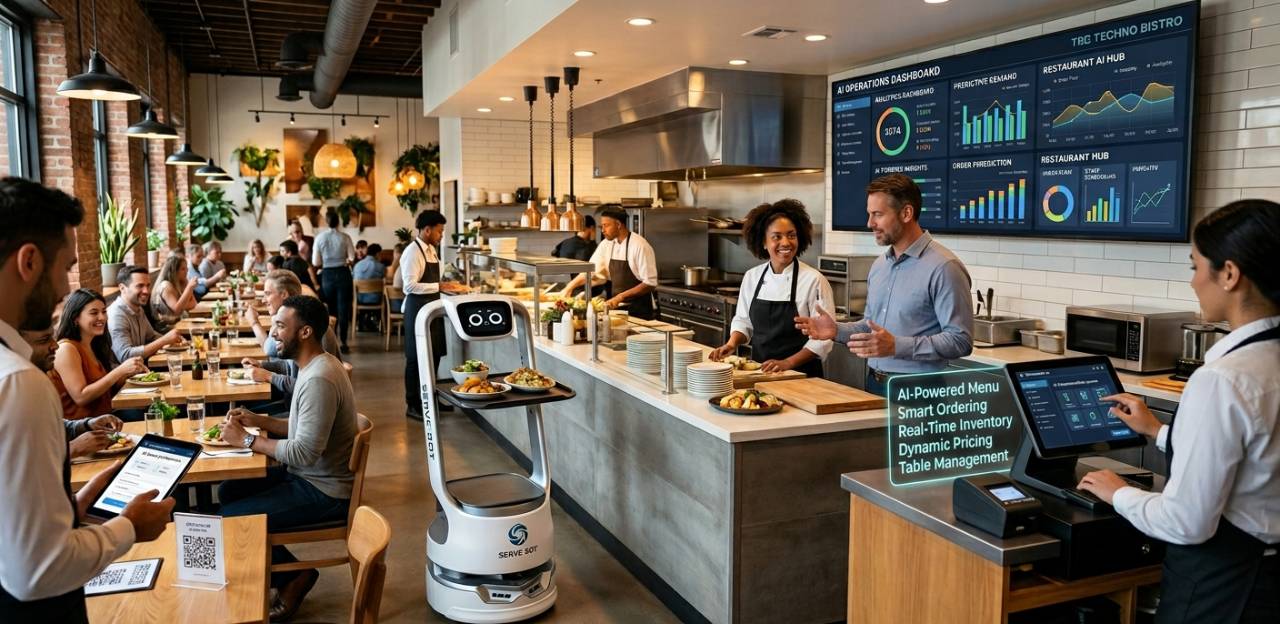
AI Playbook for Restaurant Owners
This AI playbook covers restaurant tools for voice ordering, staffing, compliance, menu pricing, inventory, marketing, ChatGPT prompts, and SEO.
tech
May 15, 2026
This AI playbook covers restaurant tools for voice ordering, staffing, compliance, menu pricing, inventory, marketing, ChatGPT prompts, and SEO.
May 15, 2026

Opening a coffee shop in 2026 requires careful cost planning across rent, equipment, labor, technology, menu strategy, marketing, and sustainability.
May 15, 2026

Hardee’s giant Boddie-Noell inks 31-unit Scooter’s Coffee deal for NC and VA, leveraging drive-thru growth and local roots with rollout over 12–18 months.
May 15, 2026
Wingstop turns match weeks into a multi-sensory festival, aligning bold pop-ups with World Cup energy to build brand affinity and measurable momentum.
May 15, 2026

Learn how to develop a memorable restaurant brand identity that stands out in a crowded market, attracts loyal customers, and drives repeat business with actionable strategies and affordable tools.
May 15, 2026
The parent company behind Dunkin', Buffalo Wild Wings, and Arby's has filed for an IPO a move that could reshape how Wall Street views the restaurant sector.
May 15, 2026
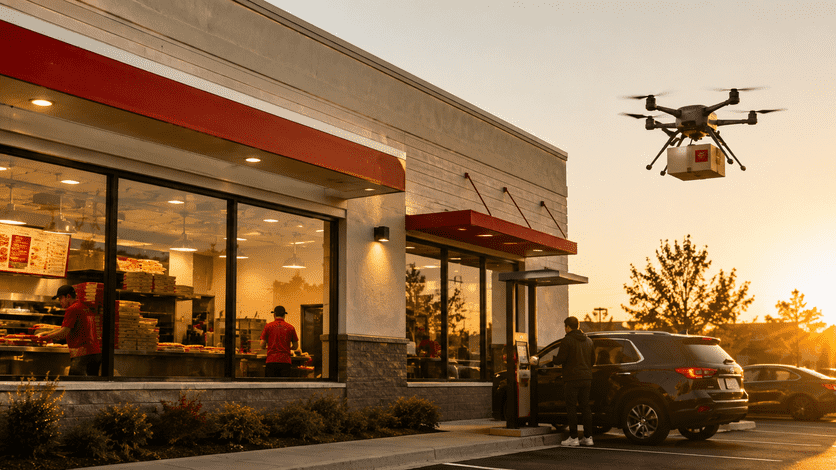
Papa Johns has teamed up with Alphabet's Wing for drone delivery of its new sandwich lineup in parts of Charlotte marking the first partnership of its kind between Wing and a national QSR brand.
May 15, 2026
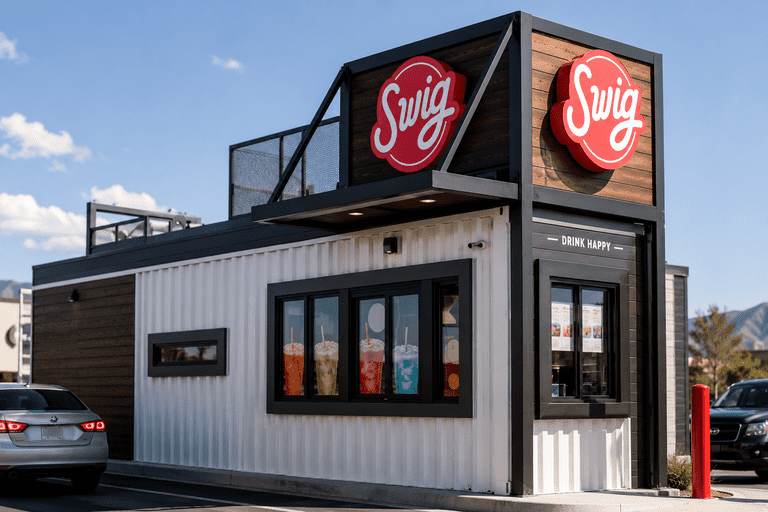
Dirty soda chain Swig is expanding into Colorado through a 10-unit franchise deal, riding a consumer beverage trend that's catching the attention of major QSR players nationwide.
May 15, 2026

A warm, expert-led look at McDonald’s Q1 results, menu makeover, and the refranchise question shaping its growth.
May 14, 2026

A reflective look at Habit Ranch, its immersive desert activation, and what it signals for brand loyalty and mindful, experiential dining.
May 14, 2026

Unlock Exclusive Access To Webinars, Events, And The Latest News For Free!
Learn how tariffs could impact the restaurant industry, causing supply chain disruptions and increased food costs. Discover strategies to mitigate these challenges.

Tariffs have the potential to significantly disrupt the supply chain for restaurant operators, leading to challenges in sourcing essential ingredients for their menus. With recent increases in the price of eggs and the looming threat of tariffs affecting key imports from countries like Mexico, Canada, and China, independent owners and chains are bracing themselves for possible cost escalations and logistical constraints.
Chipotle, a prominent fast-casual brand, exemplifies how restaurant chains are strategizing to mitigate tariff risks. By diversifying its sourcing locations to countries like Colombia, Peru, and the Dominican Republic, Chipotle aims to reduce its dependency on Mexican imports, thus minimizing the impact of potential tariffs. This proactive approach showcases the importance of supply chain flexibility in navigating uncertain economic conditions.
The current scenario underscores the significance of diversifying the supply chain for restaurant operators. By spreading their sourcing across multiple countries, businesses can mitigate the adverse effects of tariffs on specific regions. Diversification not only helps in securing the necessary ingredients but also enhances resilience against geopolitical uncertainties that may arise unexpectedly.
While tariffs pose a looming threat, restaurant operators are also grappling with other pressing challenges such as labor costs and employee retention. The data report highlights that both full-service and limited-service establishments are actively addressing labor and food expenses as key concerns for the industry. Balancing these variables alongside potential tariff impacts demands a holistic approach to operational management.
Restaurant operators can adopt several strategies to navigate the challenges posed by tariffs effectively. This includes closely monitoring market trends, renegotiating supplier contracts to mitigate cost fluctuations, and exploring alternative sourcing options to diversify their ingredient procurement. Additionally, investing in staff training and retention programs can help in retaining skilled employees amidst cost pressures.