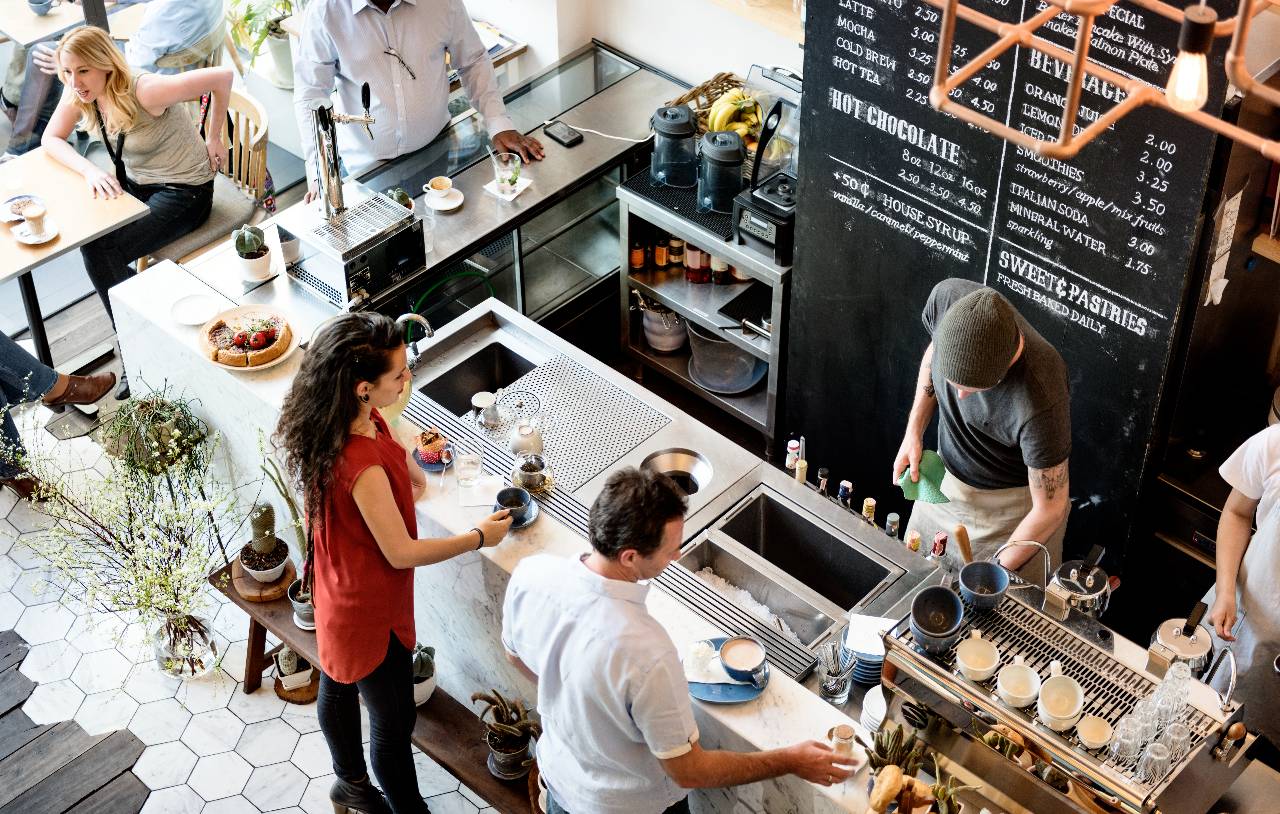
How Much Does It Cost to Open a Coffee Shop in 2026?
Opening a coffee shop in 2026 requires careful cost planning across rent, equipment, labor, technology, menu strategy, marketing, and sustainability.
operations
May 15, 2026
Opening a coffee shop in 2026 requires careful cost planning across rent, equipment, labor, technology, menu strategy, marketing, and sustainability.
May 15, 2026
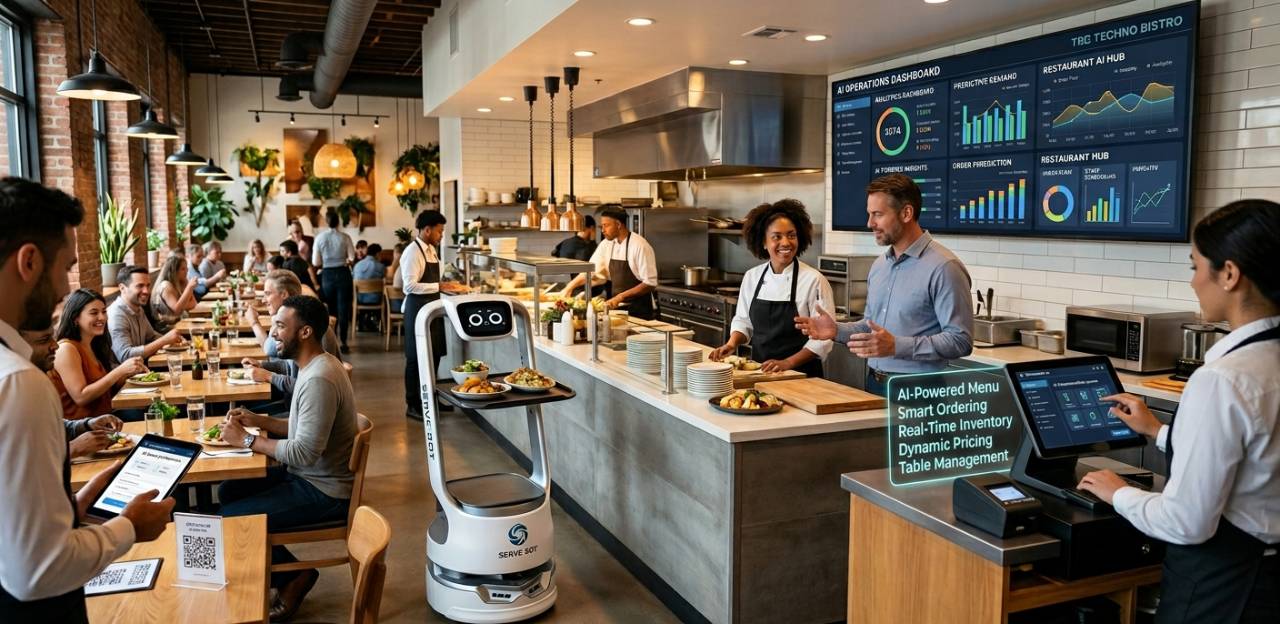
This AI playbook covers restaurant tools for voice ordering, staffing, compliance, menu pricing, inventory, marketing, ChatGPT prompts, and SEO.
May 15, 2026
Hardee’s giant Boddie-Noell inks 31-unit Scooter’s Coffee deal for NC and VA, leveraging drive-thru growth and local roots with rollout over 12–18 months.
May 15, 2026
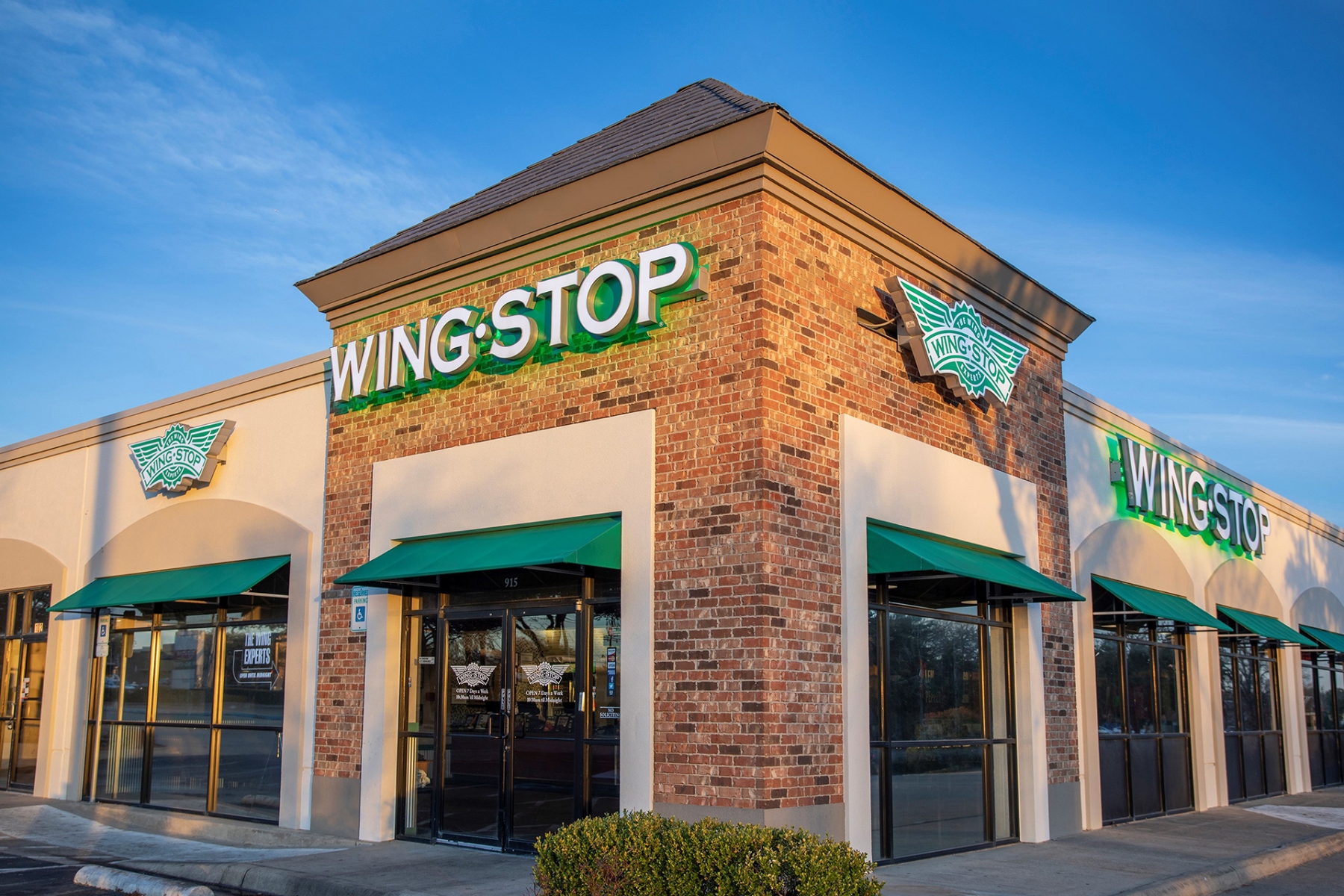
Wingstop turns match weeks into a multi-sensory festival, aligning bold pop-ups with World Cup energy to build brand affinity and measurable momentum.
May 15, 2026
The parent company behind Dunkin', Buffalo Wild Wings, and Arby's has filed for an IPO a move that could reshape how Wall Street views the restaurant sector.
May 15, 2026

Learn how to develop a memorable restaurant brand identity that stands out in a crowded market, attracts loyal customers, and drives repeat business with actionable strategies and affordable tools.
May 15, 2026
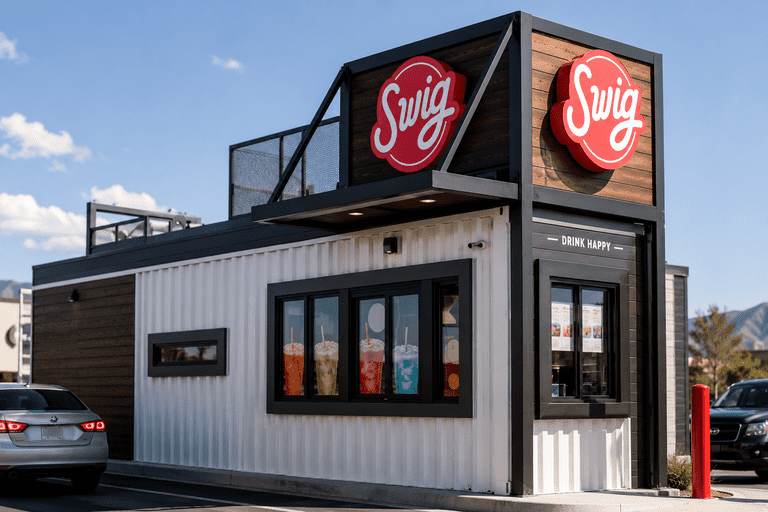
Dirty soda chain Swig is expanding into Colorado through a 10-unit franchise deal, riding a consumer beverage trend that's catching the attention of major QSR players nationwide.
May 15, 2026
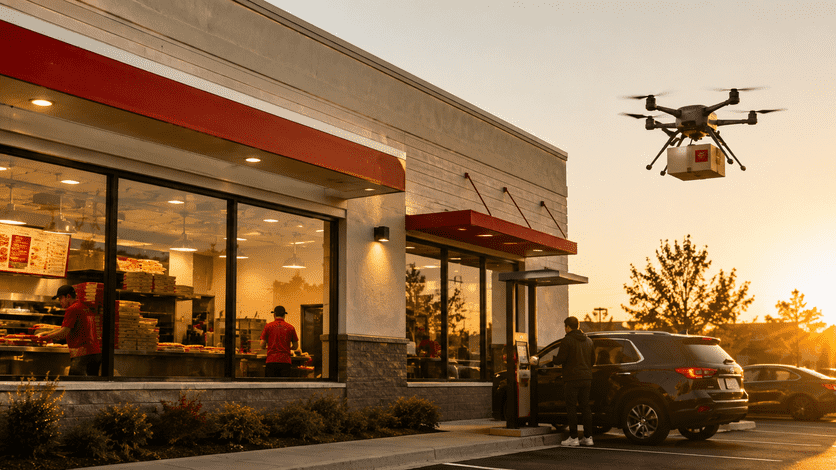
Papa Johns has teamed up with Alphabet's Wing for drone delivery of its new sandwich lineup in parts of Charlotte marking the first partnership of its kind between Wing and a national QSR brand.
May 15, 2026
A warm, expert-led look at McDonald’s Q1 results, menu makeover, and the refranchise question shaping its growth.
May 14, 2026
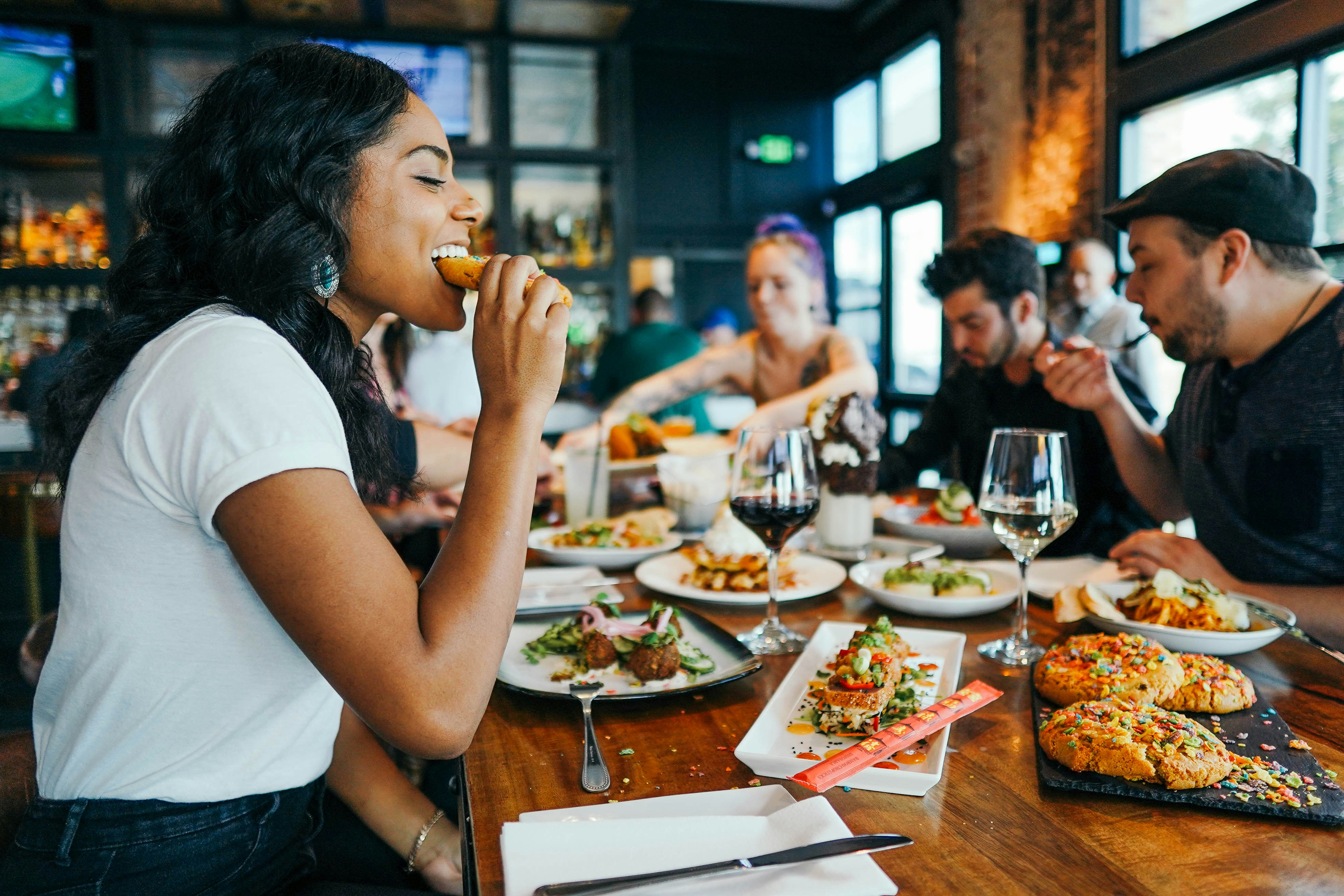
A reflective look at Habit Ranch, its immersive desert activation, and what it signals for brand loyalty and mindful, experiential dining.
May 14, 2026

Unlock Exclusive Access To Webinars, Events, And The Latest News For Free!
Explore expert advice on how restaurants can overcome challenges posed by tariffs and manage supply costs effectively.
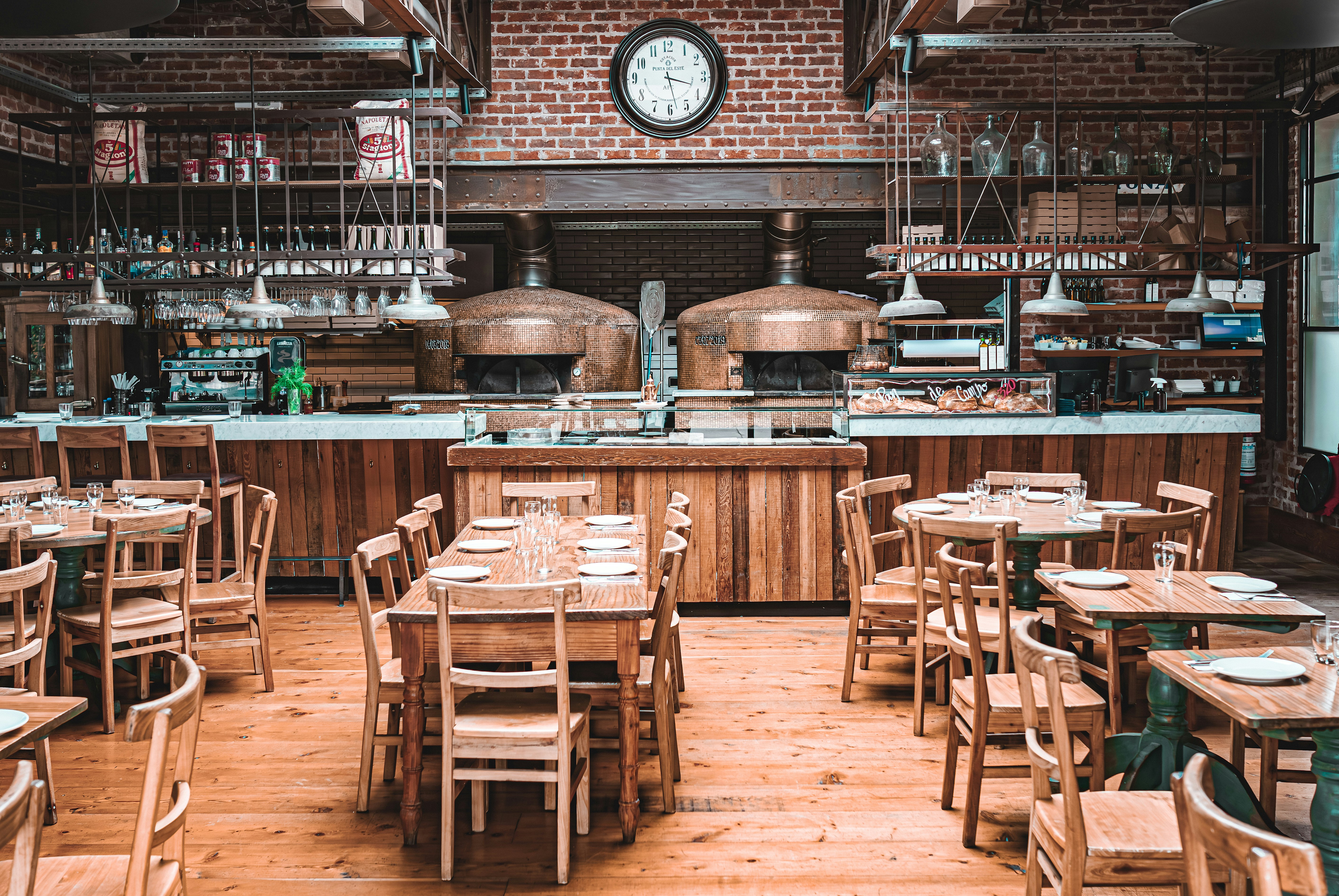
Photo by Sergio Arteaga
Photo by Sergio Arteaga
The imposition of tariffs, particularly the recent escalations by the Trump administration, has introduced significant challenges for restaurants, affecting the costs of essential items, ingredients, appliances, and equipment. Chinese imports, subject to 125% duties, play a crucial role in the restaurant supply chain, posing a threat to staple ingredients like Stevia, spices, and garlic. Additionally, tariffs extend to various other products, ranging from food items like olive oil and sugar to kitchen essentials like ovens and beverage packaging.

Photo by Sergio Arteaga
Experts advise restaurant owners to adopt a proactive and flexible approach to navigate the challenges posed by tariffs effectively. One key strategy is to prioritize reliability by retaining valuable employees, trusted suppliers, and quality ingredients despite cost pressures. Restaurants should also explore diversifying or changing suppliers, considering domestic sources for imports, or stocking up on critical items to cushion against price fluctuations.
To offset the increased supply costs resulting from tariffs, restaurants can focus on operational efficiency. This includes leveraging tools like AI-powered supply chain management, implementing faster payment processing solutions, and maximizing control over controllable aspects of the business. Menu innovation, sourcing locally, and renegotiating contracts can help mitigate the financial impact of tariffs without compromising on quality or customer satisfaction.
Successful restaurateurs emphasize the importance of resilience and adaptability in facing tariff-related hurdles. By learning from past crises, simplifying operations, and exploring alternative ingredients, restaurants can proactively address cost increases and ensure long-term sustainability. Retaining a talented and reliable workforce, brainstorming innovative solutions, and maintaining open communication with suppliers are key elements of a successful tariff mitigation strategy.