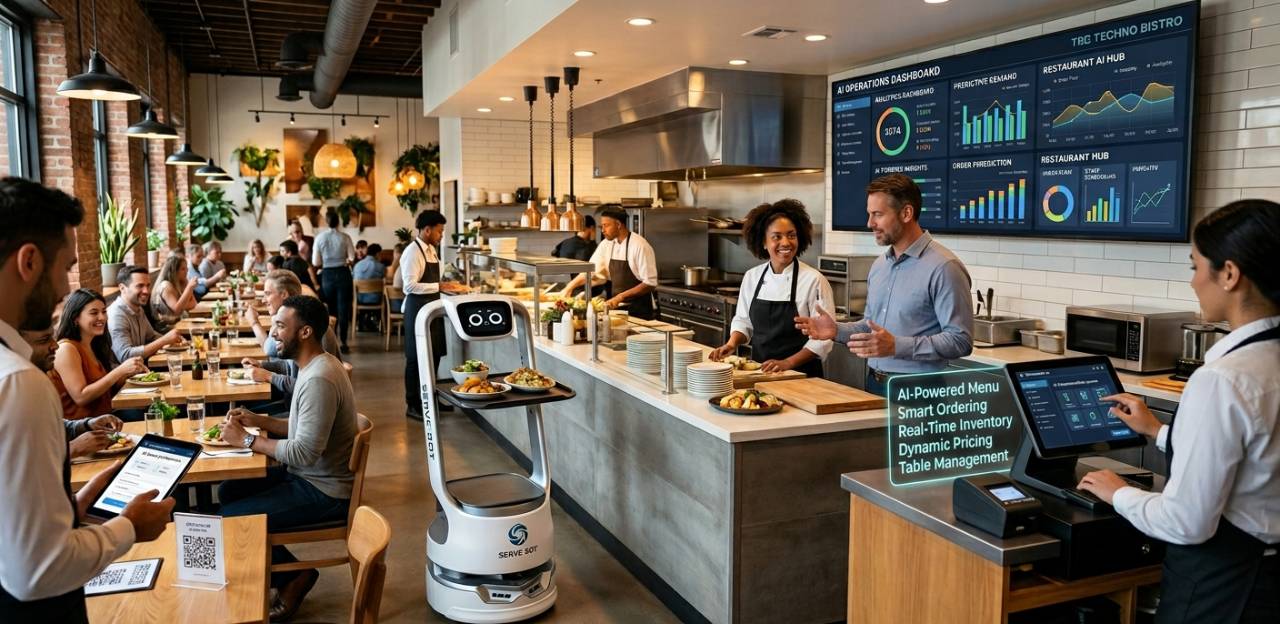
AI Playbook for Restaurant Owners
This AI playbook covers restaurant tools for voice ordering, staffing, compliance, menu pricing, inventory, marketing, ChatGPT prompts, and SEO.
tech
May 15, 2026
This AI playbook covers restaurant tools for voice ordering, staffing, compliance, menu pricing, inventory, marketing, ChatGPT prompts, and SEO.
May 15, 2026
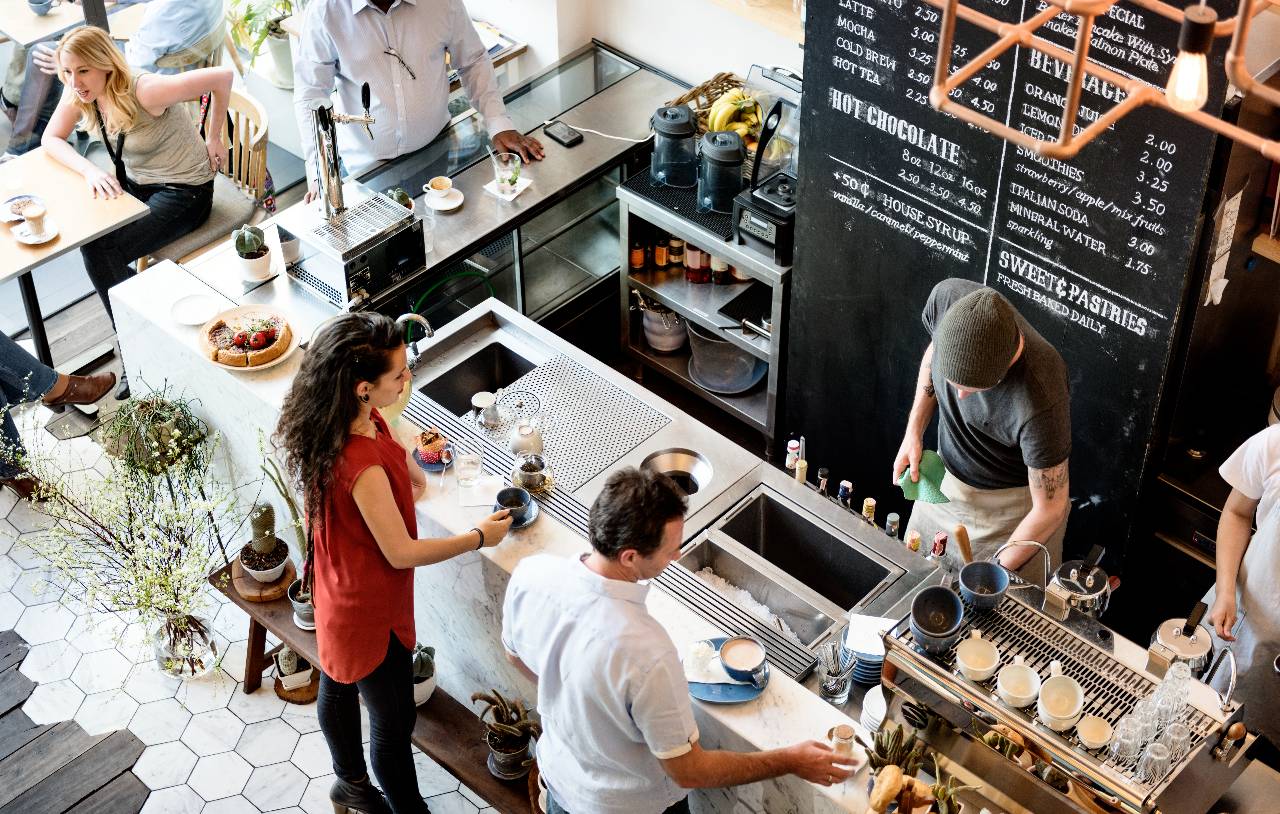
Opening a coffee shop in 2026 requires careful cost planning across rent, equipment, labor, technology, menu strategy, marketing, and sustainability.
May 15, 2026
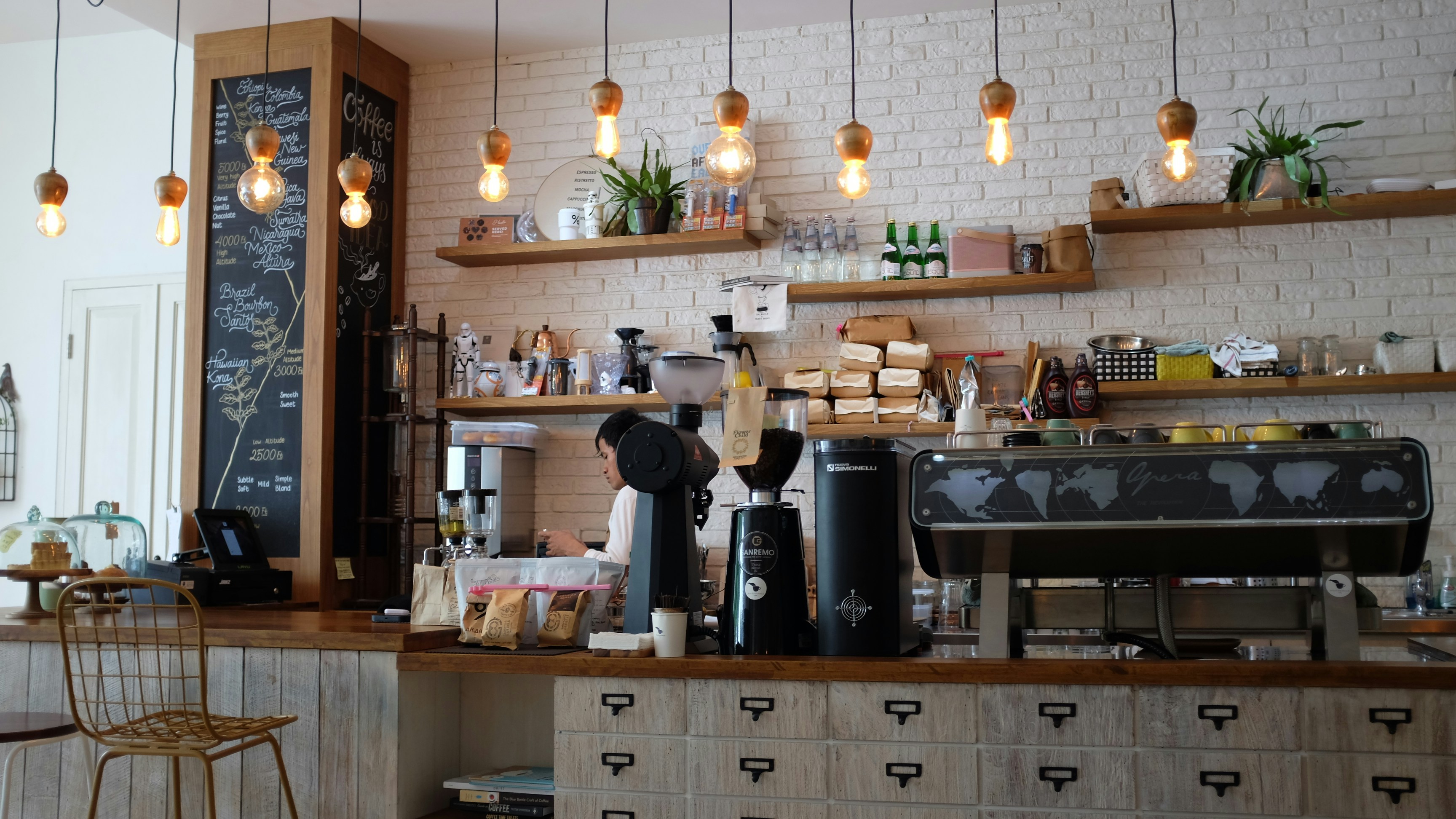
Hardee’s giant Boddie-Noell inks 31-unit Scooter’s Coffee deal for NC and VA, leveraging drive-thru growth and local roots with rollout over 12–18 months.
May 15, 2026
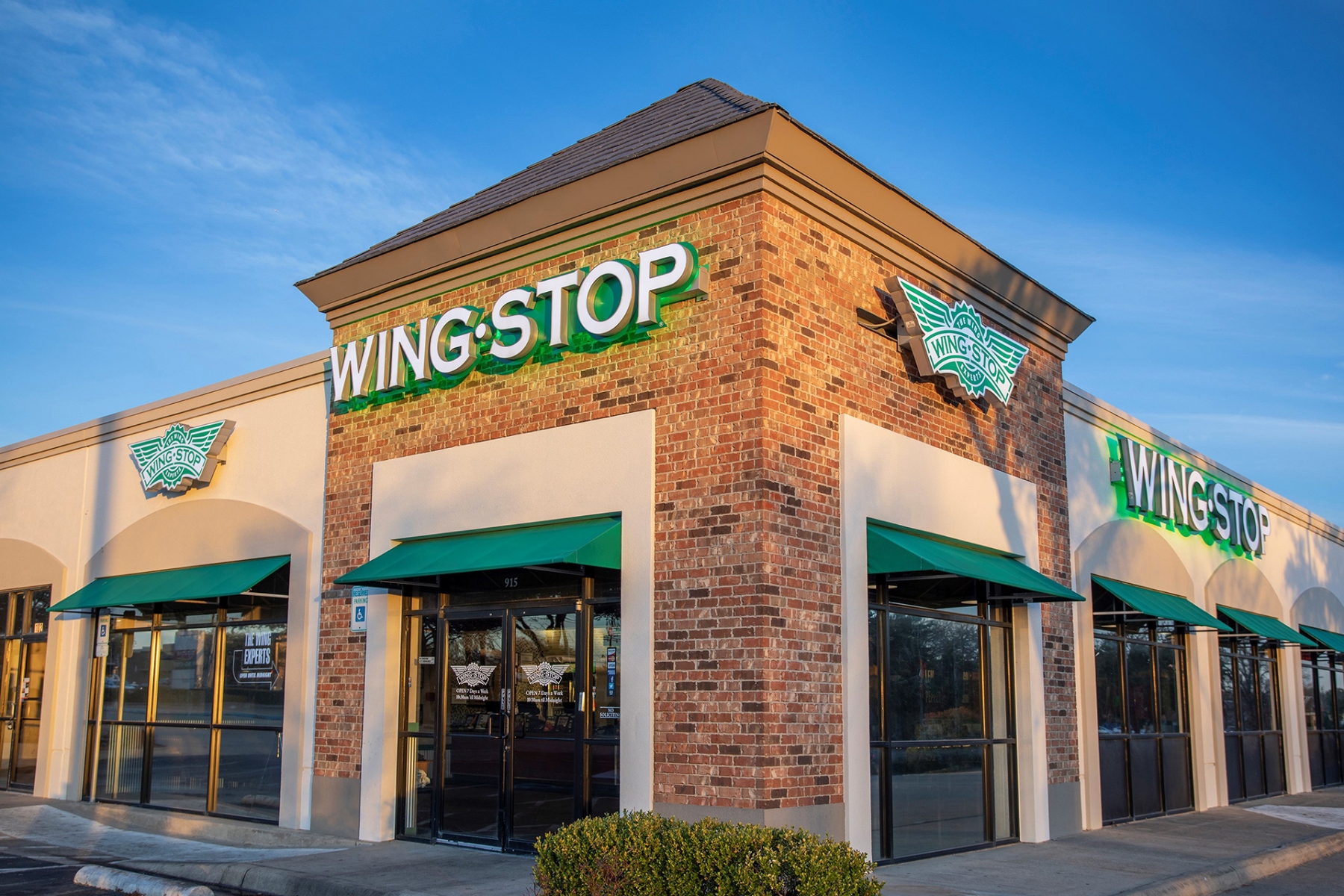
Wingstop turns match weeks into a multi-sensory festival, aligning bold pop-ups with World Cup energy to build brand affinity and measurable momentum.
May 15, 2026

Learn how to develop a memorable restaurant brand identity that stands out in a crowded market, attracts loyal customers, and drives repeat business with actionable strategies and affordable tools.
May 15, 2026
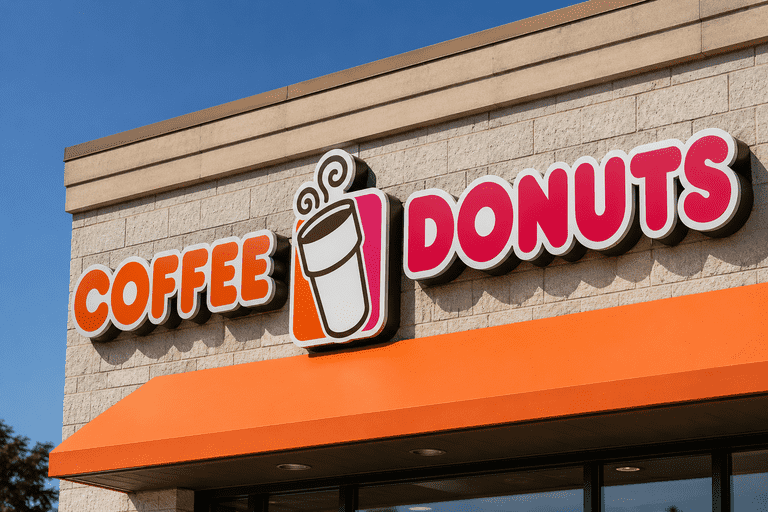
The parent company behind Dunkin', Buffalo Wild Wings, and Arby's has filed for an IPO a move that could reshape how Wall Street views the restaurant sector.
May 15, 2026
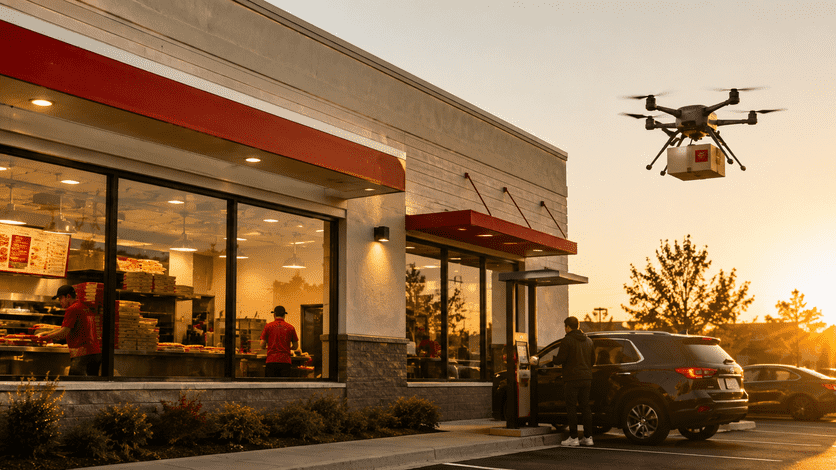
Papa Johns has teamed up with Alphabet's Wing for drone delivery of its new sandwich lineup in parts of Charlotte marking the first partnership of its kind between Wing and a national QSR brand.
May 15, 2026
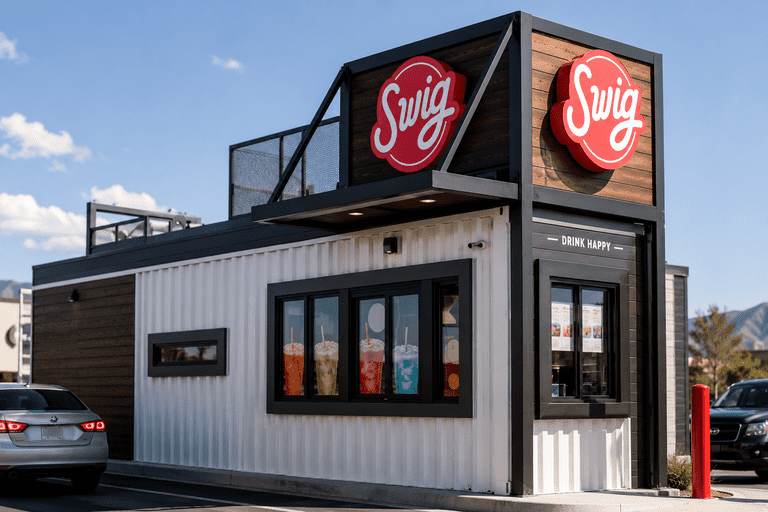
Dirty soda chain Swig is expanding into Colorado through a 10-unit franchise deal, riding a consumer beverage trend that's catching the attention of major QSR players nationwide.
May 15, 2026
A warm, expert-led look at McDonald’s Q1 results, menu makeover, and the refranchise question shaping its growth.
May 14, 2026
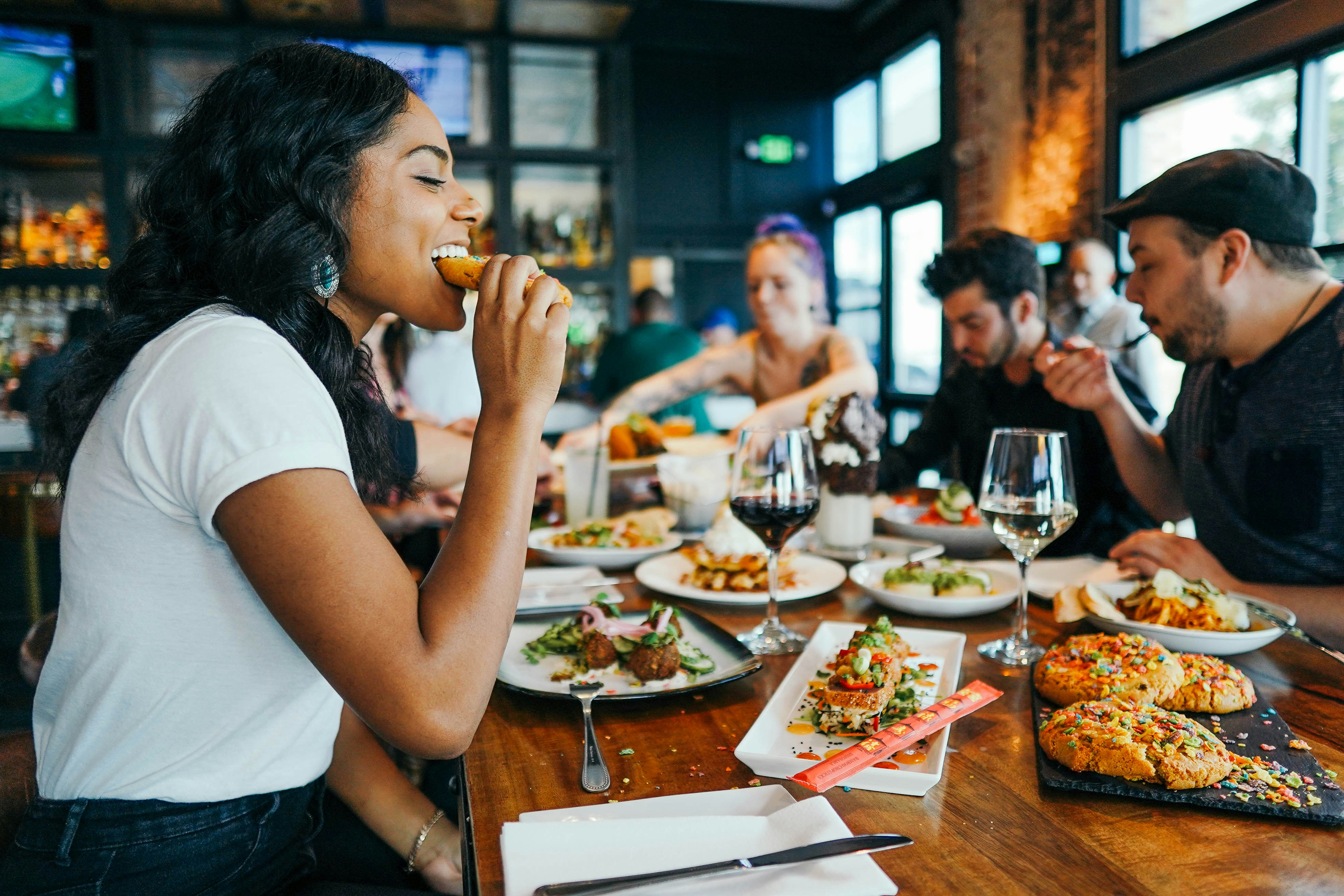
A reflective look at Habit Ranch, its immersive desert activation, and what it signals for brand loyalty and mindful, experiential dining.
May 14, 2026

Unlock Exclusive Access To Webinars, Events, And The Latest News For Free!
Explore the latest trends in restaurant traffic, consumer behavior, and economic indicators influencing the dining landscape.
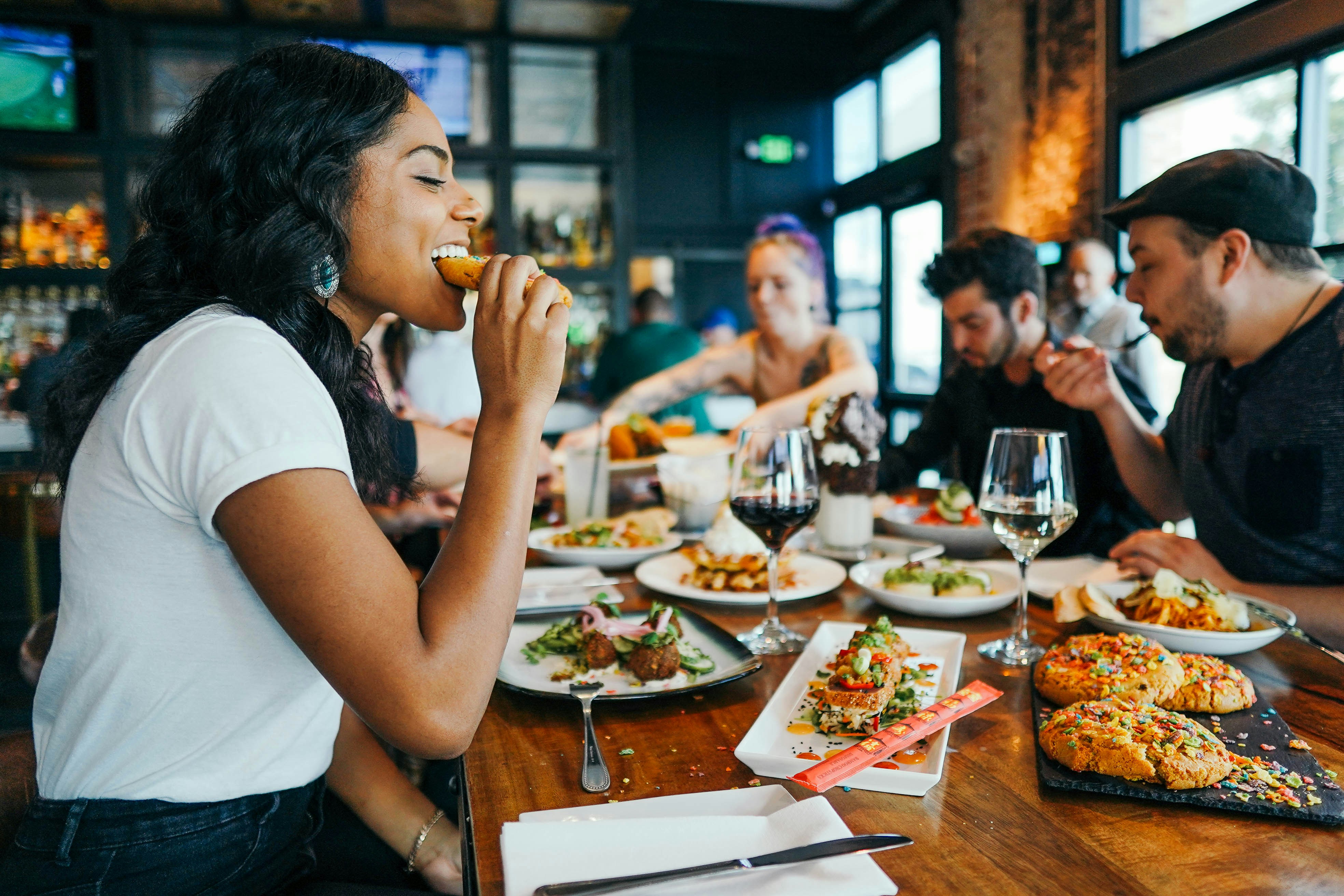
Photo by Alex Haney
Despite economic factors like tariffs and input inflation, restaurant traffic remains resilient. Analysts observe that consumer sentiment and spending habits are not reflecting traditional economic sensitivities, highlighting a decoupling between macroeconomic indicators and dining trends.
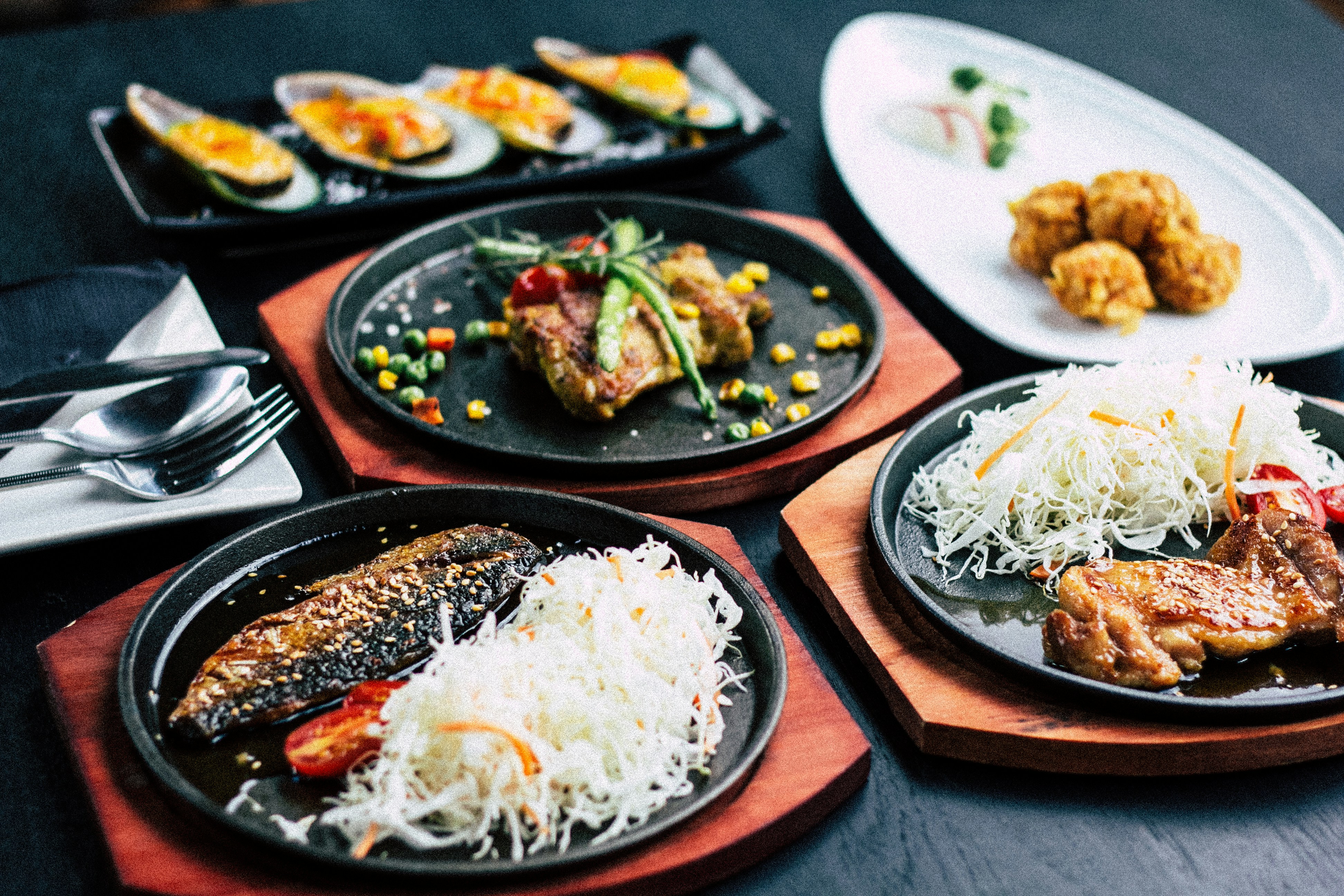
Photo by Alex Haney
Consumer behavior in dining has shifted, with varying demographics showcasing distinct preferences. While lower-income consumers opt for home dining, higher-income brackets continue to dine out, influencing the overall restaurant traffic landscape. This diversification in consumer preferences presents both challenges and opportunities for the restaurant industry.
Photo by Alex Haney
Unemployment rates and disposable income levels remain crucial factors affecting restaurant traffic. As unemployment remains low and disposable income continues to grow, the dining sector is poised for sustained traffic, emphasizing the significance of these economic indicators in forecasting dining trends.
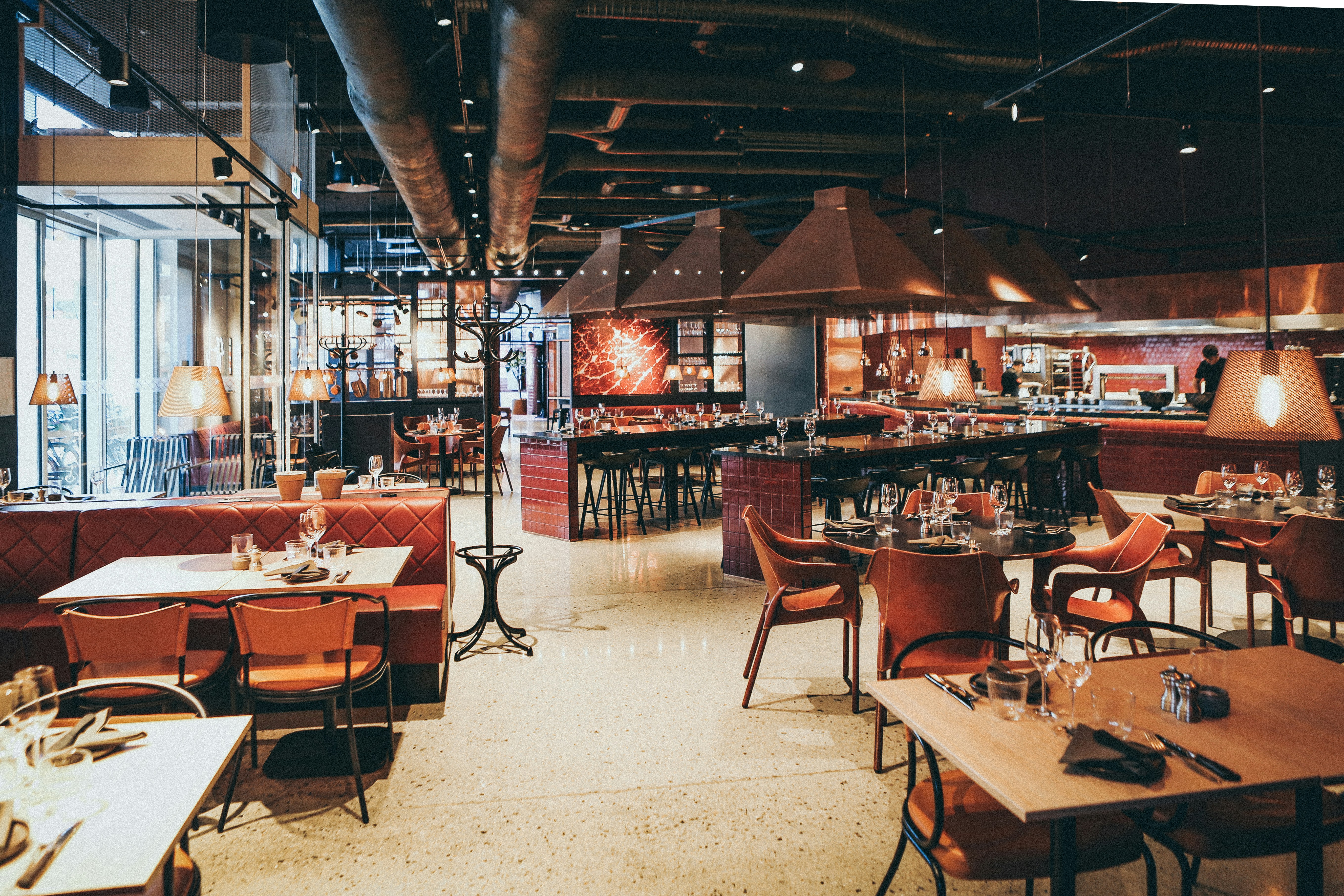
Photo by Alex Haney
In response to consumer demand for value, restaurants are adapting pricing strategies to attract customers. Value menus, reduced check sizes, and emphasizing quality experiences at competitive prices are tactics employed to navigate the evolving dining landscape. The balance between pricing and perceived value is pivotal in driving customer footfall.
Fast-casual restaurants are gaining traction by offering enhanced experiences despite higher prices. Casual dining chains are also leveraging value propositions to appeal to customers amidst shifting preferences. Observing segment performance and market dynamics is crucial for restaurants to adapt and thrive in a competitive environment.
While challenges persist, industry experts remain cautiously optimistic about the future of restaurant traffic. Projections suggest a gradual recovery in the coming quarters, supported by evolving consumer behaviors and economic stability. Adapting to changing dynamics and enhancing value propositions will be key for restaurants to sustain growth.