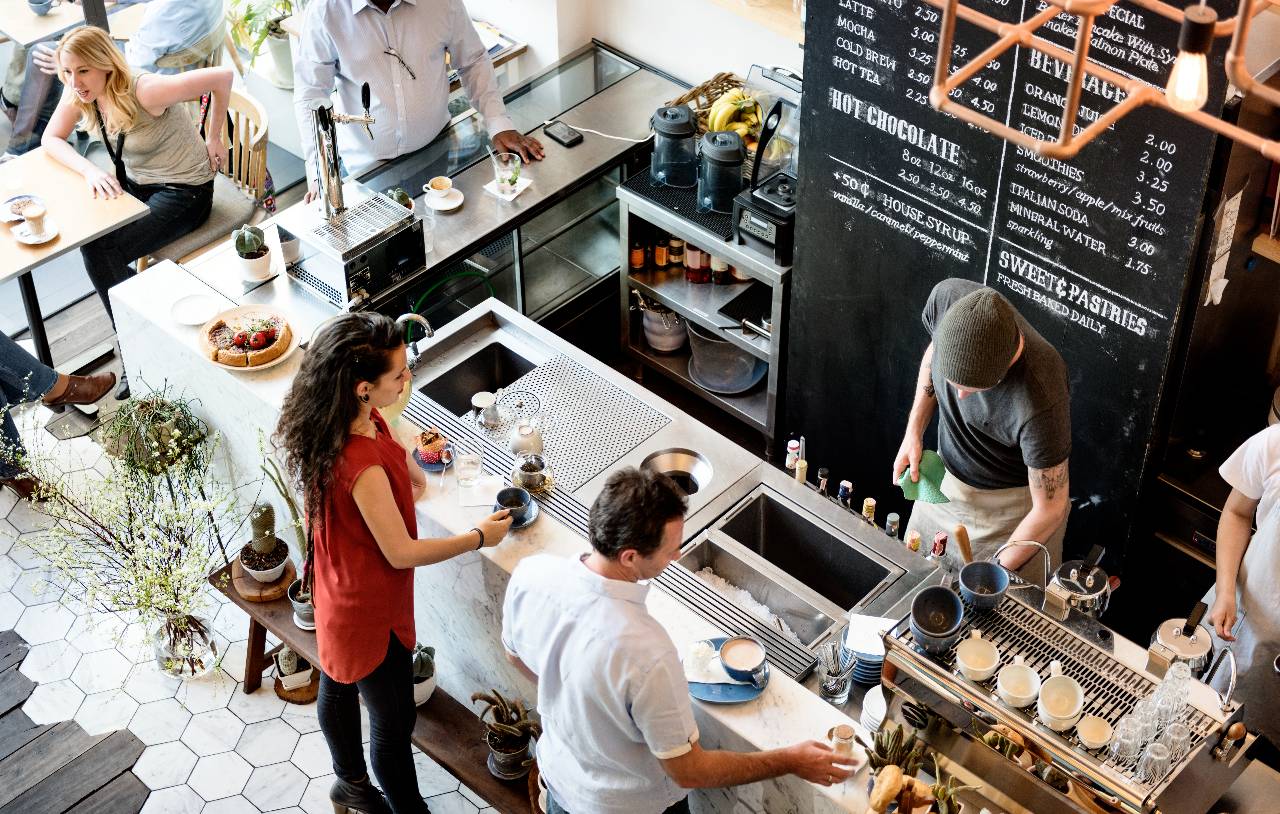
How Much Does It Cost to Open a Coffee Shop in 2026?
Opening a coffee shop in 2026 requires careful cost planning across rent, equipment, labor, technology, menu strategy, marketing, and sustainability.
operations
May 15, 2026
Opening a coffee shop in 2026 requires careful cost planning across rent, equipment, labor, technology, menu strategy, marketing, and sustainability.
May 15, 2026
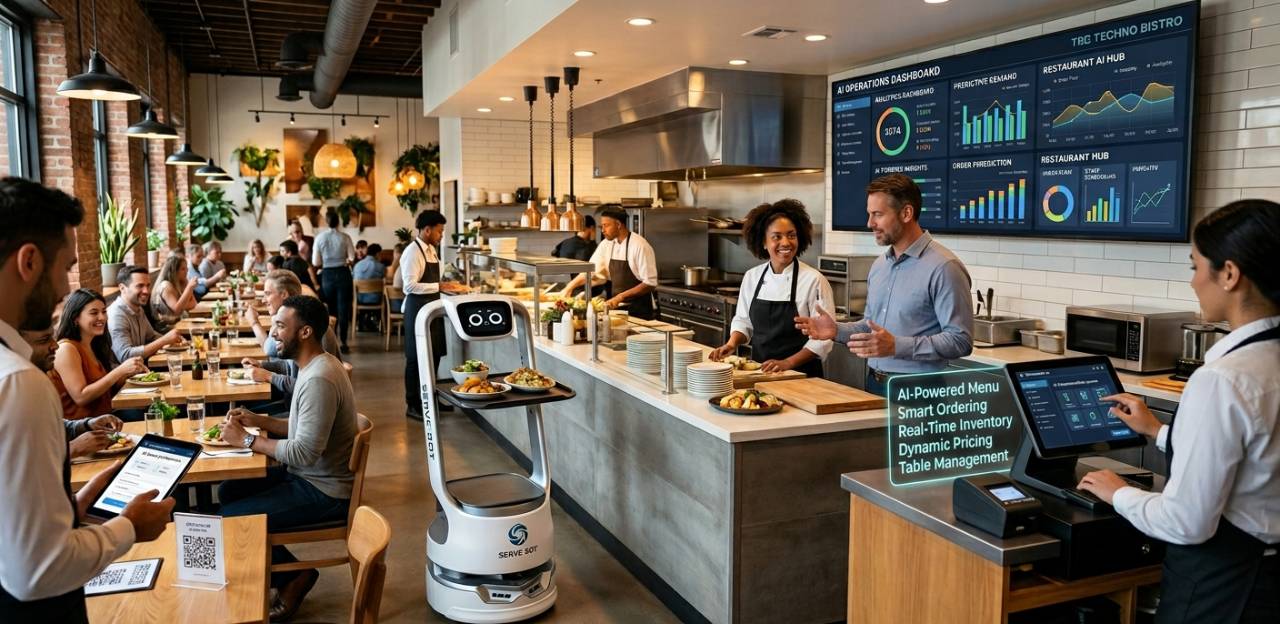
This AI playbook covers restaurant tools for voice ordering, staffing, compliance, menu pricing, inventory, marketing, ChatGPT prompts, and SEO.
May 15, 2026
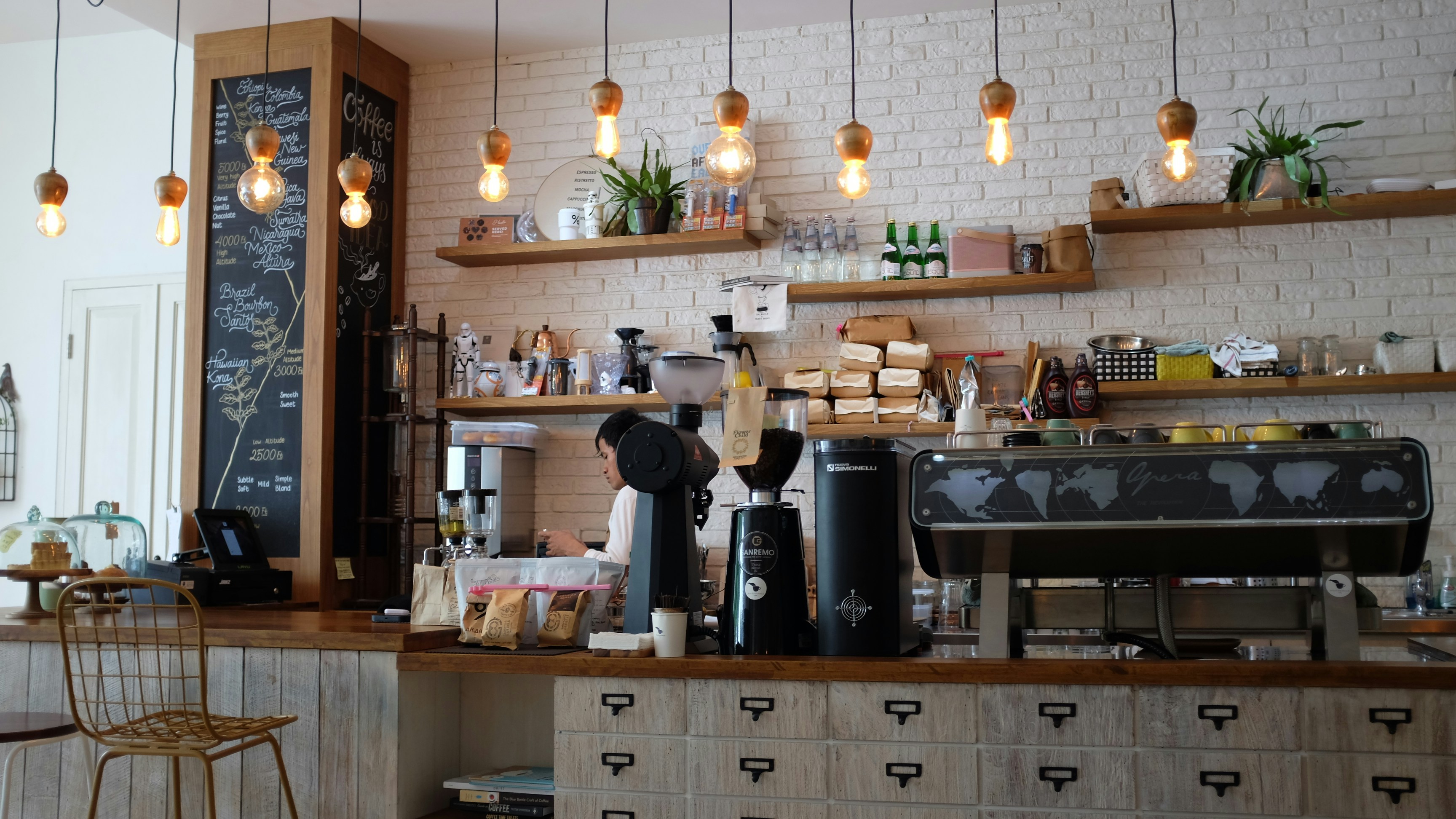
Hardee’s giant Boddie-Noell inks 31-unit Scooter’s Coffee deal for NC and VA, leveraging drive-thru growth and local roots with rollout over 12–18 months.
May 15, 2026
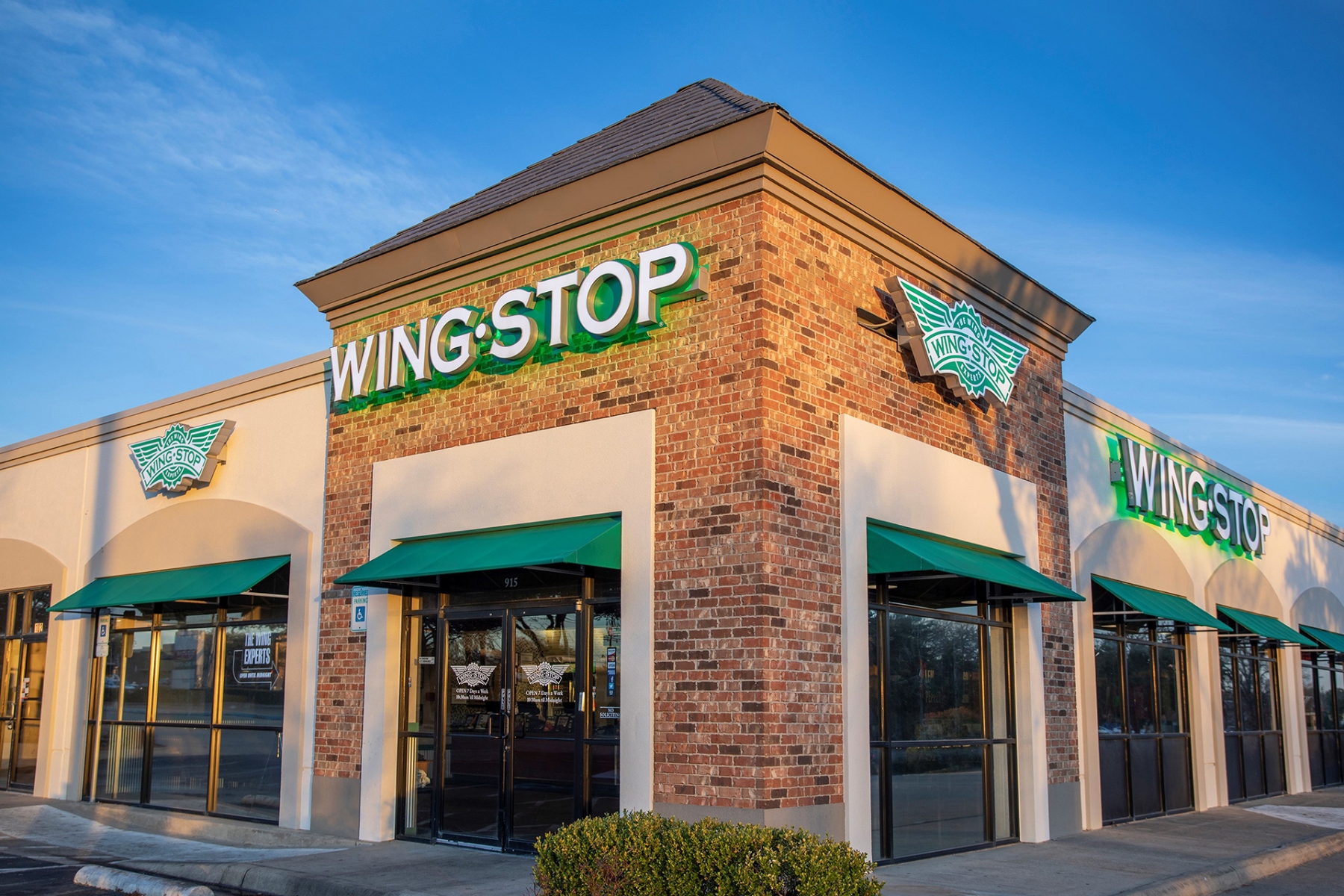
Wingstop turns match weeks into a multi-sensory festival, aligning bold pop-ups with World Cup energy to build brand affinity and measurable momentum.
May 15, 2026
The parent company behind Dunkin', Buffalo Wild Wings, and Arby's has filed for an IPO a move that could reshape how Wall Street views the restaurant sector.
May 15, 2026
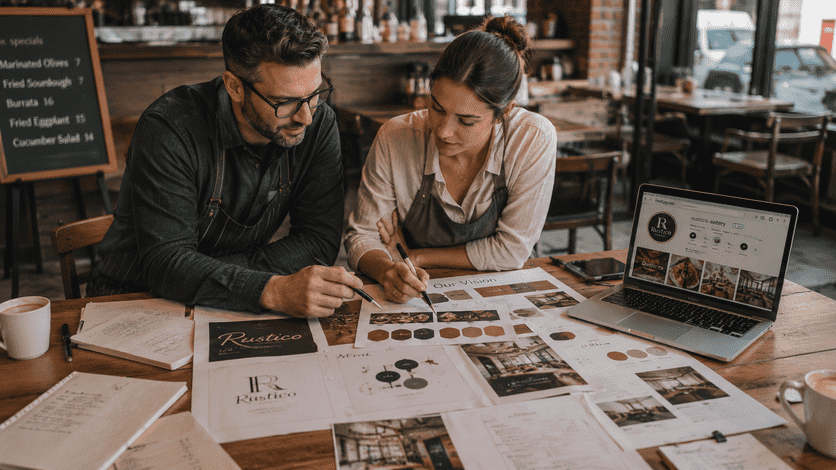
Learn how to develop a memorable restaurant brand identity that stands out in a crowded market, attracts loyal customers, and drives repeat business with actionable strategies and affordable tools.
May 15, 2026
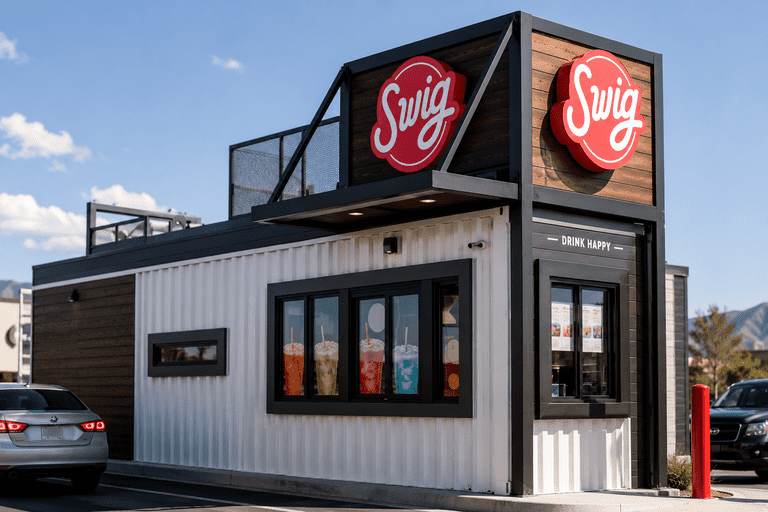
Dirty soda chain Swig is expanding into Colorado through a 10-unit franchise deal, riding a consumer beverage trend that's catching the attention of major QSR players nationwide.
May 15, 2026
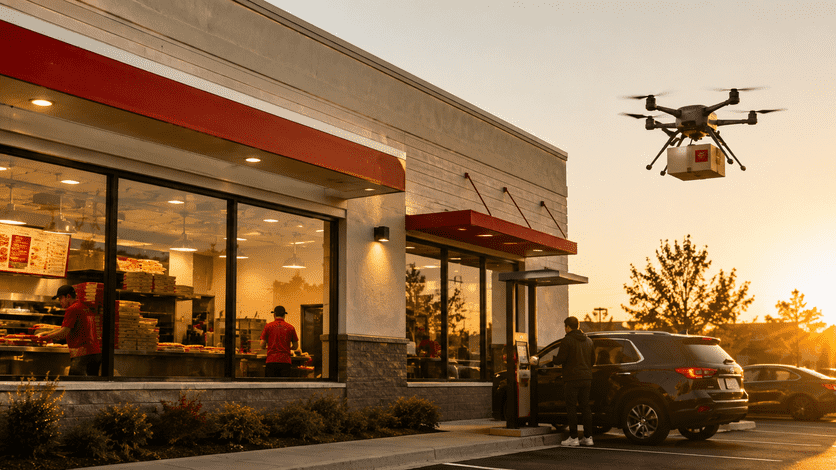
Papa Johns has teamed up with Alphabet's Wing for drone delivery of its new sandwich lineup in parts of Charlotte marking the first partnership of its kind between Wing and a national QSR brand.
May 15, 2026
A warm, expert-led look at McDonald’s Q1 results, menu makeover, and the refranchise question shaping its growth.
May 14, 2026
A reflective look at Habit Ranch, its immersive desert activation, and what it signals for brand loyalty and mindful, experiential dining.
May 14, 2026

Unlock Exclusive Access To Webinars, Events, And The Latest News For Free!
Learn about the challenges faced by businesses in ensuring immigration compliance and the repercussions of non-compliance on employment practices.

Photo by Kyle Loftus
Photo by Kyle Loftus
The recent lawsuit against The Cheesecake Factory sheds light on the serious ramifications of failing to comply with immigration laws in the workplace. The alleged recruitment of undocumented workers with false employment authorization documents and subjecting them to abusive conditions raises concerns about human rights violations and exploitation. Such actions not only violate federal laws but also reflect poorly on the ethical standards of the organization.
Businesses operating in diverse environments face challenges in navigating complex immigration regulations while maintaining ethical employment practices. The need to verify employee eligibility accurately and ethically, especially in industries prone to vulnerabilities and exploitation, requires a robust compliance framework. The Cheesecake Factory case highlights the gravity of non-compliance and the importance of stringent hiring practices.
Photo by Kyle Loftus
The stringent enforcement actions by government authorities, such as the revocation of employment authorization for certain immigrant workers, have created a sense of urgency for employers to ensure compliance with verification processes like E-Verify. Failure to conduct proper checks can result in legal repercussions, reputational damage, and financial penalties. Businesses must proactively adapt to evolving immigration policies to mitigate risks.
The increase in government audits of Form I-9s underscores the need for employers, particularly in high-risk sectors like hospitality and construction, to prioritize compliance efforts. Conducting regular audits, training HR staff on verification procedures, and staying informed about regulatory updates are essential steps in safeguarding against non-compliance allegations. Implementing best practices can safeguard both employees' rights and the organization's reputation.