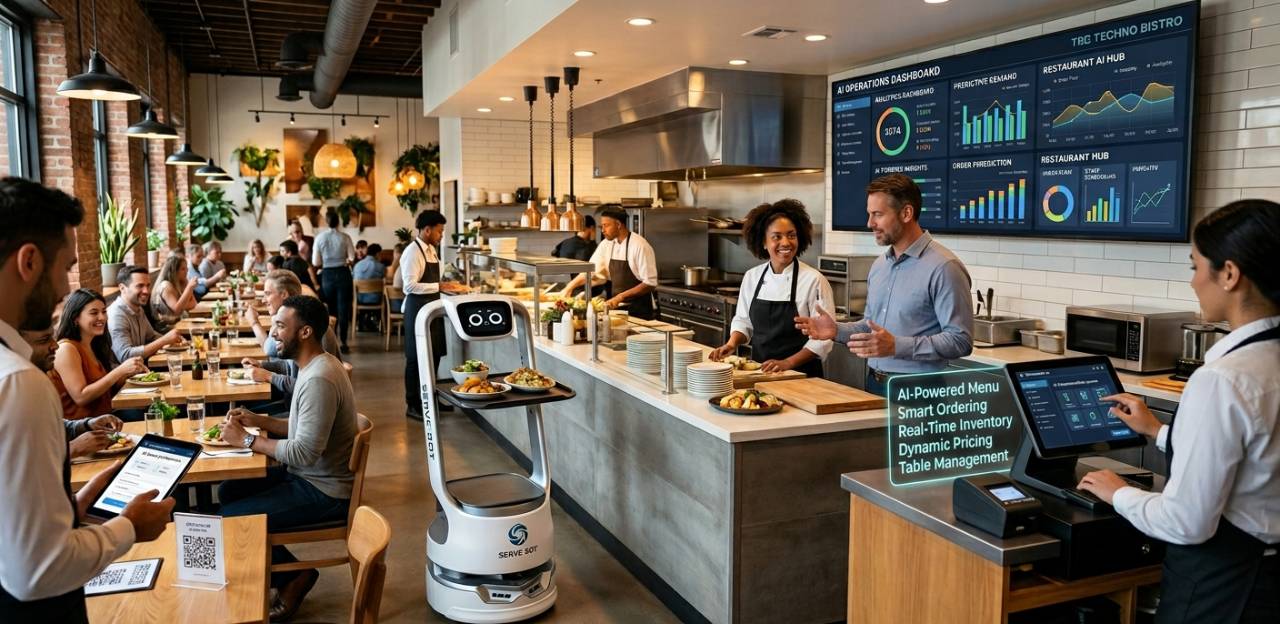
AI Playbook for Restaurant Owners
This AI playbook covers restaurant tools for voice ordering, staffing, compliance, menu pricing, inventory, marketing, ChatGPT prompts, and SEO.
tech
May 15, 2026
This AI playbook covers restaurant tools for voice ordering, staffing, compliance, menu pricing, inventory, marketing, ChatGPT prompts, and SEO.
May 15, 2026

Opening a coffee shop in 2026 requires careful cost planning across rent, equipment, labor, technology, menu strategy, marketing, and sustainability.
May 15, 2026

Hardee’s giant Boddie-Noell inks 31-unit Scooter’s Coffee deal for NC and VA, leveraging drive-thru growth and local roots with rollout over 12–18 months.
May 15, 2026
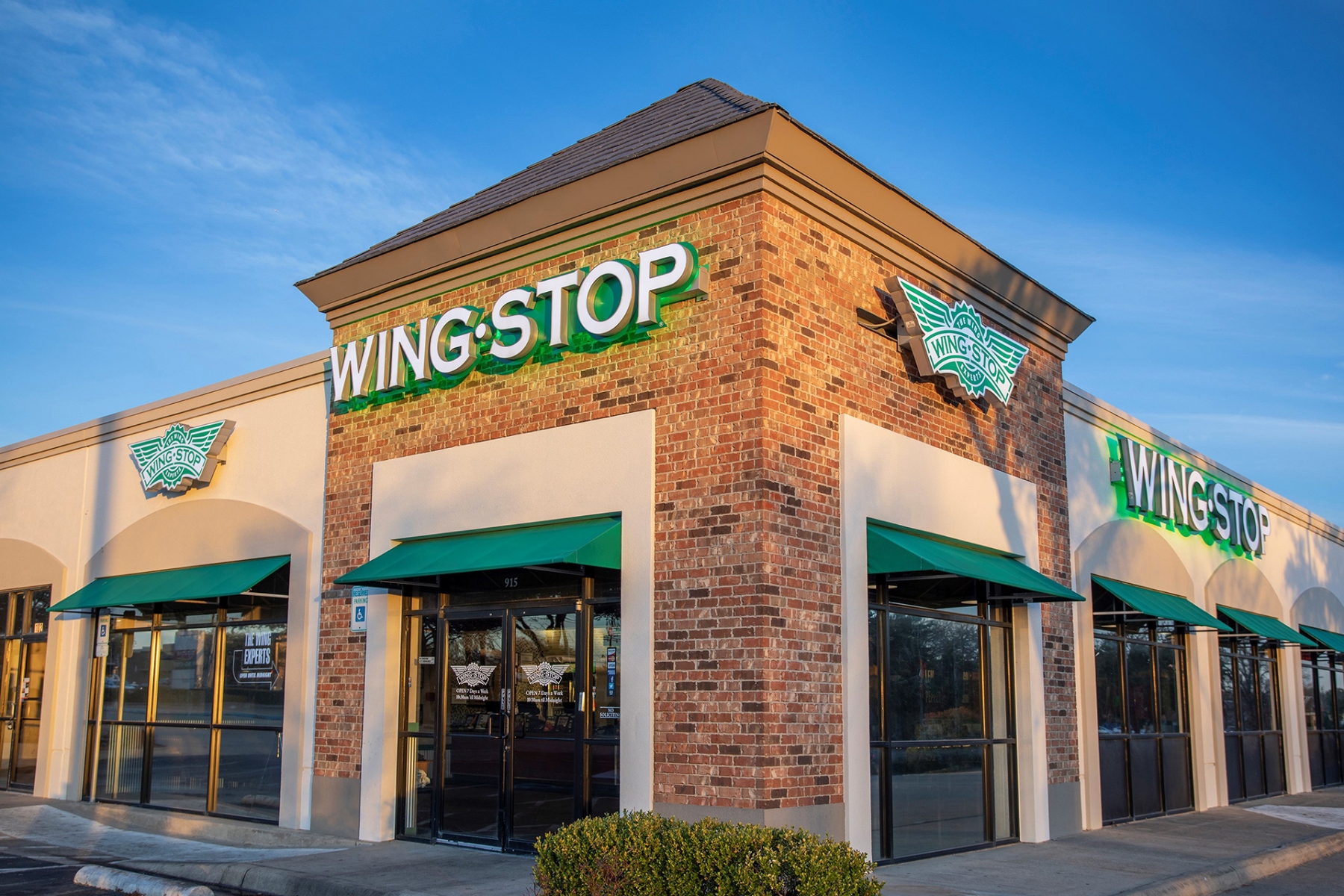
Wingstop turns match weeks into a multi-sensory festival, aligning bold pop-ups with World Cup energy to build brand affinity and measurable momentum.
May 15, 2026

Learn how to develop a memorable restaurant brand identity that stands out in a crowded market, attracts loyal customers, and drives repeat business with actionable strategies and affordable tools.
May 15, 2026
The parent company behind Dunkin', Buffalo Wild Wings, and Arby's has filed for an IPO a move that could reshape how Wall Street views the restaurant sector.
May 15, 2026
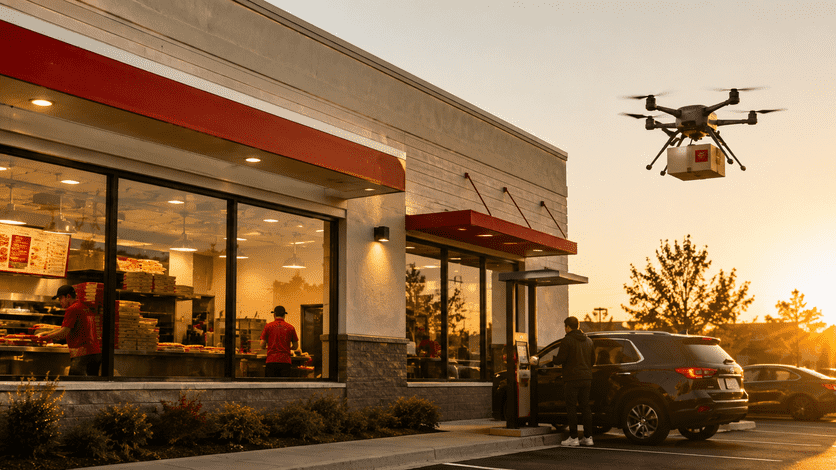
Papa Johns has teamed up with Alphabet's Wing for drone delivery of its new sandwich lineup in parts of Charlotte marking the first partnership of its kind between Wing and a national QSR brand.
May 15, 2026
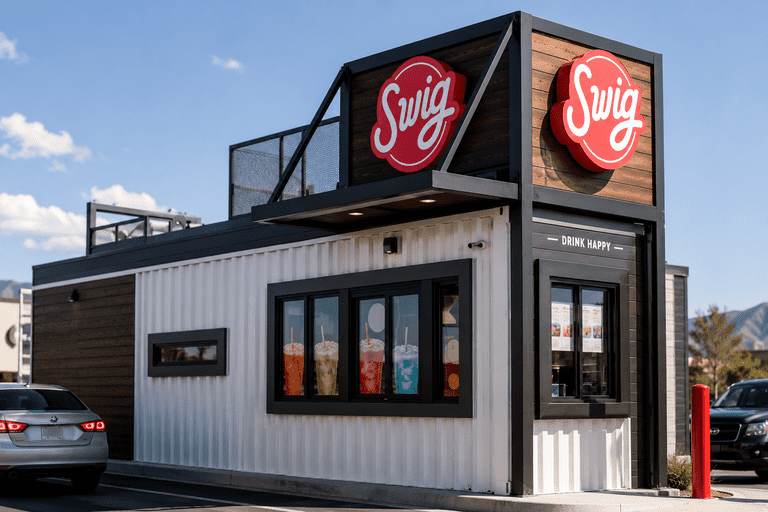
Dirty soda chain Swig is expanding into Colorado through a 10-unit franchise deal, riding a consumer beverage trend that's catching the attention of major QSR players nationwide.
May 15, 2026

A warm, expert-led look at McDonald’s Q1 results, menu makeover, and the refranchise question shaping its growth.
May 14, 2026

A reflective look at Habit Ranch, its immersive desert activation, and what it signals for brand loyalty and mindful, experiential dining.
May 14, 2026

Unlock Exclusive Access To Webinars, Events, And The Latest News For Free!
Explore the complexities of franchise challenges, bankruptcy, Chapter 11, and the role of franchisors in supporting struggling franchisees.

Photo by Jan Baborák

Photo by Jan Baborák
The recent years have witnessed a surge in franchisee bankruptcies, impacting major chains like Burger King, Popeyes, McDonald’s, and Wendy’s. These bankruptcies are a result of various factors such as soaring ingredient and labor costs, declining foot traffic, and a prevalent sense of economic uncertainty among consumers. The move away from city centers and the reduction in office workers in downtown districts have added to the challenges faced by franchise operators.

Photo by Jan Baborák
Bankruptcy in the franchise industry mainly falls into two categories – Chapter 7 and Chapter 11. While Chapter 7 entails liquidation, Chapter 11 focuses on reorganization. The stigma associated with bankruptcy often stems from Chapter 7, but the majority of corporate bankruptcies belong to Chapter 11. It serves as a tool to restructure debt and pave the way for a sustainable business model.

Photo by Jan Baborák
Embracing Chapter 11 bankruptcy can be a pivotal move for struggling franchisees. It allows for necessary restructurings like lease renegotiations, closing unprofitable locations, or debt restructuring. Recognizing the need for Chapter 11 is essential to prevent further financial deterioration and steer the business towards stability.
Franchisors play a crucial role in supporting franchisees during challenging times. By closely monitoring the financial health of their network and offering financial assistance or adjusting royalties, franchisors can mitigate distress among operators. Encouraging proactive conversations with landlords and facilitating relocation processes can also aid struggling franchisees in adapting to changing market landscapes.

Photo by Jan Baborák
Franchise systems facing financial distress can explore alternative strategies to support struggling operators. Prioritizing the well-being of franchisees over immediate costly renovations can prevent additional debt burdens. Utilizing comprehensive reporting systems to detect early signs of financial struggles enables franchisors to intervene proactively and avert potential bankruptcies.