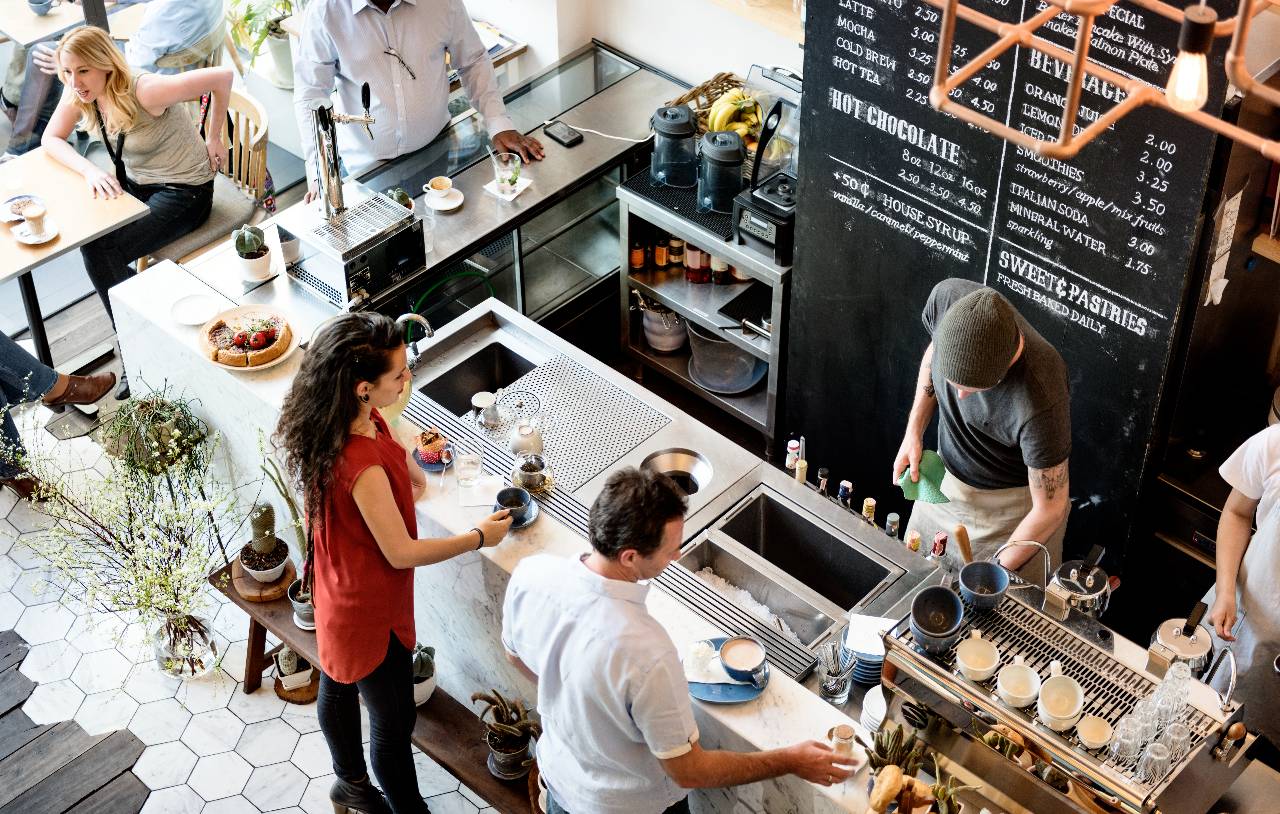
How Much Does It Cost to Open a Coffee Shop in 2026?
Opening a coffee shop in 2026 requires careful cost planning across rent, equipment, labor, technology, menu strategy, marketing, and sustainability.
operations
May 15, 2026
Opening a coffee shop in 2026 requires careful cost planning across rent, equipment, labor, technology, menu strategy, marketing, and sustainability.
May 15, 2026
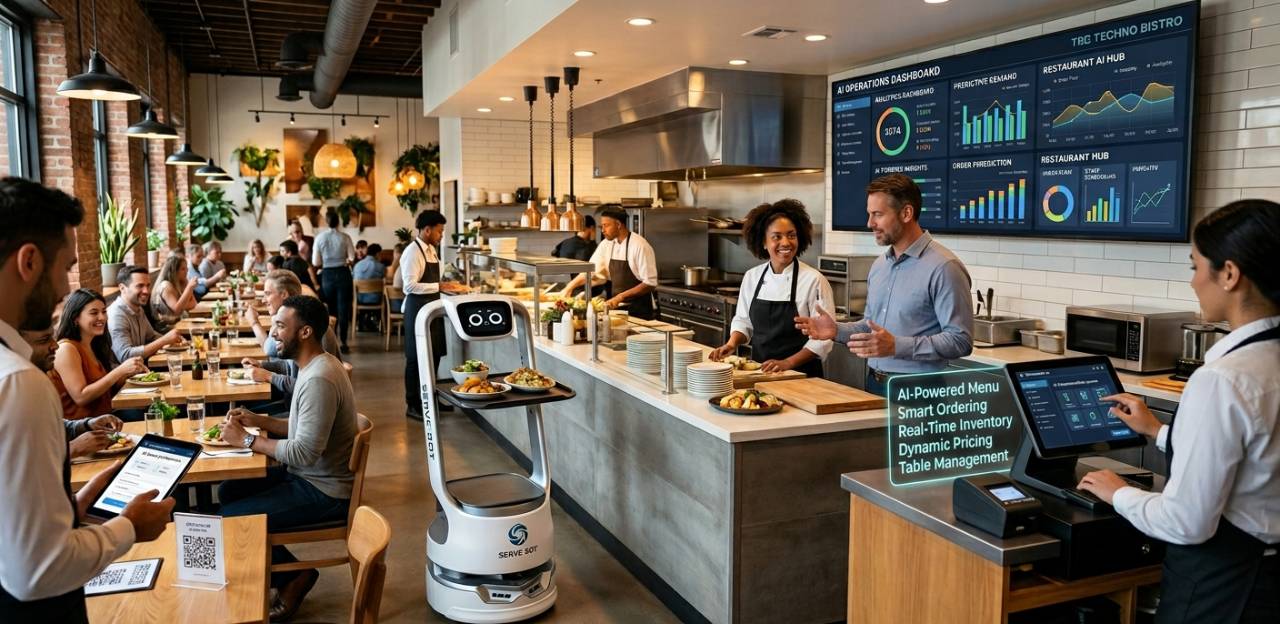
This AI playbook covers restaurant tools for voice ordering, staffing, compliance, menu pricing, inventory, marketing, ChatGPT prompts, and SEO.
May 15, 2026
Hardee’s giant Boddie-Noell inks 31-unit Scooter’s Coffee deal for NC and VA, leveraging drive-thru growth and local roots with rollout over 12–18 months.
May 15, 2026
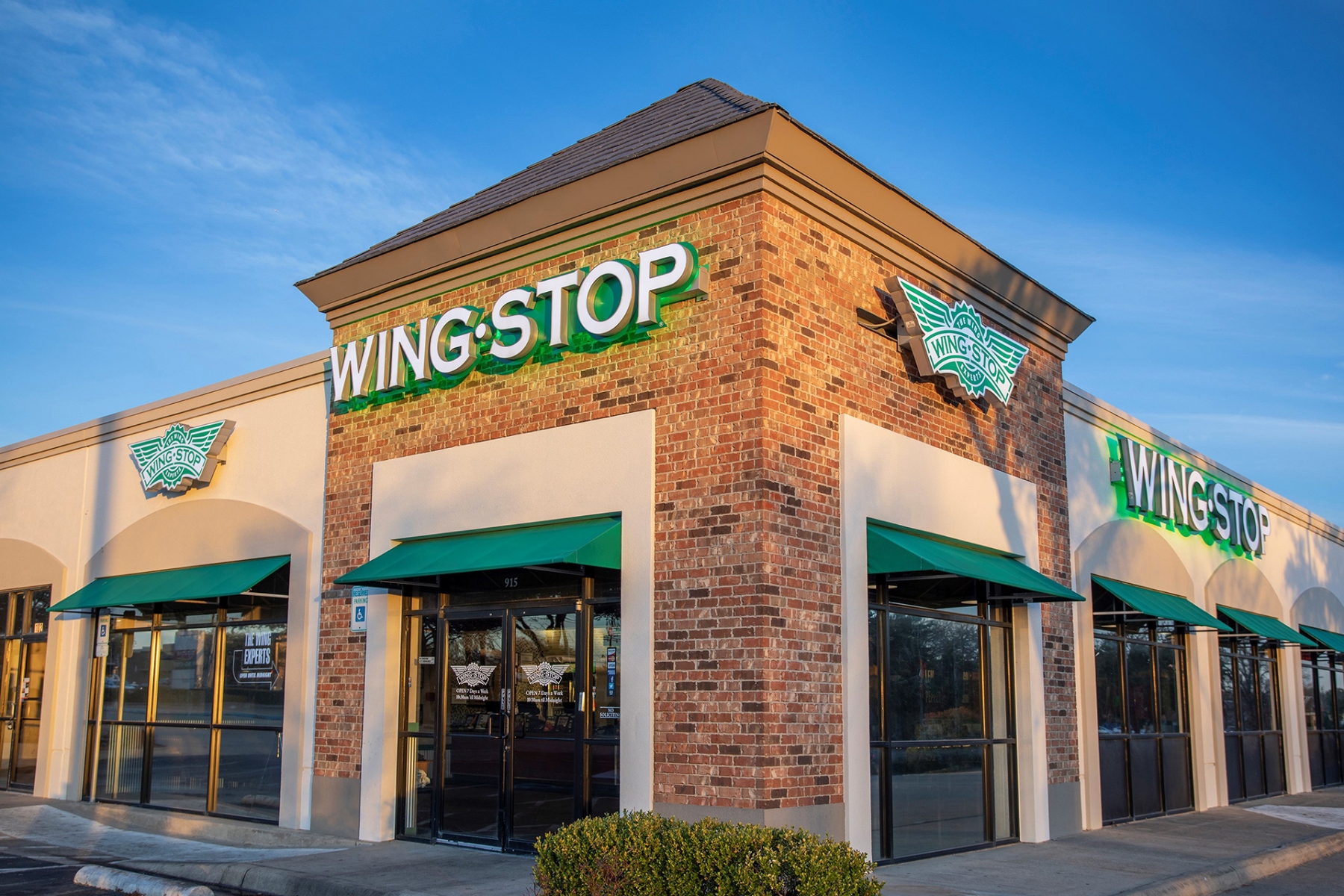
Wingstop turns match weeks into a multi-sensory festival, aligning bold pop-ups with World Cup energy to build brand affinity and measurable momentum.
May 15, 2026
The parent company behind Dunkin', Buffalo Wild Wings, and Arby's has filed for an IPO a move that could reshape how Wall Street views the restaurant sector.
May 15, 2026

Learn how to develop a memorable restaurant brand identity that stands out in a crowded market, attracts loyal customers, and drives repeat business with actionable strategies and affordable tools.
May 15, 2026
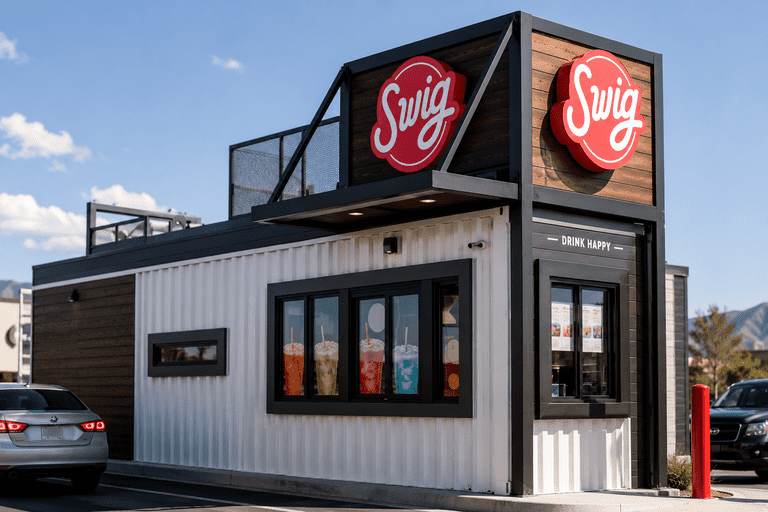
Dirty soda chain Swig is expanding into Colorado through a 10-unit franchise deal, riding a consumer beverage trend that's catching the attention of major QSR players nationwide.
May 15, 2026
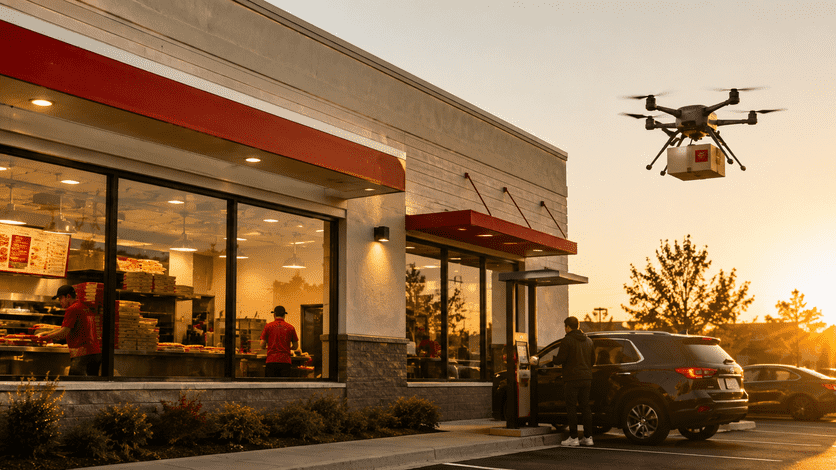
Papa Johns has teamed up with Alphabet's Wing for drone delivery of its new sandwich lineup in parts of Charlotte marking the first partnership of its kind between Wing and a national QSR brand.
May 15, 2026
A warm, expert-led look at McDonald’s Q1 results, menu makeover, and the refranchise question shaping its growth.
May 14, 2026
A reflective look at Habit Ranch, its immersive desert activation, and what it signals for brand loyalty and mindful, experiential dining.
May 14, 2026

Unlock Exclusive Access To Webinars, Events, And The Latest News For Free!
Explore the financial challenges faced by Matadoor, a Del Taco franchisee, and how they navigated restructuring and bankruptcy.
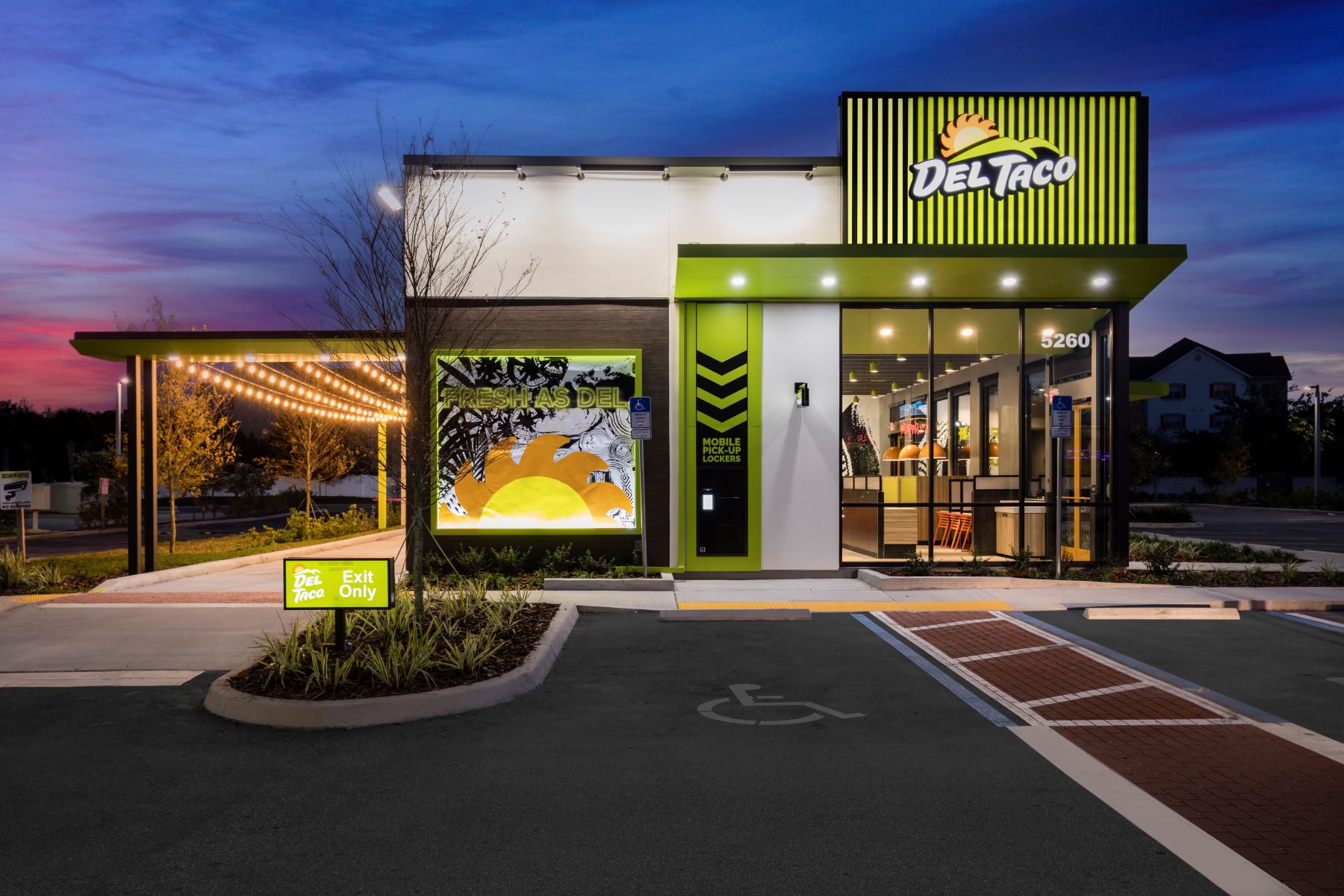
Matadoor, a prominent Del Taco franchisee, recently faced significant financial challenges that ultimately led to the company's decision to file for Chapter 11 bankruptcy. The issues began when Newport Ventures, the previous owner of 18 Del Taco locations in Colorado, declared bankruptcy, prompting the closure of all restaurants in February. Del Taco subsequently took over the ownership of these units, reopening 17 locations in late June.
Del Taco, as a whole, has been grappling with declining same-store sales, with a notable decrease of 3.6% in fiscal Q2 2025. This decline was even more pronounced in franchised same-store sales, down by 4.2%, and company-owned units, which saw a 1.7% decrease. These challenges within the Del Taco network directly affected Matadoor, exacerbating its financial situation.
In an attempt to address its cash flow issues, Matadoor resorted to taking multiple merchant cash advance (MCA) loans. However, the terms of these loans, including high fees, effective interest rates, and aggressive payback schedules, deepened Matadoor's financial woes. The company ended up accumulating a total of approximately $2.7 million in loans from nine different creditors.
The inability of Matadoor to meet its MCA obligations resulted in creditors claiming an interest in the company's future sales and accounts receivable. Some creditors took legal action by filing UCC-1 financing statements, establishing priority over Matadoor's assets. As a last resort, facing mounting debts and operational constraints, Matadoor made the decision to file for Chapter 11 bankruptcy to halt collection efforts and initiate a reorganization process.
Matadoor's financial turmoil also had implications for its parent company, which owns Red Door Pizza, Red Door Sandwich, and Maverick Restaurant Group. These entities, operating various quick-service restaurant (QSR) brands such as Little Caesars, McAlister’s Deli, and Arby’s, followed suit by filing separate Chapter 11 bankruptcy petitions. The financial difficulties experienced by Matadoor directly influenced the decision-making within the parent company's portfolio of brands, highlighting the interconnectedness of the business's financial health.