How Much Does It Cost to Open a Coffee Shop in 2026?
Opening a coffee shop in 2026 requires careful cost planning across rent, equipment, labor, technology, menu strategy, marketing, and sustainability.
operations
May 15, 2026
Opening a coffee shop in 2026 requires careful cost planning across rent, equipment, labor, technology, menu strategy, marketing, and sustainability.
May 15, 2026

This AI playbook covers restaurant tools for voice ordering, staffing, compliance, menu pricing, inventory, marketing, ChatGPT prompts, and SEO.
May 15, 2026

Hardee’s giant Boddie-Noell inks 31-unit Scooter’s Coffee deal for NC and VA, leveraging drive-thru growth and local roots with rollout over 12–18 months.
May 15, 2026

Wingstop turns match weeks into a multi-sensory festival, aligning bold pop-ups with World Cup energy to build brand affinity and measurable momentum.
May 15, 2026

The parent company behind Dunkin', Buffalo Wild Wings, and Arby's has filed for an IPO a move that could reshape how Wall Street views the restaurant sector.
May 15, 2026

Learn how to develop a memorable restaurant brand identity that stands out in a crowded market, attracts loyal customers, and drives repeat business with actionable strategies and affordable tools.
May 15, 2026

Dirty soda chain Swig is expanding into Colorado through a 10-unit franchise deal, riding a consumer beverage trend that's catching the attention of major QSR players nationwide.
May 15, 2026

Papa Johns has teamed up with Alphabet's Wing for drone delivery of its new sandwich lineup in parts of Charlotte marking the first partnership of its kind between Wing and a national QSR brand.
May 15, 2026

A warm, expert-led look at McDonald’s Q1 results, menu makeover, and the refranchise question shaping its growth.
May 14, 2026

A reflective look at Habit Ranch, its immersive desert activation, and what it signals for brand loyalty and mindful, experiential dining.
May 14, 2026

Unlock Exclusive Access To Webinars, Events, And The Latest News For Free!
Explore the latest employment trends, job growth, and recruitment challenges in the restaurant industry based on the November 2024 data release from the Bureau of Labor Statistics.
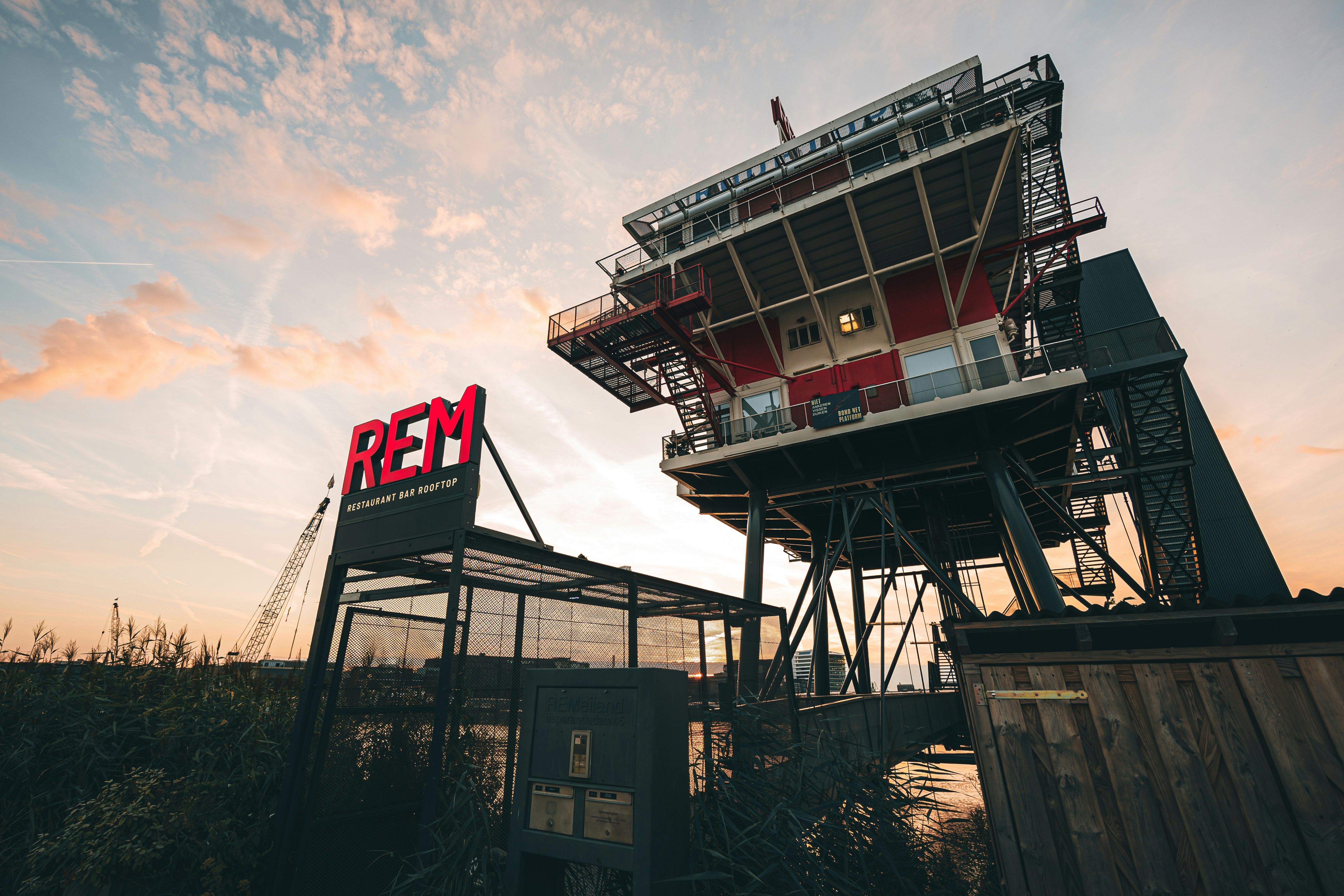
Photo by Luca Cavallin
According to the recent data released by the Bureau of Labor Statistics, the restaurant and bar sector experienced a moderation in growth in November 2024. With approximately 29,000 positions added during this period, the industry witnessed a notable change compared to the previous two months. This shift in employment trends signals a more controlled approach to hiring, reflective of businesses strategically gearing up for the upcoming year of growth and expansion.
In November 2024, the employment scenario in leisure and hospitality showed a positive trend with an addition of 53,000 jobs, following a marginal increase in the prior month. This sector had been averaging around 21,000 new jobs per month over the last year, indicating a steady growth pattern. The consistent uptick in employment highlights the resilience of the hospitality industry amidst changing economic landscapes and policy shifts.

Photo by Luca Cavallin
While the employment figures show promise, recruitment remains a significant concern for operators in the restaurant industry. The Restaurant Workforce Report for 2025 revealed that 65% of respondents perceive the current labor market as 'tight' or 'very tight,' underscoring the challenges in sourcing and retaining talent. The ongoing labor shortage is a critical factor influencing hiring strategies and operational dynamics within foodservices and drinking places.
The year 2024 presented a tumultuous landscape for job growth in the restaurant sector. Despite adding over 150,000 jobs during the year, which accounted for nearly half of the previous year’s additions, the industry faced inconsistencies and hurdles in achieving sustained growth. The data suggests that while progress has been made in bridging the gap to pre-pandemic employment levels, challenges persist in ensuring a robust and stable workforce in the long run.
With establishments adding 227,000 jobs in November 2024, there is a sense of cautious optimism within the industry. However, external factors like natural disasters and labor disputes can create fluctuations in job numbers, as seen in the October figures. The gradual increase in the unemployment rate to 4.2% raises concerns, emphasizing the need for sustainable employment practices and strategic workforce planning.
As the restaurant industry navigates through evolving employment trends and labor market challenges, organizations must prioritize innovative recruitment solutions and employee retention strategies. Investing in training programs, enhancing workplace culture, and leveraging technology for streamlined operations can help businesses adapt to the changing dynamics of the workforce. By staying agile and responsive to market conditions, restaurants can position themselves for sustainable growth and success in the post-pandemic era.