
How Much Does It Cost to Open a Coffee Shop in 2026?
Opening a coffee shop in 2026 requires careful cost planning across rent, equipment, labor, technology, menu strategy, marketing, and sustainability.
operations
May 15, 2026
Opening a coffee shop in 2026 requires careful cost planning across rent, equipment, labor, technology, menu strategy, marketing, and sustainability.
May 15, 2026
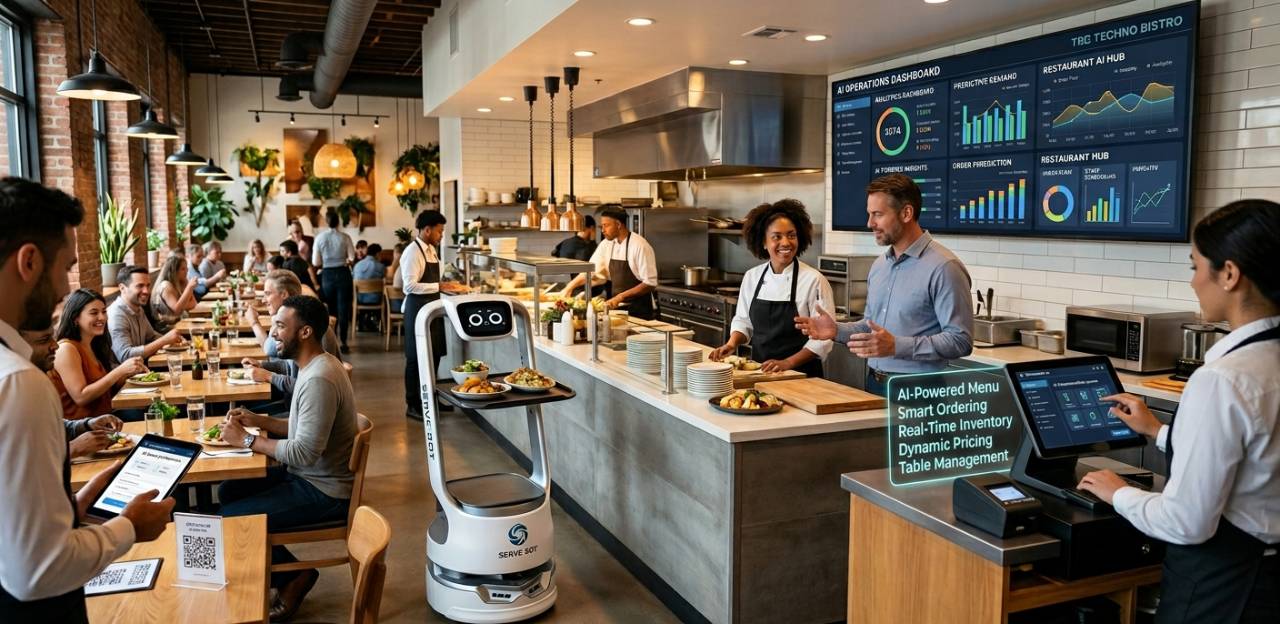
This AI playbook covers restaurant tools for voice ordering, staffing, compliance, menu pricing, inventory, marketing, ChatGPT prompts, and SEO.
May 15, 2026

Hardee’s giant Boddie-Noell inks 31-unit Scooter’s Coffee deal for NC and VA, leveraging drive-thru growth and local roots with rollout over 12–18 months.
May 15, 2026
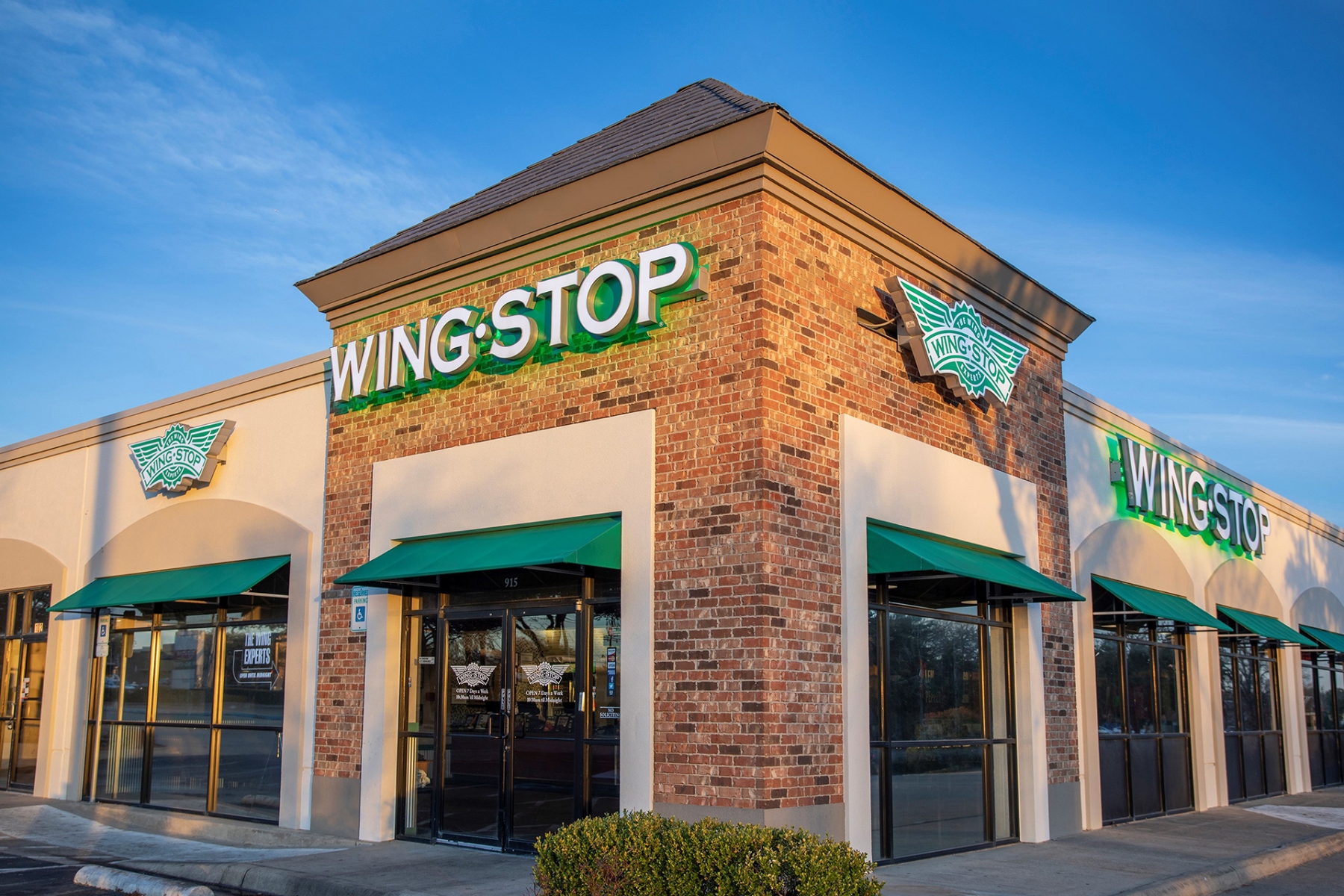
Wingstop turns match weeks into a multi-sensory festival, aligning bold pop-ups with World Cup energy to build brand affinity and measurable momentum.
May 15, 2026
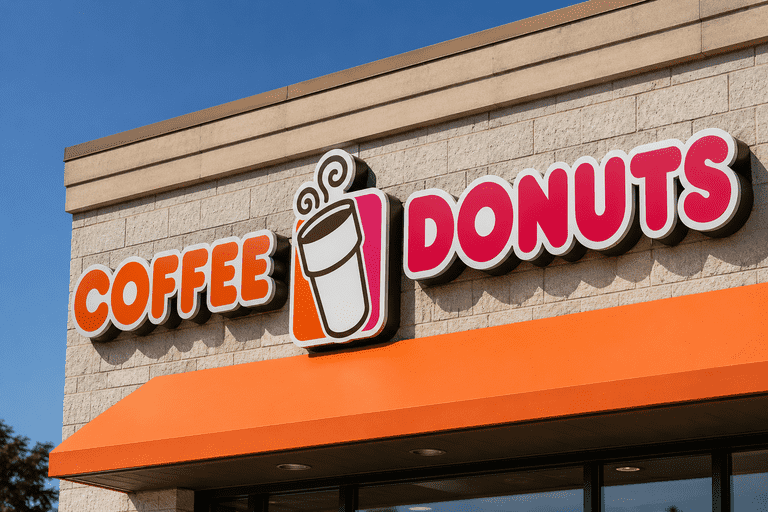
The parent company behind Dunkin', Buffalo Wild Wings, and Arby's has filed for an IPO a move that could reshape how Wall Street views the restaurant sector.
May 15, 2026

Learn how to develop a memorable restaurant brand identity that stands out in a crowded market, attracts loyal customers, and drives repeat business with actionable strategies and affordable tools.
May 15, 2026
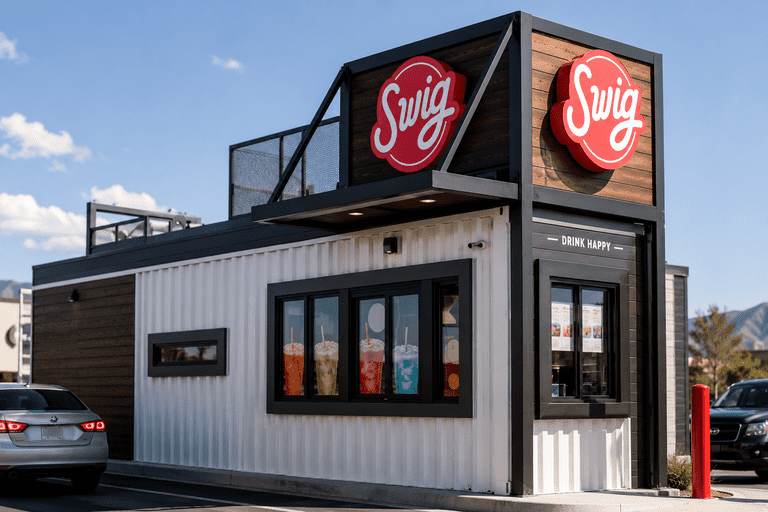
Dirty soda chain Swig is expanding into Colorado through a 10-unit franchise deal, riding a consumer beverage trend that's catching the attention of major QSR players nationwide.
May 15, 2026
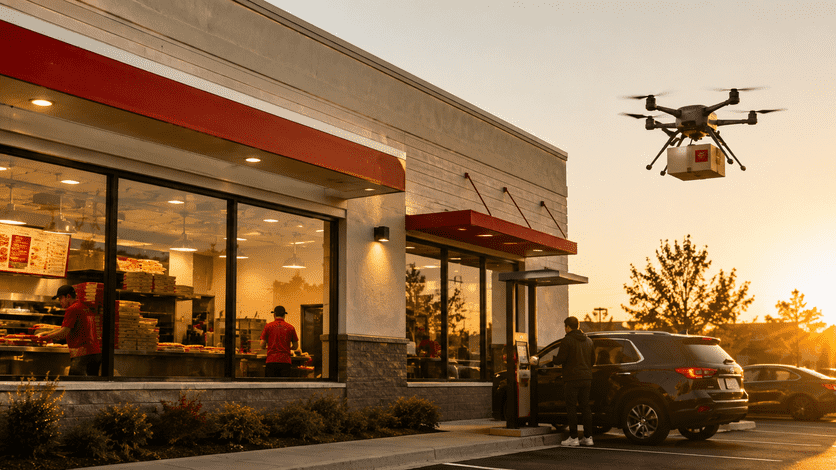
Papa Johns has teamed up with Alphabet's Wing for drone delivery of its new sandwich lineup in parts of Charlotte marking the first partnership of its kind between Wing and a national QSR brand.
May 15, 2026
A warm, expert-led look at McDonald’s Q1 results, menu makeover, and the refranchise question shaping its growth.
May 14, 2026

A reflective look at Habit Ranch, its immersive desert activation, and what it signals for brand loyalty and mindful, experiential dining.
May 14, 2026

Unlock Exclusive Access To Webinars, Events, And The Latest News For Free!
Explore the intersection of employee rights, artificial intelligence, and workplace ethics in light of recent legal cases.

Photo by Melanie Lim
The case of a former crew member at a Dunkin’ franchise highlights the complex relationship between artificial intelligence (AI) and employee rights in the workplace. The worker's inquiry into the legality of the tips distribution process, facilitated by a web search, sparked a contentious response from their supervisor, who dismissed the findings as 'AI' and not applicable to Dunkin’ Donuts. This incident underscores the growing influence of technology in employment practices and the need for a balanced understanding of how AI intersects with employee rights.

Photo by Melanie Lim
In the legal battle between the employee and the Dunkin’ franchisee, key issues concerning compensation law and fair payment practices surfaced. The pooling and delayed distribution of tips without transparency regarding the allocation method raised concerns about compliance with labor regulations. The employee's termination following the inquiry into this practice not only brought attention to potential violations but also highlighted the critical role of transparency and communication in ensuring fair compensation for workers.

Photo by Melanie Lim
The Fair Labor Standards Act (FLSA) serves as a cornerstone for protecting employees' rights in the United States. In the case against Simone’s Inc., the employee claimed nonpayment of wages in violation of Connecticut law and retaliation under the FLSA. This legal framework establishes a robust shield for workers against unfair labor practices and retaliation, emphasizing the importance of upholding employee rights and ensuring just treatment in the workplace.
As organizations integrate artificial intelligence into their operations, ethical considerations around AI usage become paramount. The dismissal of the employee’s findings as 'AI' rather than addressing the underlying legal concerns sheds light on the challenges of AI ethics in workplace culture. Employers must navigate the ethical implications of AI tools, ensuring that technology aligns with legal standards and ethical practices while respecting employee rights and fostering a transparent work environment.

Photo by Melanie Lim
The U.S. Department of Labor underscores the employee-friendly nature of the FLSA standard for protected activity. Even if an employer disputes payment discrepancies, the employee's expression of concerns regarding fair compensation is deemed as protected activity. This emphasis on empowering employees to raise issues without fear of retaliation reinforces a culture of compliance and accountability in workplaces, emphasizing the need for transparent communication and fair treatment of workers.