AI Playbook for Restaurant Owners
This AI playbook covers restaurant tools for voice ordering, staffing, compliance, menu pricing, inventory, marketing, ChatGPT prompts, and SEO.
tech
May 15, 2026
This AI playbook covers restaurant tools for voice ordering, staffing, compliance, menu pricing, inventory, marketing, ChatGPT prompts, and SEO.
May 15, 2026

Opening a coffee shop in 2026 requires careful cost planning across rent, equipment, labor, technology, menu strategy, marketing, and sustainability.
May 15, 2026

Hardee’s giant Boddie-Noell inks 31-unit Scooter’s Coffee deal for NC and VA, leveraging drive-thru growth and local roots with rollout over 12–18 months.
May 15, 2026

Wingstop turns match weeks into a multi-sensory festival, aligning bold pop-ups with World Cup energy to build brand affinity and measurable momentum.
May 15, 2026

Learn how to develop a memorable restaurant brand identity that stands out in a crowded market, attracts loyal customers, and drives repeat business with actionable strategies and affordable tools.
May 15, 2026

The parent company behind Dunkin', Buffalo Wild Wings, and Arby's has filed for an IPO a move that could reshape how Wall Street views the restaurant sector.
May 15, 2026

Papa Johns has teamed up with Alphabet's Wing for drone delivery of its new sandwich lineup in parts of Charlotte marking the first partnership of its kind between Wing and a national QSR brand.
May 15, 2026

Dirty soda chain Swig is expanding into Colorado through a 10-unit franchise deal, riding a consumer beverage trend that's catching the attention of major QSR players nationwide.
May 15, 2026

A warm, expert-led look at McDonald’s Q1 results, menu makeover, and the refranchise question shaping its growth.
May 14, 2026

A reflective look at Habit Ranch, its immersive desert activation, and what it signals for brand loyalty and mindful, experiential dining.
May 14, 2026

Unlock Exclusive Access To Webinars, Events, And The Latest News For Free!
Discover how restaurant leaders are coping with election-related uncertainties and their impacts on consumer behavior and business strategies.
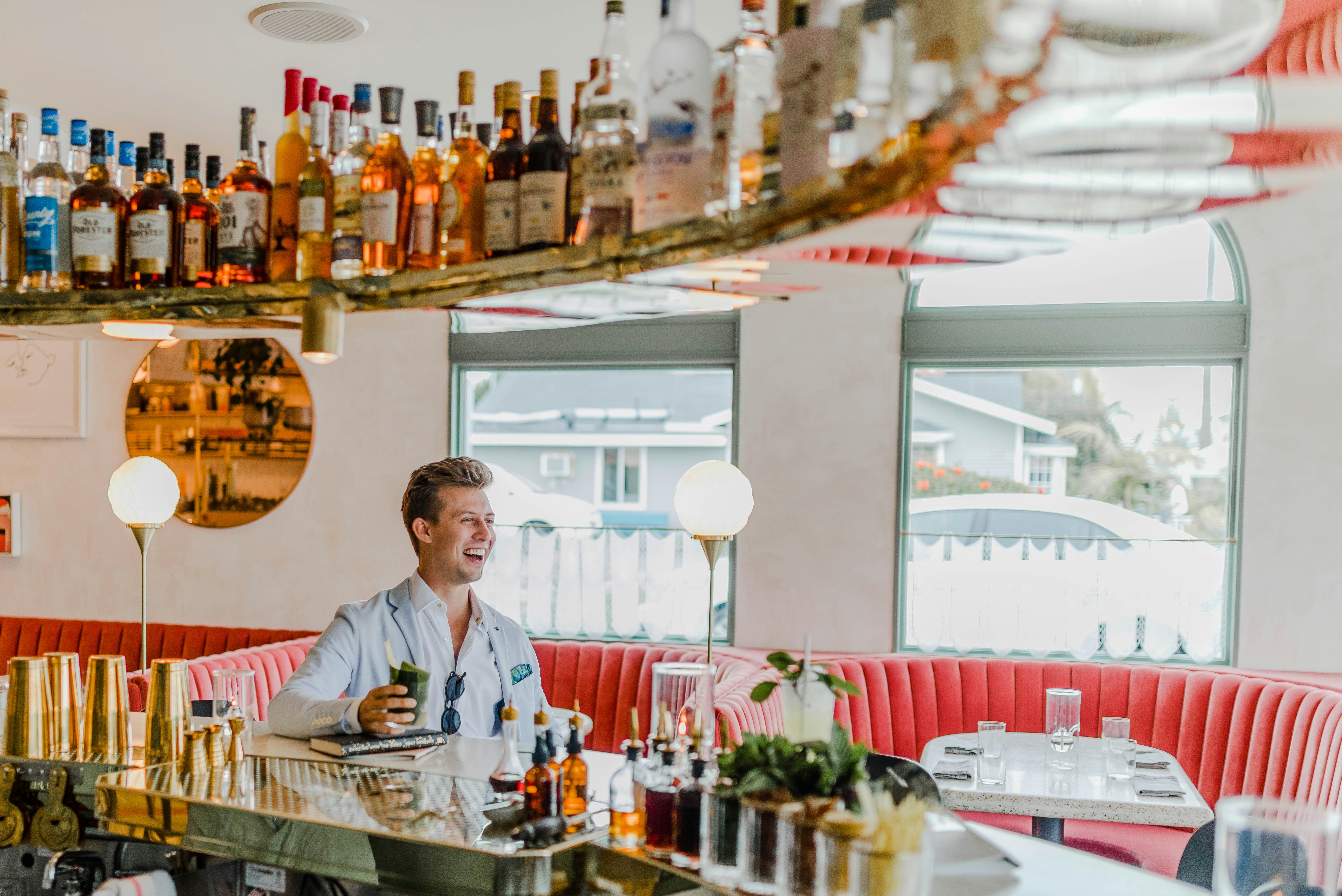
Photo by Austin Distel
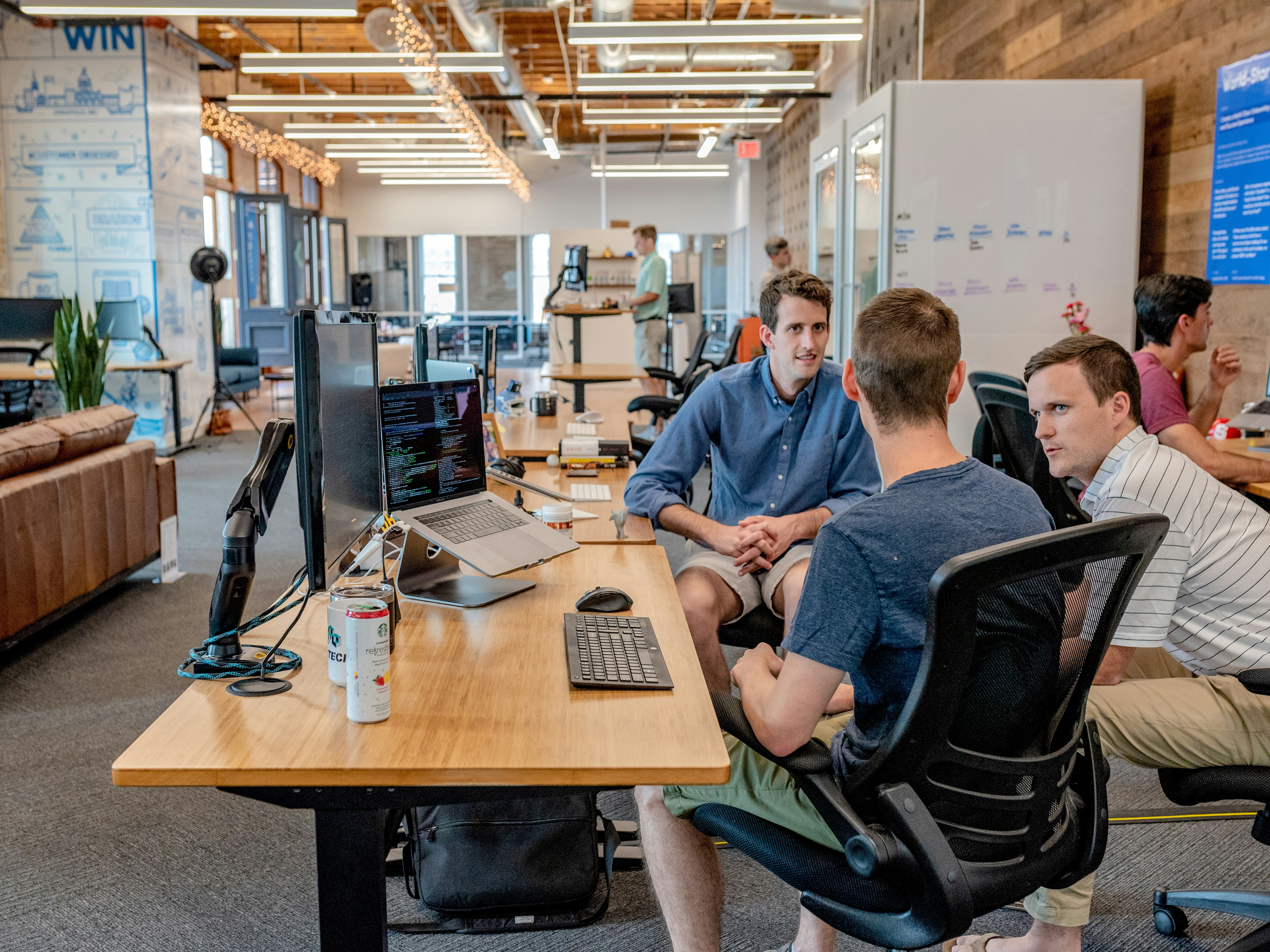
Photo by Austin Distel
Restaurant leaders are facing a myriad of challenges as they navigate through election-induced uncertainties. The ongoing concerns about policy proposals, economic stability, regulatory changes, tax rates, trade policies, and immigration issues are significantly impacting their decision-making processes.
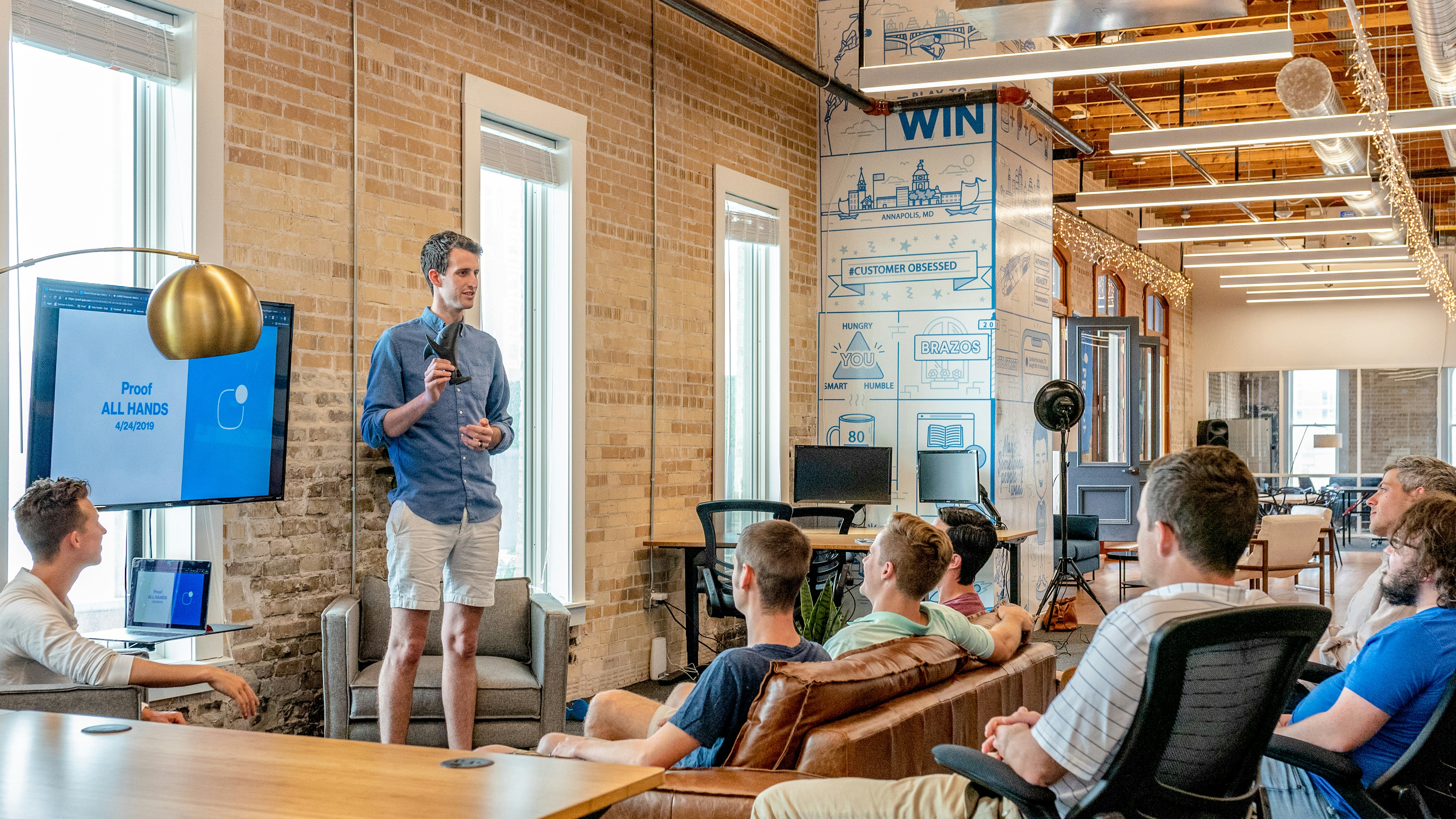
Photo by Austin Distel
The election climate has created a sense of unease among consumers, leading to delays in significant purchases and investment decisions. While restaurant executives anticipate a potential uptick in consumer traffic post-election, they acknowledge the current anxiety prevailing among consumers, affecting their spending patterns and overall sentiment towards dining out.
Post-election, restaurant CEOs are strategizing to adapt to the evolving economic landscape. Leaders like Brett Schulman from CAVA emphasize the importance of factoring election uncertainties into business projections, while industry experts like G.J. Hart and Andy Wiederhorn look forward to the post-election momentum for potential consumer sentiment improvements.
Research suggests that the impacts of the election on consumer behavior may manifest in the long term, influenced by the policies enacted by the elected administration. Amid this uncertainty, CEOs like Jonathan Gillespie and James O’Reilly speculate on potential normalization of consumer environment and spending trends post-election.

Photo by Austin Distel
Amid economic challenges and consumer anxiety, the focus for industry leaders like Kieran Donahue and Kevin Hochman lies in maintaining customer-centric strategies. Prioritizing service quality, consistency, and overall value proposition becomes crucial in driving business resilience and consumer trust.