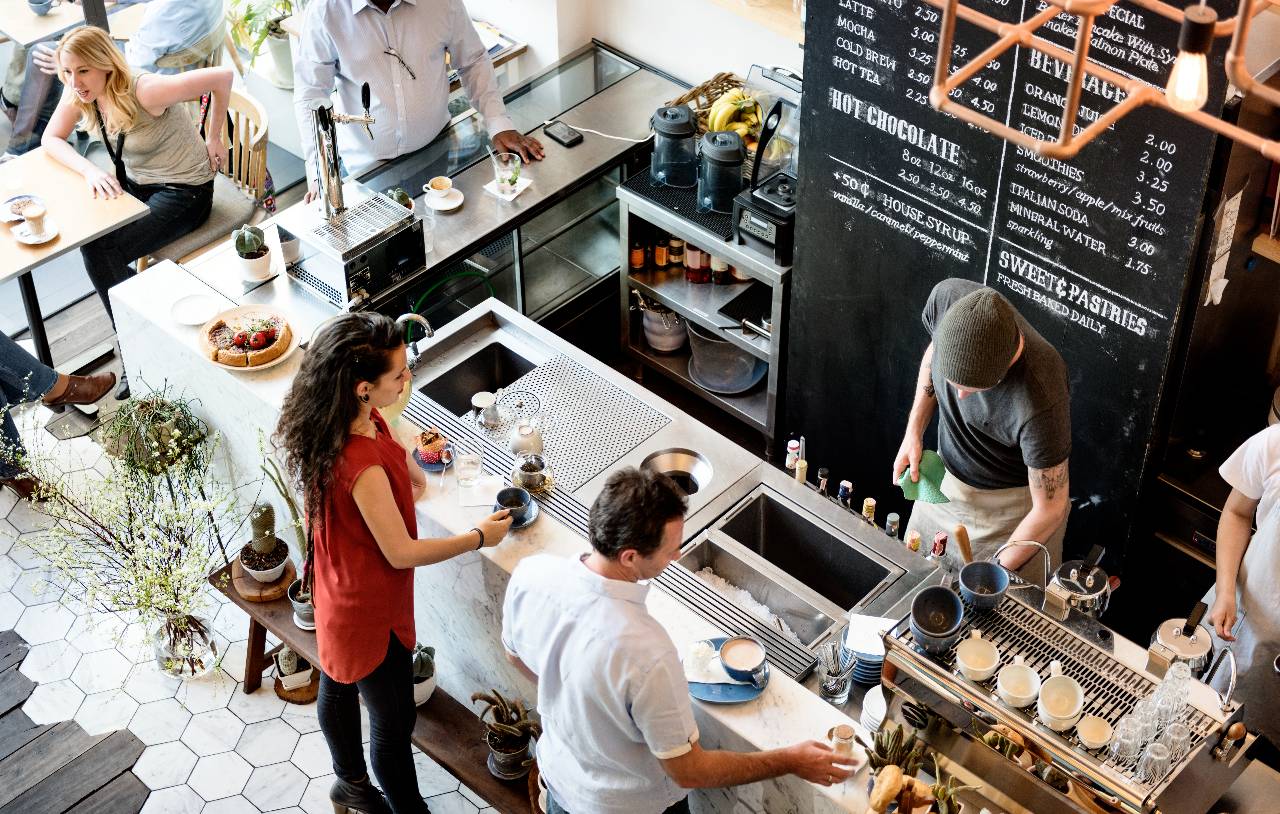
How Much Does It Cost to Open a Coffee Shop in 2026?
Opening a coffee shop in 2026 requires careful cost planning across rent, equipment, labor, technology, menu strategy, marketing, and sustainability.
operations
May 15, 2026
Opening a coffee shop in 2026 requires careful cost planning across rent, equipment, labor, technology, menu strategy, marketing, and sustainability.
May 15, 2026
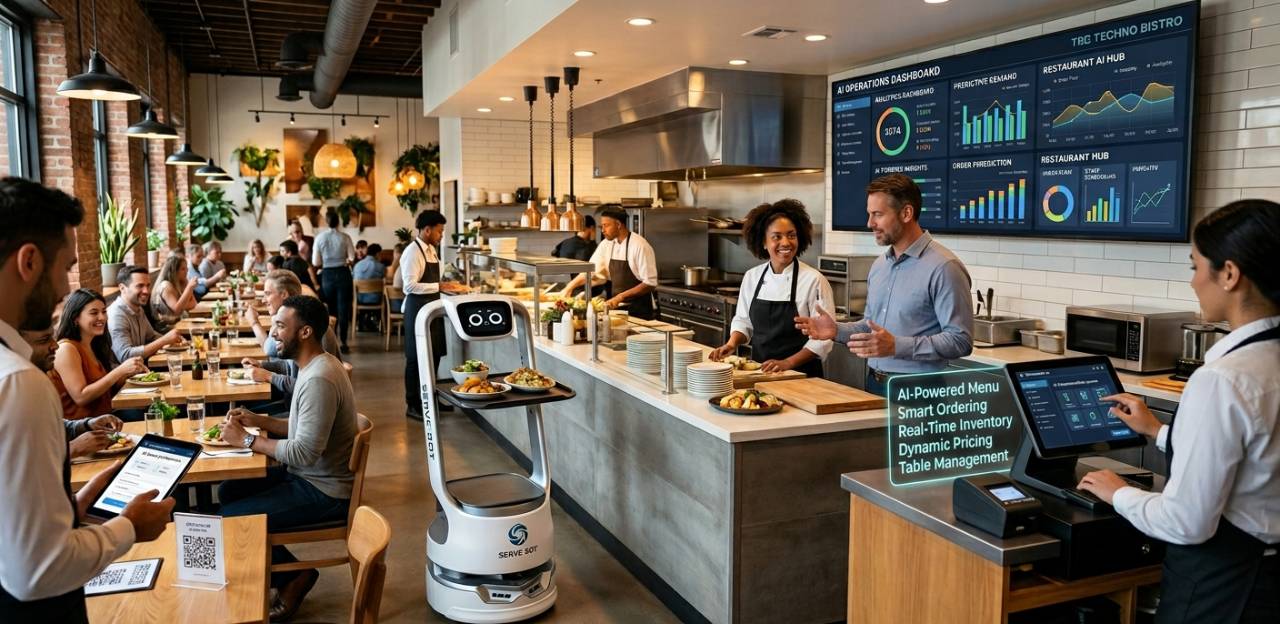
This AI playbook covers restaurant tools for voice ordering, staffing, compliance, menu pricing, inventory, marketing, ChatGPT prompts, and SEO.
May 15, 2026
Hardee’s giant Boddie-Noell inks 31-unit Scooter’s Coffee deal for NC and VA, leveraging drive-thru growth and local roots with rollout over 12–18 months.
May 15, 2026
Wingstop turns match weeks into a multi-sensory festival, aligning bold pop-ups with World Cup energy to build brand affinity and measurable momentum.
May 15, 2026
The parent company behind Dunkin', Buffalo Wild Wings, and Arby's has filed for an IPO a move that could reshape how Wall Street views the restaurant sector.
May 15, 2026

Learn how to develop a memorable restaurant brand identity that stands out in a crowded market, attracts loyal customers, and drives repeat business with actionable strategies and affordable tools.
May 15, 2026
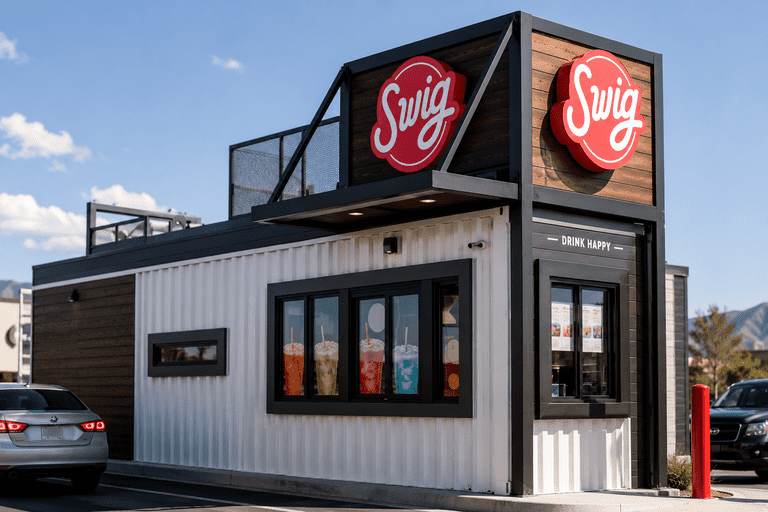
Dirty soda chain Swig is expanding into Colorado through a 10-unit franchise deal, riding a consumer beverage trend that's catching the attention of major QSR players nationwide.
May 15, 2026
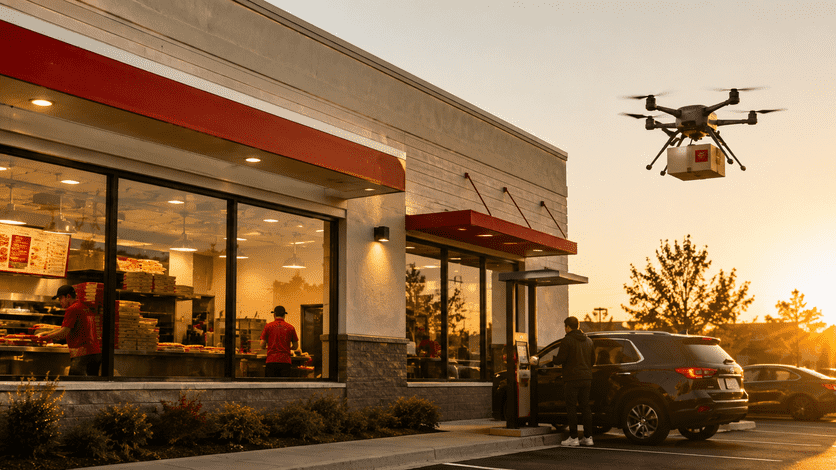
Papa Johns has teamed up with Alphabet's Wing for drone delivery of its new sandwich lineup in parts of Charlotte marking the first partnership of its kind between Wing and a national QSR brand.
May 15, 2026
A warm, expert-led look at McDonald’s Q1 results, menu makeover, and the refranchise question shaping its growth.
May 14, 2026
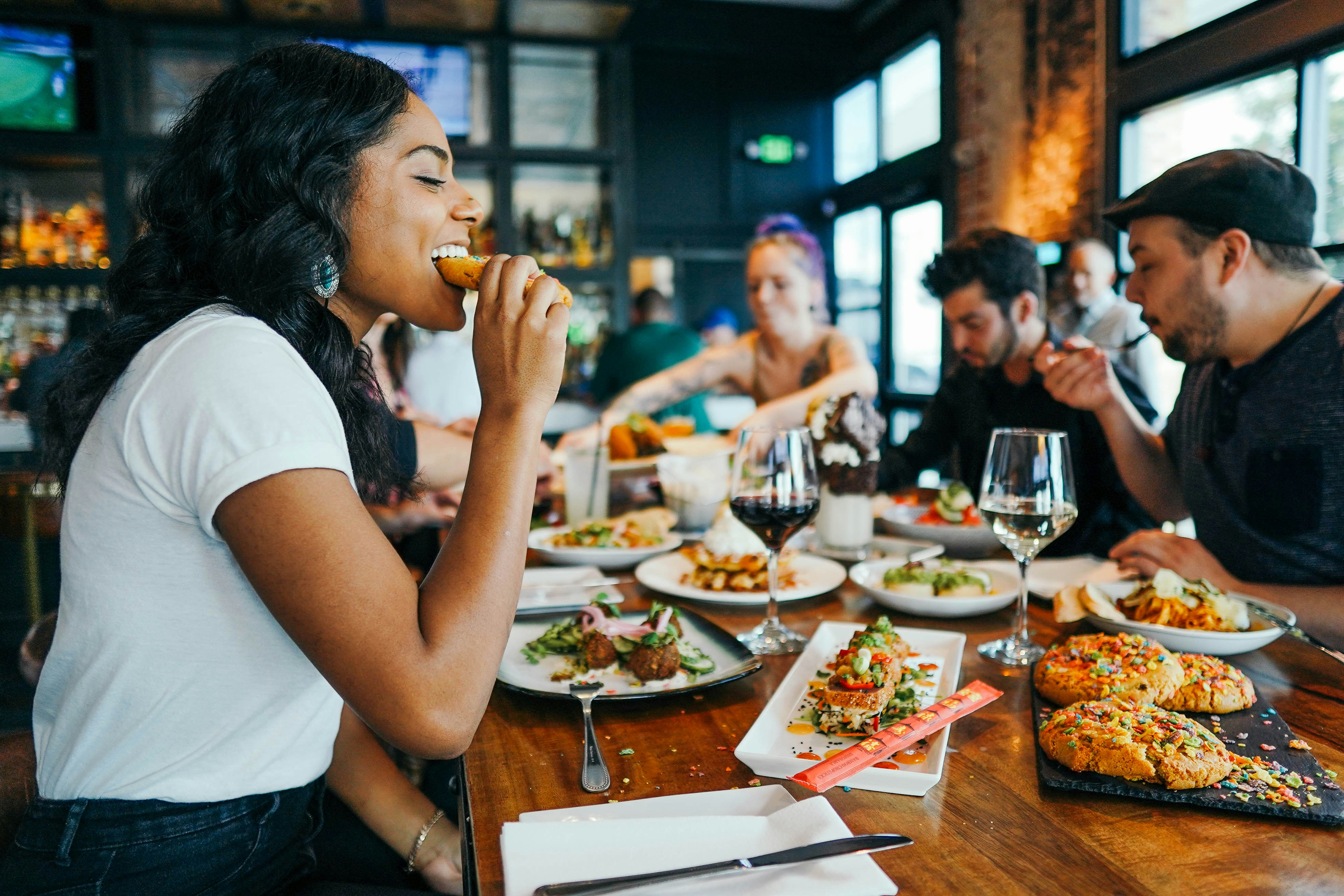
A reflective look at Habit Ranch, its immersive desert activation, and what it signals for brand loyalty and mindful, experiential dining.
May 14, 2026

Unlock Exclusive Access To Webinars, Events, And The Latest News For Free!
Explore how major casual dining chains faced bankruptcies and the strategies they employed for recovery to thrive in the competitive restaurant industry.
The casual dining industry, even before the COVID-19 pandemic, faced significant challenges due to declining traffic and evolving consumer preferences. The pandemic exacerbated these issues, forcing many casual chains to rethink their strategies to survive. However, despite the hurdles, some notable brands emerged successfully from bankruptcy, showcasing resilience and adaptability.
CEC Entertainment, the parent company of Chuck E. Cheese, underwent a successful restructuring process post-bankruptcy. By closing underperforming units and revamping existing locations with modern amenities like trampolines and digital kiosks, the brand rejuvenated its appeal. Introducing initiatives like the Fun Pass subscription program and expanding menu offerings to cater to both families and adults contributed to its renewed success.
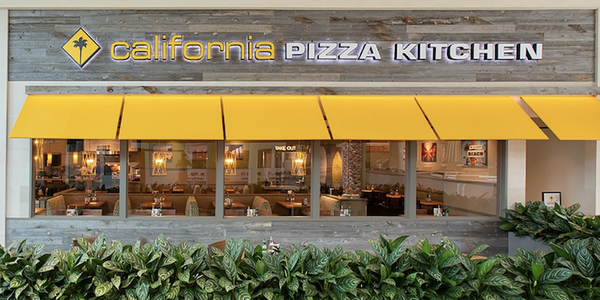
California Pizza Kitchen's bankruptcy filing in 2020 marked a turning point for the brand. Through strategic closures, debt reduction, and menu enhancements, CPK managed to navigate the crisis. Embracing domestic franchising, venturing into non-traditional spaces, and leveraging partnerships for virtual brands strengthened its position. The chain's focus on customer satisfaction and menu innovation propelled its recovery post-bankruptcy.
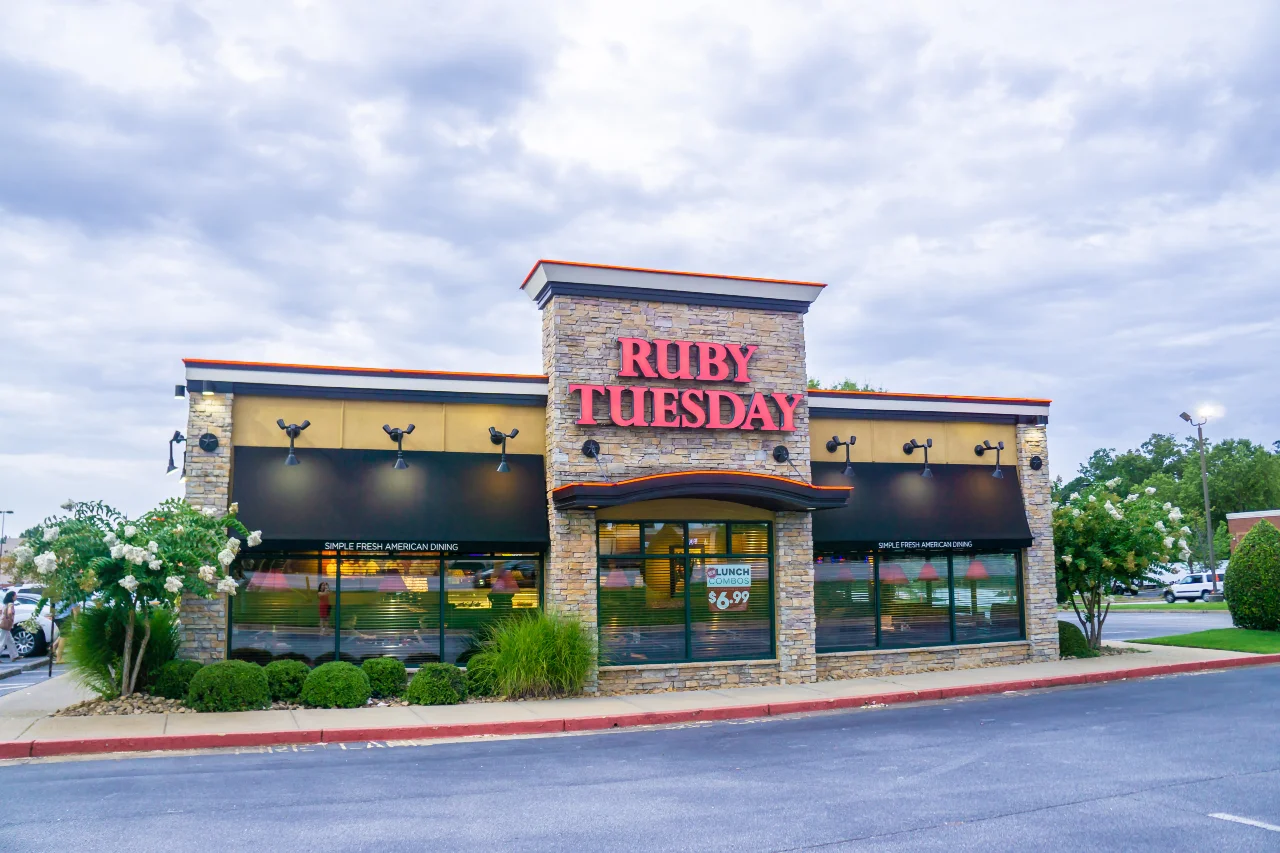
Ruby Tuesday's bankruptcy exit in 2021 paved the way for a fresh start. Leveraging off-premise channels and introducing value-focused offerings like virtual brands and meal combinations proved instrumental in regaining customer trust. By adapting its menu and enhancing customer experience, Ruby Tuesday showcased how flexibility and customer-centric strategies can lead to post-bankruptcy success.
Sizzler's bankruptcy in 2020 spurred a transformation journey focused on modernizing its brand and offerings. Through store remodels, menu revamps, and a renewed focus on customer preferences, Sizzler managed to navigate the challenging landscape. By embracing change and prioritizing customer needs, Sizzler positioned itself for growth and relevance in the competitive casual dining space.
Red Lobster's bankruptcy in 2024 highlighted the importance of strategic management and consumer engagement. Following emerging from bankruptcy with a revamped leadership team, the chain opted for a cautious approach to promotions and menu offerings. By focusing on customer satisfaction, menu enhancements, and operational efficiency, Red Lobster aimed to regain its market share and solidify its place in the industry.
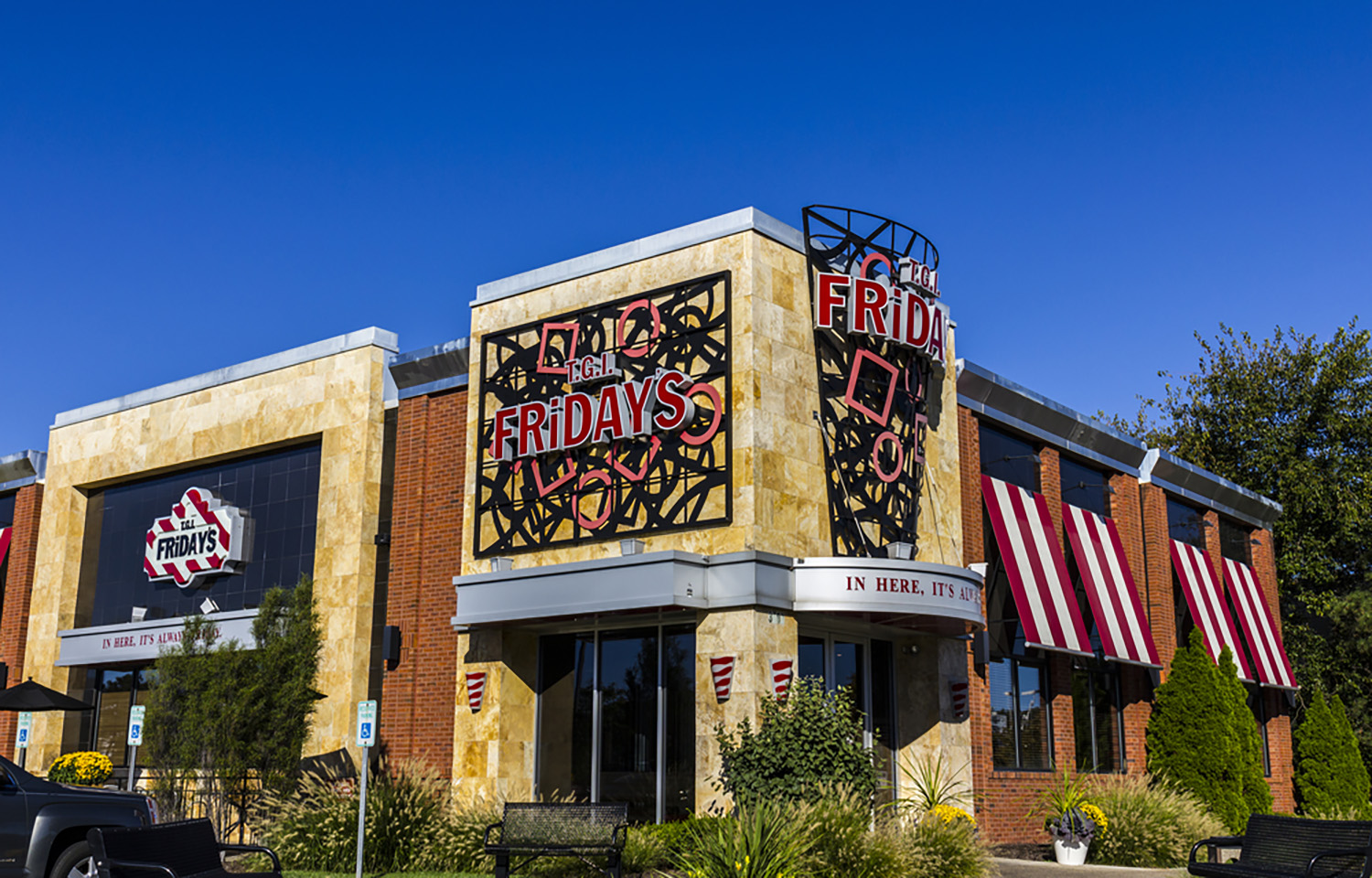
TGI Fridays' turbulent year in 2024 culminated in bankruptcy, prompting a strategic shift towards franchising and offloading company-owned locations. Despite facing declining sales and challenges in capital structure, the chain focused on value-driven initiatives like menu updates and happy hour promotions to attract customers. Through strategic sales and operational adjustments, TGI Fridays aimed for a resurgence in the competitive dining landscape.