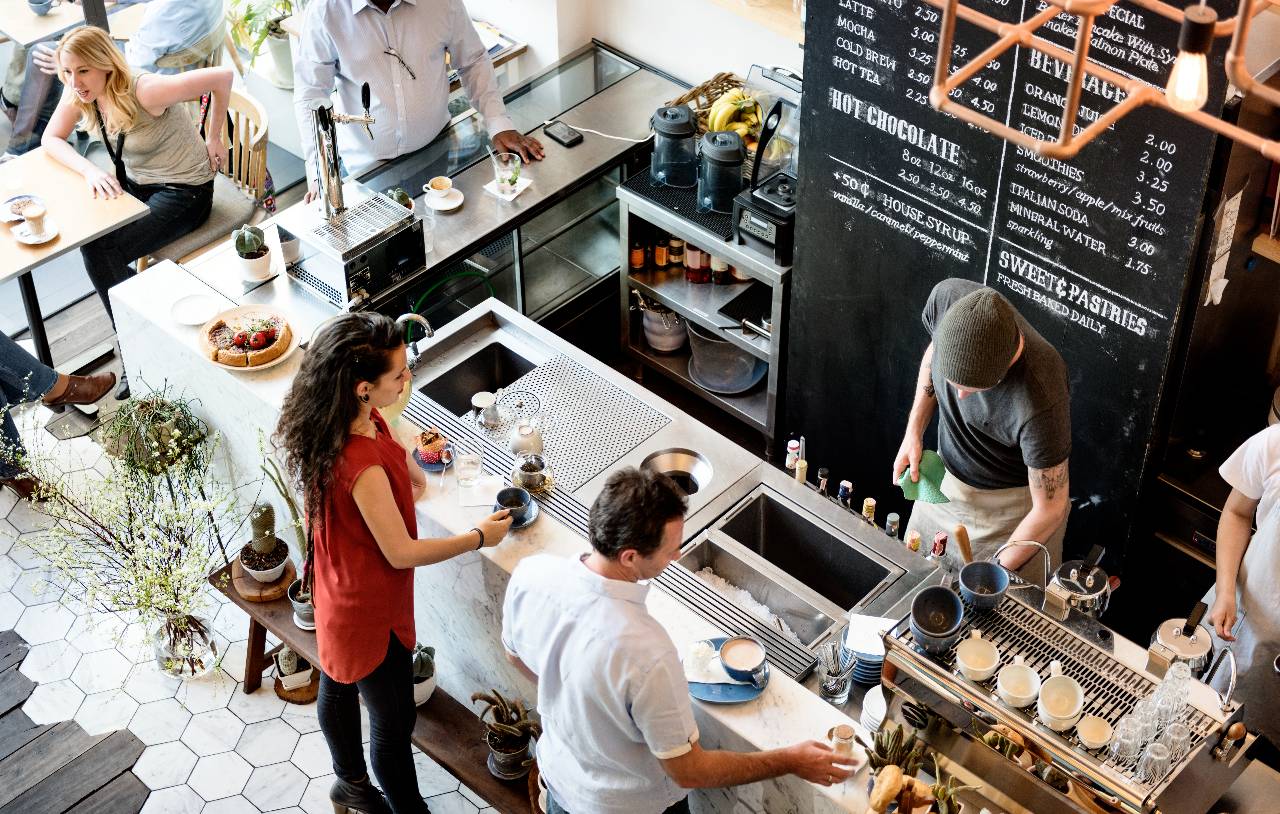
How Much Does It Cost to Open a Coffee Shop in 2026?
Opening a coffee shop in 2026 requires careful cost planning across rent, equipment, labor, technology, menu strategy, marketing, and sustainability.
operations
May 15, 2026
Opening a coffee shop in 2026 requires careful cost planning across rent, equipment, labor, technology, menu strategy, marketing, and sustainability.
May 15, 2026
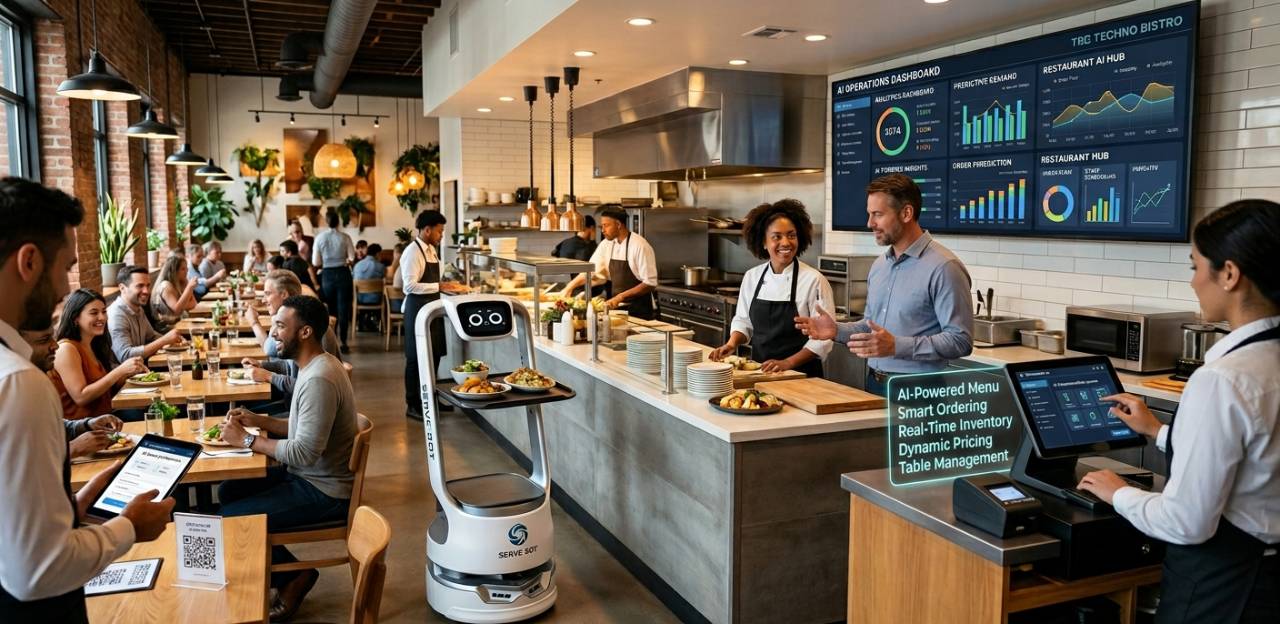
This AI playbook covers restaurant tools for voice ordering, staffing, compliance, menu pricing, inventory, marketing, ChatGPT prompts, and SEO.
May 15, 2026
Hardee’s giant Boddie-Noell inks 31-unit Scooter’s Coffee deal for NC and VA, leveraging drive-thru growth and local roots with rollout over 12–18 months.
May 15, 2026
Wingstop turns match weeks into a multi-sensory festival, aligning bold pop-ups with World Cup energy to build brand affinity and measurable momentum.
May 15, 2026
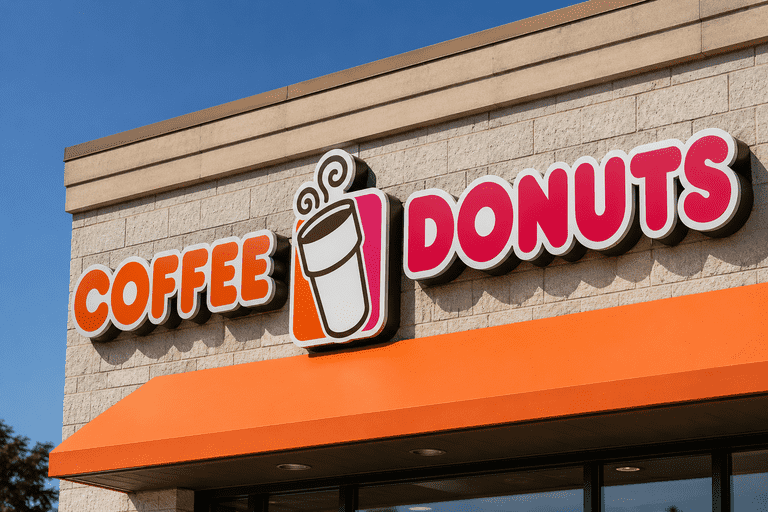
The parent company behind Dunkin', Buffalo Wild Wings, and Arby's has filed for an IPO a move that could reshape how Wall Street views the restaurant sector.
May 15, 2026

Learn how to develop a memorable restaurant brand identity that stands out in a crowded market, attracts loyal customers, and drives repeat business with actionable strategies and affordable tools.
May 15, 2026
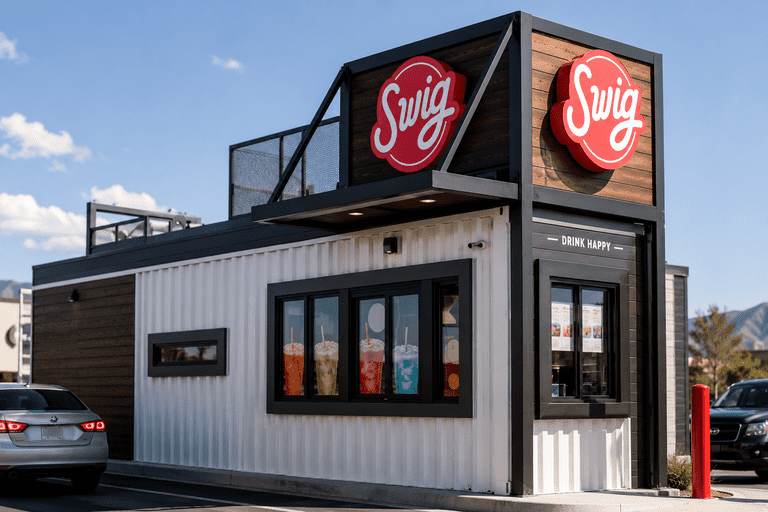
Dirty soda chain Swig is expanding into Colorado through a 10-unit franchise deal, riding a consumer beverage trend that's catching the attention of major QSR players nationwide.
May 15, 2026
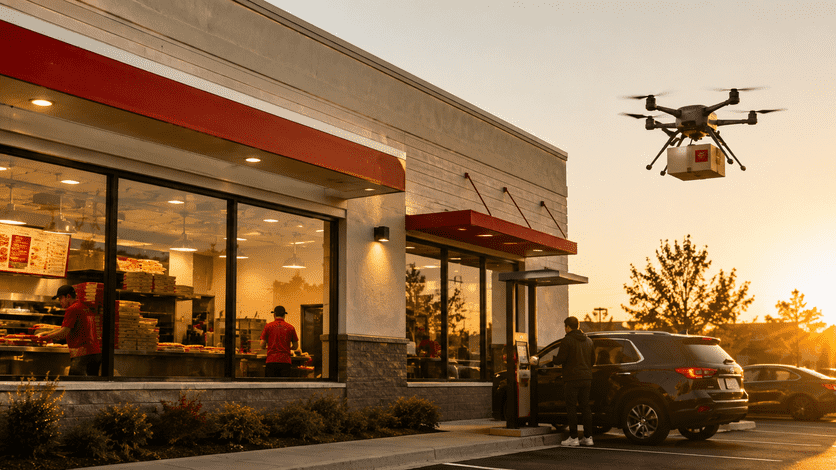
Papa Johns has teamed up with Alphabet's Wing for drone delivery of its new sandwich lineup in parts of Charlotte marking the first partnership of its kind between Wing and a national QSR brand.
May 15, 2026
A warm, expert-led look at McDonald’s Q1 results, menu makeover, and the refranchise question shaping its growth.
May 14, 2026
A reflective look at Habit Ranch, its immersive desert activation, and what it signals for brand loyalty and mindful, experiential dining.
May 14, 2026

Unlock Exclusive Access To Webinars, Events, And The Latest News For Free!
A thoughtful look at Mochiko Mochi Pizza, a mochi-crust concept blending Asian flavors with pizza fundamentals in the Bay Area.
Photo by
From the outset, Mochiko Mochi Pizza read less like a remix and more like a texture-forward invitation. The idea grew from the founders’ families’ love of mochi desserts and a wish to push savory possibilities beyond tradition. Yen described the project as “an effort to fuse Asian culinary elements with the universally beloved pizza format, a framing that positions Mochiko Mochi Pizza as a bridge between cultures rather than a simple twist on a familiar dish”, framing the crust as a thoughtful connector rather than a gimmick. The pandemic downtime offered space for experimentation, guiding them toward a crust that could feel balanced, nourishing, and distinctly new. Texture would be the compass.
The journey toward a mochi‑based crust began with a clear aim: to honor pizza’s structure while inviting cross-cultural flavor play. Initial conversations tied family celebrations around mochi desserts to a broader savory imagination. The emphasis on balance—textural, tonal, and textural again—shaped the early path. The founders treat the crust as an ingredient in its own right, not merely a vessel for toppings. That thoughtful stance set up the next phase: translating texture ideas from desserts into a pizza that diners could savor with nourishment and curiosity at heart.
This lean menu centers on texture and balance. The two‑pizza combo format invites diners to sample multiple flavors in one pie, a thoughtful nod to curiosity and shared dining. Offerings range from a pepperoni pie with mozzarella, tomato jam, and garlic chives to a spicy minced pork option with mozzarella, sesame oil spinach, and a Romano‑cream sauce. A soy-braised beef variation comes with corn, mozzarella, and roasted garlic kimchi. A standout pairs Japanese fried chicken karaage with mozzarella, corn, jalapeño, curry sauce, and cilantro, while a newer variant features Spam with pineapple, mozzarella, tomato jam, and garlic chives. Pricing follows tiers: large pies around $18 (or $20 as a combo); medium pizzas for one to two, about $13 or $15 as a combo.
Operational nimbleness guides the kitchen as much as flavor. From a practical lens, the gluten‑free beginnings shifted toward a more approachable bite with wheat flour, driven by guest feedback. The team anchors decisions in a texture model inspired by mochi doughnuts—crispy on the outside, chewy inside—and applies it to crust development. Acknowledging equipment realities, the San Francisco site reportedly offered only medium pizzas due to oven size, a constraint that shapes orders and workflows across locations. In this way, the concept evolves through listening and iteration—texture as North Star in every bite.
Early reception framed Mochiko Mochi Pizza as a provocative entrant in the Bay Area’s fusion dining story. Critics highlighted the novelty of a mochi crust pairing with savory toppings that still respects pizza’s structure. Diners began placing frequent combo orders, a pattern Yen notes reflects curiosity and appetite for breadth. The crust’s texture journey—from gluten‑free beginnings to a wheat‑enhanced finish—marks the concept’s willingness to listen to guests. Taken together, this reception aligns Mochiko with a broader appetite for savory mochi and texture-forward ideas in contemporary menus, signaling a trend toward cross‑cultural experimentation that feels both playful and thoughtful.
Industry signals place Mochiko within a larger movement toward texture-centric cuisine that blends soft chew with bold flavors. The narrative around Mochiko Mochi Pizza has become a touchstone in discussions of fusion and culinary experimentation, reflecting a shift where texture and portability drive menu innovation. Analysts note the concept’s fit with Bay Area appetites for approachable yet boundary-pushing experiences, where comfort-food familiarity meets texture exploration. The takeaway is clear: mochi’s savory potential is not a sideshow but a canvas for cross‑cultural storytelling inviting diners to rethink what pizza can be.
Expansion unfolded in measured steps. Burlingame welcomed Mochiko Mochi Pizza in November, followed by a San Francisco launch at the start of the year, and a Palo Alto rollout in March. The pattern suggests a geographically focused, staged approach that tests the concept’s texture science in varied kitchens. Beyond doors, Sushirrito has begun licensing the idea in Phoenix, signaling a potential brand extension that could bring mochi pizza to new markets. Yet the official licensing page shows Bay Area sites, SFO, and Salt Lake City, with no explicit confirmation of Phoenix as of early 2026. That tension invites cautious optimism about where the model travels next.
Brand extension follows a familiar trajectory for Sushirrito: licensing opportunities paired with consumer packaged goods as routes to scale. The aim is to preserve texture integrity and cultural intent, whether through co‑pack arrangements or formats such as food halls. However, the lack of public Phoenix confirmation underscores a careful, pace‑driven approach that respects equipment realities, local regulations, and market receptivity. As the brand weighs partnerships, it remains mindful of maintaining mochi crust balance and flavor harmony across formats, aiming for a thoughtful, nourishing experience rather than a rapid rollout.
Savory mochi and mochi‑inspired dishes have emerged as noteworthy talking points in the Bay Area and beyond. Industry observers point to fusion-forward menus that blend soft, chewy textures with bold flavor profiles as a defining driver of culinary experimentation. Coverage has highlighted Mochiko Mochi Pizza as part of a larger movement toward texture-centric, cross‑cultural cuisine that leverages mochi’s versatility beyond dessert applications. The trend aligns with bakery and snack innovation that foregrounds cultural crossover, portability, and craveability as brands explore new forms of comfort food. In this sense, Mochiko’s approach reads as both culinary experimentation and a signal of evolving consumer interest in texture‑driven experiences.
Future implications suggest that, should the concept endure, Mochiko Mochi Pizza could establish a template for culturally inspired, texture‑driven pizzas that challenge crust expectations. The marriage of a mochi crust with well‑curated toppings invites diners to rethink pizza as a canvas for texture and flavor beyond tradition. Founders’ willingness to experiment—varying crust texture, flavor profiles, and serving formats—signals a long runway for innovation in this space. For restaurants, the lesson is the potential of strategic licensing, distinctive formats like food halls, and consumer goods as growth channels for brand‑driven concepts built on texture and cross‑cultural storytelling.