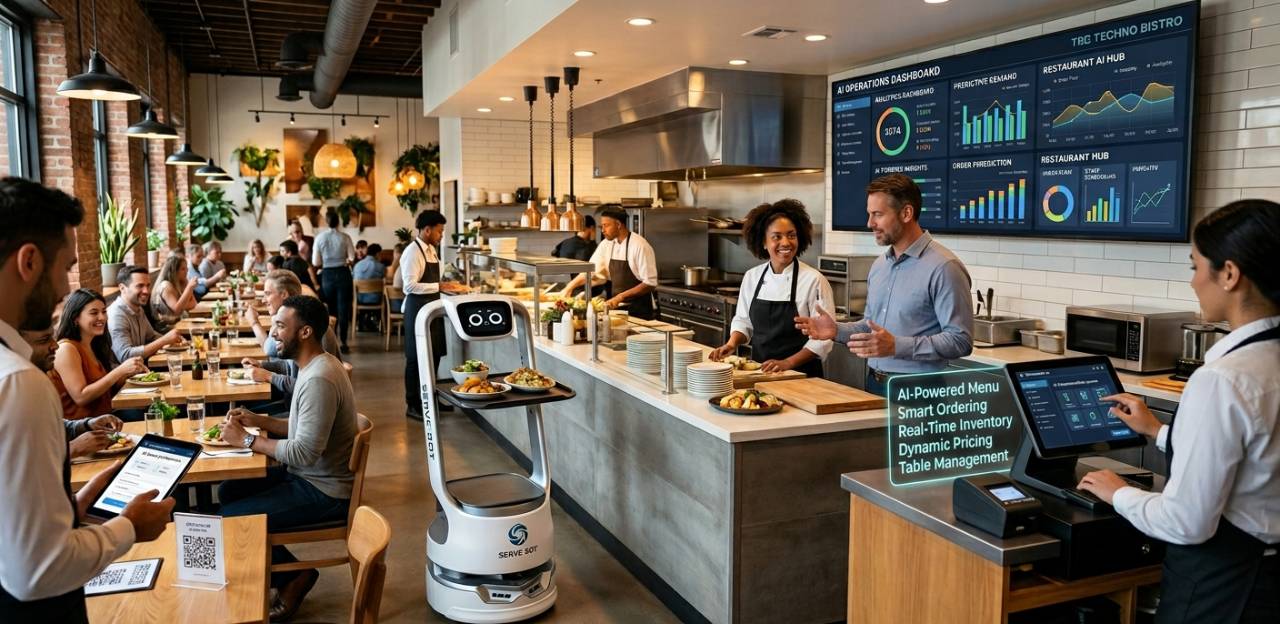
AI Playbook for Restaurant Owners
This AI playbook covers restaurant tools for voice ordering, staffing, compliance, menu pricing, inventory, marketing, ChatGPT prompts, and SEO.
tech
May 15, 2026
This AI playbook covers restaurant tools for voice ordering, staffing, compliance, menu pricing, inventory, marketing, ChatGPT prompts, and SEO.
May 15, 2026
Opening a coffee shop in 2026 requires careful cost planning across rent, equipment, labor, technology, menu strategy, marketing, and sustainability.
May 15, 2026
Hardee’s giant Boddie-Noell inks 31-unit Scooter’s Coffee deal for NC and VA, leveraging drive-thru growth and local roots with rollout over 12–18 months.
May 15, 2026
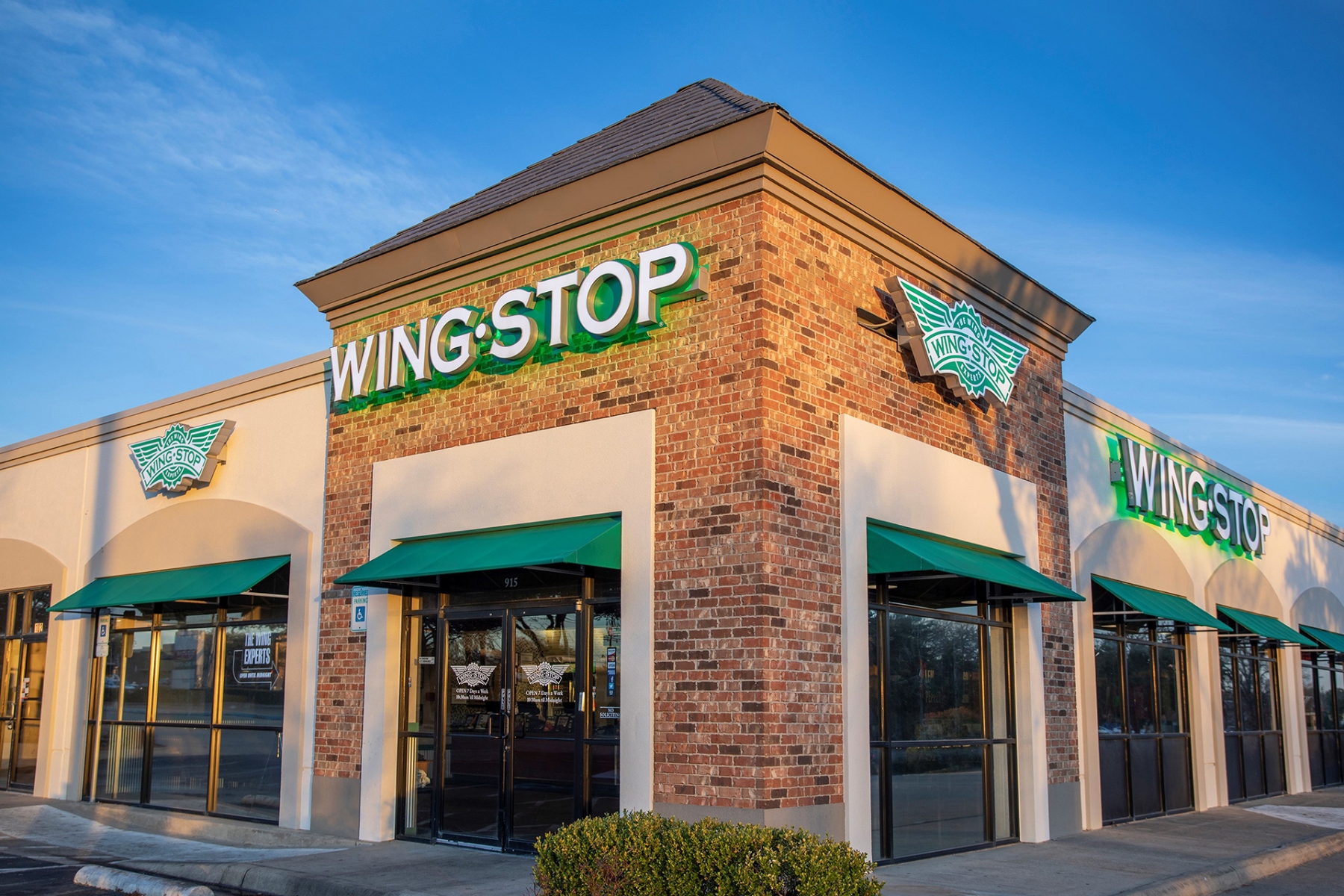
Wingstop turns match weeks into a multi-sensory festival, aligning bold pop-ups with World Cup energy to build brand affinity and measurable momentum.
May 15, 2026

Learn how to develop a memorable restaurant brand identity that stands out in a crowded market, attracts loyal customers, and drives repeat business with actionable strategies and affordable tools.
May 15, 2026
The parent company behind Dunkin', Buffalo Wild Wings, and Arby's has filed for an IPO a move that could reshape how Wall Street views the restaurant sector.
May 15, 2026
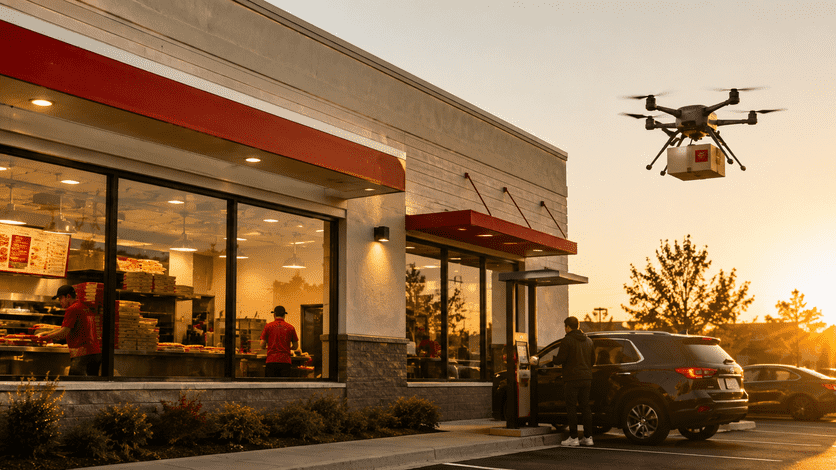
Papa Johns has teamed up with Alphabet's Wing for drone delivery of its new sandwich lineup in parts of Charlotte marking the first partnership of its kind between Wing and a national QSR brand.
May 15, 2026
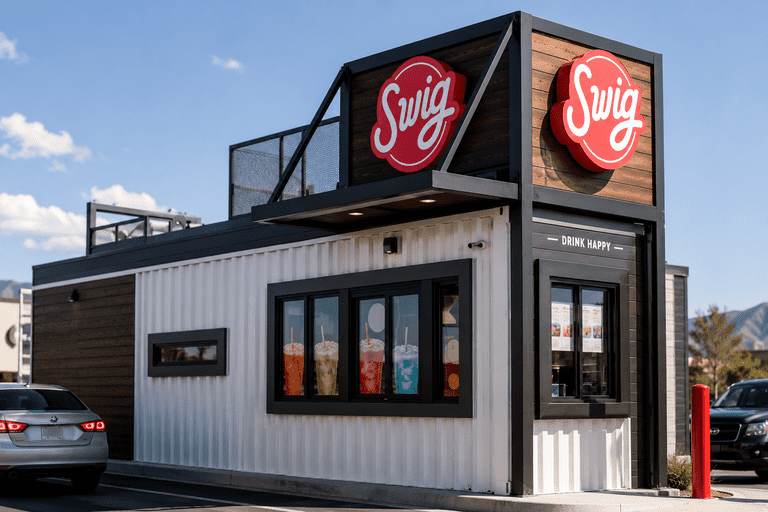
Dirty soda chain Swig is expanding into Colorado through a 10-unit franchise deal, riding a consumer beverage trend that's catching the attention of major QSR players nationwide.
May 15, 2026
A warm, expert-led look at McDonald’s Q1 results, menu makeover, and the refranchise question shaping its growth.
May 14, 2026
A reflective look at Habit Ranch, its immersive desert activation, and what it signals for brand loyalty and mindful, experiential dining.
May 14, 2026

Unlock Exclusive Access To Webinars, Events, And The Latest News For Free!
Mo’ Bettahs leaves Kansas City as it pivots to a PE-backed national expansion to Phoenix, Indianapolis, and Minneapolis.

Photo by Sergio Mena Ferreira
Mo’ Bettahs, the Utah-born Hawaiian plate-lunch concept, is pulling the plug on its Kansas City operation. All five area stores—Overland Park, Olathe, Blue Springs, Liberty, and Lee’s Summit—will close, with operations ending April 10, 2026. The move comes after the brand first landed in the Kansas City metro in 2022 and a second area location shuttered in 2024. The abrupt withdrawal underscores a familiar truth in fast-casual growth: even brands riding national enthusiasm must reckon with market economics that don’t bend to a spreadsheet. Local outlets tracked the mid-April developments, confirming a full exit across the KC footprint. The question now is what Mo’ Bettahs' next national chapter looks like.
Beyond the KC recap, Mo’ Bettahs had planted a broader arc: a 2022 Overland Park debut as a launchpad into the Midwest, followed by additional area stores and a 2024 pruning that trimmed the footprint before the final exit. The five KC sites were part of a larger, once-promising regional push, now rolled back as the brand reallocates capital to other markets. The exit isn’t framed as a sudden retreat, but as part of ongoing market-performance assessment within a fast-casual strategy built on measured expansion and selective pruning. The next move: keep watching the brand’s national push unfold.
Mo’ Bettahs’ growth story sits on a private-equity backbone. The company runs nearly 80 corporate-owned restaurants nationwide and has touted 18 consecutive years of same-store sales growth, a record buyers find compelling. The narrative shifted in 2018 when Savory Fund invested, laying groundwork for rapid scale. A major equity reconfiguration in 2024 realigned ownership with Blue Marlin Partners and Trive Capital taking a majority stake while Savory and the founders retained minority stakes. The brand signaled bold plans to add Phoenix, Indianapolis, and Minneapolis, expanding its footprint to nine states and a broader national push. It’s a classic PE-backed scale play—target strong markets, then scale, not scattershot expansion.
1. From six to 56 stores – Savory’s ownership helped Mo’ Bettahs grow from six stores to 56 across seven states. Harrington Park Advisors advised the process, and Mayer Brown served as counsel. Blue Marlin and Trive lined up their own teams. The plan: keep the momentum, reallocate capital, and treat KC as a learning step in a broader, multi-market playbook. 2. Nine-state horizon – With a refreshed ownership mix, the brand looks toward Phoenix, Indianapolis, and Minneapolis as anchors for national growth.
Public statements emphasized gratitude and recalibration. Mo’ Bettahs framed the Kansas City move as part of a regular market-performance review, thanking the KC team members and guests who helped share authentic Hawaiian plate lunch and Aloha with the community. "As part of our regular review of market performance, we’ve made the strategic decision to exit the Kansas City market. We’re incredibly grateful for our time there and to the Kansas City team members and guests who helped us share authentic Hawaiian plate lunch and Aloha with the community." The company stressed that the exit reflects a broader market-performance assessment rather than a sudden retreat.
"Mo’ Bettahs has established itself as the leader in the Hawaiian category, as well as one of the most exciting fast casual brands in the market with its high-quality food and authentic dining experience that harkens back to Kimo and Kalani's days growing up in Hawaii." said Peter Kirsch, founder and managing partner of Blue Marlin Partners. The comment signals confidence in the brand’s momentum as it pivots to new markets, underscoring a long-term growth thesis rather than a one-off retreat.
Industry observers see the KC exit within a broader wave of Hawaiian cuisine growth nationwide. Hawaiian Bros, a KC-area competitor founded in 2018, has continued to expand and reported momentum in 2025, signaling persistent consumer appetite for island-inspired concepts even as brands recalibrate. The KC move illustrates a larger pattern: private-equity-backed growth can accelerate multi-market entry, but market-by-market performance remains a variable. The brand’s pivot toward Phoenix, Indianapolis, and Minneapolis is framed as a test of whether momentum translates across diverse regions.
KC’s exit as a case study shows that growth is possible in some markets while not in others. The private-equity playbook aims for strong markets first, then scaling, but the real test is profitability and consistency across climates. As Mo’ Bettahs eyes new markets, the industry watches whether the updated playbook delivers lasting footprints and stronger multi-market performance.
Gaps and questions remain about the Kansas City chapter. While Mo’ Bettahs frames the exit as a market-performance review, internal deliberations, unit economics, or local competitive pressures aren’t detailed publicly. The five-store closure dates and timing relative to 2024’s regional pruning invite interpretation about how the brand evaluates market viability in real time. The move also raises questions about how ongoing private-equity investments translate into tighter store counts, staffing, and regional capital.
Implications for the Hawaiian fast-casual era Taken with plans to enter Phoenix, Indianapolis, and Minneapolis, the KC episode underscores a broader industry pattern: PE-fueled growth paired with disciplined recalibration. The Hawaiian fast-casual era is real, but success in one city doesn’t guarantee the same elsewhere. As Mo’ Bettahs tests the new markets, observers will gauge whether its updated playbook can deliver lasting footprints and stronger multi-market performance.