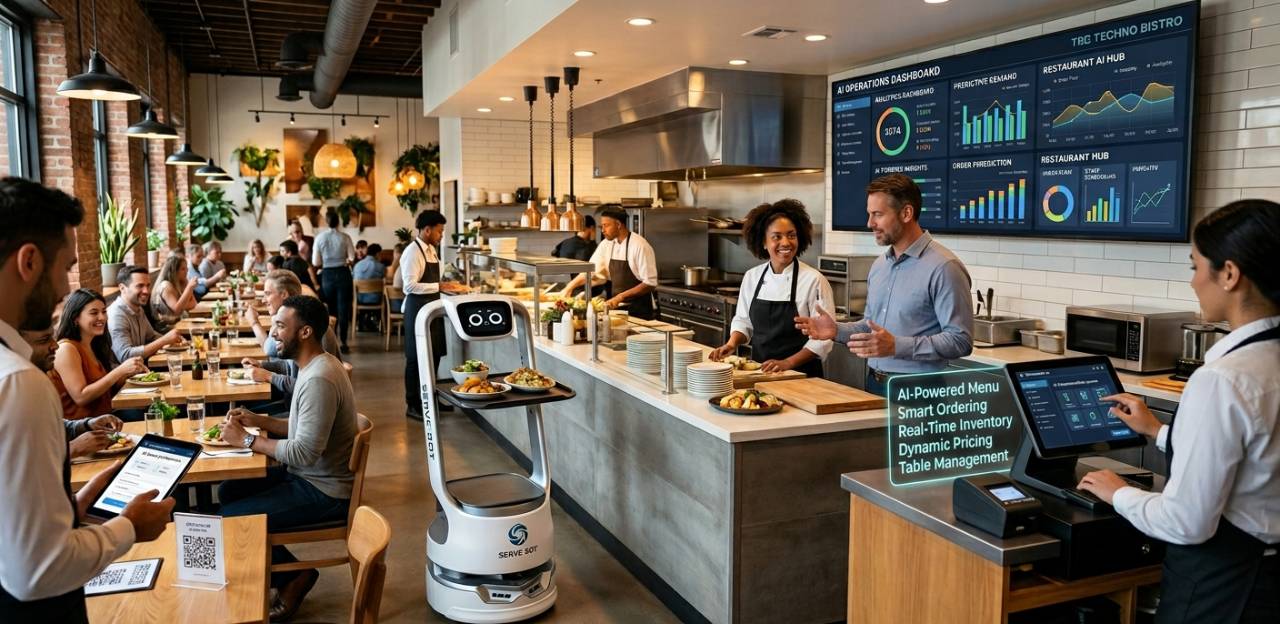
AI Playbook for Restaurant Owners
This AI playbook covers restaurant tools for voice ordering, staffing, compliance, menu pricing, inventory, marketing, ChatGPT prompts, and SEO.
tech
May 15, 2026
This AI playbook covers restaurant tools for voice ordering, staffing, compliance, menu pricing, inventory, marketing, ChatGPT prompts, and SEO.
May 15, 2026
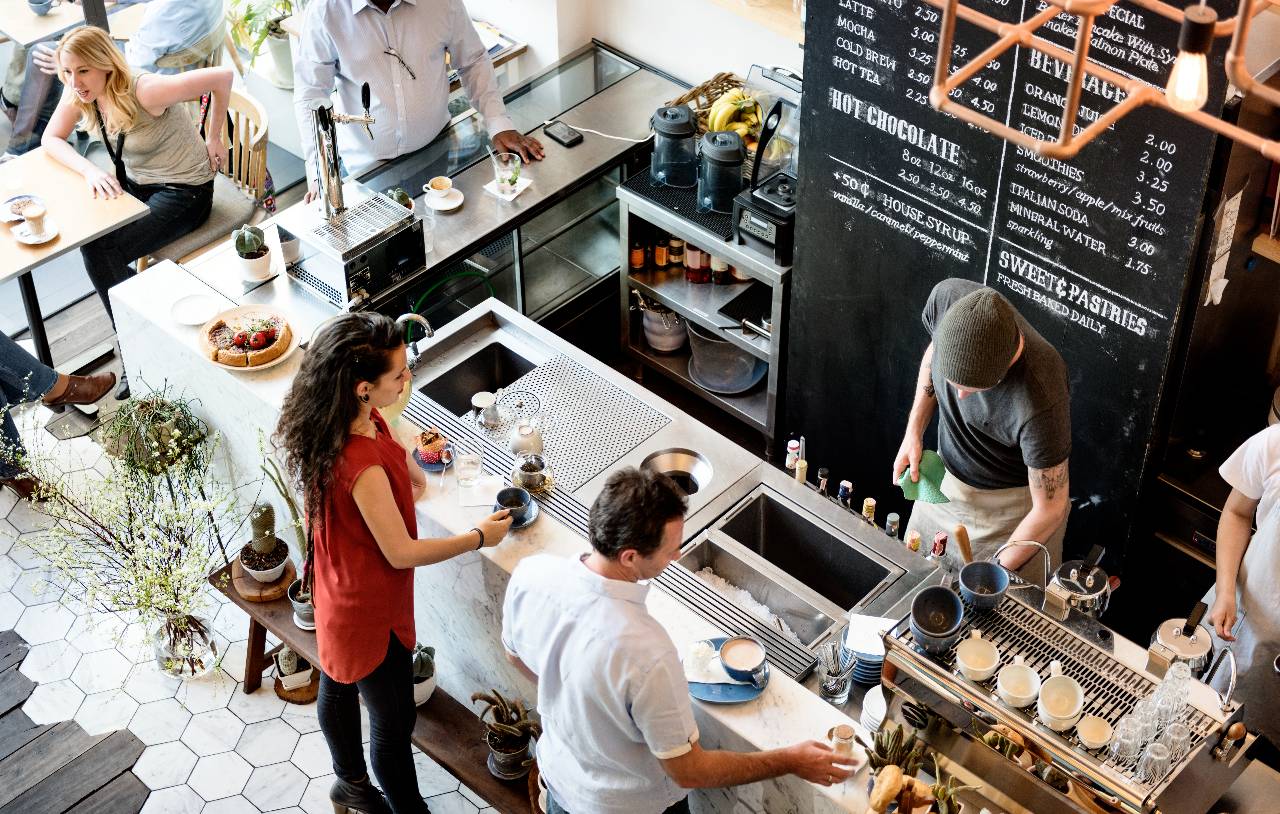
Opening a coffee shop in 2026 requires careful cost planning across rent, equipment, labor, technology, menu strategy, marketing, and sustainability.
May 15, 2026
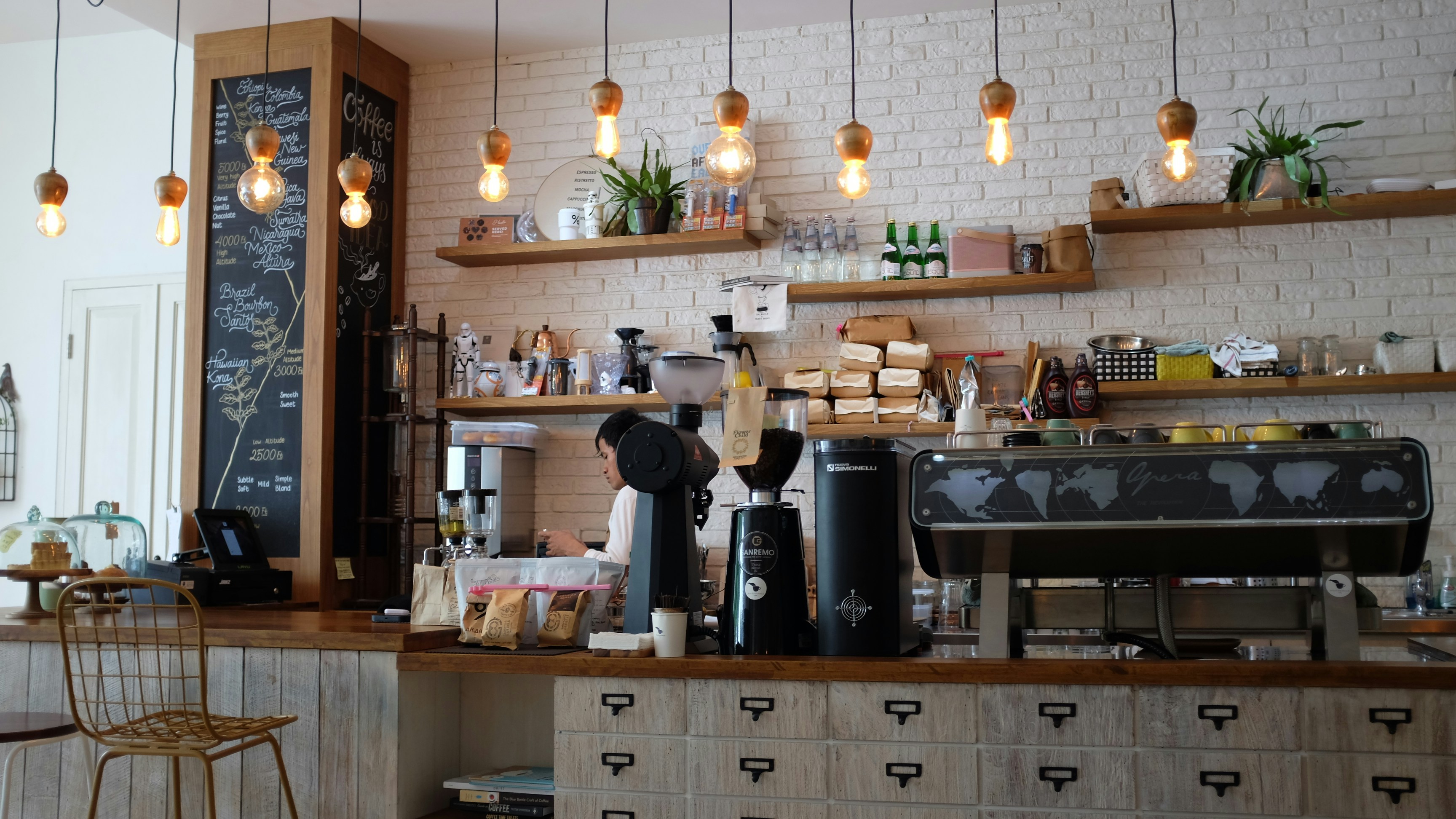
Hardee’s giant Boddie-Noell inks 31-unit Scooter’s Coffee deal for NC and VA, leveraging drive-thru growth and local roots with rollout over 12–18 months.
May 15, 2026
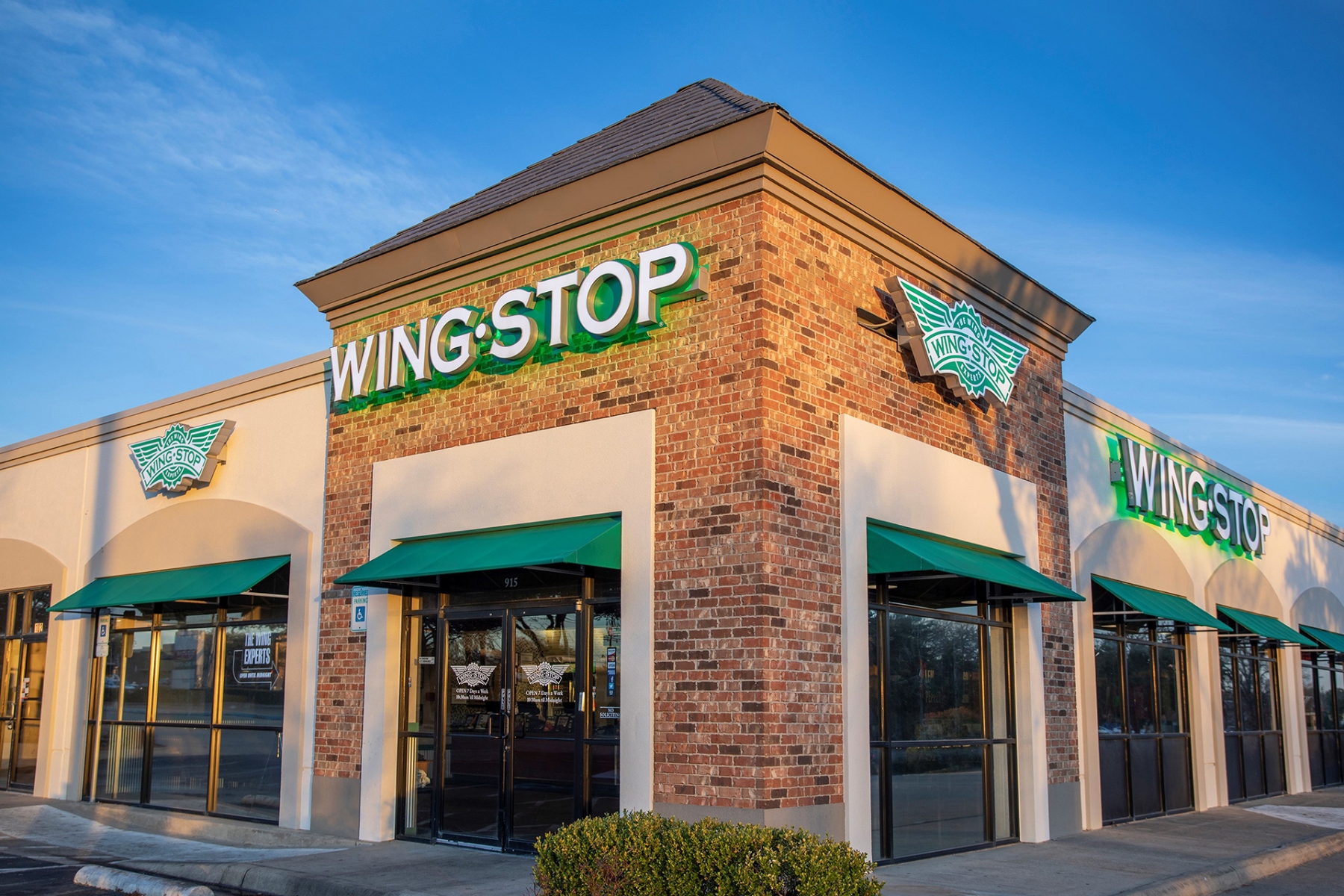
Wingstop turns match weeks into a multi-sensory festival, aligning bold pop-ups with World Cup energy to build brand affinity and measurable momentum.
May 15, 2026
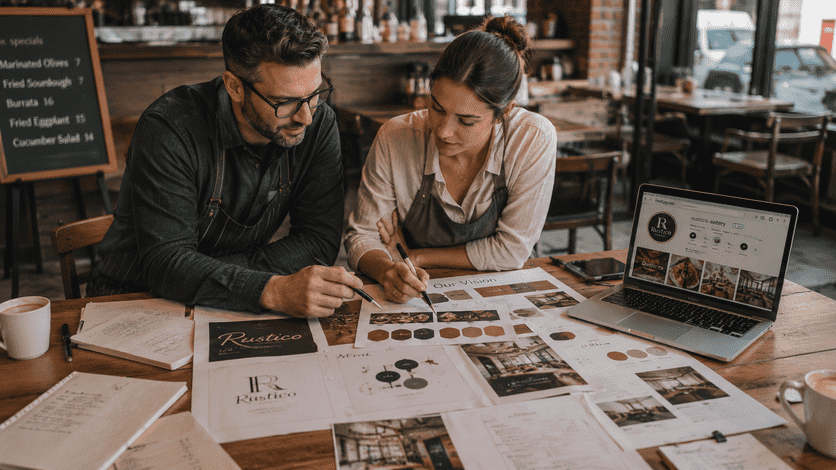
Learn how to develop a memorable restaurant brand identity that stands out in a crowded market, attracts loyal customers, and drives repeat business with actionable strategies and affordable tools.
May 15, 2026
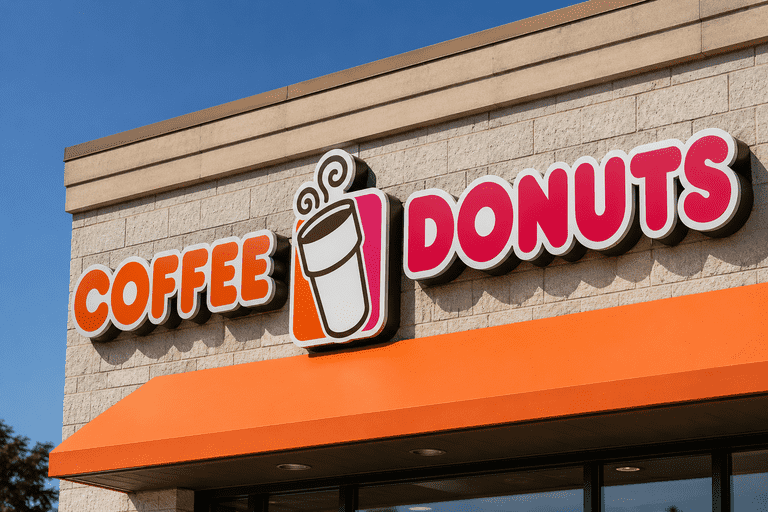
The parent company behind Dunkin', Buffalo Wild Wings, and Arby's has filed for an IPO a move that could reshape how Wall Street views the restaurant sector.
May 15, 2026
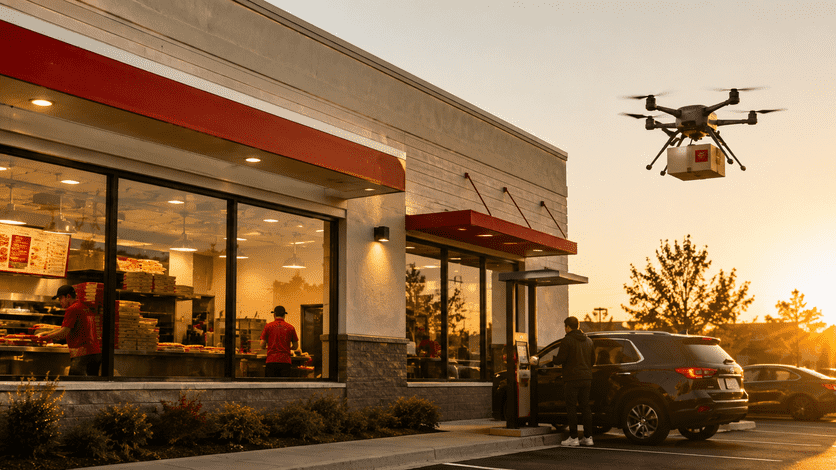
Papa Johns has teamed up with Alphabet's Wing for drone delivery of its new sandwich lineup in parts of Charlotte marking the first partnership of its kind between Wing and a national QSR brand.
May 15, 2026
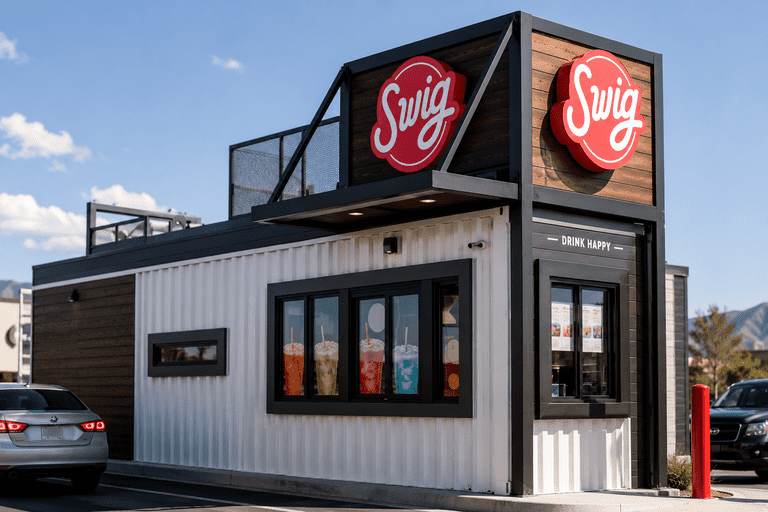
Dirty soda chain Swig is expanding into Colorado through a 10-unit franchise deal, riding a consumer beverage trend that's catching the attention of major QSR players nationwide.
May 15, 2026
A warm, expert-led look at McDonald’s Q1 results, menu makeover, and the refranchise question shaping its growth.
May 14, 2026
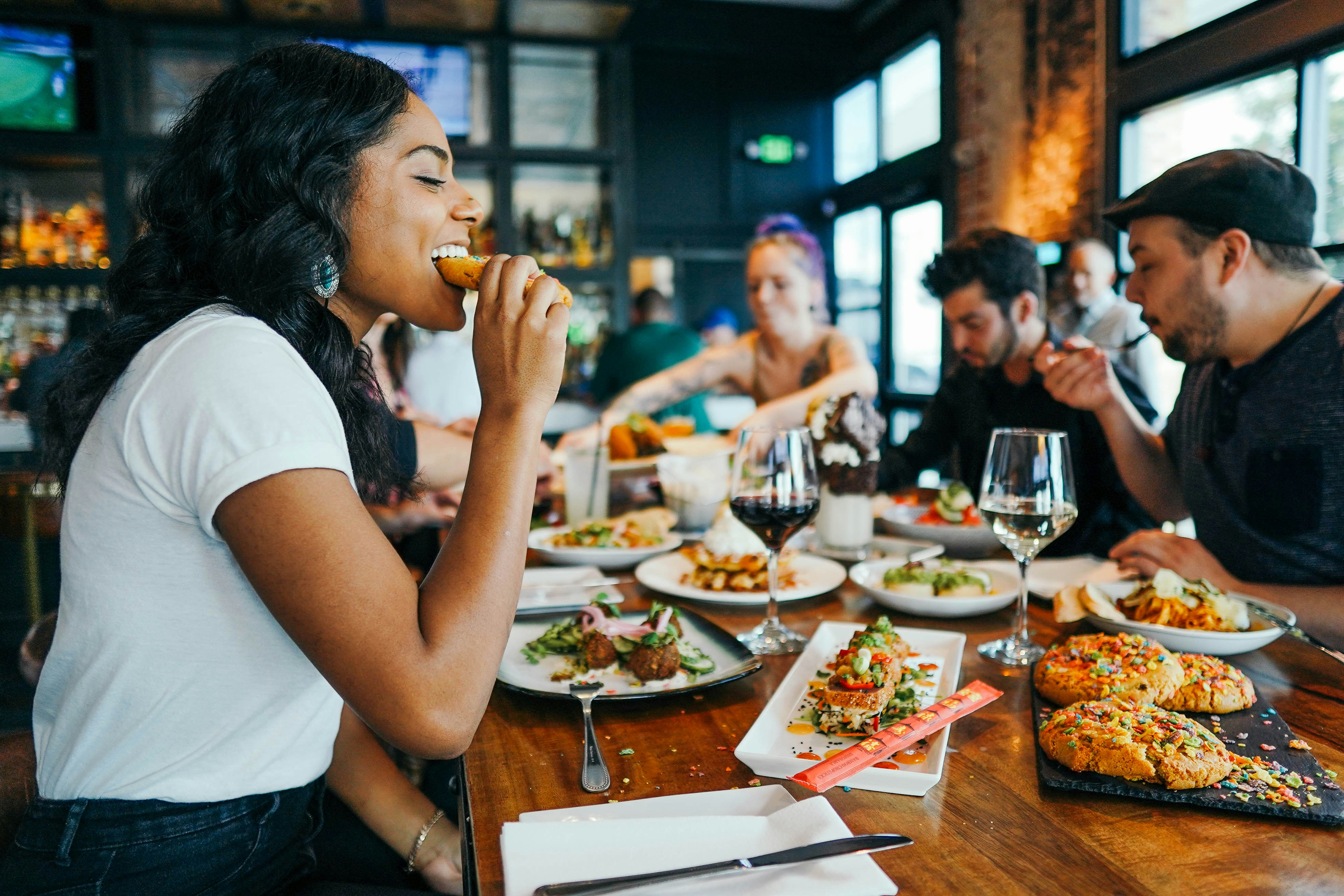
A reflective look at Habit Ranch, its immersive desert activation, and what it signals for brand loyalty and mindful, experiential dining.
May 14, 2026

Unlock Exclusive Access To Webinars, Events, And The Latest News For Free!
Michelin launches a six-city Great Lakes edition, elevating Midwest dining with autonomous inspectors and a 2027 reveal.
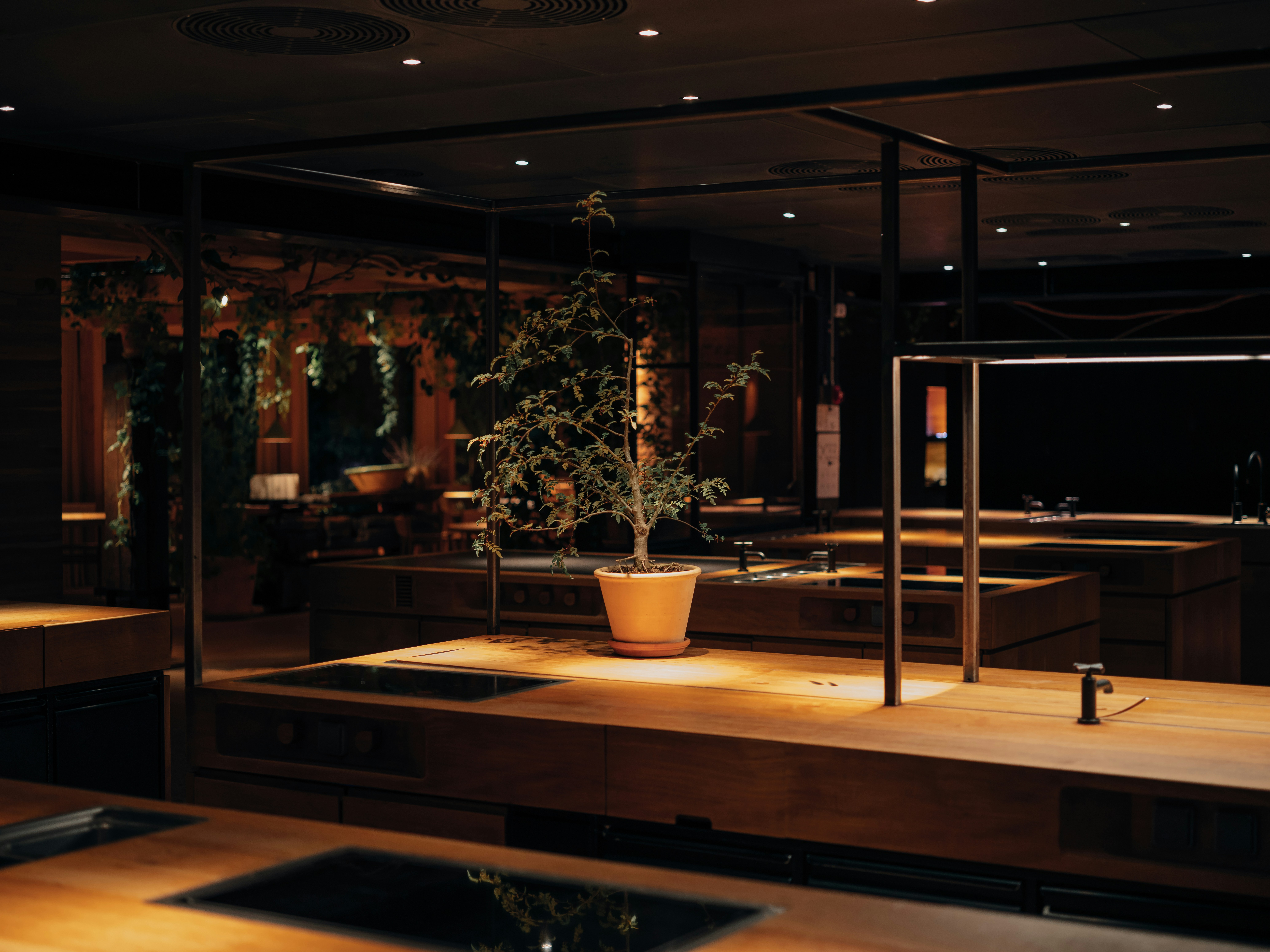
Photo by Yohan Marion
From the quiet shoreline towns of the Midwest to the international dining stage, Michelin unfurls a new chapter: the Great Lakes edition. The six cities—Cleveland, Detroit, Indianapolis, Milwaukee, Minneapolis, and Pittsburgh—will be drawn into a single, globally coherent rubric that has long governed tasting menus and table service across continents. Inspectors are already in the field, moving with the same practiced calm that has made the guide a trusted compass for diners and chefs alike. The region’s culinary map is poised for a recalibration, as local kitchens are invited to meet a standard that travels well beyond regional pride. What does this commitment look like in practice, and when will the first plates be judged?
Michelin has confirmed that the six-city edition includes Cleveland, Detroit, Indianapolis, Milwaukee, Minneapolis, and Pittsburgh, with the inaugural selections slated for reveal in 2027. Across these cities, anonymous inspectors are already in the field, applying the guide’s five criteria and preserving the brand’s famously rigorous standards. The process remains independent, with local destination partners handling promotion while the evaluators measure against criteria that travel with the brand, not with market pressure. The story, ultimately, is not a single restaurant, but a region becoming legible on the world stage.
The move fits a wider arc of Michelin’s North American growth. The North American rollout began with New York in 2005 and progressed through Chicago (2011), Washington, D.C. (2017), and select introductions in California (San Francisco in 2007 and statewide in 2019), Florida (Greater Miami, Orlando and Tampa in 2022, with St. Pete-Clearwater and others added in 2025), Texas (2024), and other markets, with Boston, Philadelphia and the American South anticipated in 2025–2026 before the Great Lakes edition in 2027. Forbes frames this as a deliberate alignment of regional pride, tourism ambitions, and culinary rigor, a pattern of extending a global framework to places with distinct identities. The Great Lakes edition, then, appears as a careful balance of regional storytelling and universal standards.
Why now also reflects a broader alliance between destination marketing organizations, regional development goals, and Michelin’s branding as an international standard-bearer for dining excellence. In the Midwest, the move is framed as a chance to elevate local talent on the world stage, to attract visitors, and to encourage investments in hospitality. This is not a solitary expansion but a coordinated strategy to broaden access to stars, Bib Gourmand, and Green Star for a region eager to be read with the same seriousness as more heralded markets.
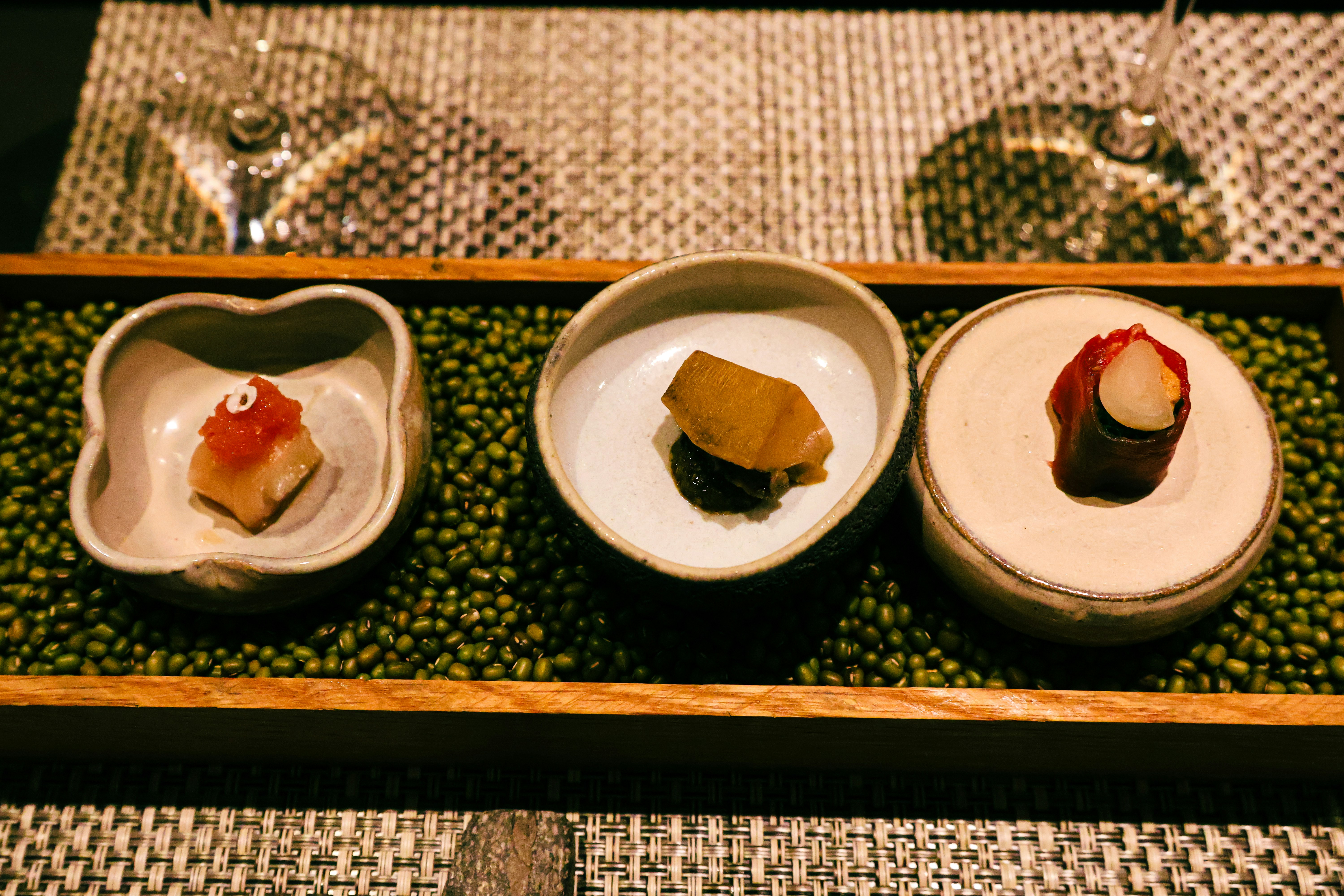
How cities are chosen unfolds as a carefully choreographed duet between independent inspectors and local destination partners. The official language emphasizes autonomy: inspectors evaluate restaurants against five criteria—product quality, mastery of cooking techniques, harmony of flavors, the chef’s personality, and consistency over time—while local organizations manage promotion and storytelling. The mechanism promises a uniform standard across Paris, New York, and the Great Lakes, with Bib Gourmand for value and Green Star for sustainability. The independence of evaluation remains the compass, guiding the journey even as partners help illuminate the map.
Insights to notice include the collaboration with local tourism offices and civic leaders, designed to fund promotional activities while the ranking results hinge on the established criteria rather than market pressure. The narrative remains that of an independent evaluation, a standard that travels with the brand rather than bending to local incentives. In the end, the aim is to translate regional cuisine into a globally legible language, while preserving the integrity that makes Michelin recognizable in every dining room it visits.
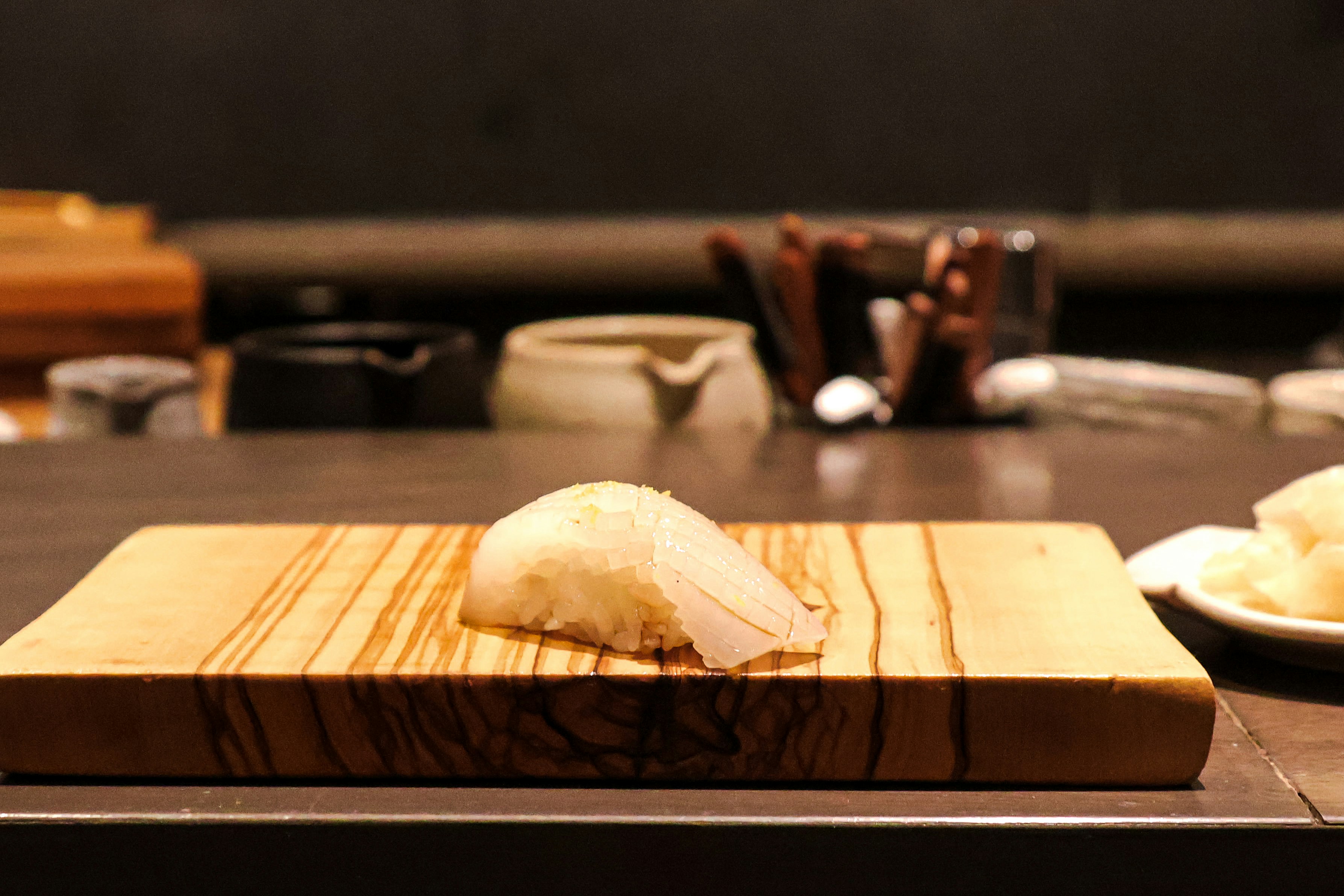
Cities respond to the news with a shared sense of possibility. Minneapolis, through Meet Minneapolis, frames the expansion as a rare opportunity to elevate the city’s culinary scene on a global stage, noting that Minneapolis has long been seen as “underrated” and that Michelin could change that trajectory. Detroit’s leadership sees inclusion as a milestone that could position the region as a premier culinary destination and spur higher visitation and longer stays. Milwaukee’s officials describe the moment as transformative, a catalyst that could energize neighborhoods and attract global attention. Taken together, these remarks sketch a future where culinary prestige translates into broader economic vitality.
What might follow is a ripple of hospitality investments, hotel occupancy, and extended stays as travelers seek curated dining experiences. The region’s chefs and tourism bodies anticipate that Michelin’s seal of quality could help reshape storytelling around diverse culinary identities, encouraging pride and broader cultural exchange. In short, the Great Lakes edition is not just a list; it is a narrative in which a region speaks to the world through its plates.
Timeline moves toward 2027. The key milestone is the inaugural restaurant selection to be revealed at a ceremony to be announced later. Across the six cities, scouts and in-market inspections proceed under Michelin’s anonymous auspices, with local partnerships funding promotional activities while the evaluation remains independent. While terms of funding are not disclosed publicly, industry observers note that multi-city collaborations typically pair marketing investments with culinary recognition, rather than a single centralized budget. The timing is public, but the exact choreography remains to be seen.
Gaps and next steps include clarifications around the precise date of the ceremony, the nature of local influence on publicity, and how shifts in the dining scene might affect this year of preparation. The materials emphasize inspector independence and the five criteria, but the exact balance of local partners and how they shape publicity remains closely watched. As in any large-scale rollout, the possibility of change lingers—especially for immigrant- and minority-owned restaurants that Michelin has historically highlighted as part of a broader cultural conversation.