How Much Does It Cost to Open a Coffee Shop in 2026?
Opening a coffee shop in 2026 requires careful cost planning across rent, equipment, labor, technology, menu strategy, marketing, and sustainability.
operations
May 15, 2026
Opening a coffee shop in 2026 requires careful cost planning across rent, equipment, labor, technology, menu strategy, marketing, and sustainability.
May 15, 2026
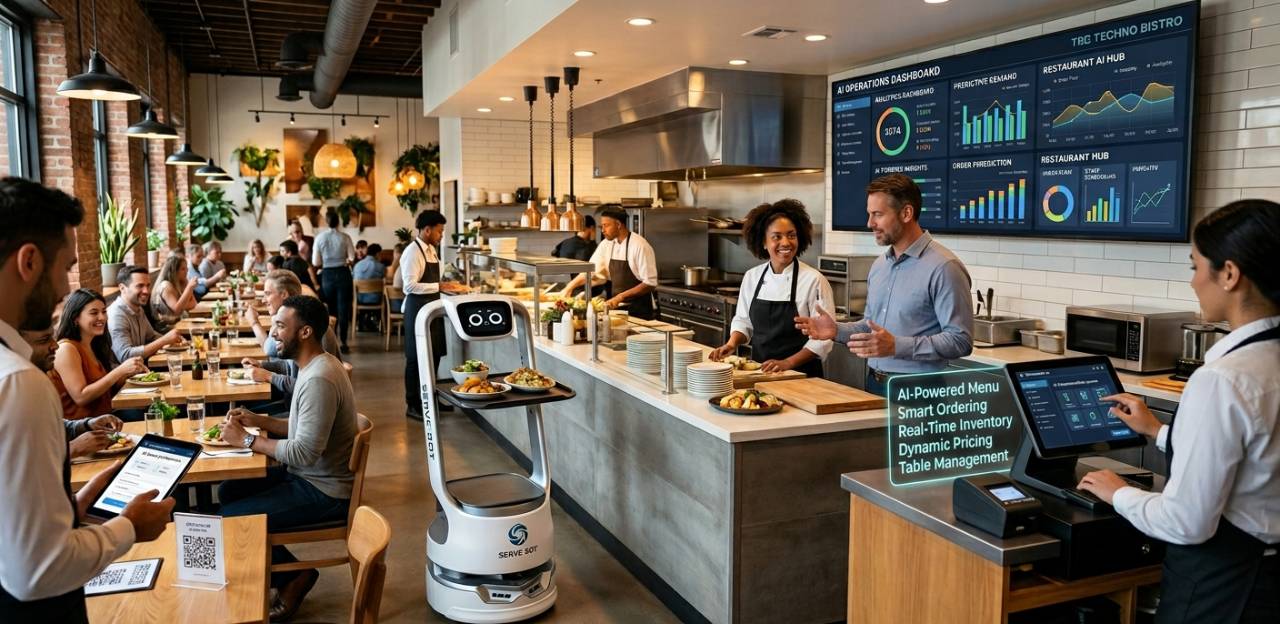
This AI playbook covers restaurant tools for voice ordering, staffing, compliance, menu pricing, inventory, marketing, ChatGPT prompts, and SEO.
May 15, 2026
Hardee’s giant Boddie-Noell inks 31-unit Scooter’s Coffee deal for NC and VA, leveraging drive-thru growth and local roots with rollout over 12–18 months.
May 15, 2026
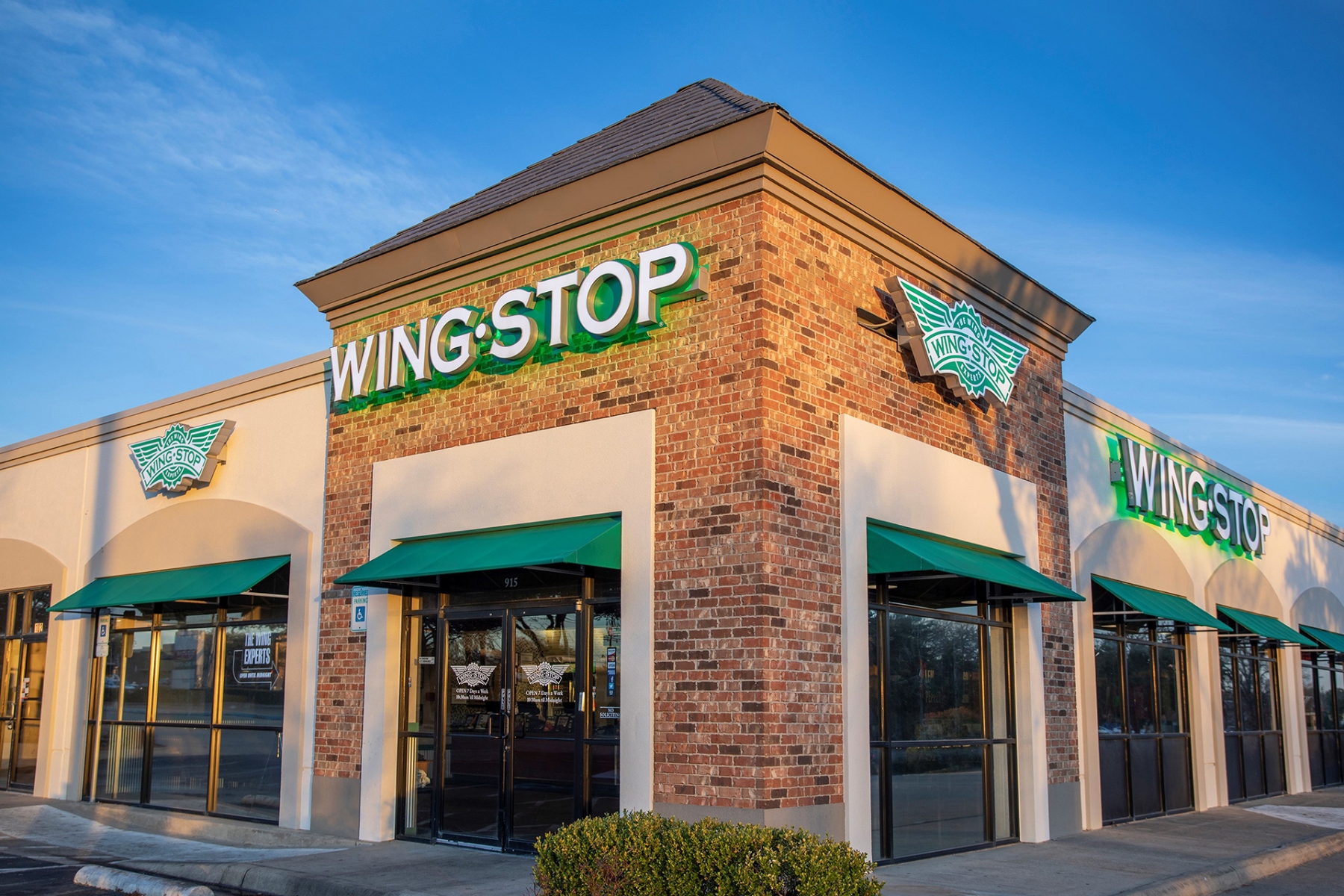
Wingstop turns match weeks into a multi-sensory festival, aligning bold pop-ups with World Cup energy to build brand affinity and measurable momentum.
May 15, 2026
The parent company behind Dunkin', Buffalo Wild Wings, and Arby's has filed for an IPO a move that could reshape how Wall Street views the restaurant sector.
May 15, 2026
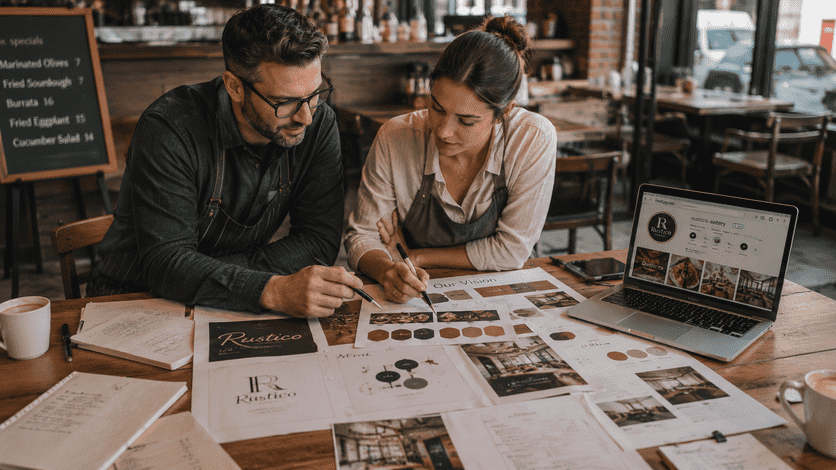
Learn how to develop a memorable restaurant brand identity that stands out in a crowded market, attracts loyal customers, and drives repeat business with actionable strategies and affordable tools.
May 15, 2026
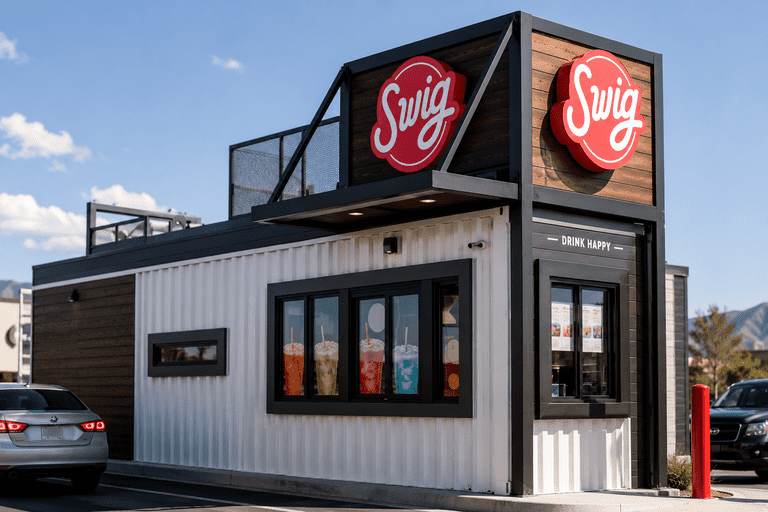
Dirty soda chain Swig is expanding into Colorado through a 10-unit franchise deal, riding a consumer beverage trend that's catching the attention of major QSR players nationwide.
May 15, 2026
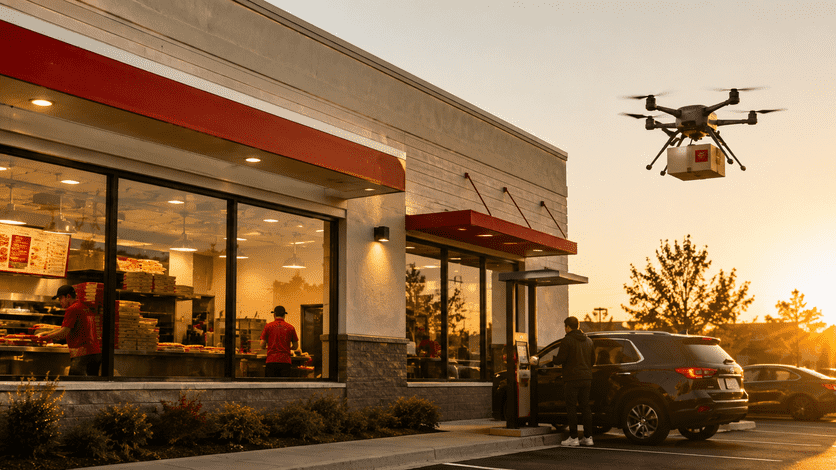
Papa Johns has teamed up with Alphabet's Wing for drone delivery of its new sandwich lineup in parts of Charlotte marking the first partnership of its kind between Wing and a national QSR brand.
May 15, 2026
A warm, expert-led look at McDonald’s Q1 results, menu makeover, and the refranchise question shaping its growth.
May 14, 2026
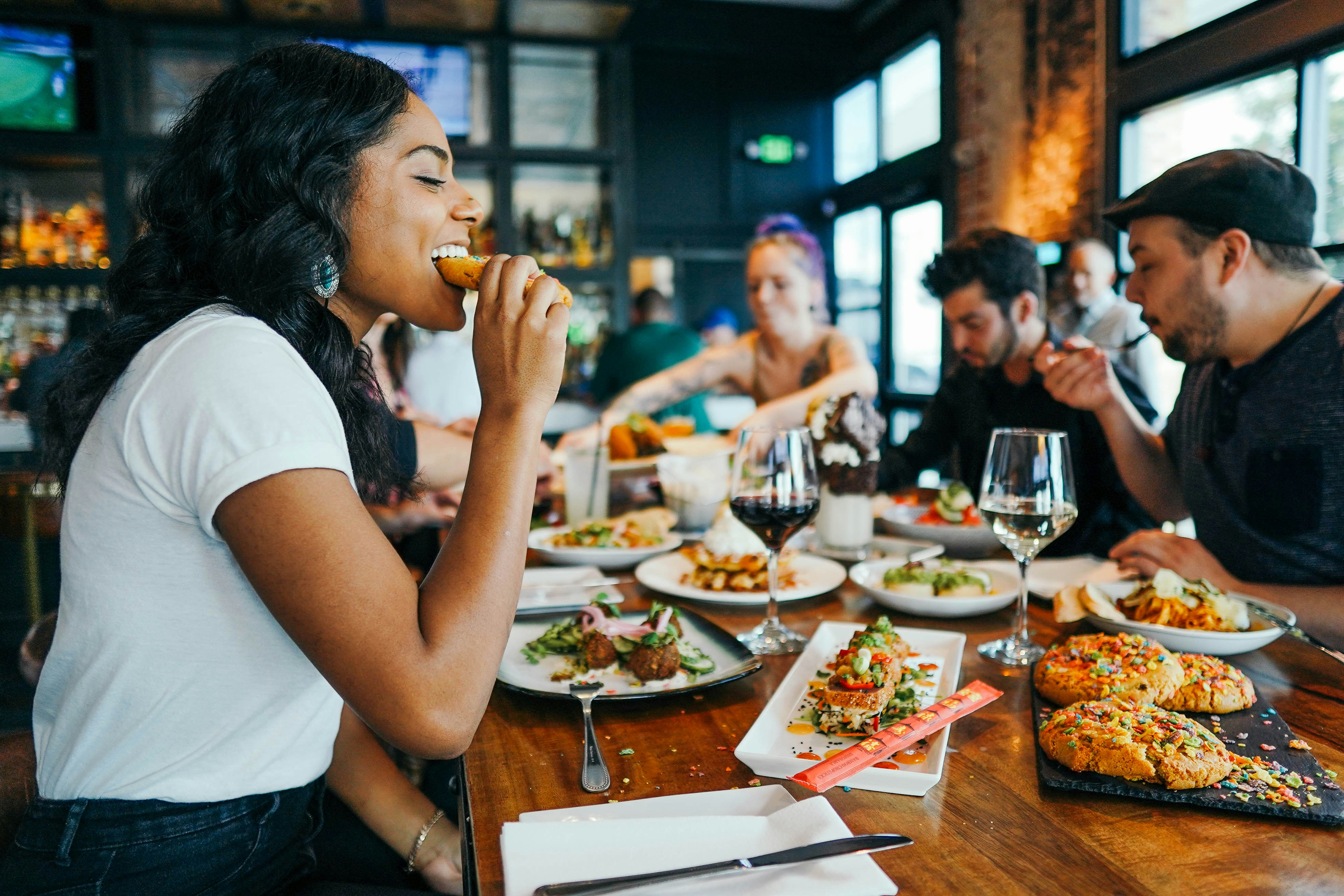
A reflective look at Habit Ranch, its immersive desert activation, and what it signals for brand loyalty and mindful, experiential dining.
May 14, 2026

Unlock Exclusive Access To Webinars, Events, And The Latest News For Free!
A focused look at McDonald's value push, its loyalty expansion, and how price discipline aims to convert digital engagement into steady visits amid cost pressures.
Photo by Paula Vermeulen
McDonald's entered 2024 with value as the loudest argument. In the second quarter, the word value wasn't a slogan; it was a metric, a topic, a trigger. Executives peppered the earnings call with it—78 mentions from the company and 18 from analysts—like a chef tasting salt before service. The macro pressure is real: input costs push higher, households tighten discretionary spend, and promotions shape choices. The team treats value as a discipline, not a single stunt, built to survive cycles. The question is simple: can this plan stay durable when the menu costs keep moving? It begins with a plan, and the plan has to prove itself.
At the core are a few pillars: the national $5 Meal Deal that began testing in mid-2024 and has evolved since, a broader McValue platform, exclusive in-app offers, more local deals, and simple pairings like Buy One, Add One for $1. The plan is to scale digital initiatives to translate value into repeat visits, because only a portion of customers currently engages online. Leadership notes that some promotions are subsidized to protect unit economics, aiming to keep the affordability story intact while protecting margins. The tempo is set; execution, not chatter, will decide the outcome.
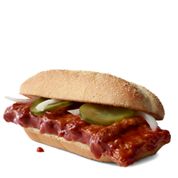
Mechanics In Action: A core pillar is the ongoing rollout and refinement of value-driven menus and promotions, including the national $5 Meal Deal that McDonald’s began testing in mid-2024 and extended in various forms thereafter. The brand has deployed a broader McValue platform, emphasizing exclusive in-app offers, more local deals, and pairings such as Buy One, Add One for $1. The company has publicly acknowledged that it needs to scale digital initiatives to translate value into repeat visits, noting that only a portion of customers currently engages with digital channels as it pursues a larger loyalty base. In parallel, industry reporting has highlighted the broader market practice of subsidizing value offers to protect unit economics, with some promotions backed by corporate support to extend affordability to price-sensitive guests.
Leadership response frames these moves as iterative, driven by shifting consumer behavior and competitive dynamics. “It’s clear that our value leadership gap has recently shrunk. We are working to fix that pace.” The emphasis is on a disciplined cadence: test, learn, refine, and scale where the math supports durable growth. The risk is not simply losing on price but letting the economics unravel if promotions outpace guest lifetime value. Yet the structure remains simple: value must be credible in-store, speedy in redemption, and easy to communicate across channels. This is where the plan earns its keep, or it falters.
So what follows is a test of discipline: can a value ladder convert online clicks into in-store visits across dozens of markets without undercutting margins?
Franchise voices have aligned with the plan in practice. The field has shown support for extending the $5 Meal Deal, with a substantial share of the U.S. system signaling willingness to keep it going as long as margins and sustainability stay intact. Leadership in McDonald’s USA has stressed that trial rates of the deal are highest among lower-income consumers, a signal that the accessibility story still matters when dollars are tight. trial rates of the deal are highest among lower-income consumers. The moment is less about a single promo and more about whether operators can translate value into reliable traffic without eroding profitability.
Across the industry, rival promotions proliferate—from unlimited wings campaigns to aggressive media-backed value messaging. Early momentum has lifted foot traffic at times, but observers warn that sustained impact depends on balancing price attractiveness with profitability for operators. The current value push is not a flash sale; it’s a strategic tilt toward loyalty and repeat visits, with critics watching closely whether the model can stand up to macro headwinds and promo fatigue.
If execution stays disciplined, this approach could yield more predictable visits and healthier margins over time.
In the near term, franchisees have signaled their support for continuing the $5 Meal Deal, with 93% of McDonald’s U.S. restaurants choosing to extend the program. Longer horizons point to a much larger ambition: boosting active loyalty users toward a broader ecosystem that could reach 250 million by 2027, paired with multi‑billion‑dollar systemwide loyalty sales. The roadmap ties value to pricing, digital engagement, and operational excellence as the company navigates a slower traffic environment than in prior years.
The interim strategy prioritizes pricing discipline, digital engagement, and operational excellence as the three legs holding the program together. The idea is to extend value without telling guests to swallow higher prices, crafting offers that stack value with convenience and speed. The emphasis on a durable, scalable model means that loyalty is not a side project but a central growth engine that must perform across markets and channels with consistent redemption and measurable impact.
Industry context and related movements show value as more than a promo. Placer.ai has documented noticeable traffic shifts for brands when value promotions align with specific days and offerings—think Buffalo Wild Wings’ traffic gains after an unlimited wings push. Yelp 2025 data highlight a measurable rise in budget-conscious searches, including terms like value meal and meal deal, underscoring a consumer focus on affordability. Taken together, the signals point to a broader shift: brands that publicly publicize value and tie it to loyalty metrics tend to see incremental visits and stronger retention.
Taken as a whole, the McDonald’s case reflects a longer arc: value is no longer a one-off promo but a durable moat built around pricing cadence, digital engagement, and a loyalty backbone. If execution remains disciplined, the loyalty platform could become a core driver of frequency—especially if online interactions translate into meaningful in-store traffic. The challenge is balancing costs, guest experience, and growth objectives across a global network, keeping affordability aligned with brand equity so the math doesn’t break in a downturn.