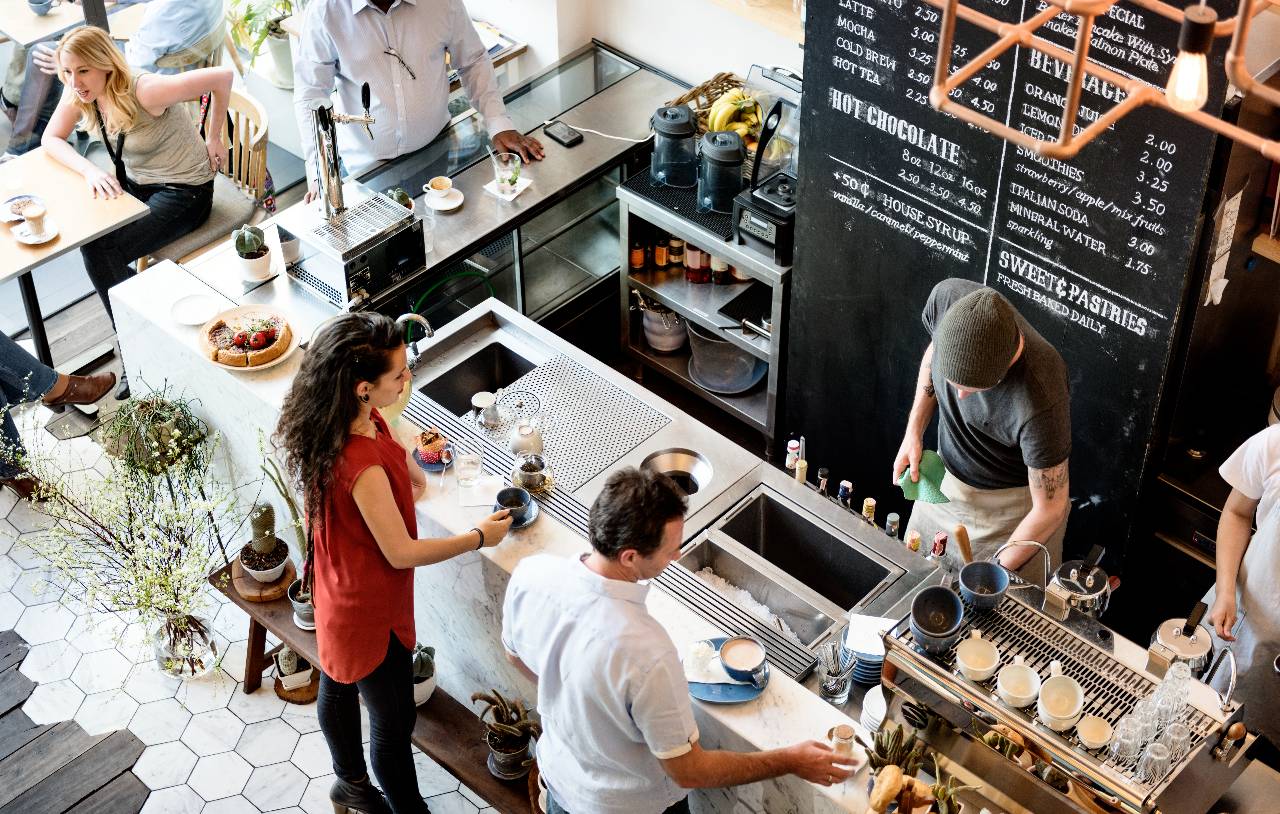
How Much Does It Cost to Open a Coffee Shop in 2026?
Opening a coffee shop in 2026 requires careful cost planning across rent, equipment, labor, technology, menu strategy, marketing, and sustainability.
operations
May 15, 2026
Opening a coffee shop in 2026 requires careful cost planning across rent, equipment, labor, technology, menu strategy, marketing, and sustainability.
May 15, 2026
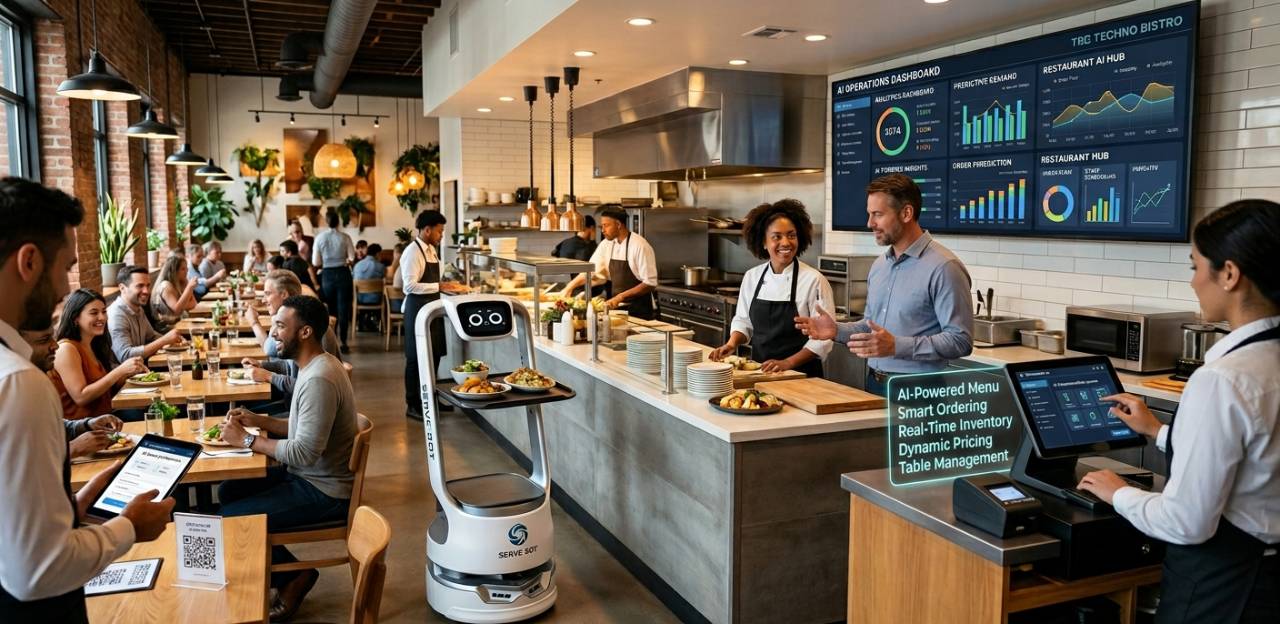
This AI playbook covers restaurant tools for voice ordering, staffing, compliance, menu pricing, inventory, marketing, ChatGPT prompts, and SEO.
May 15, 2026
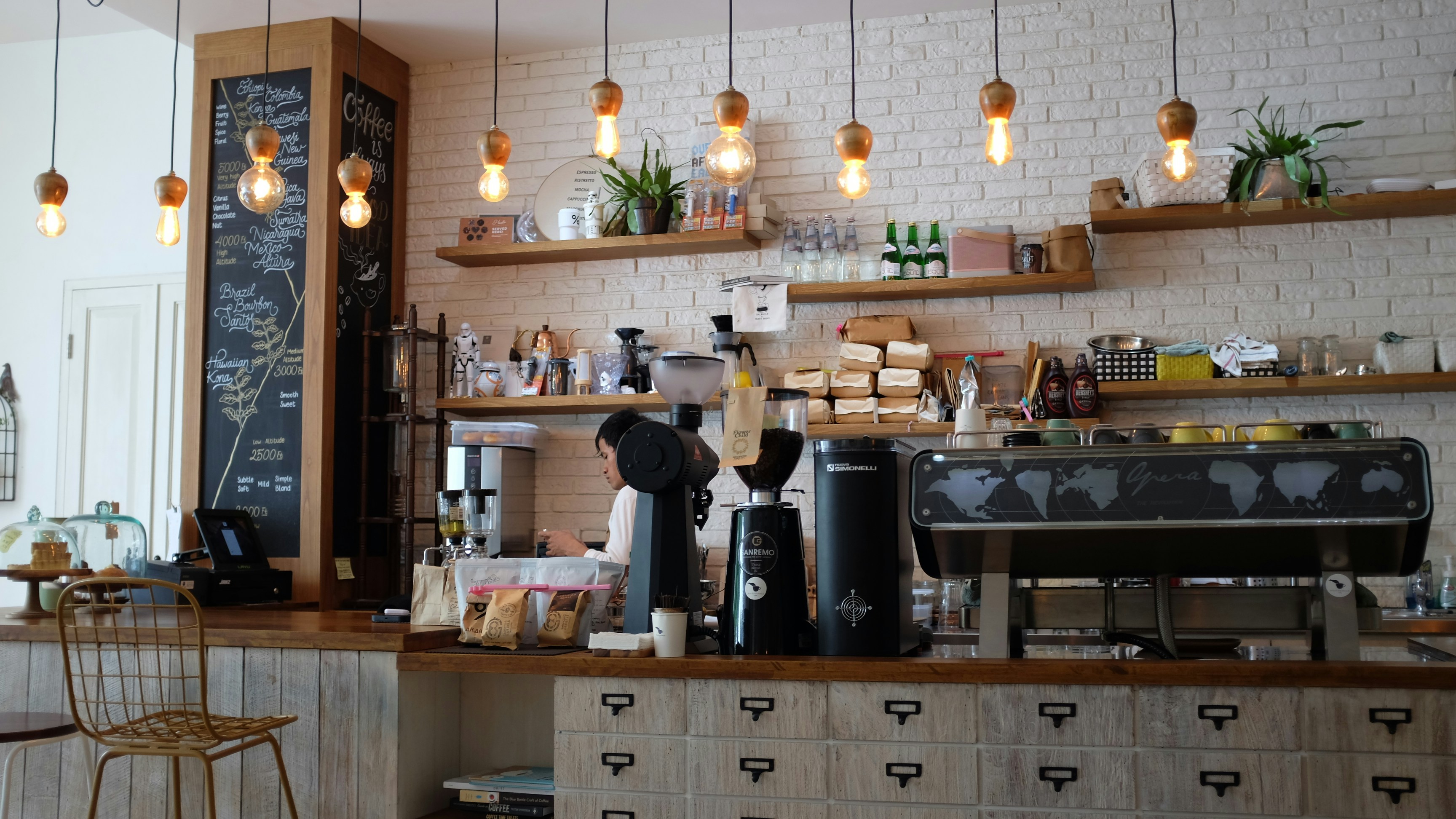
Hardee’s giant Boddie-Noell inks 31-unit Scooter’s Coffee deal for NC and VA, leveraging drive-thru growth and local roots with rollout over 12–18 months.
May 15, 2026
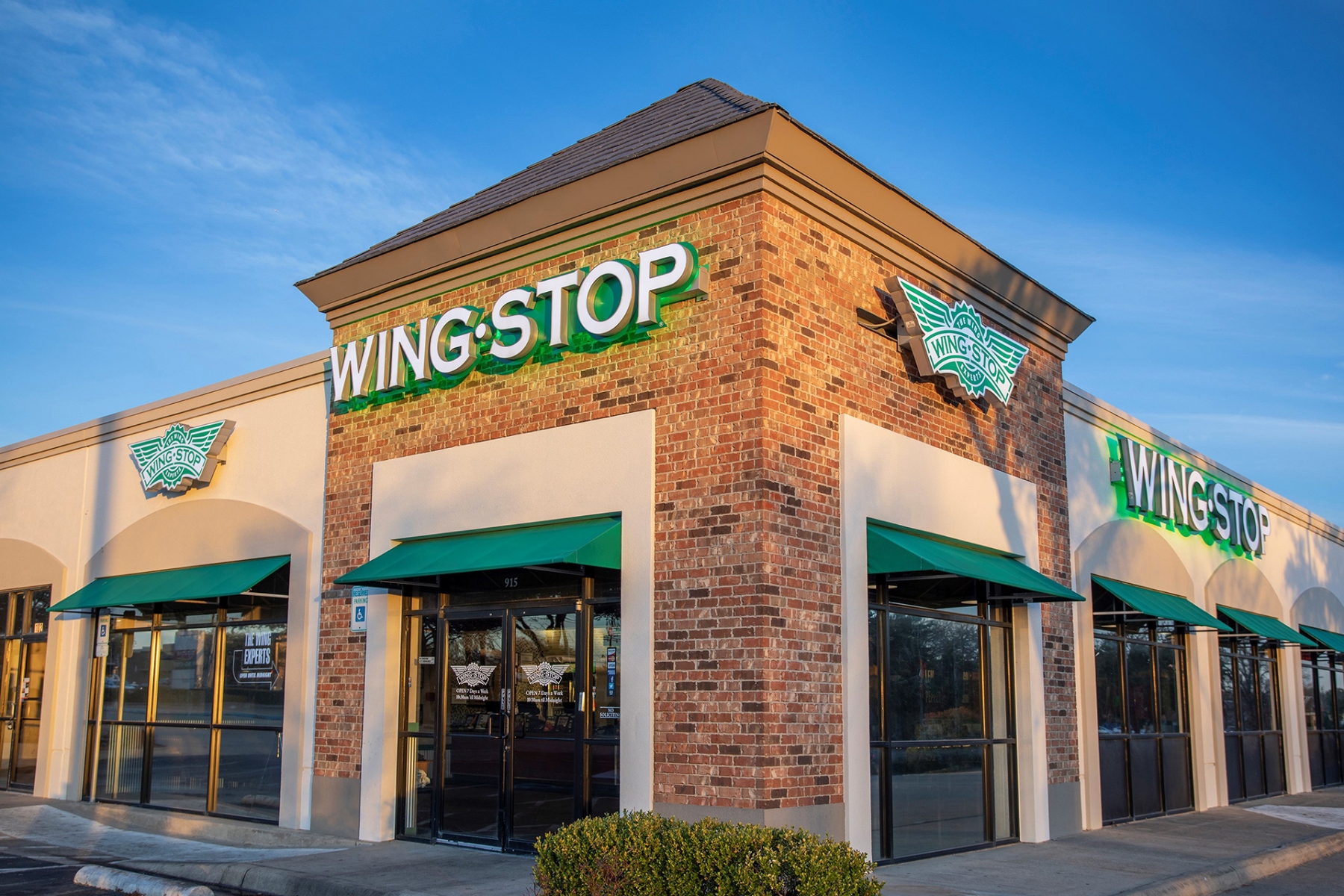
Wingstop turns match weeks into a multi-sensory festival, aligning bold pop-ups with World Cup energy to build brand affinity and measurable momentum.
May 15, 2026
The parent company behind Dunkin', Buffalo Wild Wings, and Arby's has filed for an IPO a move that could reshape how Wall Street views the restaurant sector.
May 15, 2026
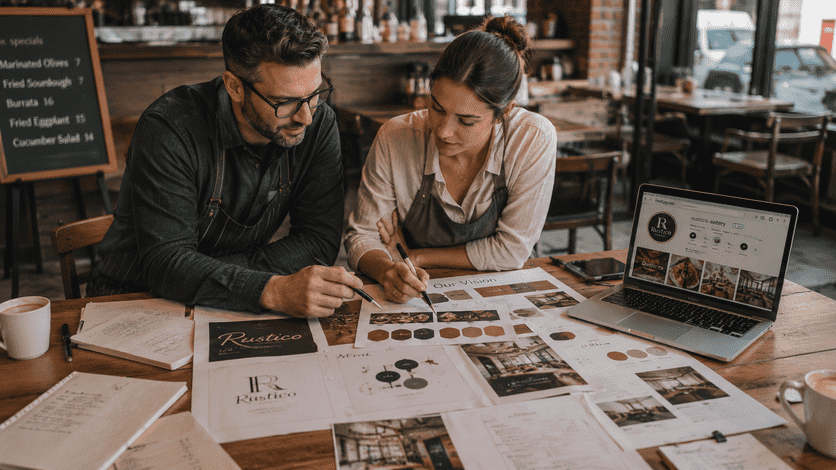
Learn how to develop a memorable restaurant brand identity that stands out in a crowded market, attracts loyal customers, and drives repeat business with actionable strategies and affordable tools.
May 15, 2026
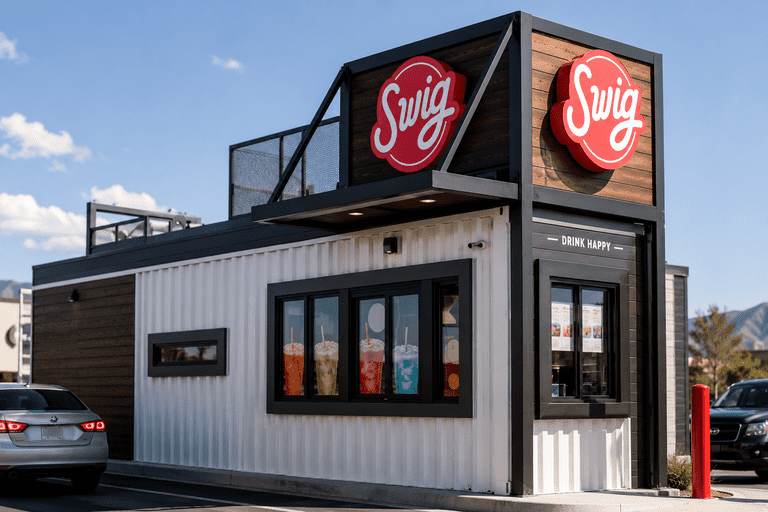
Dirty soda chain Swig is expanding into Colorado through a 10-unit franchise deal, riding a consumer beverage trend that's catching the attention of major QSR players nationwide.
May 15, 2026
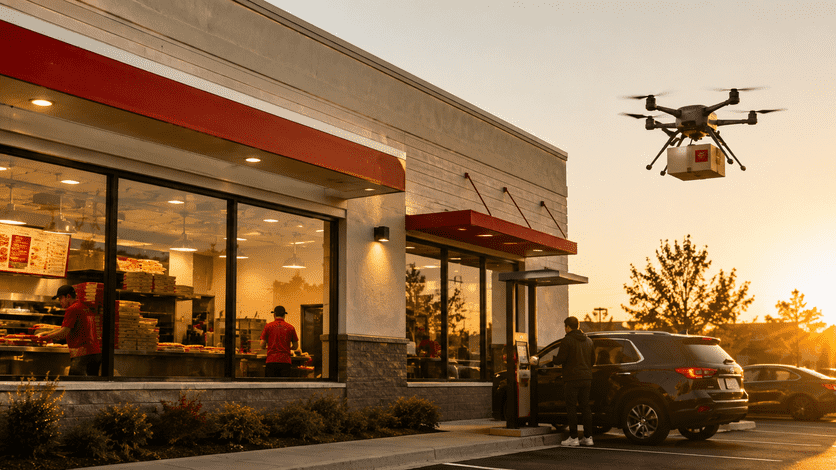
Papa Johns has teamed up with Alphabet's Wing for drone delivery of its new sandwich lineup in parts of Charlotte marking the first partnership of its kind between Wing and a national QSR brand.
May 15, 2026
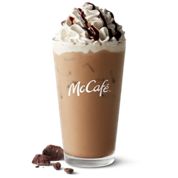
A warm, expert-led look at McDonald’s Q1 results, menu makeover, and the refranchise question shaping its growth.
May 14, 2026
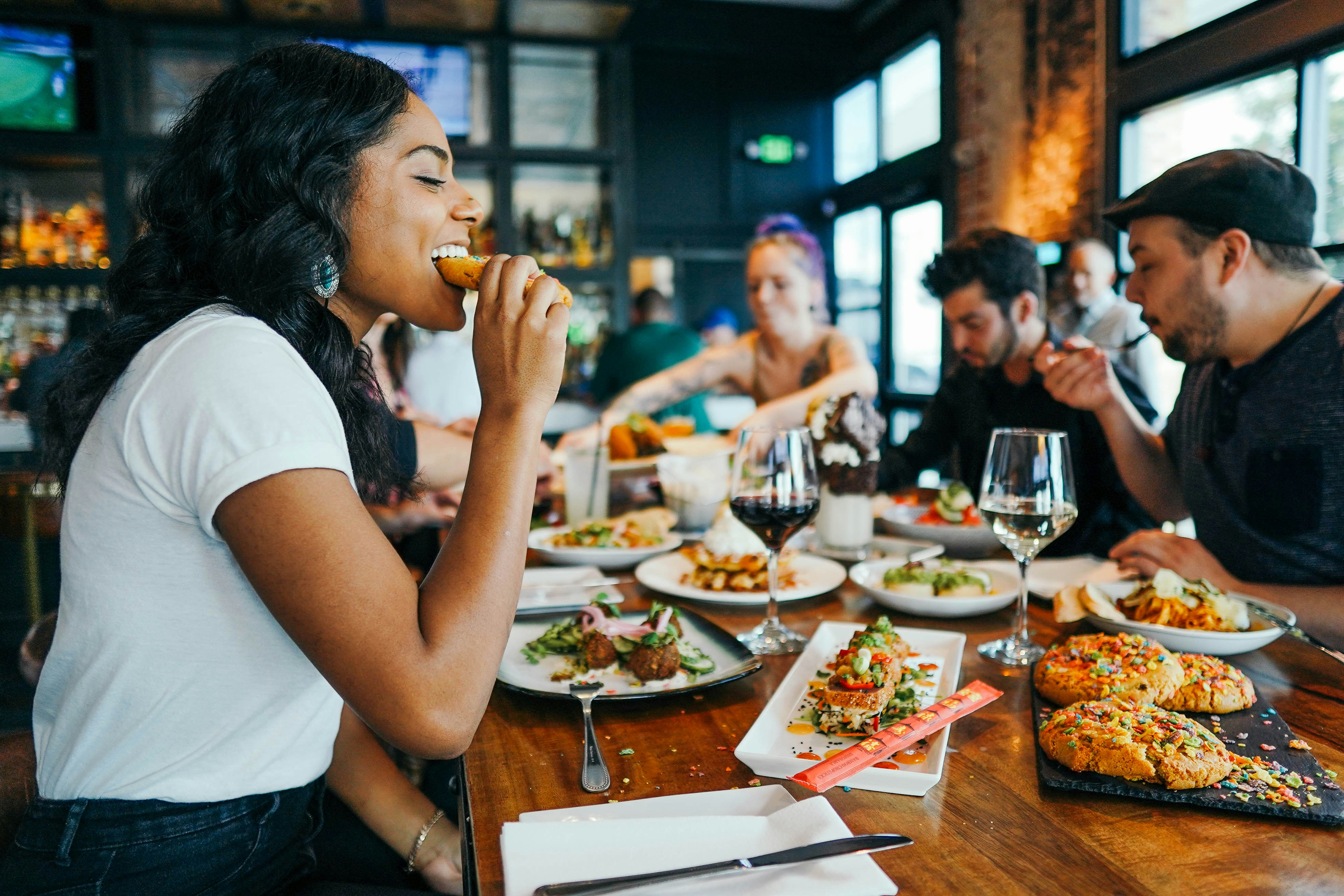
A reflective look at Habit Ranch, its immersive desert activation, and what it signals for brand loyalty and mindful, experiential dining.
May 14, 2026

Unlock Exclusive Access To Webinars, Events, And The Latest News For Free!
Explore the aftermath of McDonald's E. coli outbreak, lawsuits filed, and the implications for food safety standards.
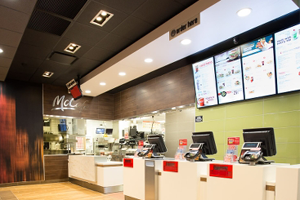
McDonald's recent E. coli outbreak has sent shockwaves through the fast-food industry. The contamination, linked to Quarter Pounders, has led to severe consequences for consumers across different states. At least 75 people fell ill, and tragically, it has resulted in one reported death. The outbreak has not only affected individuals' health but also raised significant legal and food safety concerns.
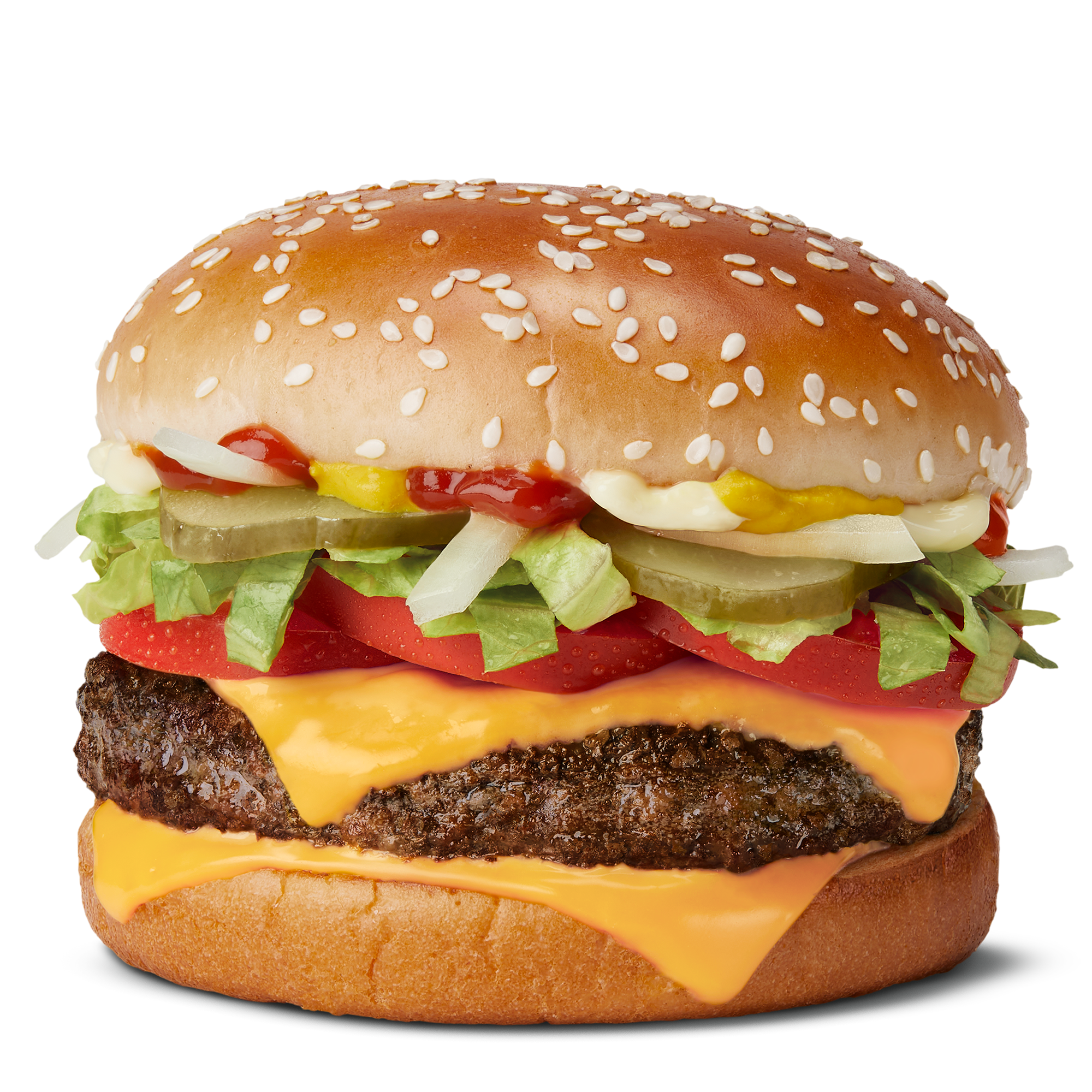
The aftermath of the E. coli crisis has seen a wave of legal action against McDonald's. Consumers in various states, including Colorado, Nebraska, and Florida, have initiated class action lawsuits seeking significant damages. From acute kidney failure to emergency room visits, the plaintiffs have experienced severe health repercussions, leading to claims of negligence and product liability against the fast-food giant.
The McDonald's E. coli outbreak serves as a stark reminder of the importance of stringent food safety measures in the food industry. The incident has highlighted the need for thorough supplier vetting, quality control processes, and swift crisis management protocols. It underscores the critical role that both companies and regulatory bodies play in ensuring the safety and integrity of the food supply chain.
Following the outbreak, McDonald's took immediate action to trace the source of contamination, which was identified as slivered onions sourced from a single supplier. The company promptly removed the implicated ingredient and terminated its partnership with the supplier. Moreover, health agencies, including the Centers for Disease Control and Prevention, have been actively involved in investigating and containing the spread of E. coli cases linked to McDonald's.