How Much Does It Cost to Open a Coffee Shop in 2026?
Opening a coffee shop in 2026 requires careful cost planning across rent, equipment, labor, technology, menu strategy, marketing, and sustainability.
operations
May 15, 2026
Opening a coffee shop in 2026 requires careful cost planning across rent, equipment, labor, technology, menu strategy, marketing, and sustainability.
May 15, 2026

This AI playbook covers restaurant tools for voice ordering, staffing, compliance, menu pricing, inventory, marketing, ChatGPT prompts, and SEO.
May 15, 2026

Hardee’s giant Boddie-Noell inks 31-unit Scooter’s Coffee deal for NC and VA, leveraging drive-thru growth and local roots with rollout over 12–18 months.
May 15, 2026

Wingstop turns match weeks into a multi-sensory festival, aligning bold pop-ups with World Cup energy to build brand affinity and measurable momentum.
May 15, 2026

The parent company behind Dunkin', Buffalo Wild Wings, and Arby's has filed for an IPO a move that could reshape how Wall Street views the restaurant sector.
May 15, 2026

Learn how to develop a memorable restaurant brand identity that stands out in a crowded market, attracts loyal customers, and drives repeat business with actionable strategies and affordable tools.
May 15, 2026

Dirty soda chain Swig is expanding into Colorado through a 10-unit franchise deal, riding a consumer beverage trend that's catching the attention of major QSR players nationwide.
May 15, 2026

Papa Johns has teamed up with Alphabet's Wing for drone delivery of its new sandwich lineup in parts of Charlotte marking the first partnership of its kind between Wing and a national QSR brand.
May 15, 2026

A warm, expert-led look at McDonald’s Q1 results, menu makeover, and the refranchise question shaping its growth.
May 14, 2026

A reflective look at Habit Ranch, its immersive desert activation, and what it signals for brand loyalty and mindful, experiential dining.
May 14, 2026

Unlock Exclusive Access To Webinars, Events, And The Latest News For Free!
McDonald’s pushes a nationwide McCafé drink rollout in 2026, expanding Refresher flavors and crafted sodas to boost traffic and average checks.
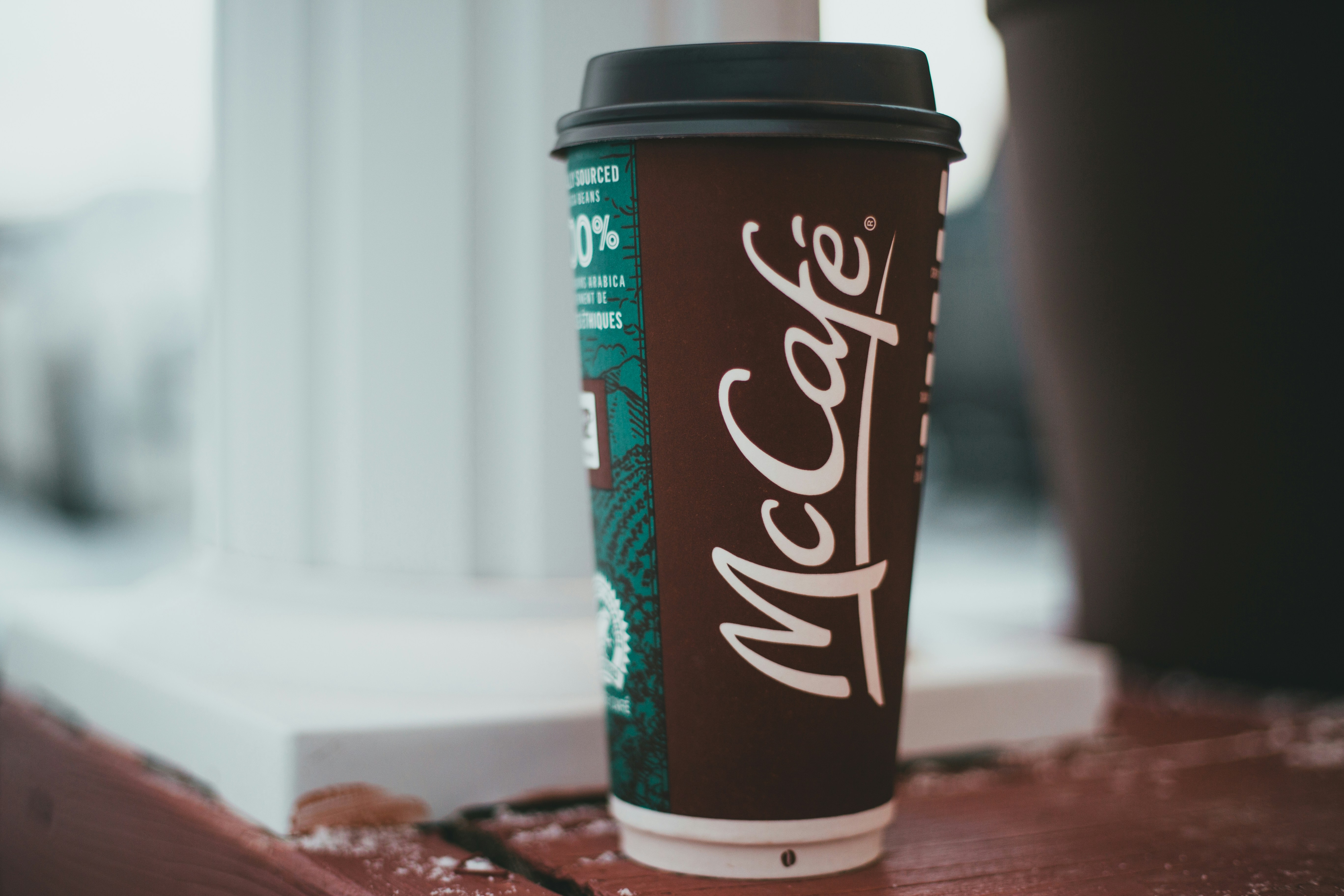
McDonald’s is retooling its beverage program as a flagship growth bet. In a rollout slated to begin May 2026, the chain aims to push beyond coffee and soft drinks by turning drinks into a marquee offering under the McCafé umbrella. The early lineup leans into crowd-pleasers and trend-forward flavors: a carryover from fans' favorites and new formats designed to spark visits across dayparts. The plan hinges on a broader lineup of Refresher drinks and crafted sodas, plus a much-hyped Dirty Dr Pepper and Mango Pineapple Refresher, with a Red Bull Dragonberry Energizer arriving later in the year. This is bigger than a menu tweak; it’s a strategic pivot. So what does this mean for daily visits, and who benefits first?
That rollout is anchored in tangible steps: a five-drink slate tested in 2025, culminating in a nationwide May 2026 launch. The initial lineup includes the Dirty Dr Pepper and Mango Pineapple Refresher, with the Red Bull Dragonberry Energizer planned for later this year. Across thousands of restaurants, franchisees are equipping presses and dispensers to execute the drinks on a scale never attempted before. The goal: spark incremental occasions—snack moments, dinner, and evening dayparts—and lift average checks while refreshing the McCafé brand.
Before a nationwide stage, McDonald’s ran tests in Wisconsin and Colorado that surprised insiders. The drinks delivered results that exceeded internal expectations, signaling that beverage-led launches could create fresh occasions beyond lunch and dinner. The company reorganized last year to stand up specialist teams for high-potential categories like beverages, chicken, and burgers, a move that aligns with the beverage push. By February, Jill McDonald, the global chief restaurant experience officer, told analysts that the beverage experiments did drive incremental occasions and nudged up average checks. The CosMc’s concept, introduced as a separate venture, was winding down, with flavors migrating into core restaurants rather than remaining standalone.
Franchisees have invested thousands of dollars to equip restaurants to mix these beverages, signaling a broad, capital-intensive rollout that optics the importance of drinks to the growth plan. At the same time, the CosMc’s wind-down is framed as an evolution—flavors migrating into regular McDonald’s locations, not a dead-end experiment. This is a delicate balance: test enough to learn, scale enough to win.
The rollout envisions a broad slate that extends the McCafé platform into fresh territory. The five-drink slate tested in 2025 culminates in a May 2026 national launch, with the Dirty Dr Pepper and Mango Pineapple Refresher anchoring the menu, and the Red Bull Dragonberry Energizer joining later in the year. A 500-store pilot underpinned the move, and energy drinks were expected to hit menus in August. The aim: reach younger, trend-conscious guests while complementing the core food lineup.
The strategy is clear: extend McDonald’s reach with beverage-forward options that pair with bites, inviting more frequent visits and higher checks without abandoning the brand’s familiar flavors. It’s a big bet on a category the company already sees as a growth engine, and one that will test the limits of scale in fast service.
Industry leaders are watching the beverage surge with interest. Dutch Bros CEO Christine Barone acknowledged the vibrancy of the category, noting that the broader push into advertising and products signals continued expansion and market share gains. She said, “I think big picture on this broader push on advertising and things like that, I think that this is a category that continues to grow. I think with our very strong growth rate, we’re clearly taking share in the category.” The wave isn’t limited to McDonald’s; rivals are expanding or refining drinks—KFC’s dirty sodas with Pepsi, Taco Bell Live Mas Café refinements, and updates from Panera, Domino’s, and Starbucks alike. The momentum is real, and it’s shaping a new competitive landscape.
The commentary from the field helps anchor the trend. Beverage-led growth is no longer a side quest; it’s a core strategy with an eye on afternoon and evening occasions. The industry’s pace suggests McDonald’s isn’t alone in chasing more drinks-led traffic, but its scale gives the rollout a real shot at moving the needle.
The ambition is clear, but execution at scale poses questions. Franchisees have sunk new equipment and training into the beverage lineup, a signal of execution risk that accompanies any major rollout. The shift toward beverages promises incremental occasions and higher ticket averages, but the path to steady margins will hinge on how guests respond, how smoothly stores adapt, and how training translates to consistent quality across thousands of locations. The CosMc’s wind-down offers a blueprint—test, migrate, and scale—but it also warns of mischief if demand fades or operations lag.
McDonald’s frames the move as a pivotal shift toward a beverage-centric lifestyle brand, backed by a global opportunity pegged at more than $100 billion. The path forward will be guided by real-world data gathered from store-level tests and guest feedback as the chain scales in the U.S. and select international markets. The coming months will reveal whether this bold bet translates into measurable traffic lift, ticket growth, and, ultimately, a durable niche for drinks inside the everyday McDonald’s experience.