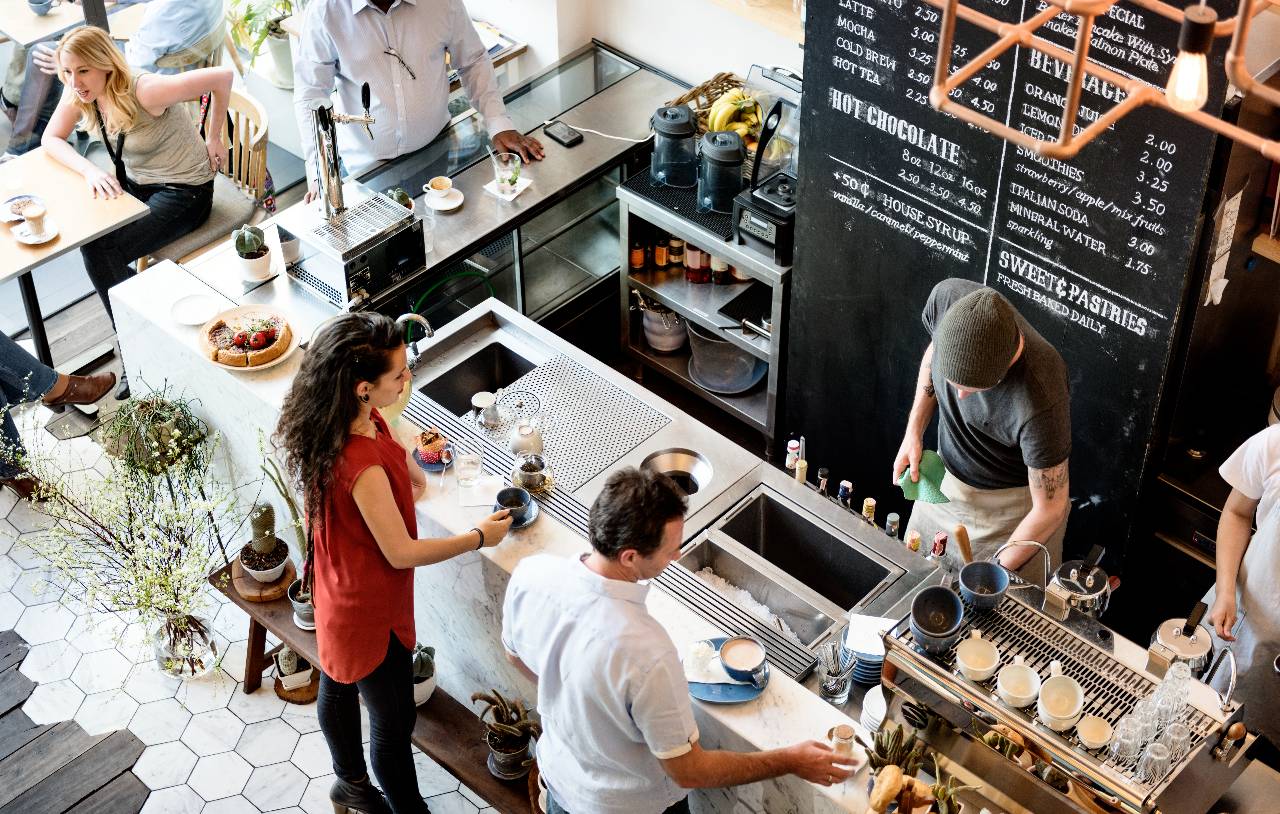
How Much Does It Cost to Open a Coffee Shop in 2026?
Opening a coffee shop in 2026 requires careful cost planning across rent, equipment, labor, technology, menu strategy, marketing, and sustainability.
operations
May 15, 2026
Opening a coffee shop in 2026 requires careful cost planning across rent, equipment, labor, technology, menu strategy, marketing, and sustainability.
May 15, 2026
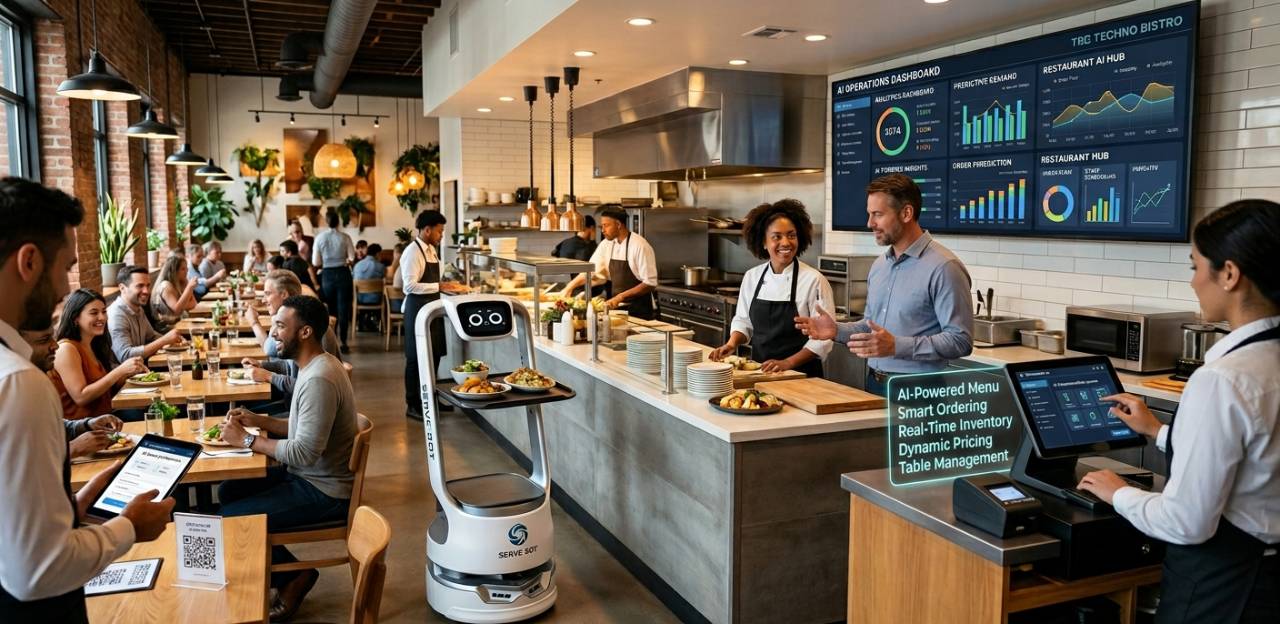
This AI playbook covers restaurant tools for voice ordering, staffing, compliance, menu pricing, inventory, marketing, ChatGPT prompts, and SEO.
May 15, 2026
Hardee’s giant Boddie-Noell inks 31-unit Scooter’s Coffee deal for NC and VA, leveraging drive-thru growth and local roots with rollout over 12–18 months.
May 15, 2026
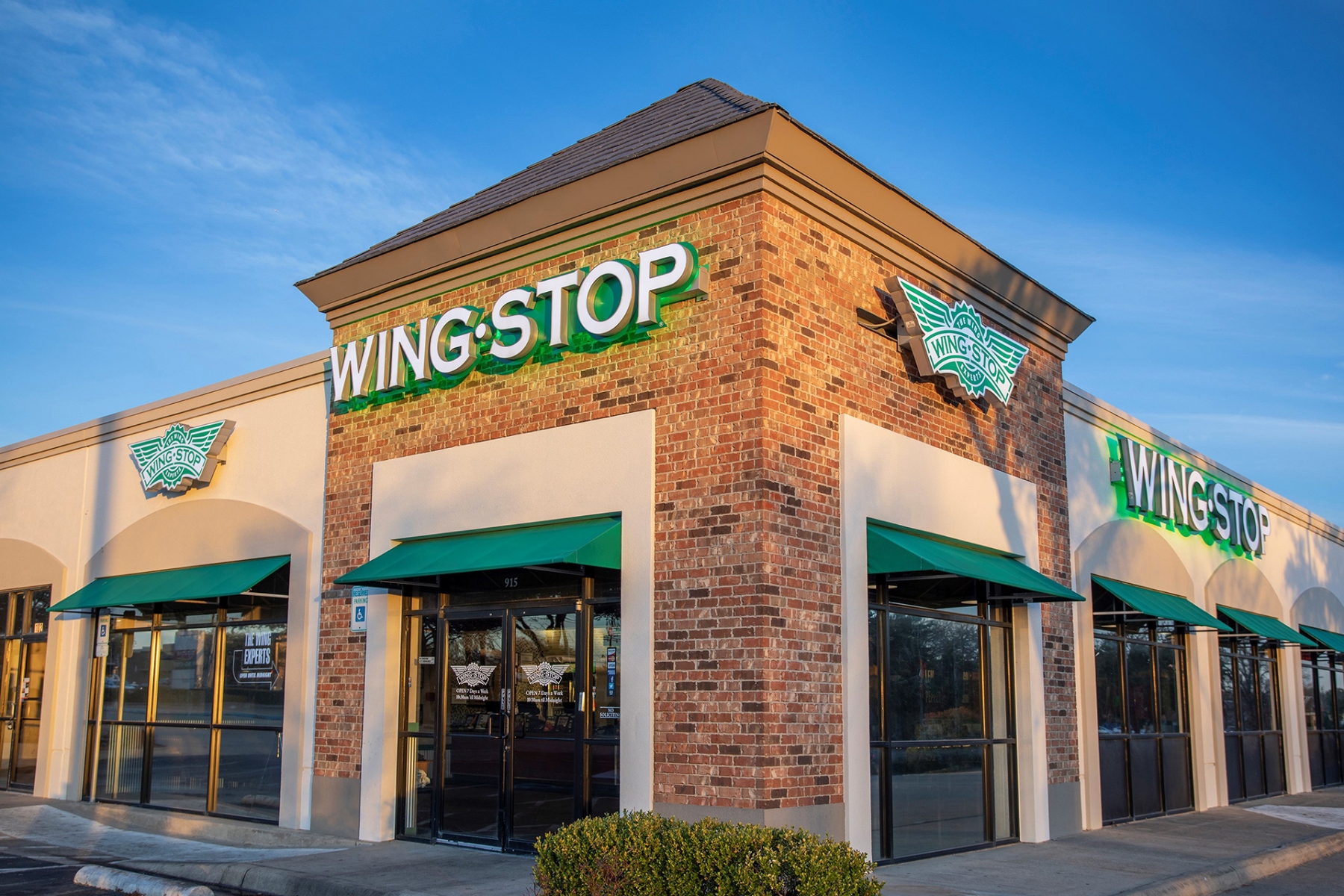
Wingstop turns match weeks into a multi-sensory festival, aligning bold pop-ups with World Cup energy to build brand affinity and measurable momentum.
May 15, 2026
The parent company behind Dunkin', Buffalo Wild Wings, and Arby's has filed for an IPO a move that could reshape how Wall Street views the restaurant sector.
May 15, 2026
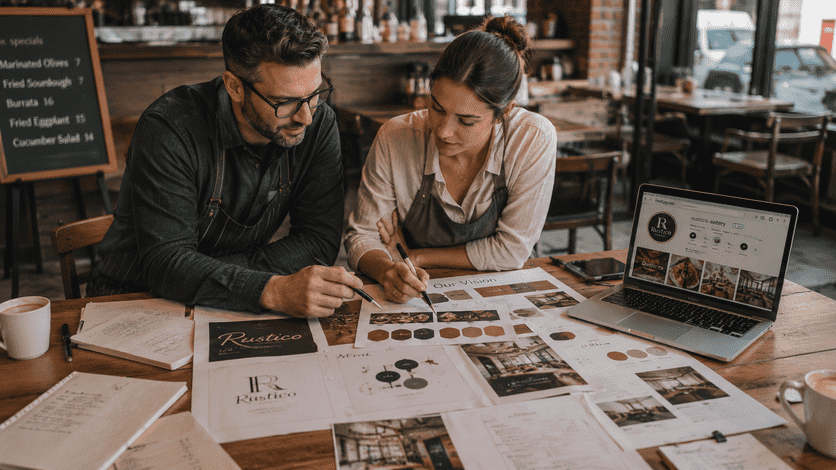
Learn how to develop a memorable restaurant brand identity that stands out in a crowded market, attracts loyal customers, and drives repeat business with actionable strategies and affordable tools.
May 15, 2026
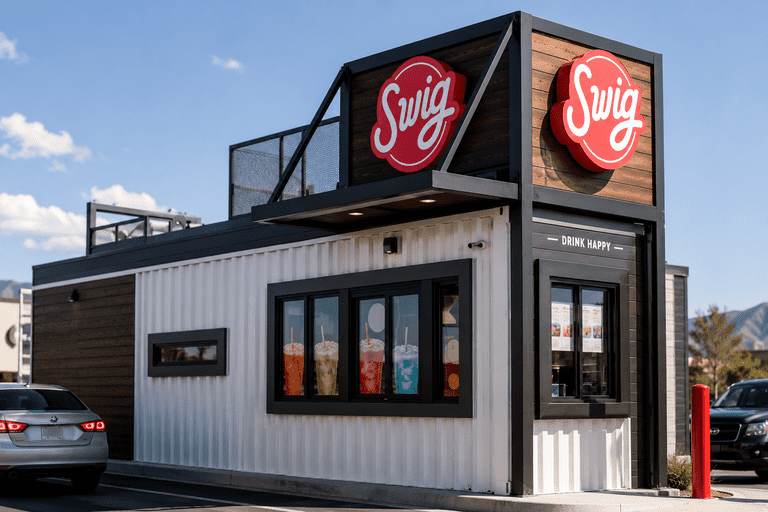
Dirty soda chain Swig is expanding into Colorado through a 10-unit franchise deal, riding a consumer beverage trend that's catching the attention of major QSR players nationwide.
May 15, 2026
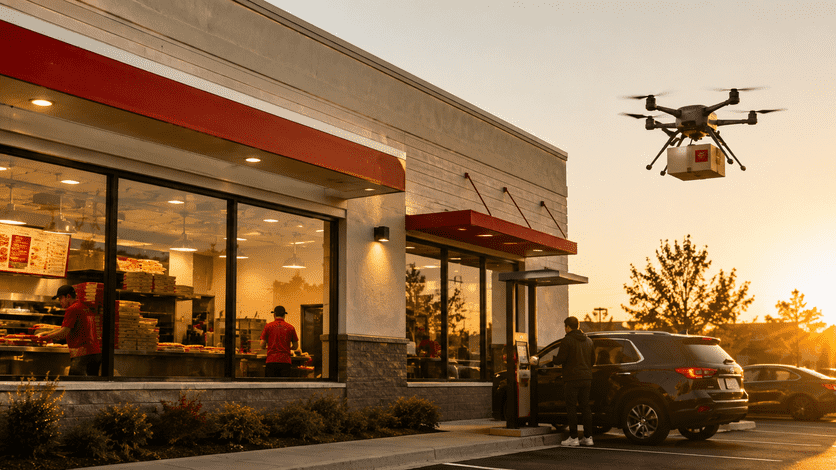
Papa Johns has teamed up with Alphabet's Wing for drone delivery of its new sandwich lineup in parts of Charlotte marking the first partnership of its kind between Wing and a national QSR brand.
May 15, 2026
A warm, expert-led look at McDonald’s Q1 results, menu makeover, and the refranchise question shaping its growth.
May 14, 2026
A reflective look at Habit Ranch, its immersive desert activation, and what it signals for brand loyalty and mindful, experiential dining.
May 14, 2026

Unlock Exclusive Access To Webinars, Events, And The Latest News For Free!
Explore how dual-branded locations can enhance restaurant sales, operational efficiencies, and customer experience. Learn from successful examples in the industry.
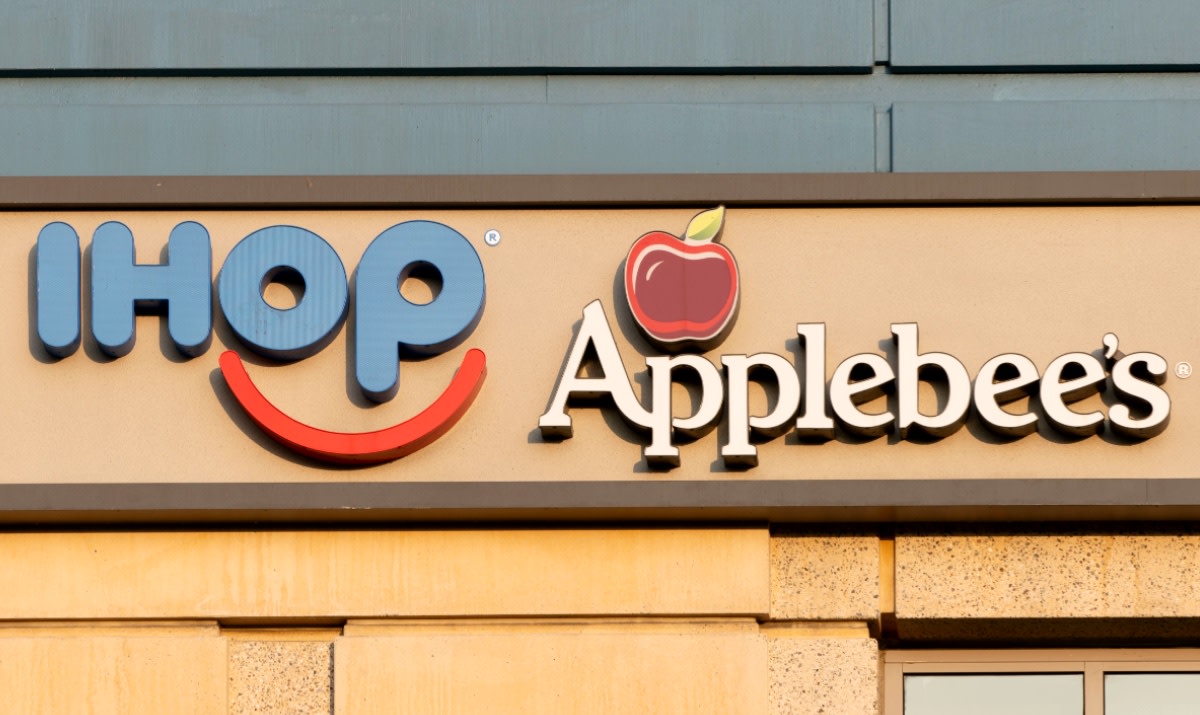
The concept of dual-branded locations has emerged as a strategic approach to revitalize restaurant sales, especially in the face of same-store sales slumps. By combining two well-established brands like Applebee’s and IHOP under one roof, restaurants can tap into a broader customer base and cater to diverse preferences. Research indicates that dual-branded restaurants can generate approximately 1.5 times the revenue of standalone locations, making them an attractive proposition for restaurant chains looking to boost their sales performance.
One of the key advantages of dual-branded locations is the operational efficiencies they offer. Shared kitchen spaces, cross-trained staff, and integrated menu options streamline operations and reduce overhead costs. By combining resources and expertise, brands like Applebee’s and IHOP can optimize their back-of-house functions, enabling them to focus on delivering high-quality service and unique dining experiences to their customers.
Dual-branded restaurants not only boost sales but also enhance the overall customer experience. By offering a diverse menu that combines signature dishes from both brands, customers have more choices and flexibility in their dining selections. The ability to mix and match items or enjoy exclusive dishes fosters loyalty and encourages repeat visits. This variety caters to different customer preferences, whether they crave a hearty breakfast from IHOP or a classic American meal from Applebee’s.
Leading restaurant chains like Dine Brands and Fat Brands have successfully leveraged the power of co-branding to drive sales and innovation. Dine Brands' CEO John Peyton highlighted the success of the dual-branded concept, emphasizing the synergy between Applebee’s and IHOP menus. This approach has resonated with customers globally, showcasing the effectiveness of combining complementary brands to create a compelling dining experience.
As the restaurant industry evolves, dual-branded locations are likely to become more prevalent as a strategic growth strategy. Not only do they offer financial benefits, but they also provide a platform for creativity and collaboration between brands. The success of tri-branded locations, as seen in Fat Brands' recent launch of Great American Cookies, Marble Slab Creamery, and Pretzelmaker units, demonstrates the potential for expanding the co-branding concept to new heights.