AI Playbook for Restaurant Owners
This AI playbook covers restaurant tools for voice ordering, staffing, compliance, menu pricing, inventory, marketing, ChatGPT prompts, and SEO.
tech
May 15, 2026
This AI playbook covers restaurant tools for voice ordering, staffing, compliance, menu pricing, inventory, marketing, ChatGPT prompts, and SEO.
May 15, 2026

Opening a coffee shop in 2026 requires careful cost planning across rent, equipment, labor, technology, menu strategy, marketing, and sustainability.
May 15, 2026

Hardee’s giant Boddie-Noell inks 31-unit Scooter’s Coffee deal for NC and VA, leveraging drive-thru growth and local roots with rollout over 12–18 months.
May 15, 2026

Wingstop turns match weeks into a multi-sensory festival, aligning bold pop-ups with World Cup energy to build brand affinity and measurable momentum.
May 15, 2026

Learn how to develop a memorable restaurant brand identity that stands out in a crowded market, attracts loyal customers, and drives repeat business with actionable strategies and affordable tools.
May 15, 2026

The parent company behind Dunkin', Buffalo Wild Wings, and Arby's has filed for an IPO a move that could reshape how Wall Street views the restaurant sector.
May 15, 2026

Papa Johns has teamed up with Alphabet's Wing for drone delivery of its new sandwich lineup in parts of Charlotte marking the first partnership of its kind between Wing and a national QSR brand.
May 15, 2026

Dirty soda chain Swig is expanding into Colorado through a 10-unit franchise deal, riding a consumer beverage trend that's catching the attention of major QSR players nationwide.
May 15, 2026

A warm, expert-led look at McDonald’s Q1 results, menu makeover, and the refranchise question shaping its growth.
May 14, 2026

A reflective look at Habit Ranch, its immersive desert activation, and what it signals for brand loyalty and mindful, experiential dining.
May 14, 2026

Unlock Exclusive Access To Webinars, Events, And The Latest News For Free!
Learn how to enhance your Quick-Service Restaurant (QSR) loyalty program to attract and retain consumers effectively.

Photo by Luca Bravo
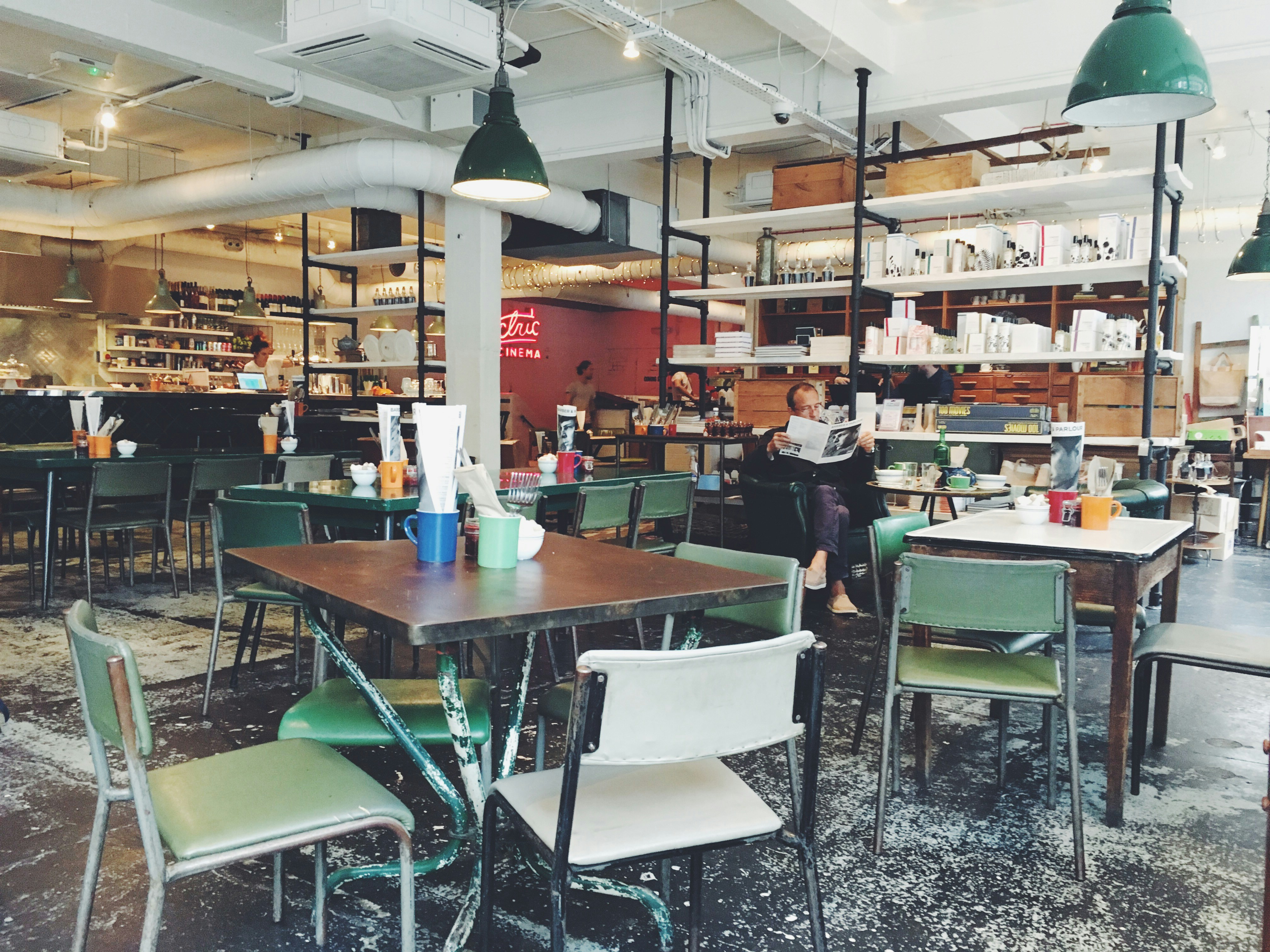
Photo by Luca Bravo
Traditional point-based programs remain a popular choice for loyalty initiatives within the Quick-Service Restaurant (QSR) industry. However, innovative QSRs are now transitioning from standard, uniform point structures to more personalized and dynamic systems. These updated programs offer tailored benefits, flexible rewards, and diverse redemption options, catering to individual consumer preferences.
The evolution of loyalty programs involves giving consumers the freedom to earn bonus points on select days or transfer points to redeem rewards with external partners. This level of customization not only meets consumer expectations but also aligns with business objectives. By focusing on dynamic engagement, QSRs can optimize returns on investment by tailoring rewards to each customer, rather than adhering to predefined tiers.

Photo by Luca Bravo
Implementing exclusive offers that are only accessible to highly engaged members creates a sense of urgency and fosters a fear of missing out (FOMO) among consumers. By setting specific criteria for unlocking promotions, QSRs encourage increased participation from loyal customers, thus strengthening brand loyalty and driving long-term relationships.
Unlike other industries where loyalty requires significant spending, QSR loyalty programs can demonstrate value more rapidly due to the daily nature of dining habits. Emphasizing relative frequency over exclusivity allows restaurants to establish top-of-mind awareness with consumers and secure a portion of their regular spending. By streamlining the redemption process and offering seamless experiences, QSRs can enhance customer satisfaction and loyalty.
While less common in the restaurant sector, partnerships with other brands present an opportunity for QSRs to diversify their rewards and appeal to a broader audience. Collaborations enable QSRs to introduce exciting offers, engage existing customers with new opportunities, and attract new clientele. Moreover, by allowing cross-partner redemptions, restaurants can address the issue of point breakage and reinforce their commitment to delivering value.

Photo by Luca Bravo
Loyalty should be viewed as the outcome of effective strategies rather than just a program. By incorporating behavior-driven incentives and valuable rewards, QSRs can design loyalty programs that not only satisfy customers but also boost profitability. Embracing innovation in point systems, focusing on frequent interactions, and embracing strategic partnerships are key aspects that contribute to building enduring relationships with consumers.