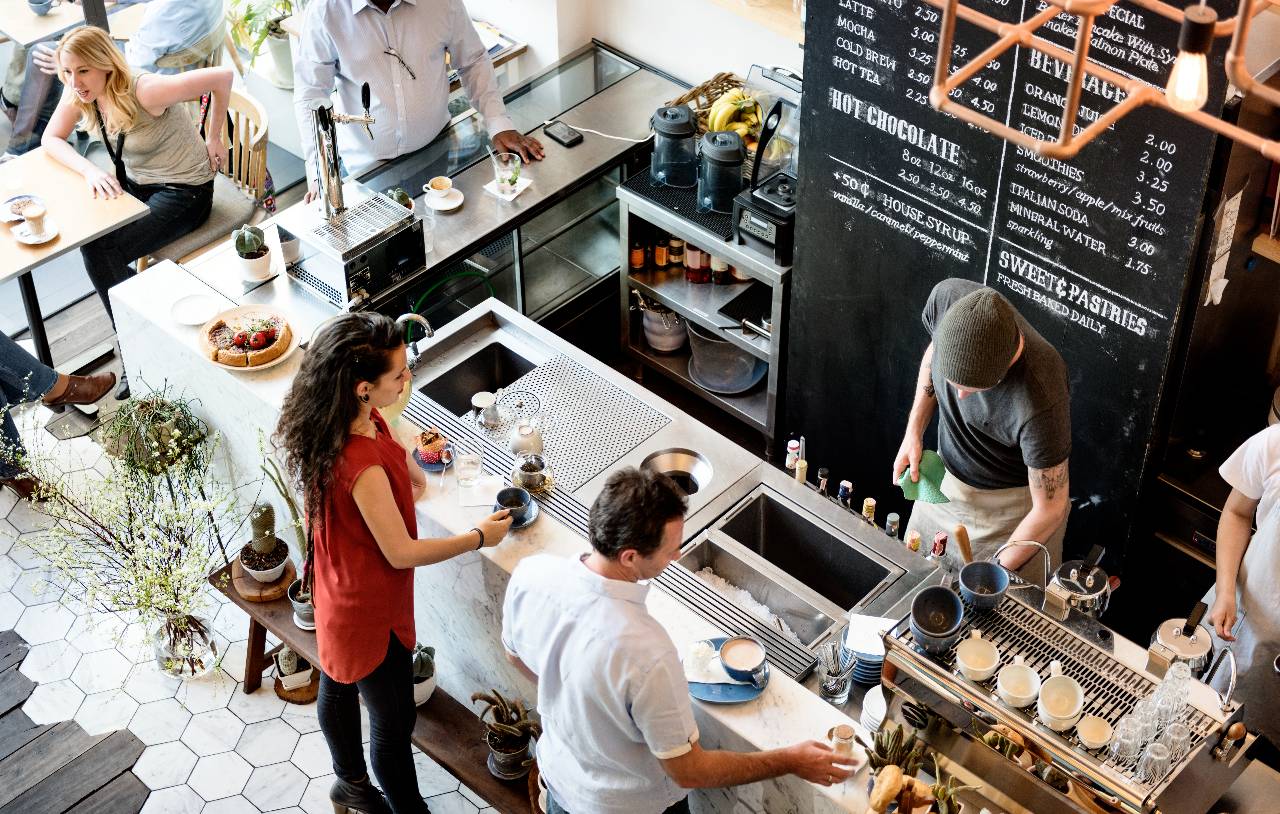
How Much Does It Cost to Open a Coffee Shop in 2026?
Opening a coffee shop in 2026 requires careful cost planning across rent, equipment, labor, technology, menu strategy, marketing, and sustainability.
operations
May 15, 2026
Opening a coffee shop in 2026 requires careful cost planning across rent, equipment, labor, technology, menu strategy, marketing, and sustainability.
May 15, 2026
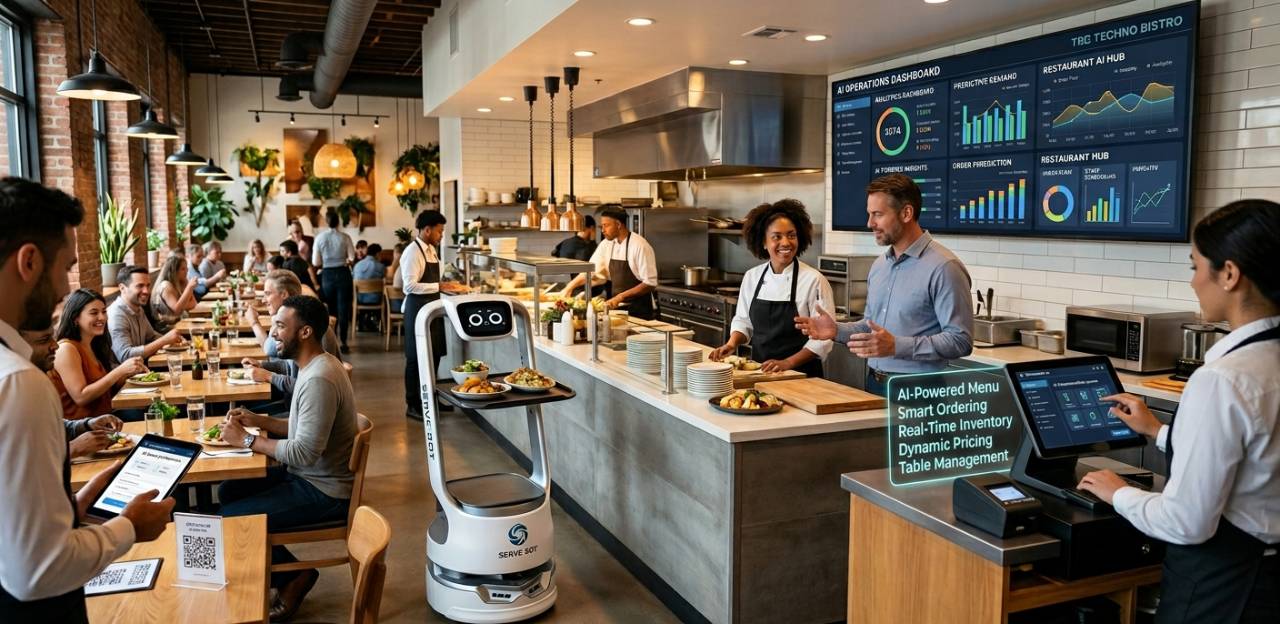
This AI playbook covers restaurant tools for voice ordering, staffing, compliance, menu pricing, inventory, marketing, ChatGPT prompts, and SEO.
May 15, 2026
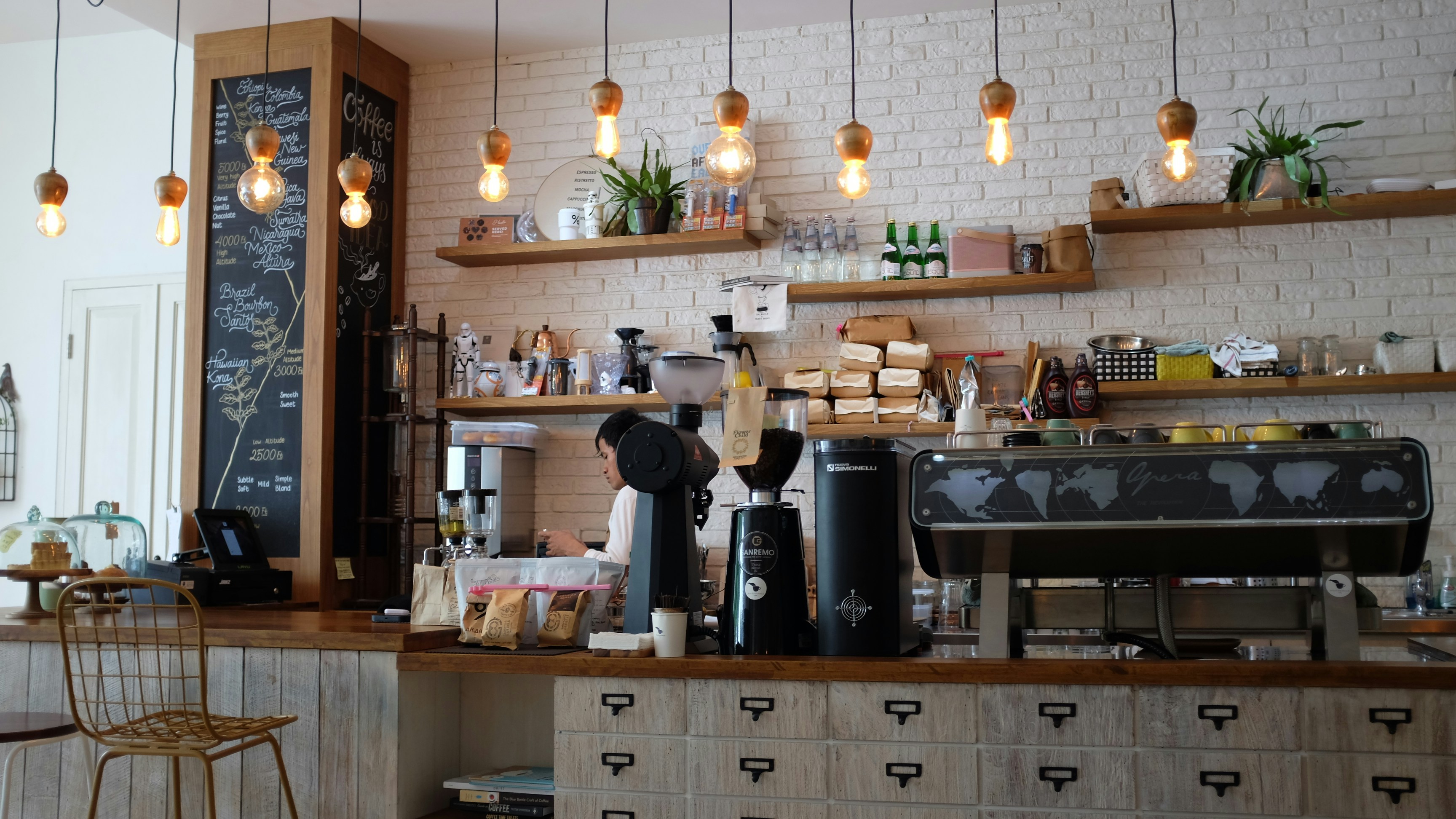
Hardee’s giant Boddie-Noell inks 31-unit Scooter’s Coffee deal for NC and VA, leveraging drive-thru growth and local roots with rollout over 12–18 months.
May 15, 2026
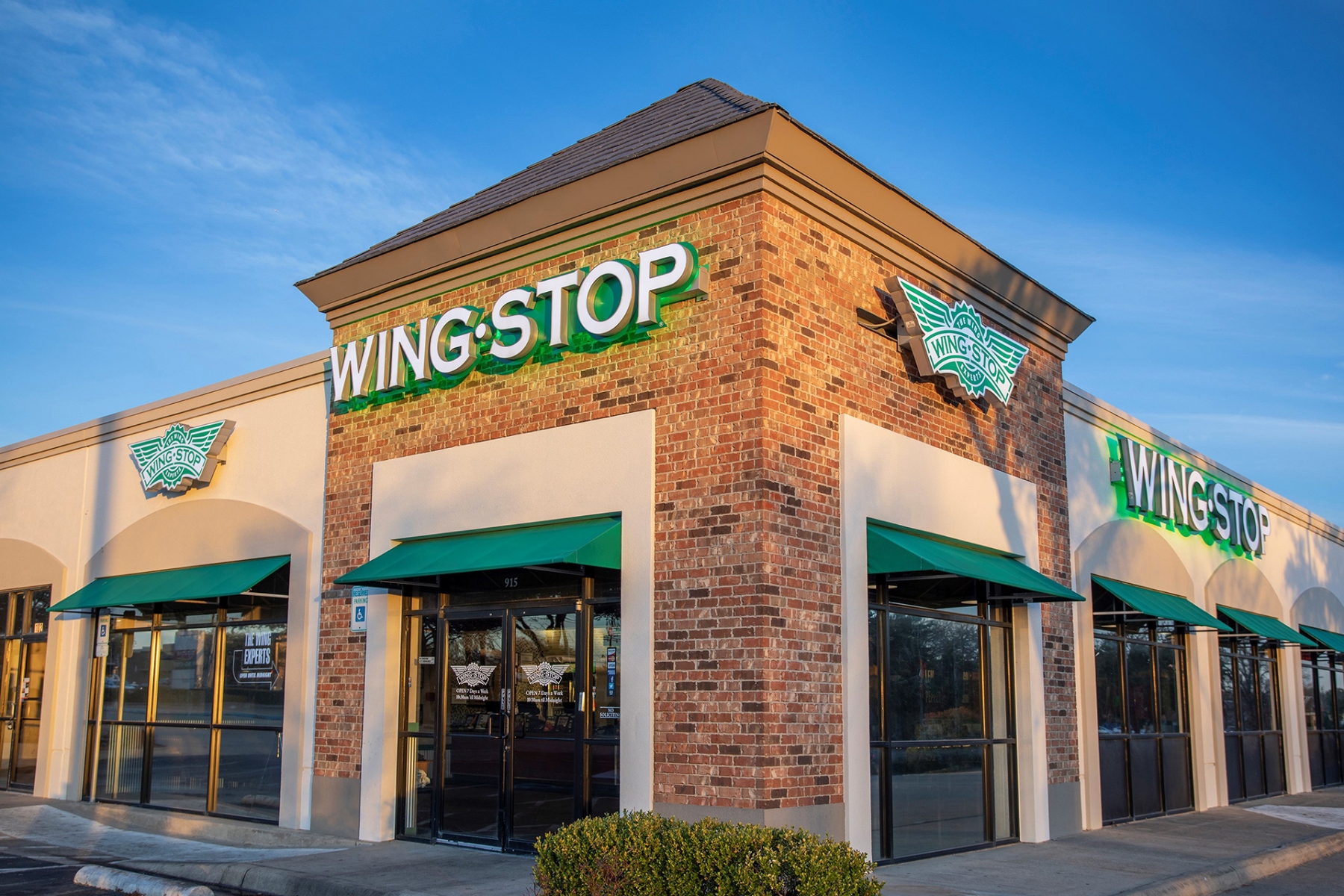
Wingstop turns match weeks into a multi-sensory festival, aligning bold pop-ups with World Cup energy to build brand affinity and measurable momentum.
May 15, 2026
The parent company behind Dunkin', Buffalo Wild Wings, and Arby's has filed for an IPO a move that could reshape how Wall Street views the restaurant sector.
May 15, 2026

Learn how to develop a memorable restaurant brand identity that stands out in a crowded market, attracts loyal customers, and drives repeat business with actionable strategies and affordable tools.
May 15, 2026
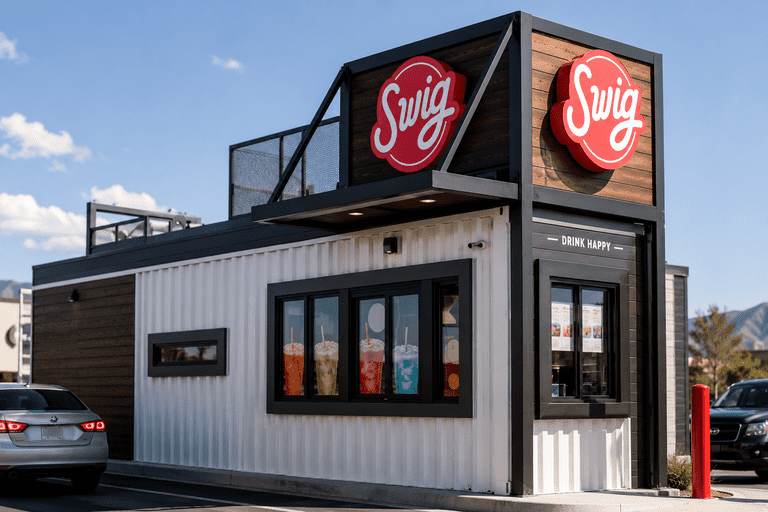
Dirty soda chain Swig is expanding into Colorado through a 10-unit franchise deal, riding a consumer beverage trend that's catching the attention of major QSR players nationwide.
May 15, 2026
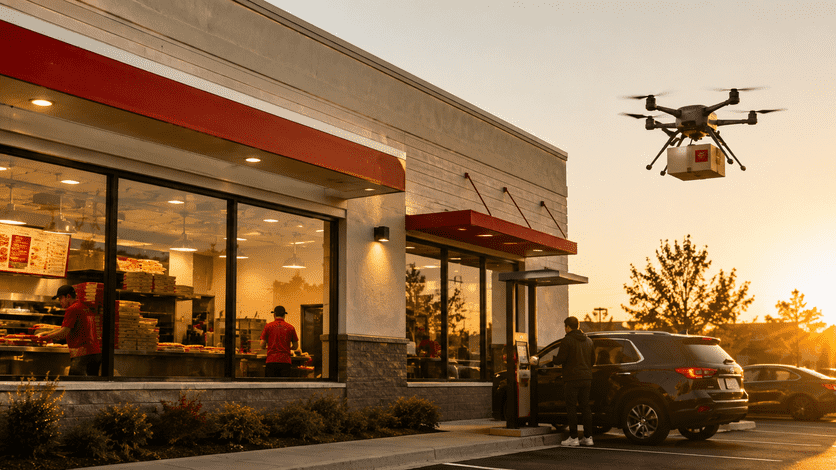
Papa Johns has teamed up with Alphabet's Wing for drone delivery of its new sandwich lineup in parts of Charlotte marking the first partnership of its kind between Wing and a national QSR brand.
May 15, 2026
A warm, expert-led look at McDonald’s Q1 results, menu makeover, and the refranchise question shaping its growth.
May 14, 2026
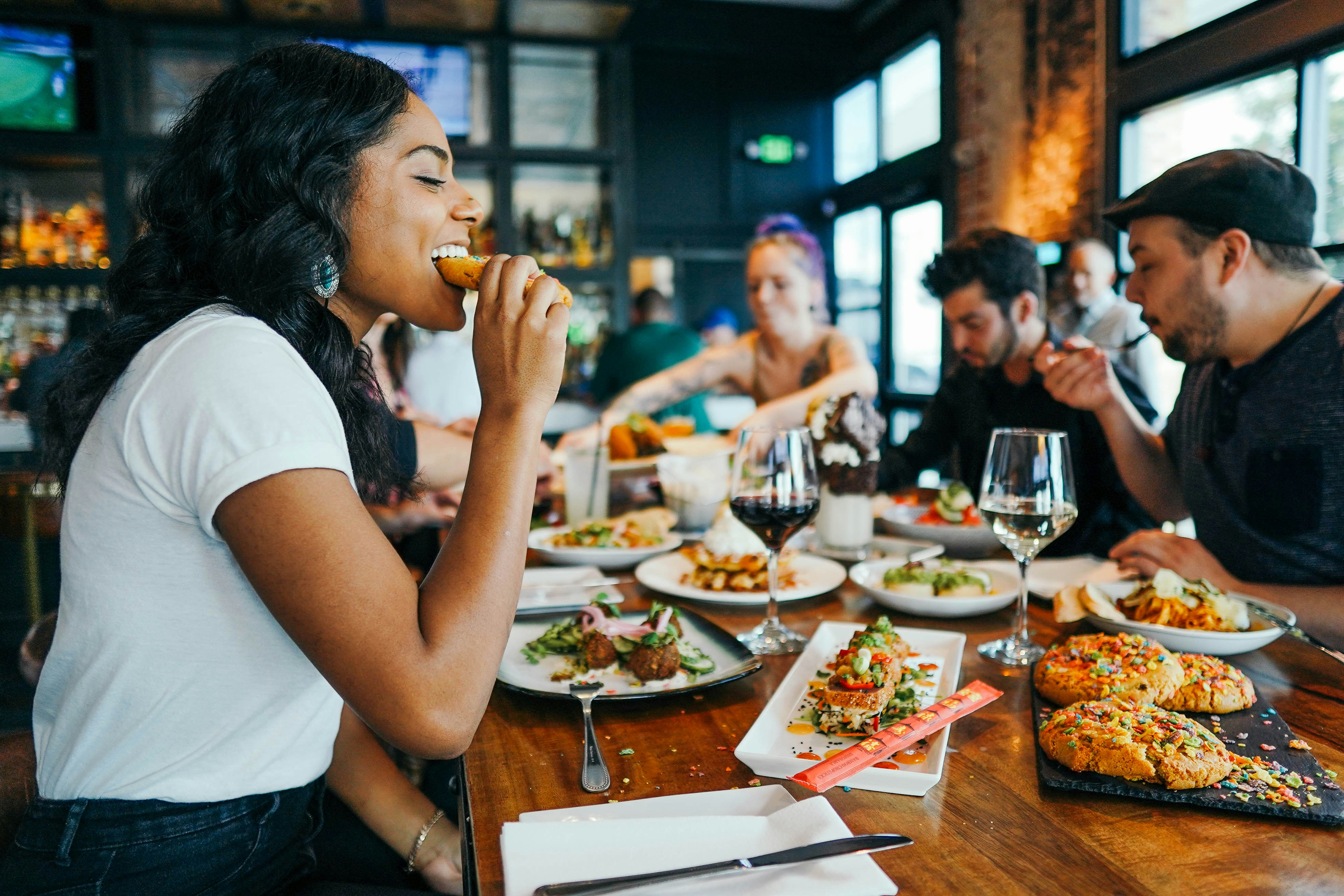
A reflective look at Habit Ranch, its immersive desert activation, and what it signals for brand loyalty and mindful, experiential dining.
May 14, 2026

Unlock Exclusive Access To Webinars, Events, And The Latest News For Free!
Learn how airport openings present a lucrative channel for food chains like Wahlburgers to maximize brand exposure and reach new audiences. Explore the strategies and benefits of expanding into non-traditional locations.

Photo by Kelly Sikkema

Photo by Kelly Sikkema
With the closure of several grocery store locations, chains like Wahlburgers are turning to non-traditional venues to maintain their presence and expand their customer base. By opening in locations such as casinos, ballparks, and racecourses, they can tap into diverse audiences beyond their typical restaurant settings.

Photo by Kelly Sikkema
While developing airport units may require time and investment, they present a lucrative opportunity for food chains. Airports provide high-volume, high-sales environments with captive audiences, making them ideal for boosting revenue and increasing brand visibility. For brands like Wahlburgers, airports offer a unique platform to introduce their concept to travelers who might not have encountered it elsewhere.
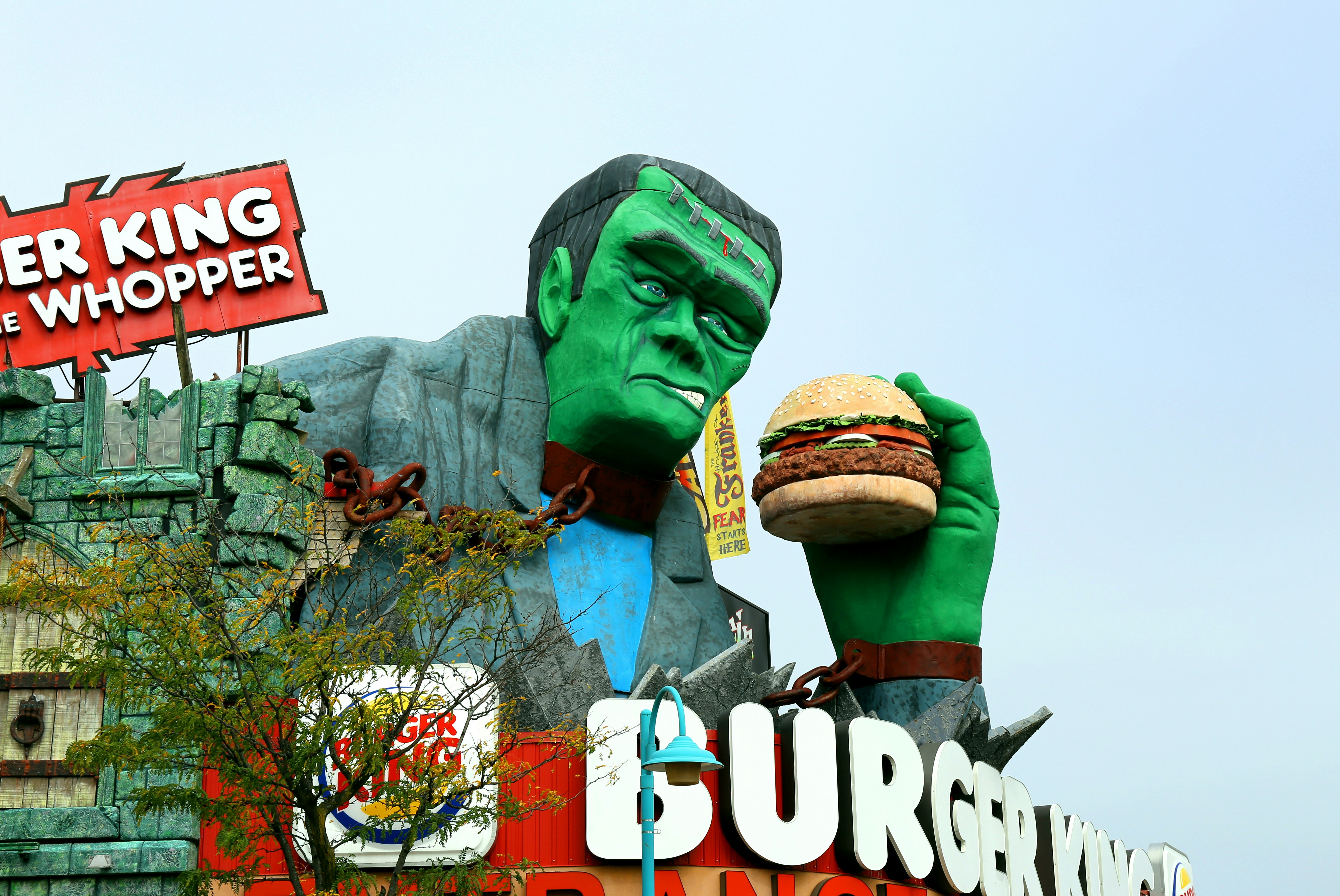
Photo by Kelly Sikkema
Expanding into airports offers several advantages for food chains. It allows them to reach a diverse and international customer base, catering to travelers from various backgrounds and regions. Additionally, airport locations can serve as marketing hubs, creating brand awareness among a vast audience. Furthermore, the exposure gained from airport openings can translate into increased foot traffic and sales at other locations of the chain.
Photo by Kelly Sikkema
Despite the potential benefits, entering airport locations comes with its own set of challenges. Food chains must navigate airport regulations, security protocols, and operational intricacies unique to these environments. Maintaining brand consistency and quality standards across different locations while adapting to the airport setting can be demanding. Moreover, the competition within airports is intense, requiring distinctive marketing strategies to stand out among other food options.

Photo by Kelly Sikkema
Several notable brands, including California Pizza Kitchen, Slim Chickens, Shake Shack, and Donatos, have embraced airport strategies to expand their reach and enhance brand recognition. By establishing a presence in airports, these chains have capitalized on the captive audience and the lucrative potential of these locations. The trend towards non-traditional openings, particularly in airports, signifies a shift in the food industry's marketing and growth strategies.