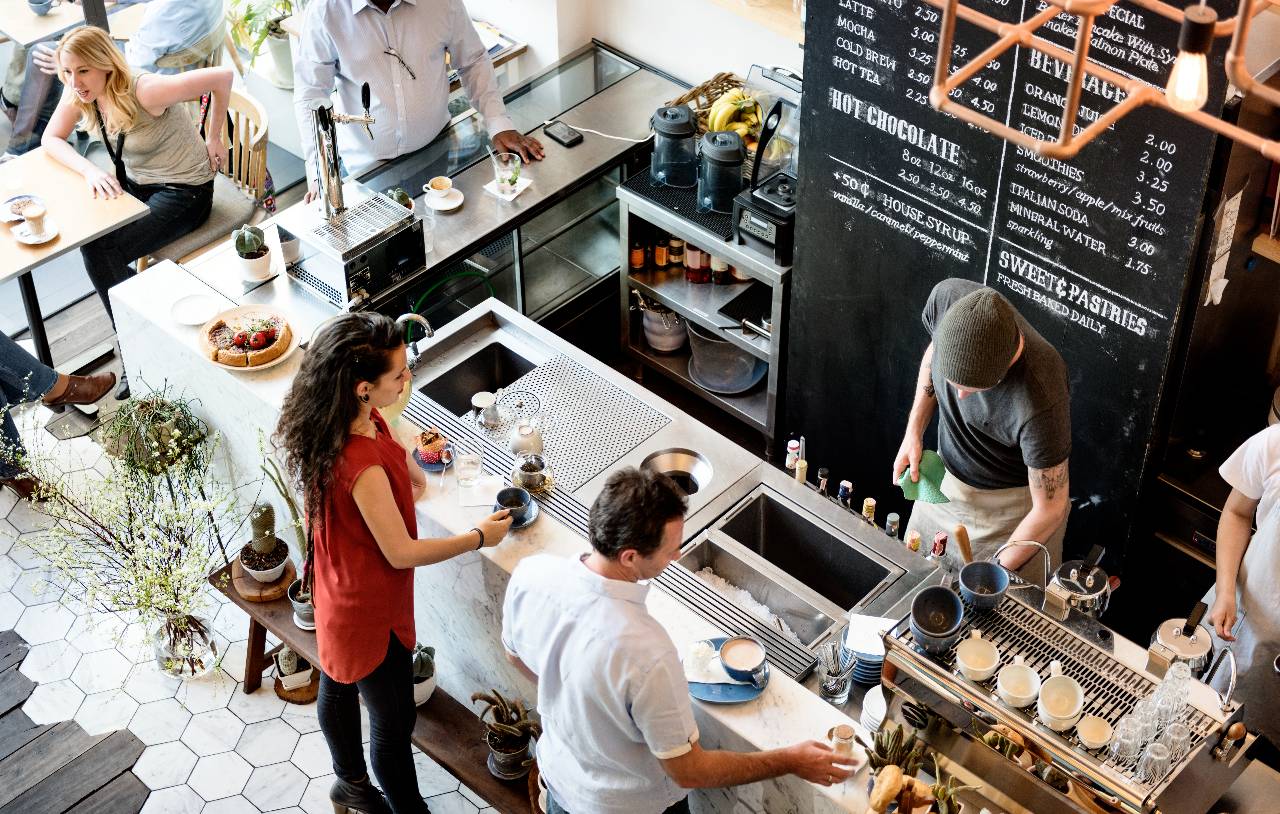
How Much Does It Cost to Open a Coffee Shop in 2026?
Opening a coffee shop in 2026 requires careful cost planning across rent, equipment, labor, technology, menu strategy, marketing, and sustainability.
operations
May 15, 2026
Opening a coffee shop in 2026 requires careful cost planning across rent, equipment, labor, technology, menu strategy, marketing, and sustainability.
May 15, 2026
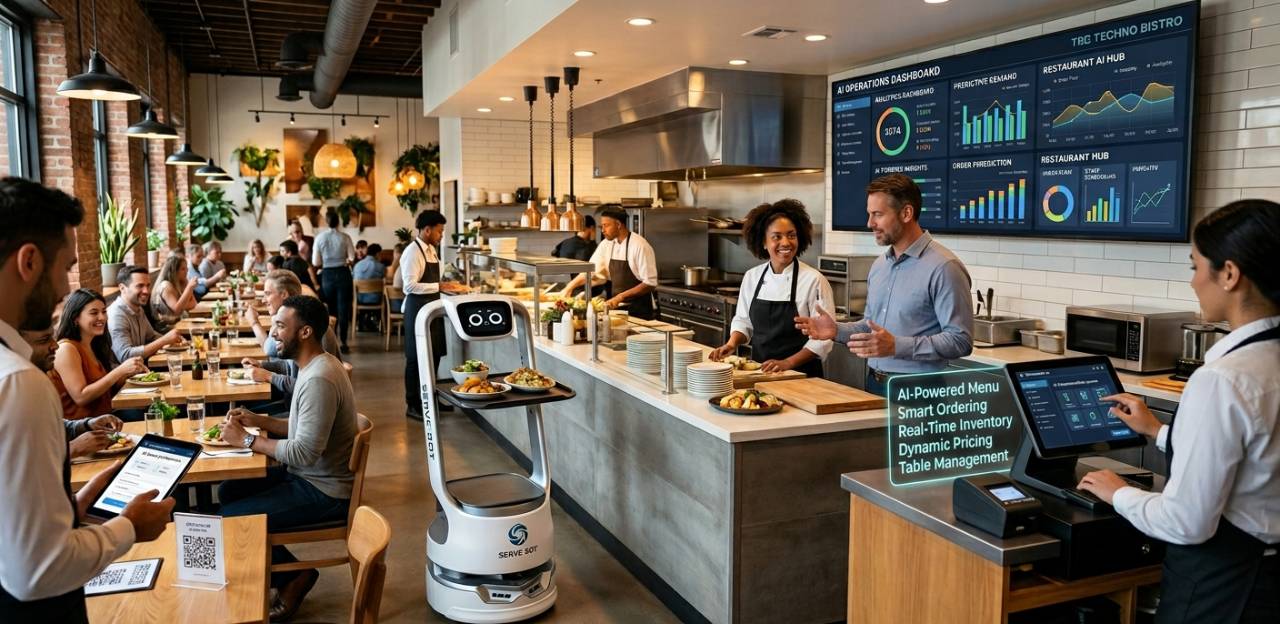
This AI playbook covers restaurant tools for voice ordering, staffing, compliance, menu pricing, inventory, marketing, ChatGPT prompts, and SEO.
May 15, 2026

Hardee’s giant Boddie-Noell inks 31-unit Scooter’s Coffee deal for NC and VA, leveraging drive-thru growth and local roots with rollout over 12–18 months.
May 15, 2026
Wingstop turns match weeks into a multi-sensory festival, aligning bold pop-ups with World Cup energy to build brand affinity and measurable momentum.
May 15, 2026
The parent company behind Dunkin', Buffalo Wild Wings, and Arby's has filed for an IPO a move that could reshape how Wall Street views the restaurant sector.
May 15, 2026

Learn how to develop a memorable restaurant brand identity that stands out in a crowded market, attracts loyal customers, and drives repeat business with actionable strategies and affordable tools.
May 15, 2026
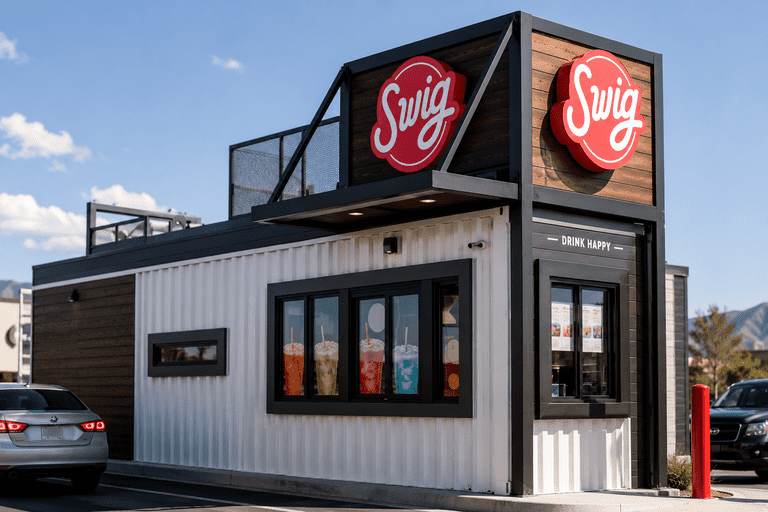
Dirty soda chain Swig is expanding into Colorado through a 10-unit franchise deal, riding a consumer beverage trend that's catching the attention of major QSR players nationwide.
May 15, 2026
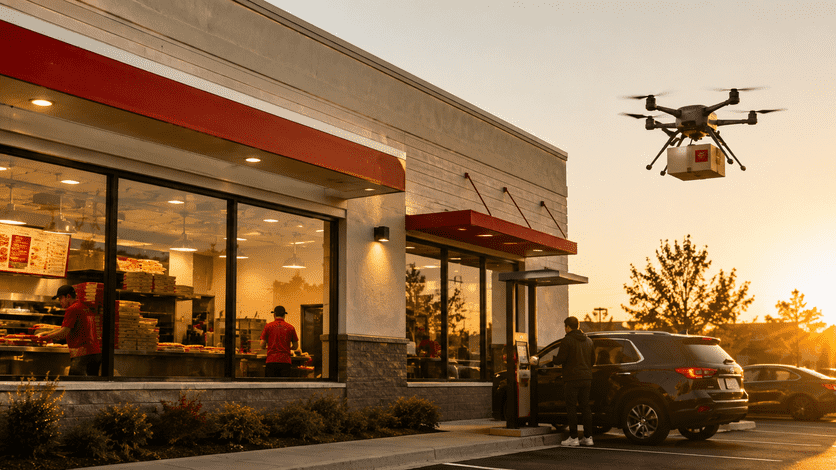
Papa Johns has teamed up with Alphabet's Wing for drone delivery of its new sandwich lineup in parts of Charlotte marking the first partnership of its kind between Wing and a national QSR brand.
May 15, 2026
A warm, expert-led look at McDonald’s Q1 results, menu makeover, and the refranchise question shaping its growth.
May 14, 2026
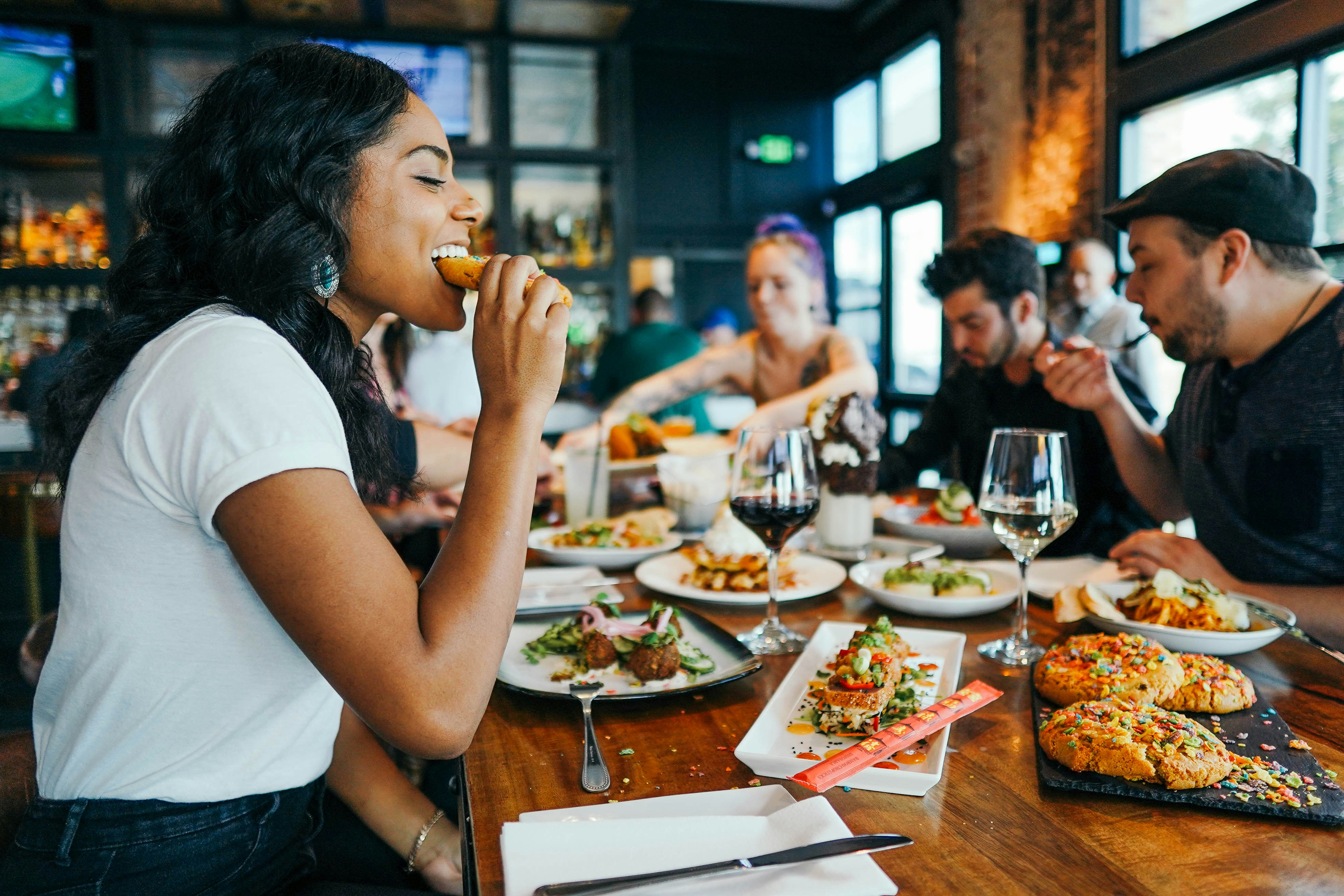
A reflective look at Habit Ranch, its immersive desert activation, and what it signals for brand loyalty and mindful, experiential dining.
May 14, 2026

Unlock Exclusive Access To Webinars, Events, And The Latest News For Free!
Massachusetts settlements against major franchisees put real dollars behind child labor enforcement, as federal data shows a 31% rise in violations and courts narrow franchisor liability.

Photo by Alex Haney
Massachusetts has turned up the heat on child labor enforcement, and the numbers leave no room for shrugging. State authorities reached settlements with multiple brands’ franchisees, including Cafua at "$140,000 dollars" and Brewster, an eight-unit McDonald’s operator, at "$63,390." Those exact sums are more than headlines; they’re a message that penalties are tangible and coming for operators who stumble on youth employment. The scrutiny isn’t happening in a vacuum. Investigations are surfacing across brands and geographies, and McDonald’s signaled in "late 2023" that it would survey franchisee child labor compliance. That’s corporate recognition that training and scheduling systems can slip, especially where minors are concerned. If you run a busy shop, this feels familiar: rush hours stretch, supervisors rotate, the schedule gets patched together. But the state’s posture is clear—oversight isn’t optional. In this environment, getting youth compliance right isn’t just smart; it’s survival. Big wake-up call, and it’s landing with receipts.
Federal momentum is adding weight to every state action. The Wage and Hour Division found a "31% increase" in child labor violations from "2019 to 2024." That arc says we’re not talking about a few bad actors—it’s a broader operational problem that keeps resurfacing when controls are loose. Education is part of the strategy, not an afterthought. As a Department of Labor report to Congress put it, "to assist the restaurant industry in complying with child labor laws, in 2023, national brands partnered with [Wage and Hour Division] to deliver webinars highlighting best practices and child labor compliance strategies." Translation: enforcement and education are running in tandem. Compliance here isn’t just a legal checkbox; it’s an operational discipline. Brands are being pushed to recalibrate how they train, measure, and enforce standards across multi-unit networks. That’s the playbook shift—move compliance from a binder in the back office to a lived routine on the line.
The mechanics in Massachusetts show how small misses become costly patterns. Authorities alleged that Cafua hired minors without work permits and scheduled 16- and 17-year-olds beyond the legal "nine hours" in Massachusetts, with work after "8 p.m." without direct supervision. Those claims span "between 2020 and 2023" and carry extra weight because Cafua operates "more than 80 Dunkin’ units" in the Commonwealth. At that scale, a scheduling flaw isn’t a one-off—it’s a systemwide echo. Brewster, an eight-unit McDonald’s operator, allegedly had similar gaps: missing permits, overlong shifts, and prohibited hours. Knight Foodservice was accused of the same cluster and more—minors working more than "six hours" without meal breaks and insufficient records. The common thread is straightforward. When work permits aren’t secured at hire, when shift limits and meal-break rules aren’t embedded into scheduling, and when supervisors aren’t present after 8 p.m., violations aren’t outliers; they’re baked in. And once the paperwork is thin, recordkeeping can’t bail you out.
Put the cases side by side and the picture sharpens: inadequate permitting, 16- and 17-year-olds on overlong shifts, work after 8 p.m. without direct supervision, missed meal breaks on shifts exceeding six hours, and thin records. Nothing exotic here. These are familiar pain points that flare when stores run lean and managers churn. The settlement values underline scale and consequence. Cafua’s "$140,000 dollars" speaks to what happens when dozens of units share the same weak link—fixing the hiring and scheduling protocols is more consequential than auditing store by store. Brewster’s "$63,390" shows smaller operators aren’t insulated; if training and scheduling controls let minors cross legal thresholds, the bill lands. For Knight Foodservice, the missed meal breaks and poor documentation highlight a simple truth: paperwork isn’t a chore to delay. It’s the spine of compliance for youth employment. Financial exposure rises, and reputational pressure comes along for the ride.
Massachusetts pushed forward with settlements addressing alleged violations over multiple years and across multiple units, signaling that compliance must be stitched into everyday scheduling and supervision. The window "between 2020 and 2023" frames when the alleged practices unfolded at Cafua; Brewster’s settlement resolves similar claims around permits and hours. Knight Foodservice drew the same allegations, plus missed meal breaks and insufficient records. The takeaway isn’t just fines; it’s a mandate for operational change. The state is calibrating penalties to drive fixes, not just tally violations. The immediate consequence is clarity: embed work-permit checks at the point of hire, hard-code youth shift limits like "nine hours" into scheduling systems, ensure direct supervision for any work past "8 p.m.", and deliver meal breaks for minors working beyond "six hours"—all backed by robust records. Miss any of those, and enforcement is not far behind.
While enforcement surged, the liability map for parent brands shifted. Federal courts scrapped a rule "in 2024" that would have held franchisors accountable for some franchisee labor law violations. In California, a similar joint-employer measure was torpedoed in a compromise involving the Service Employees International Union, the International Franchise Association, the National Restaurant Association, and the administration of Gov. Gavin Newsom. The result is a dual-track reality. Legal responsibility for day-to-day violations remains focused on operators, but brands still face regulatory and reputational pressure to police their networks. That tension helps explain why McDonald’s moved in "late 2023" to survey franchisee child labor compliance and why education efforts—like the Wage and Hour Division webinars—are being embraced alongside enforcement. Mixed incentives, sure. But the operational demands aren’t mixed at all: training, scheduling discipline, and record accuracy are now the baseline.
The same fault lines pop up elsewhere, from a Blaze Pizza operator in Nevada to Chipotle’s stores in the District of Columbia. That range—across formats and geographies—shows this is a systemwide challenge, not a regional quirk. Oversight keeps converging on core requirements: secure permits before employment, ensure direct supervision and compliant schedules for minors, provide legally required breaks, and maintain accurate records. There are limits to what the public record reveals in the Massachusetts cases. Specifics like the exact number of minors affected or the unit-by-unit breakdown aren’t detailed, nor is the speed of any corrective training post-settlement. The available evidence centers on settlement amounts, alleged practices, and the enforcement posture of Campbell’s office. So treat operational inferences with care: the record points to systemic gaps in scheduling and documentation, but it doesn’t catalog every instance. Still, the direction of travel is unmistakable—tighten the basics, or expect more heat.
With a "31% increase" in violations from "2019 to 2024," it’s fair to expect enforcement and education to keep running side by side. The Department of Labor’s message is explicit: "to assist the restaurant industry in complying with child labor laws, in 2023, national brands partnered with [Wage and Hour Division] to deliver webinars highlighting best practices and child labor compliance strategies." That’s a practical lane for operators and brands looking to get ahead of risk. Here’s the workable blueprint signaled by the Massachusetts settlements. Build permit checks into hiring so nothing starts without the right paperwork. Hard-code youth shift limits—like "nine hours" for 16- and 17-year-olds—into scheduling systems so managers can’t override by accident. Require direct supervision for any work after "8 p.m." Ensure meal breaks for minors on shifts beyond "six hours." And back it all with records that hold up under scrutiny. For brands navigating an unsettled liability landscape, the safer play is clear: raise expectations for franchisee compliance and verify them, whether via surveys like McDonald’s "late 2023" initiative or similar internal controls. The rules aren’t new, but the cost of missing them—financially and reputationally—is now unmistakable. Nail the basics, and you protect young workers and your brand. That’s a big win worth the effort.