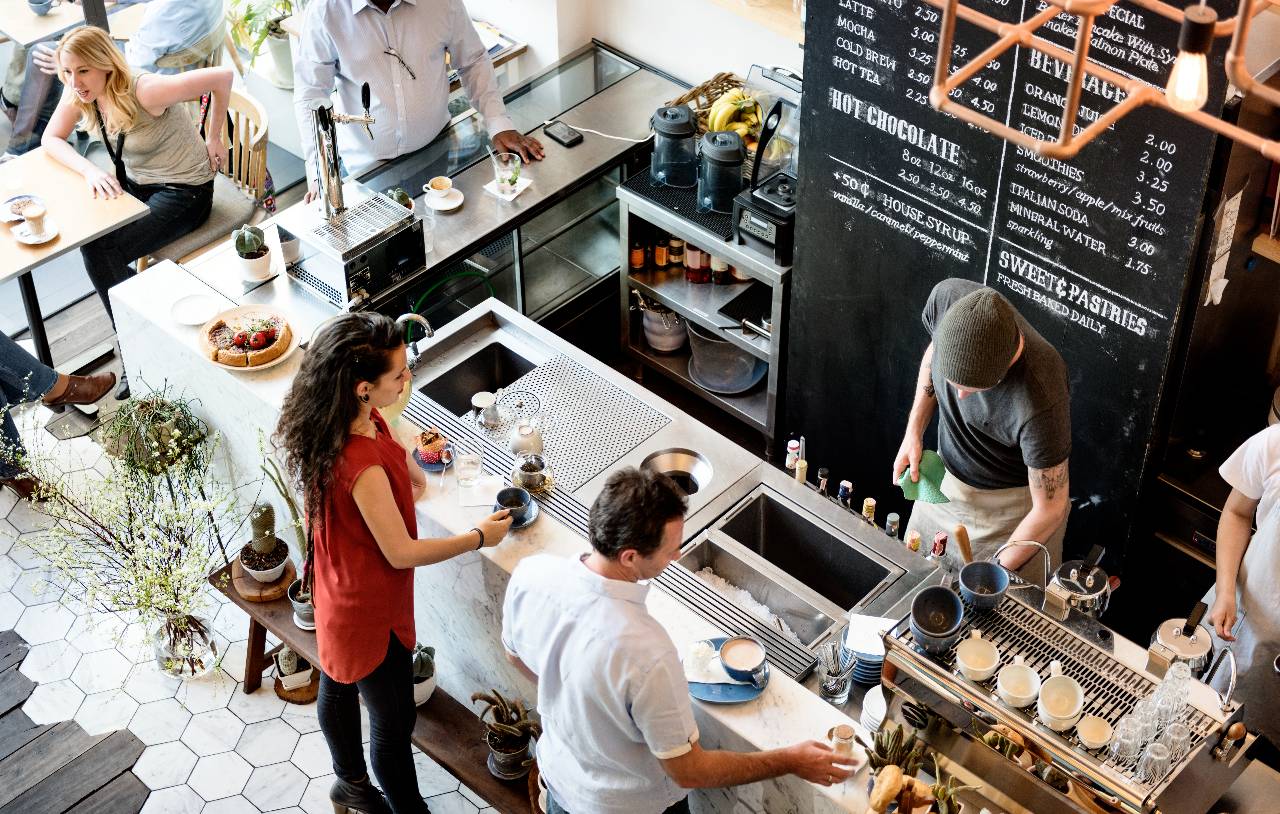
How Much Does It Cost to Open a Coffee Shop in 2026?
Opening a coffee shop in 2026 requires careful cost planning across rent, equipment, labor, technology, menu strategy, marketing, and sustainability.
operations
May 15, 2026
Opening a coffee shop in 2026 requires careful cost planning across rent, equipment, labor, technology, menu strategy, marketing, and sustainability.
May 15, 2026
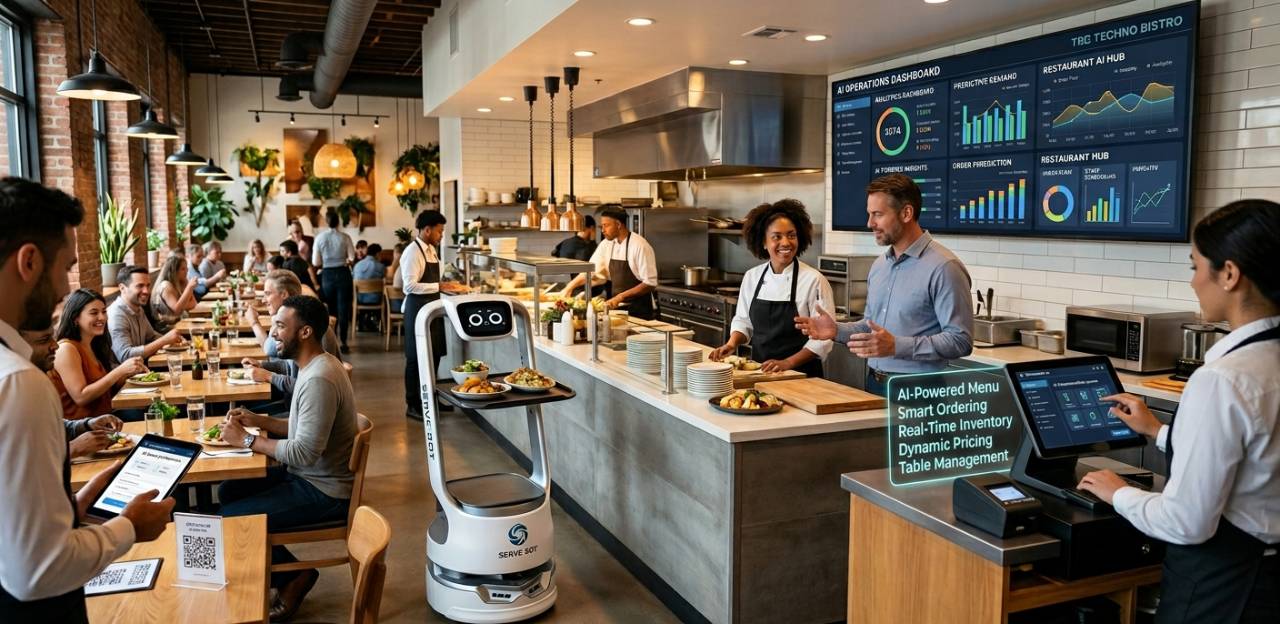
This AI playbook covers restaurant tools for voice ordering, staffing, compliance, menu pricing, inventory, marketing, ChatGPT prompts, and SEO.
May 15, 2026
Hardee’s giant Boddie-Noell inks 31-unit Scooter’s Coffee deal for NC and VA, leveraging drive-thru growth and local roots with rollout over 12–18 months.
May 15, 2026
Wingstop turns match weeks into a multi-sensory festival, aligning bold pop-ups with World Cup energy to build brand affinity and measurable momentum.
May 15, 2026
The parent company behind Dunkin', Buffalo Wild Wings, and Arby's has filed for an IPO a move that could reshape how Wall Street views the restaurant sector.
May 15, 2026

Learn how to develop a memorable restaurant brand identity that stands out in a crowded market, attracts loyal customers, and drives repeat business with actionable strategies and affordable tools.
May 15, 2026
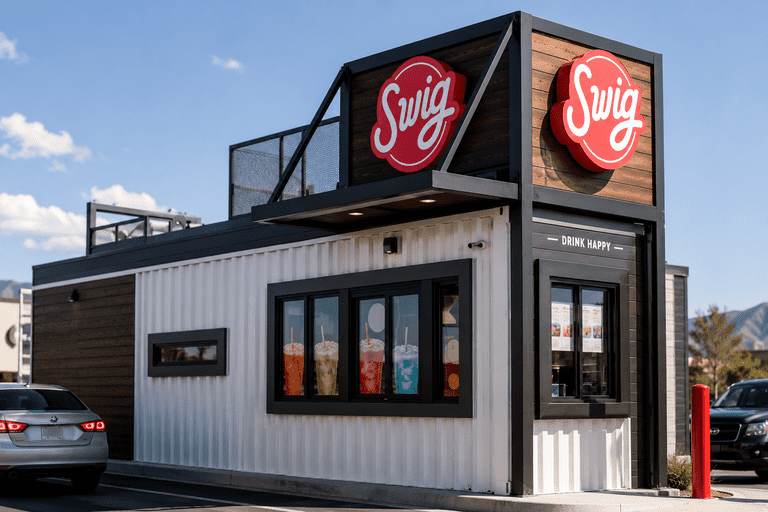
Dirty soda chain Swig is expanding into Colorado through a 10-unit franchise deal, riding a consumer beverage trend that's catching the attention of major QSR players nationwide.
May 15, 2026
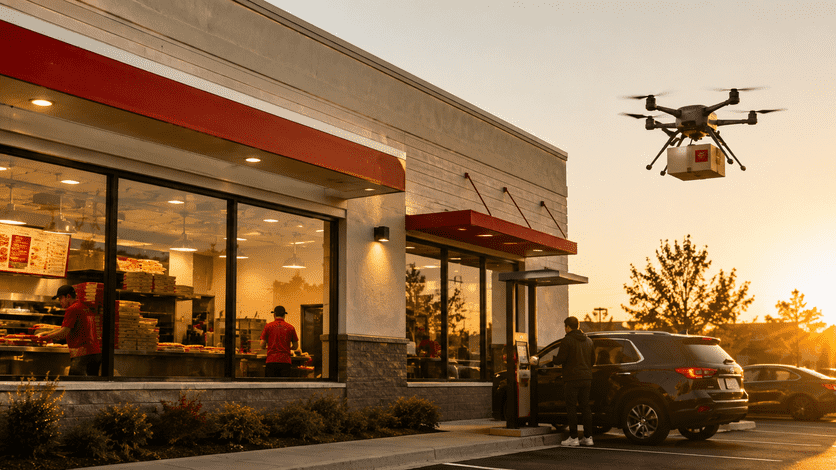
Papa Johns has teamed up with Alphabet's Wing for drone delivery of its new sandwich lineup in parts of Charlotte marking the first partnership of its kind between Wing and a national QSR brand.
May 15, 2026
A warm, expert-led look at McDonald’s Q1 results, menu makeover, and the refranchise question shaping its growth.
May 14, 2026
A reflective look at Habit Ranch, its immersive desert activation, and what it signals for brand loyalty and mindful, experiential dining.
May 14, 2026

Unlock Exclusive Access To Webinars, Events, And The Latest News For Free!
Explore how restaurant brands are expanding to the East Coast and the impact on franchise development in the industry.
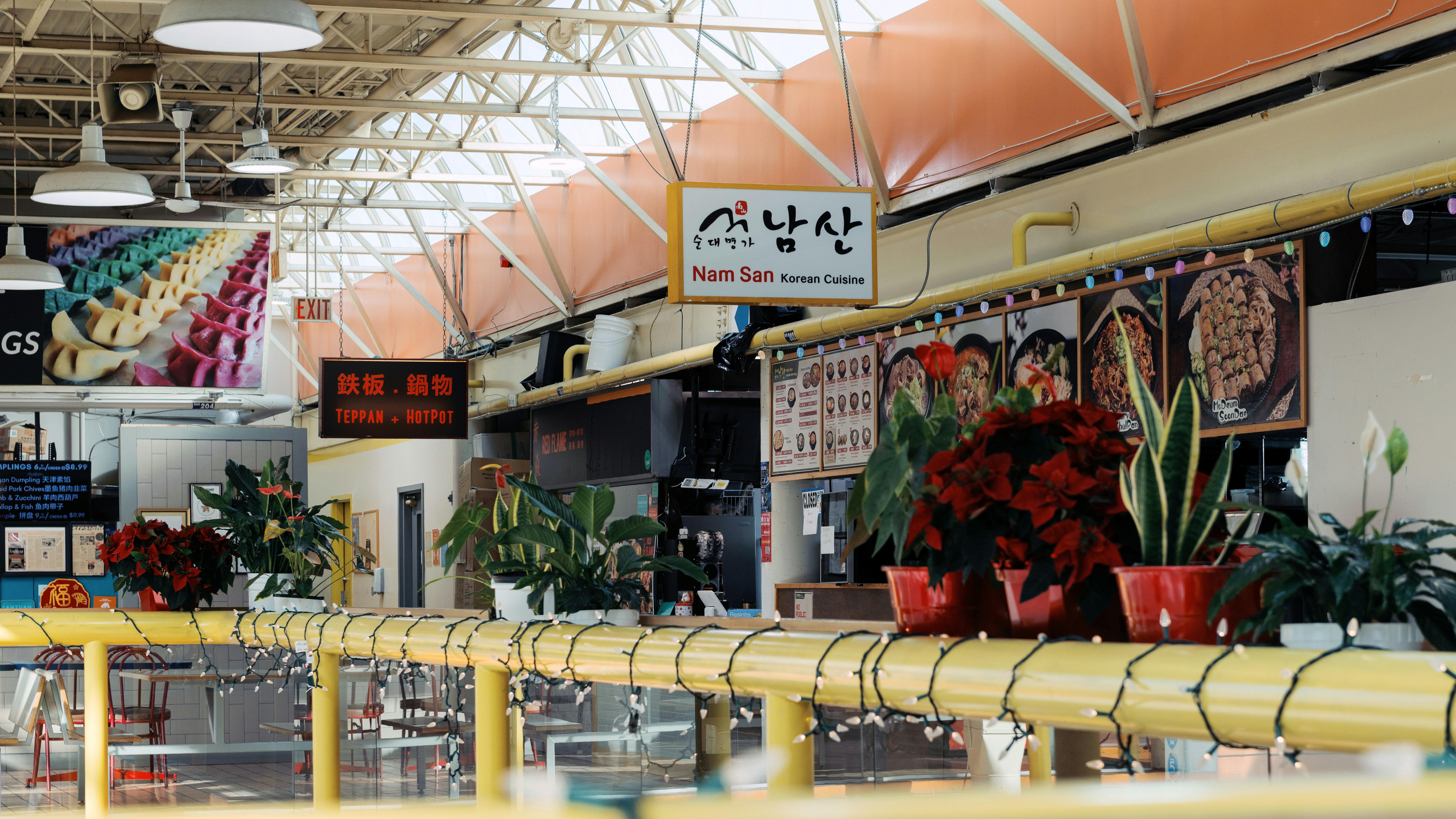
Photo by Albert Stoynov
The restaurant industry is fiercely competitive, and market expansion is a key strategy for brands to grow their footprint and reach new customers. Recent developments showcase a trend of West Coast restaurant chains eyeing the East Coast as a lucrative market for expansion. By moving to new regions, these brands not only tap into a larger customer base but also diversify their presence geographically, reducing dependency on specific markets.
Photo by Albert Stoynov
One notable success story in this expansion strategy is Wienerschnitzel's move into Virginia. The strategic deal with a seasoned operator showcases the brand's commitment to entering new territories with strong partners. Ted Milburn's statement on the partnership emphasizes the confidence in the growth potential of the Virginia market, marking a significant milestone for the brand's expansion plans.
Expanding to the East Coast not only offers brands access to a new customer base but also allows them to diversify their offerings and cater to regional preferences. Brands like Mountain Mike's and Fatburger venturing into Virginia and Florida respectively recognize the importance of adapting to local tastes and preferences, showcasing flexibility in their expansion strategies.
Establishing distribution centers closer to the East Coast, as seen with In-N-Out's distribution center in Tennessee, presents significant logistical advantages. Improved supply chain efficiency and reduced transportation costs can enhance the brand's operational effectiveness, enabling smoother expansion and faster delivery of fresh products to new markets.