AI Playbook for Restaurant Owners
This AI playbook covers restaurant tools for voice ordering, staffing, compliance, menu pricing, inventory, marketing, ChatGPT prompts, and SEO.
tech
May 15, 2026
This AI playbook covers restaurant tools for voice ordering, staffing, compliance, menu pricing, inventory, marketing, ChatGPT prompts, and SEO.
May 15, 2026

Opening a coffee shop in 2026 requires careful cost planning across rent, equipment, labor, technology, menu strategy, marketing, and sustainability.
May 15, 2026

Hardee’s giant Boddie-Noell inks 31-unit Scooter’s Coffee deal for NC and VA, leveraging drive-thru growth and local roots with rollout over 12–18 months.
May 15, 2026

Wingstop turns match weeks into a multi-sensory festival, aligning bold pop-ups with World Cup energy to build brand affinity and measurable momentum.
May 15, 2026

Learn how to develop a memorable restaurant brand identity that stands out in a crowded market, attracts loyal customers, and drives repeat business with actionable strategies and affordable tools.
May 15, 2026

The parent company behind Dunkin', Buffalo Wild Wings, and Arby's has filed for an IPO a move that could reshape how Wall Street views the restaurant sector.
May 15, 2026

Papa Johns has teamed up with Alphabet's Wing for drone delivery of its new sandwich lineup in parts of Charlotte marking the first partnership of its kind between Wing and a national QSR brand.
May 15, 2026

Dirty soda chain Swig is expanding into Colorado through a 10-unit franchise deal, riding a consumer beverage trend that's catching the attention of major QSR players nationwide.
May 15, 2026

A warm, expert-led look at McDonald’s Q1 results, menu makeover, and the refranchise question shaping its growth.
May 14, 2026

A reflective look at Habit Ranch, its immersive desert activation, and what it signals for brand loyalty and mindful, experiential dining.
May 14, 2026

Unlock Exclusive Access To Webinars, Events, And The Latest News For Free!
Restaurants shift loyalty from punch cards to experiential, data-driven programs, blending exclusive events with personalized offers to deepen guest bonds.
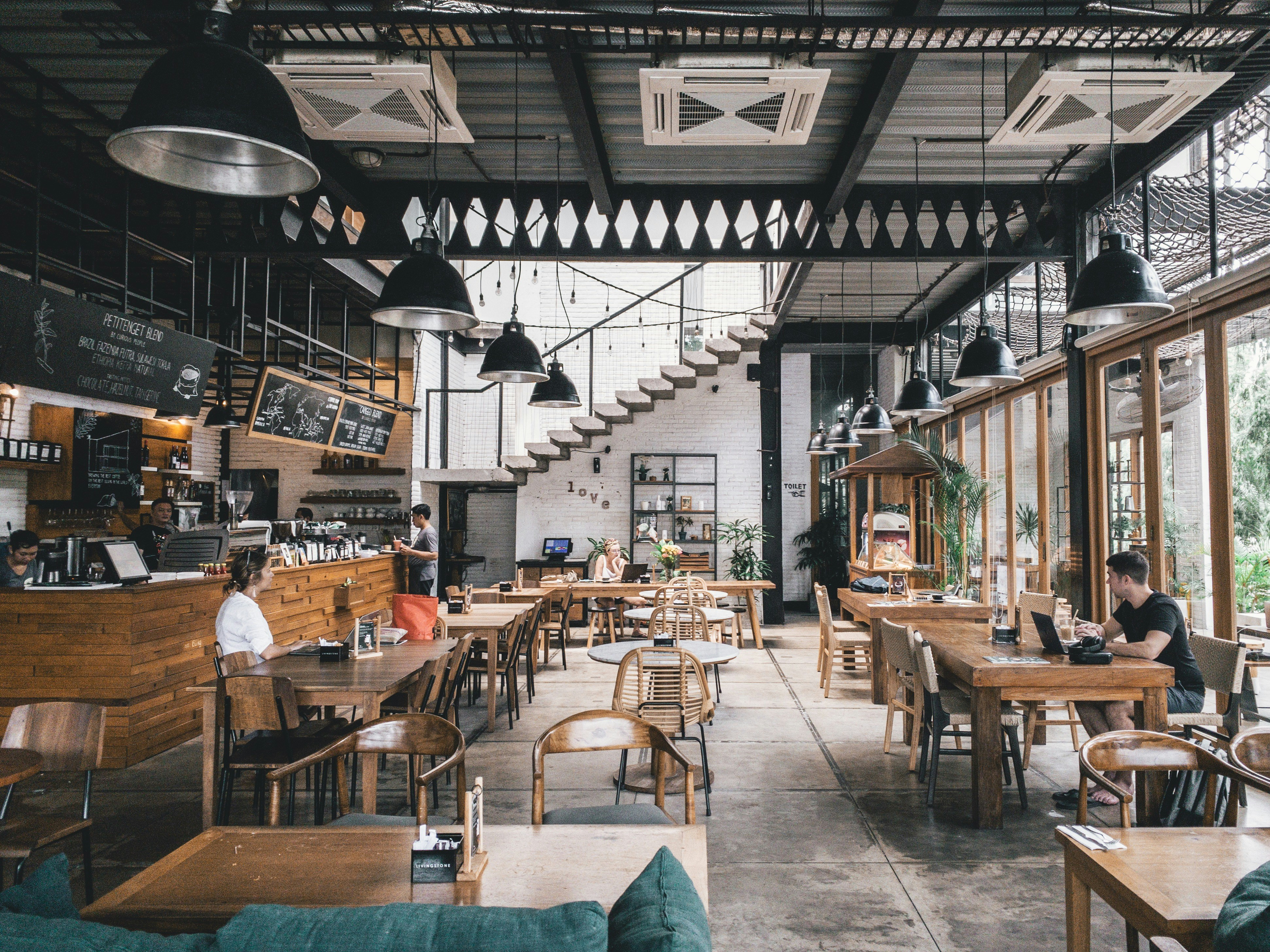
Photo by Shawn
Across a crowded dining landscape, loyalty is being redesigned as a living, nourishing relationship rather than a simple stamp. Data from the Paytronix 2024 Loyalty Trends Report shows that 57 percent of restaurants now run loyalty programs, signaling a move to differentiate beyond digital punch cards. The National Restaurant Association adds another layer: 85 percent of adults are open to dining discounts during off-peak days, revealing an opportunity to smooth demand without sacrificing margins. Industry observers note that programs feel more exclusive or experiential, with 60 percent of respondents ranking rewards as important. And then there’s Taco Bell’s The Cantinas, pitched as an early retirement community for superfans—experiences as currency. This is where the conversation begins: how to nourish loyalty beyond discounts.
To translate intent into practice, brands are building omnichannel loyalty ecosystems. A common frame blends tiered memberships, exclusive experiences, and sometimes product access to keep guests engaged. Paytronix notes that tiered structures, free merchandise, and access to exclusive menus can boost engagement and ROI, while roughly 60 percent of loyalty members favor managing accounts via apps. In practice, restaurants deploy real‑time point tracking, digital cards, and targeted notifications to personalize exchanges across channels. The omnichannel ecosystem is evident: more than 80 percent of campaigns rely on email, with over 20 percent using mobile app push notifications in quick‑service contexts. The Cantinas illustrate how experiential design can complement transactional value, and Denny’s experiments with challenge‑based programs hint at a broader shift toward immersive engagement. This is where the ROI narrative becomes tangible.
From punch cards to conversations: loyalty is moving beyond paper and pixels into living conversations across devices and doors. The data trails remind us that guests do not stay in a single channel; they expect a cohesive experience across apps, emails, and in‑store moments. The NRA’s materials show guests join an average of 3.6 restaurant loyalty programs, a reminder that consumers juggle multiple ecosystems. In response, brands emphasize personalization and lifecycle management to sustain curiosity over time. Chipotle’s ongoing evolution toward targeted offers, tiered structures, daily perks, and gamification demonstrates a design philosophy that values meaningful value over one‑off discounts.
Within this orchestration, programs increasingly rely on data‑driven experiences that live across apps, emails, and on‑site moments. The industry’s cadence is visible: more than 80 percent of campaigns rely on email, and over 20 percent use mobile push notifications in quick‑service contexts. Branded mobile apps have become foundational for loyalty infrastructure, enabling easier management and faster member interactions. Chipotle’s approach, alongside Denny’s experimentation with challenge‑based programs, signals a broader shift toward experiences that invite ongoing participation rather than a single reward. The path forward is clear: loyalty as a living platform.
Taco Bell’s The Cantinas is perhaps the most vivid illustration of loyalty evolving into a community experience. The program framed as an early retirement community for superfans aged 21 and up opens doors to events and environments that deepen connection. Guests gain access to aerobics, pickleball, weekend stays, and even day passes, turning membership into a passport for belonging. Early data reports loyalty members spend around 40 percent more each year than non‑members, suggesting that experiential rewards can drive both emotion and economics. In this light, loyalty becomes a thoughtful composition of access, atmosphere, and shared rituals.
Beyond anecdotes, the numbers offer validation: even in a high‑price environment, loyalty investments can lift profitability through lifecycle management. Paytronix shows that a modest 5 percent rise in retention can yield a broad range of profit gains—roughly 25 to 95 percent—a reminder that small improvements compound. As brands like Taco Bell refine their programs and others chase similar leverage, the emphasis remains on ongoing engagement: timely messages at join, bounce‑back campaigns, and personalized deals that deserve a place in every guest journey.
Yet the path is not without friction. The industry recognizes gaps that can dilute impact if not addressed thoughtfully. The average consumer participates in multiple programs across industries, raising questions about simplicity, redemption friction, and real incremental value. Deloitte’s Loyalty Insights suggests that while personalization is widely valued, many shoppers report unsatisfactory personalization levels, underscoring the need for smarter data integration and segmentation. Operators must continuously test and measure outcomes to reduce churn, experimenting with tiered experiences, exclusive access, and community features to stay fresh. Governance around data privacy, partner integration, and the economics of discounts versus experiences remain core uncertainties for scalable loyalty.
As the industry learns, the timing and cadence of communications matter as much as the offers. The appearance of a loyalty program is no longer a one‑time signup; it’s a discipline that tracks the guest lifecycle from welcome messages to ongoing value. Chipotle’s April 2026 relaunch of Rewards On Repeat signals a renewed focus on value delivery and continued experimentation. The overarching lesson is simple: keep programs honest, usable, and aligned with guests’ evolving needs while guarding privacy and partnerships with care.
Looking ahead, loyalty design will increasingly fuse personalization with community and sustainability signals. Gen Z and younger diners respond to digital, experiential, and community‑oriented benefits, while brands sharpen omnichannel approaches that reach guests wherever they are. Brands are pairing exclusive events with partner benefits and meaningful collaborations, creating a tapestry of value that feels balanced, nourishing, and thoughtful. The hospitality takeaway is clear: loyalty today thrives where data informs compassionate service, and experiences reinforce trust rather than merely lowering prices.
Ultimately, a mindful, nourishing approach to loyalty aligns with a broader goal: responsible growth that respects margins and the planet. As operators design for durability—through balanced rewards, transparent data practices, and transparent sustainability signals—the guest experience becomes the center. The lesson: loyalty is a long conversation that rewards steadiness, curiosity, and shared meals. In a crowded market, that thoughtfulness can turn first-time guests into lasting advocates.