AI Playbook for Restaurant Owners
This AI playbook covers restaurant tools for voice ordering, staffing, compliance, menu pricing, inventory, marketing, ChatGPT prompts, and SEO.
tech
May 15, 2026
This AI playbook covers restaurant tools for voice ordering, staffing, compliance, menu pricing, inventory, marketing, ChatGPT prompts, and SEO.
May 15, 2026

Opening a coffee shop in 2026 requires careful cost planning across rent, equipment, labor, technology, menu strategy, marketing, and sustainability.
May 15, 2026

Hardee’s giant Boddie-Noell inks 31-unit Scooter’s Coffee deal for NC and VA, leveraging drive-thru growth and local roots with rollout over 12–18 months.
May 15, 2026

Wingstop turns match weeks into a multi-sensory festival, aligning bold pop-ups with World Cup energy to build brand affinity and measurable momentum.
May 15, 2026

Learn how to develop a memorable restaurant brand identity that stands out in a crowded market, attracts loyal customers, and drives repeat business with actionable strategies and affordable tools.
May 15, 2026

The parent company behind Dunkin', Buffalo Wild Wings, and Arby's has filed for an IPO a move that could reshape how Wall Street views the restaurant sector.
May 15, 2026

Papa Johns has teamed up with Alphabet's Wing for drone delivery of its new sandwich lineup in parts of Charlotte marking the first partnership of its kind between Wing and a national QSR brand.
May 15, 2026

Dirty soda chain Swig is expanding into Colorado through a 10-unit franchise deal, riding a consumer beverage trend that's catching the attention of major QSR players nationwide.
May 15, 2026

A warm, expert-led look at McDonald’s Q1 results, menu makeover, and the refranchise question shaping its growth.
May 14, 2026

A reflective look at Habit Ranch, its immersive desert activation, and what it signals for brand loyalty and mindful, experiential dining.
May 14, 2026

Unlock Exclusive Access To Webinars, Events, And The Latest News For Free!
An expert, hand-in-warm voice explores how local sourcing reshapes menus, partnerships, and trust in modern restaurants.
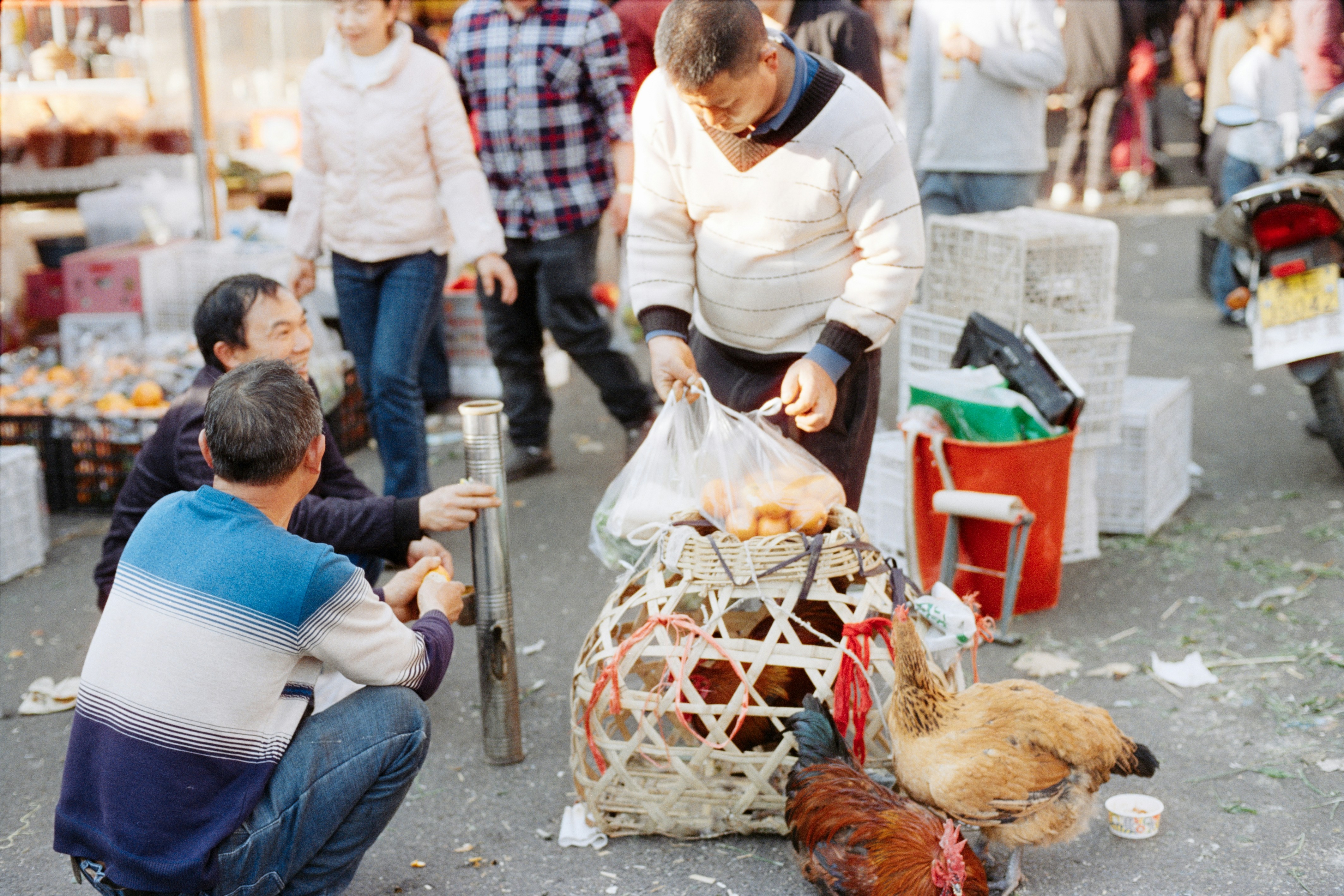
Photo by Zhen Yao
From the moment you walk into a café where the air smells of citrus and fresh bread, you sense that something gentler is reshaping how a kitchen speaks. Local sourcing is not merely a trend but a quiet, comforting reframe—a way of thinking that binds the stove to nearby fields, orchards, and markets. It forges direct bonds between kitchens and producers, turning suppliers into partners rather than distant inputs. In this emerging mood, ingredients become the storytellers: season, place, and care; a menu born of neighborhood harvests invites guests to linger, to notice, to belong to a table that feels designed for conversation.
Practically speaking, definitions matter. The USDA defines local as within about 400 miles, though operators often target roughly 100–150 miles to honor seasonality and supplier access. Farm-to-table describes a direct relationship from local farms to restaurants with emphasis on harvest windows and without formal certification. Keeping these distinctions straight helps with menu labeling, cost management, and dependable partnerships. As awareness grows, restaurants frame local procurement as a long-term asset that strengthens brand identity and resilience, not a one-off tactic. In this shift, ingredients sit at the center of the story, not the margins of the inventory.
Chefs and guests alike crave the ease of knowing where a dish begins. Local partners are neighbors who bring stories to the table, not merely shipments in cardboard boxes. The motivation is simple and soothing: fresher produce, richer textures, and a menu narrative that feels intimate yet ambitious. A neighborhood harvest can color a plate with flavor in a way a long-haul supply chain cannot, turning a plate into a memory of a season’s light and soil.
- Freshness: Peak-season harvests boost flavor and texture, becoming powerful marketing assets and fuel for repeat visits
- Resilience: Shorter supply chains reduce dependence on long freight routes and help weather disruptions
- Community impact: Local investments keep value within the region and deepen farmer–restaurant partnerships
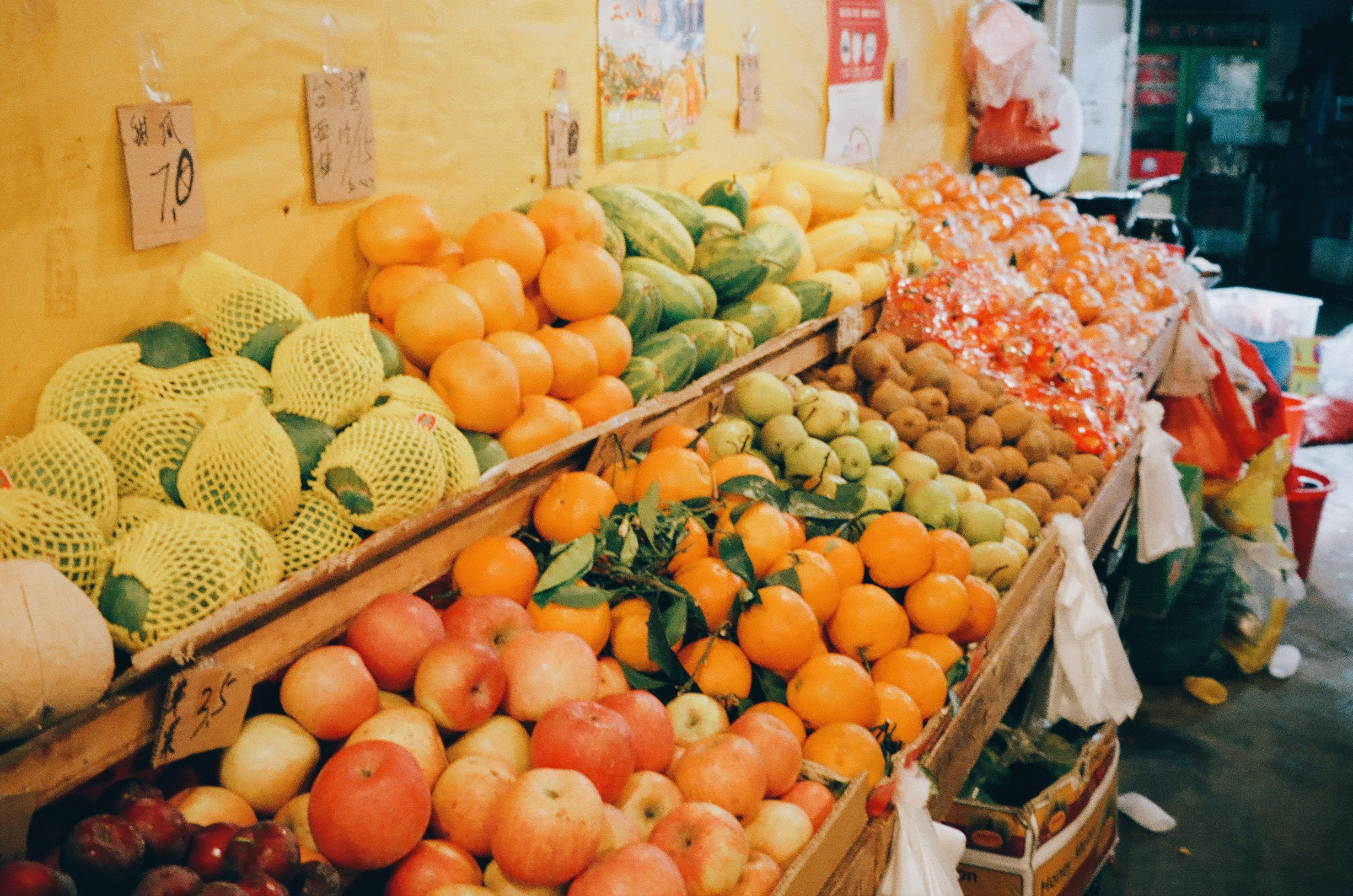
Designing a locally anchored program begins with a careful map of your radius and a clear stance on certifications. A kitchen team can translate that map into reliable supplier engagements, with fields such as radius and organic clearly defined. Menu engineering sits at the core—core dishes anchored in broadly sourced staples, while specials celebrate peak local abundance. A blended cost strategy helps margins: local buys for high-impact items in season, while standard distributors handle commodities when local options are scarce. Food safety and spoilage controls call for rigorous wash protocols and quick-turn inventories.
1. Define your local radius – Establish what counts as local for your menu, and create a simple policy that staff can reference when talking to guests.
2. Vet partners – Prioritize consistency in delivery, traceability, and willingness to share documentation such as organic certification where appropriate.
3. Align menu and margins – Anchor core dishes in broadly sourced staples, reserving seasonal specials for local bounty, with a pricing plan that protects margins during fluctuations.
Among diners, the window to trust is increasingly digital. Keeping a digital transparency page, updated with sourcing definitions and current supplier farms, anchors credibility for skeptical and informed guests. Clear menu language helps prevent greenwashing and guards against reputational risk that comes from vague claims. When producers, harvest windows, and certifications are verifiable, guests respond with greater trust and willingness to support locally sourced concepts.
This emphasis on clarity resonates with reporting about organic labeling and regulatory changes, underscoring why rigorous documentation matters in today’s market. Restaurants that publish verifiable details about producers, harvest windows, and certifications build a narrative of accountability across the supply chain.
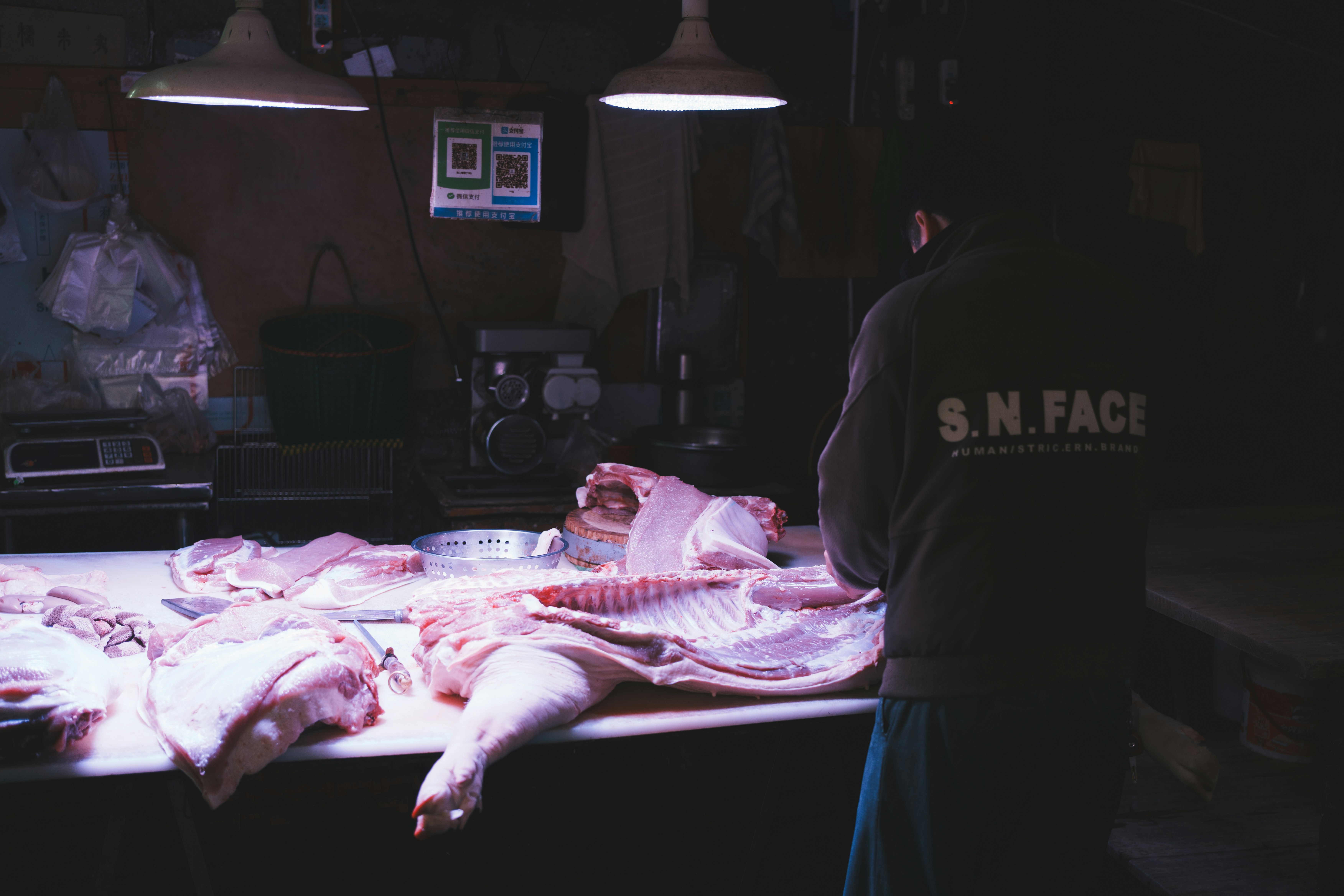
Committing to organic and locally sourced programs introduces several operational hurdles. These often manifest as increased costs per unit and a greater risk of spoilage, especially since produce from small-scale suppliers arrives without industrial-grade preservatives and has a shorter shelf life. Close attention to inventory control is essential to avoid waste and protect margins. Local sourcing also means dealing with limited selection, as crop variety and availability fluctuate with regional climate, weather events, and pest pressures. Chefs regularly face unexpected shortages or early harvests, necessitating creativity and the flexibility to adjust menus quickly. Rigid, static menus are incompatible with local sourcing models, pushing kitchens toward adaptive approaches that require training and agility at every level of staff.
Committing to these programs introduces higher upfront costs and ongoing compliance. The Organic Certification Cost Share Program (OCCSP) offers defined support, and ongoing rules updates from the National Organic Program (NOP) reflect adjustments to enforcement, certification scope, and oversight timelines.
The broader ecosystem for local sourcing spans a spectrum of pathways—from community-supported agriculture networks and farmers’ markets for hyper-seasonal produce, to leveraging food hubs and distributors that balance local provenance with supply reliability. Some establishments even develop on-site gardens or rooftop beehives, creating a hyper-local narrative and lowering ingredient transport emissions. Not every model fits every operation, but many restaurants benefit from a customized hybrid approach by menu category. The result is a more resilient business that diversifies sources and keeps dollars circulating locally, strengthening both culinary leadership and community stewardship.
Looking forward, operators who build flexible sourcing frameworks, invest in knowledge-driven supplier relationships, and communicate honestly position themselves to meet evolving customer expectations, regulatory demands, and climate challenges. The shift to local sourcing is thus an operational evolution that sets new standards for culinary leadership, community stewardship, and sustainable growth.