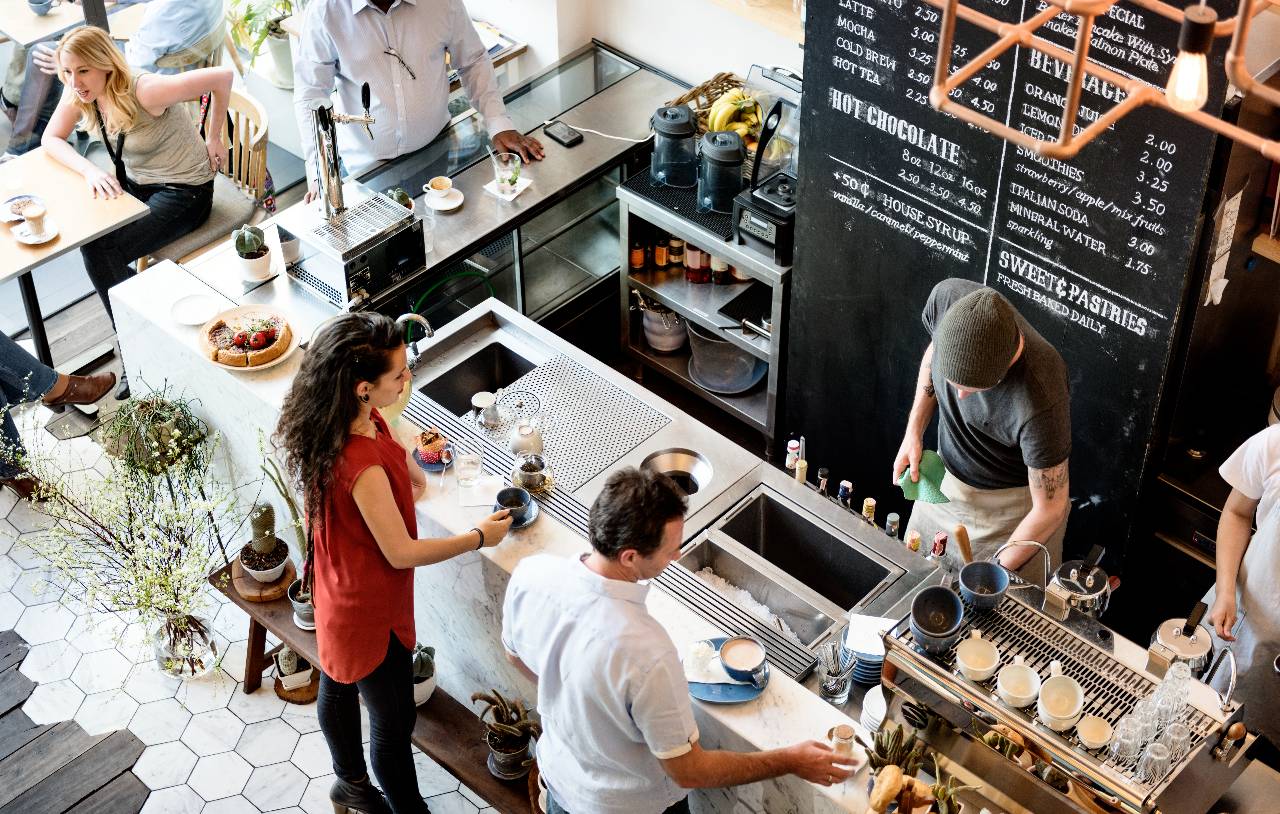
How Much Does It Cost to Open a Coffee Shop in 2026?
Opening a coffee shop in 2026 requires careful cost planning across rent, equipment, labor, technology, menu strategy, marketing, and sustainability.
operations
May 15, 2026
Opening a coffee shop in 2026 requires careful cost planning across rent, equipment, labor, technology, menu strategy, marketing, and sustainability.
May 15, 2026
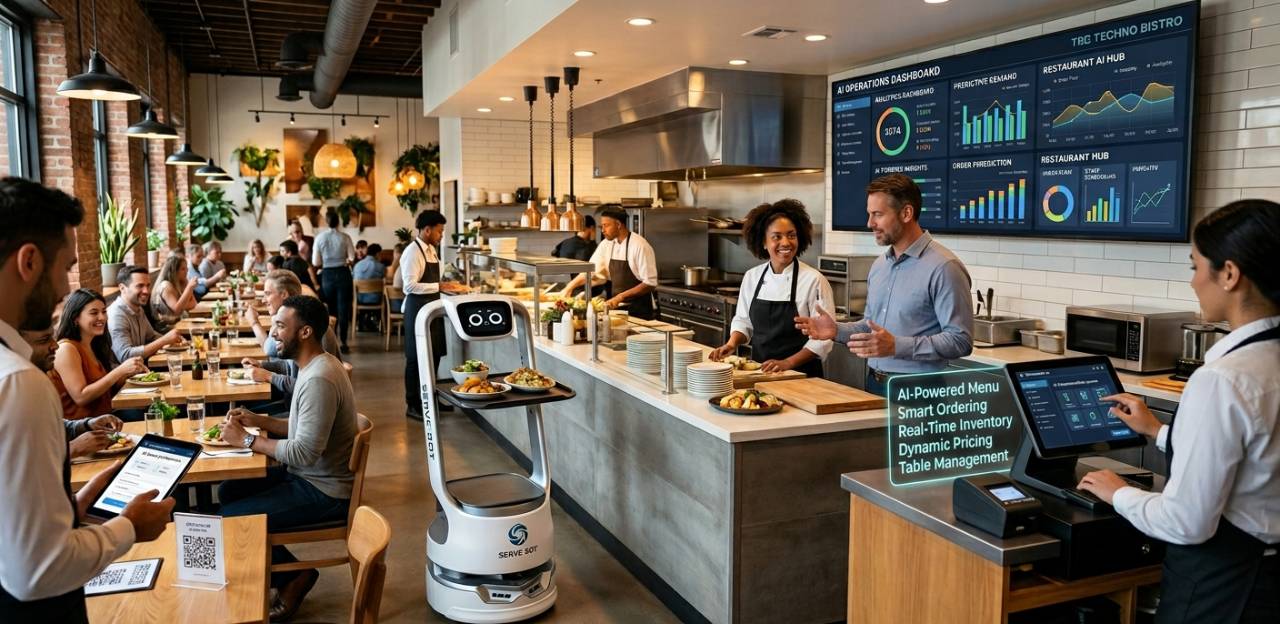
This AI playbook covers restaurant tools for voice ordering, staffing, compliance, menu pricing, inventory, marketing, ChatGPT prompts, and SEO.
May 15, 2026
Hardee’s giant Boddie-Noell inks 31-unit Scooter’s Coffee deal for NC and VA, leveraging drive-thru growth and local roots with rollout over 12–18 months.
May 15, 2026
Wingstop turns match weeks into a multi-sensory festival, aligning bold pop-ups with World Cup energy to build brand affinity and measurable momentum.
May 15, 2026
The parent company behind Dunkin', Buffalo Wild Wings, and Arby's has filed for an IPO a move that could reshape how Wall Street views the restaurant sector.
May 15, 2026
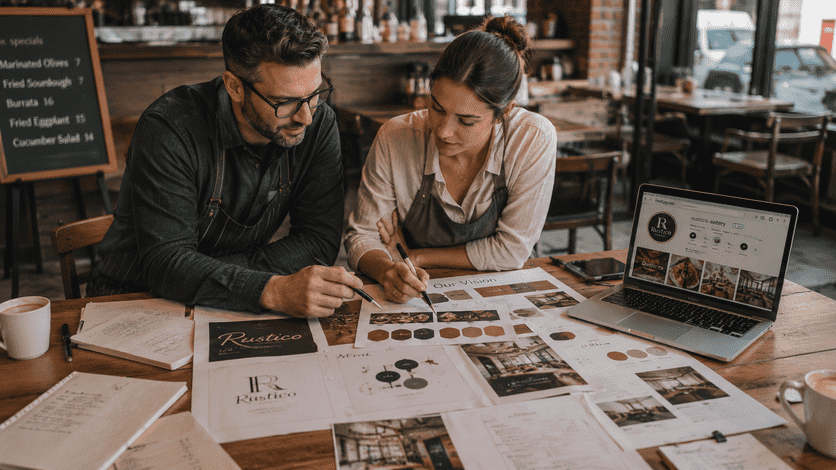
Learn how to develop a memorable restaurant brand identity that stands out in a crowded market, attracts loyal customers, and drives repeat business with actionable strategies and affordable tools.
May 15, 2026
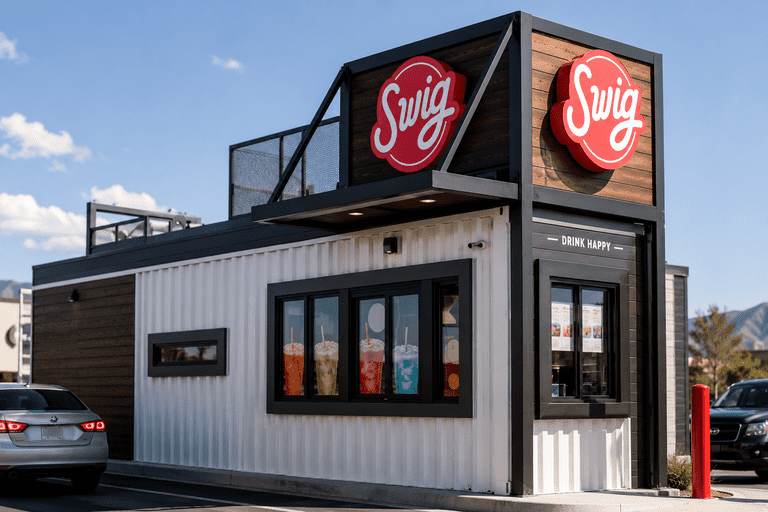
Dirty soda chain Swig is expanding into Colorado through a 10-unit franchise deal, riding a consumer beverage trend that's catching the attention of major QSR players nationwide.
May 15, 2026
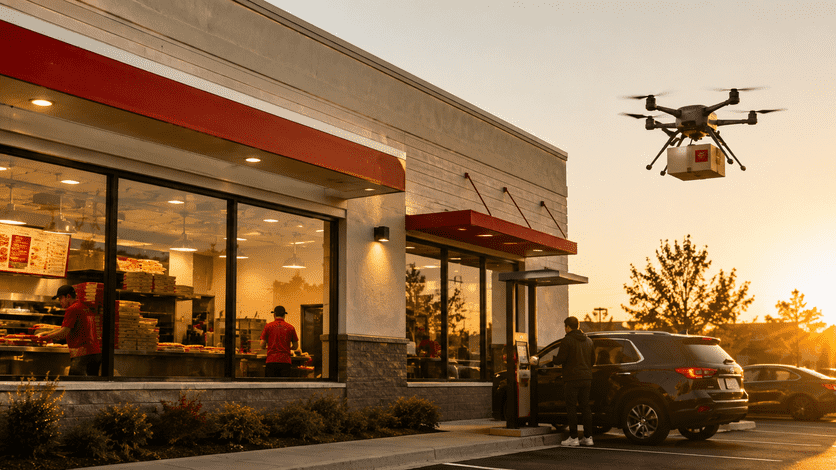
Papa Johns has teamed up with Alphabet's Wing for drone delivery of its new sandwich lineup in parts of Charlotte marking the first partnership of its kind between Wing and a national QSR brand.
May 15, 2026
A warm, expert-led look at McDonald’s Q1 results, menu makeover, and the refranchise question shaping its growth.
May 14, 2026
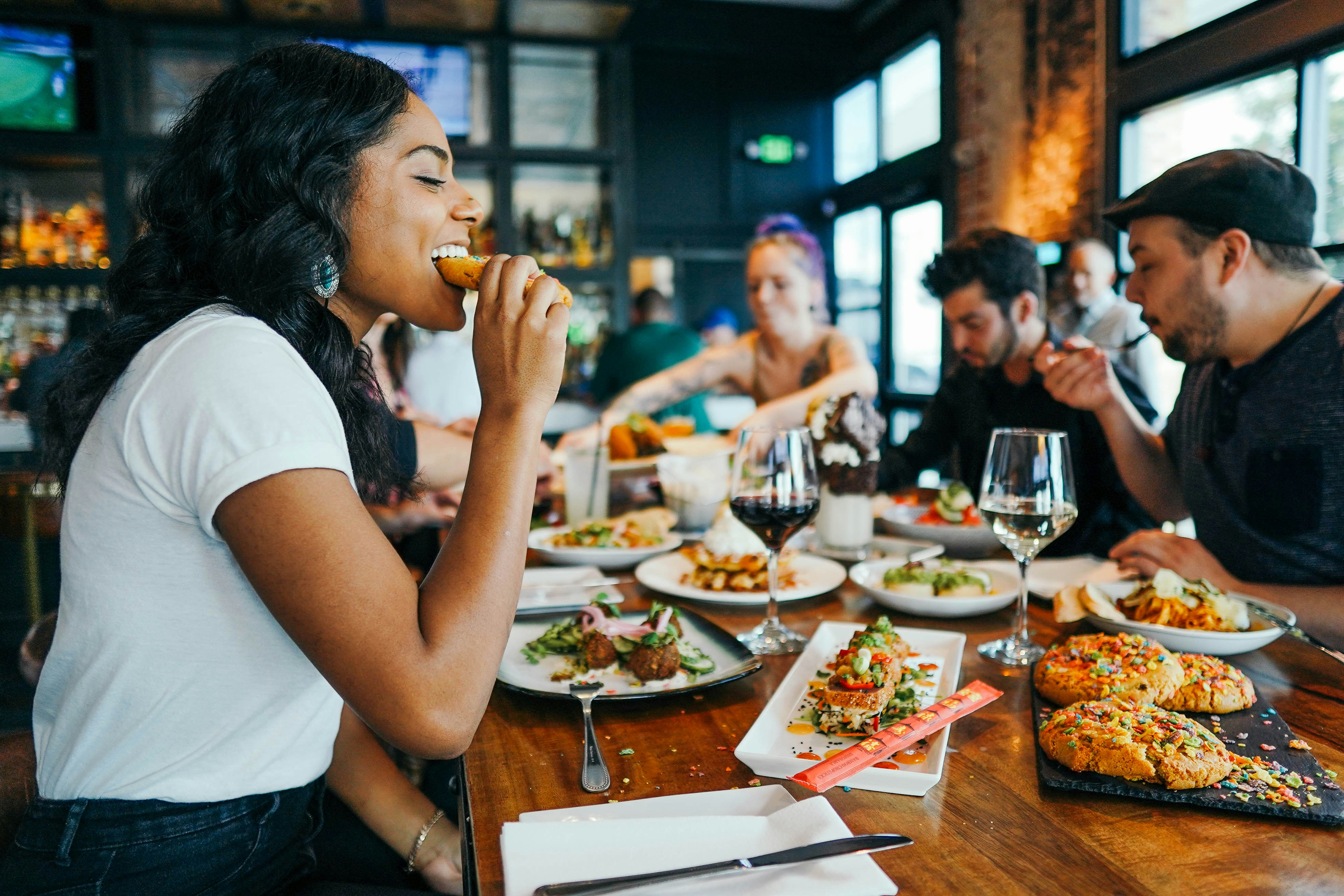
A reflective look at Habit Ranch, its immersive desert activation, and what it signals for brand loyalty and mindful, experiential dining.
May 14, 2026

Unlock Exclusive Access To Webinars, Events, And The Latest News For Free!
Doinita Leahu redefines hospitality leadership with practical training, mentorship, and people-first systems guiding Vicious Biscuit’s growth.
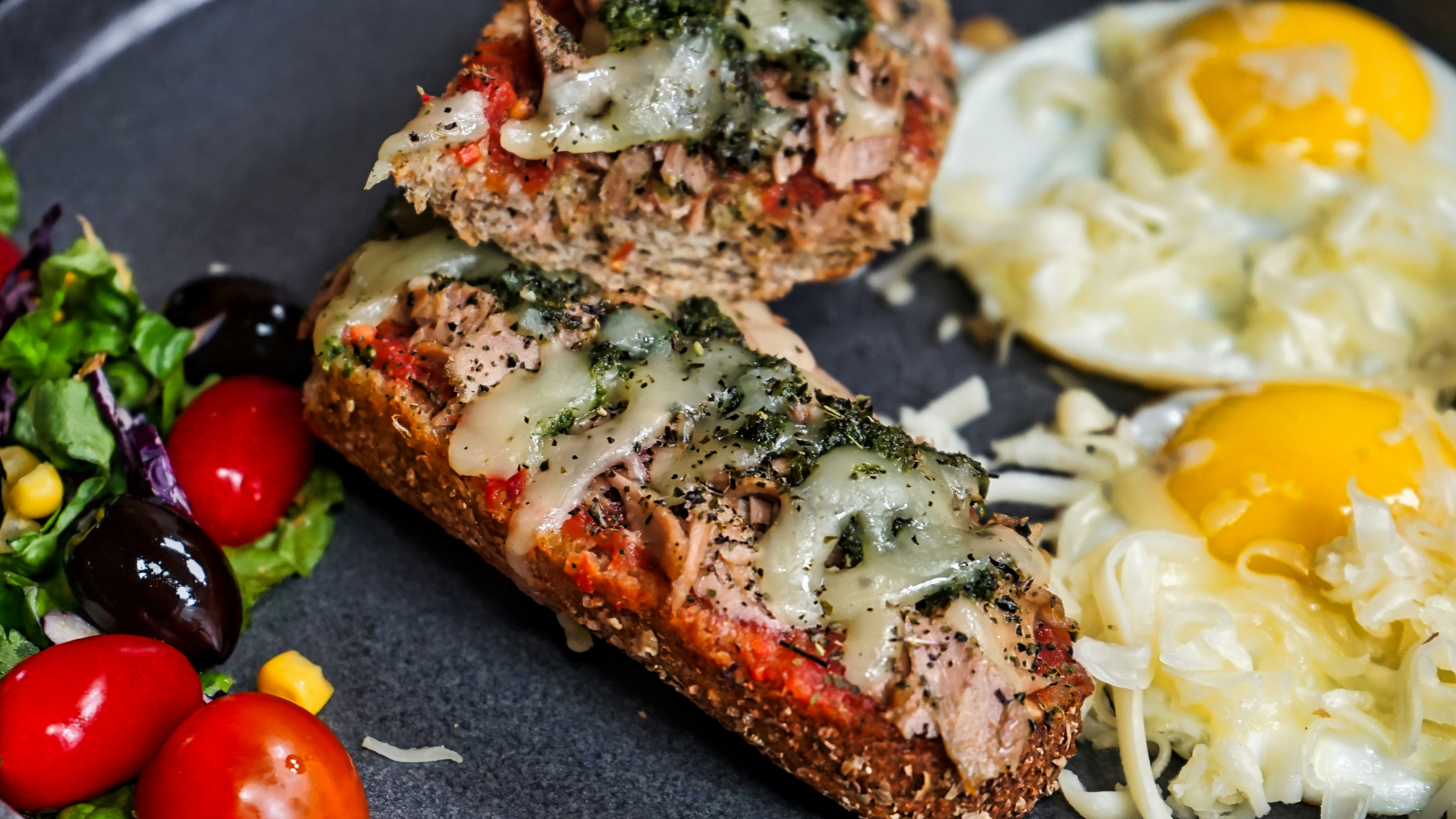
Photo by Graphe Tween
Doinita Leahu’s journey unfolds as a quiet counterpoint to traditional career ladders. In a Romania-based banking organization, leadership was defined by contribution to a shared effort rather than by title alone, a realization that arrived with a quiet precision. That insight nudged her toward training and development, where she found meaning in translating financing concepts and systemic procedures for others. After emigrating to the United States, she faced a rapid English-learning process and sought immersion by stepping into the restaurant world. The kitchen and the floor became her classrooms, and hospitality her discipline: a becoming, not a arrival.
At Neptune Beach, Florida, the location at 211 Third Street opened in 2023 and has remained a cornerstone of her strategy for building scalable, service-driven systems. The site is still run by the original staff, with one founding team member now serving as general manager—an early triumph of her retention philosophy. Across the brand, leadership shapes itself into practical, hands-on structures: workflows designed to guide managers through real-time pressures, from labor-cost considerations to the tensions of peak service. This approach, anchored in people, points toward a broader shift in hospitality where leadership is infrastructure rather than a title. Together, these threads illuminate a path toward scalable, humane growth.
Doinita Leahu’s arc is a deliberate pivot from finance to people development. A banking background in Romania framed leadership as a practical craft rather than a podium moment, a view she carried into training roles that foreground the human side of operations. The migration to the United States added texture: learning English rapidly, finding conversational mentors, and discovering an unconventional classroom in the restaurant world. The journey—bridging classrooms, kitchens, and training rooms—grounds her approach in lived experience as much as in theory, and explains her insistence that growth begins with listening and incremental progress.
Crucially, this background informs an ethic of empathy for newcomers and a conviction that progress is earned in small, authentic steps rather than sweeping directives. Mentors who encouraged her offered a language of growth built on tangible milestones, and she now seeks to extend that language to every newcomer at Vicious Biscuit. Growth, she believes, arises when leaders guide the ascent rather than command it, creating environments where taking on new responsibilities feels possible and worthwhile.
In 2021, Leahu became director of training at Vicious Biscuit, the Charleston-based brunch concept racing toward rapid expansion. Her early triumph came in Neptune Beach, where she built a completely new team and learned that sustainable leadership can flourish only when leaders remain in the room, empowered to coach others rather than to issue orders from above. The lesson was simple yet enduring: cultivate self-sufficient teams that can endure your absence while delivering service with consistency.
Working alongside executive leadership, she designs practical, scalable systems that prepare managers to meet the floor’s real pressures—from labor-cost management to navigating high-stress moments. The Neptune Beach location opened in 2023 remains in the hands of its original staff, with a founding member now general manager, a tangible testament to her retention strategy. Across the brand, leadership investments have sharpened under the guidance of partners like Katie DePoppe (Director of People & Culture since 2025), signaling that governance and culture are the infrastructure behind growth.
Leahu makes training practical and realistic, insisting that programs prepare leaders for the moments they will actually encounter on the floor. Training cannot be theoretical or merely 'look good on paper.' Her design centers on real-world scenarios: labor-management fluctuations, personality differences, and the relentless pressure of peak service. The approach champions visible, actionable development that clarifies the path from one role to another and ensures employees can imagine a future within the brand.
In practical terms, this means clear steps and pathways across roles; mentors demonstrate progression, and managers receive tools to navigate transitions. As she emphasizes, growth should be tangible, not abstract, so every ascent is accompanied by concrete milestones and feedback. Beyond internal vigor, the program feeds franchise partners with collaborative, feedback-driven training platforms, reinforcing trust and alignment with Vicious Biscuit’s values.
Mentorship and everyday leadership emerge as the levers of retention. Her personal narrative—being foreign and not speaking English initially—frames a steadfast commitment to lifting others as they grow. She recalls that repeated encouragement helped her see more in the tank: "I was foreign and didn’t speak English. It was hard for me to comprehend everything that came at me. But so many times, I had people sit down and tell me I had more in the tank." As Vicious Biscuit expands through 2026, culture and structured leadership development are positioned as competitive advantages, with franchise partners benefiting from tailored collaboration and feedback-driven platforms.
The broader context reveals a hospitality industry embracing leadership development as infrastructure. The franchising program, launched in early 2023 with partner support, aligns expansion with governance and culture, while Katie DePoppe’s role as Director of People and Culture since 2025 underscores a deliberate governance framework. If the trajectory holds, Leahu’s model promises more consistent guest experiences, stronger retention, and smoother multi-location operations, signaling a template that treats leadership as a strategic asset—an EEAT-worthy balance of Experience, Expertise, Authority, and Transparency.