AI Playbook for Restaurant Owners
This AI playbook covers restaurant tools for voice ordering, staffing, compliance, menu pricing, inventory, marketing, ChatGPT prompts, and SEO.
tech
May 15, 2026
This AI playbook covers restaurant tools for voice ordering, staffing, compliance, menu pricing, inventory, marketing, ChatGPT prompts, and SEO.
May 15, 2026

Opening a coffee shop in 2026 requires careful cost planning across rent, equipment, labor, technology, menu strategy, marketing, and sustainability.
May 15, 2026

Hardee’s giant Boddie-Noell inks 31-unit Scooter’s Coffee deal for NC and VA, leveraging drive-thru growth and local roots with rollout over 12–18 months.
May 15, 2026

Wingstop turns match weeks into a multi-sensory festival, aligning bold pop-ups with World Cup energy to build brand affinity and measurable momentum.
May 15, 2026

Learn how to develop a memorable restaurant brand identity that stands out in a crowded market, attracts loyal customers, and drives repeat business with actionable strategies and affordable tools.
May 15, 2026

The parent company behind Dunkin', Buffalo Wild Wings, and Arby's has filed for an IPO a move that could reshape how Wall Street views the restaurant sector.
May 15, 2026

Papa Johns has teamed up with Alphabet's Wing for drone delivery of its new sandwich lineup in parts of Charlotte marking the first partnership of its kind between Wing and a national QSR brand.
May 15, 2026

Dirty soda chain Swig is expanding into Colorado through a 10-unit franchise deal, riding a consumer beverage trend that's catching the attention of major QSR players nationwide.
May 15, 2026

A warm, expert-led look at McDonald’s Q1 results, menu makeover, and the refranchise question shaping its growth.
May 14, 2026

A reflective look at Habit Ranch, its immersive desert activation, and what it signals for brand loyalty and mindful, experiential dining.
May 14, 2026

Unlock Exclusive Access To Webinars, Events, And The Latest News For Free!
Krispy Kreme’s bold McDonald’s rollout began in 2024, surged in 2024–25, paused in 2025, and ended in July 2025, reshaping how the bakery-chains expand.
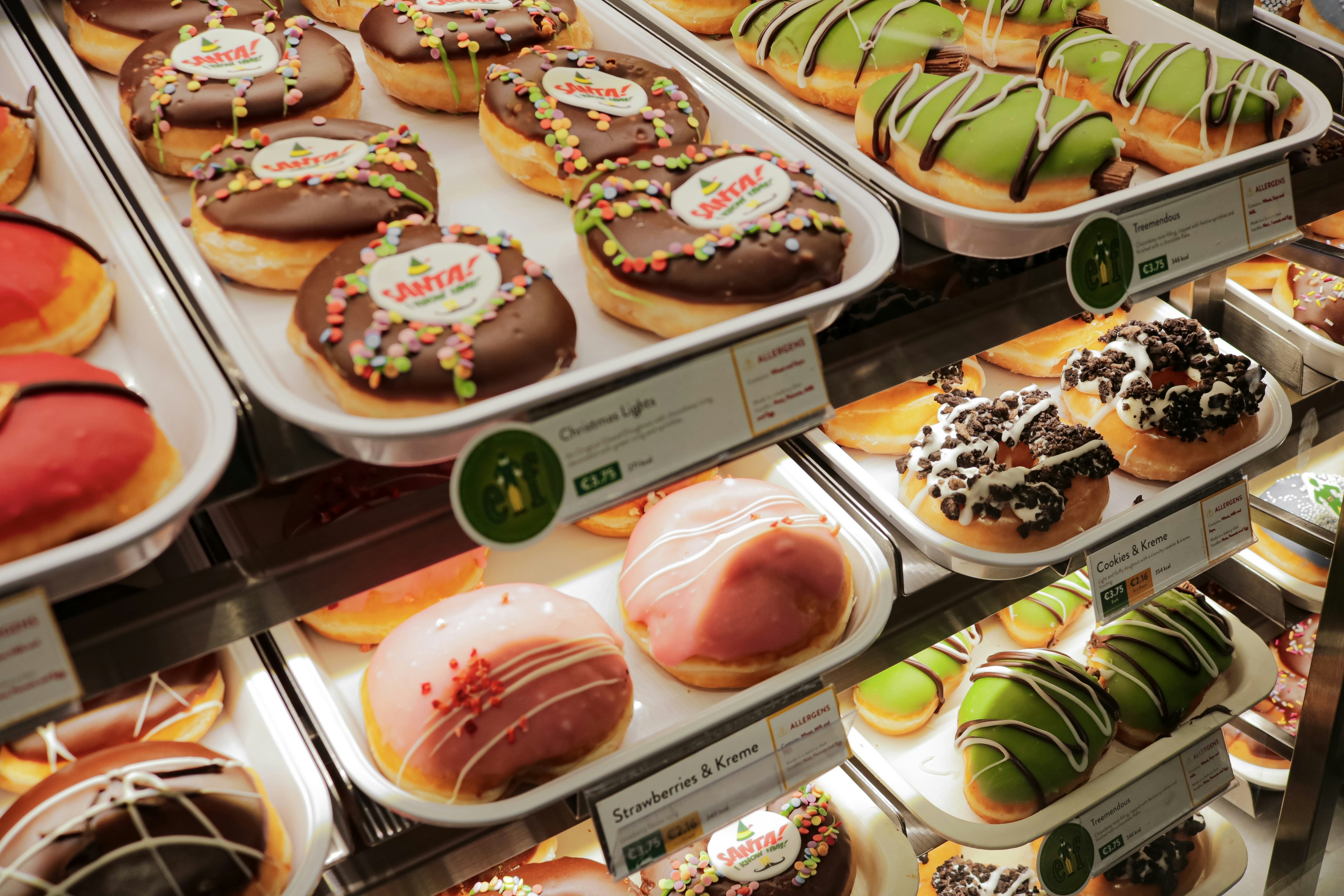
Photo by Dahlia E. Akhaine
On the surface, Krispy Kreme and McDonald’s rolled out a high-ambition plan to put fresh doughnuts on McDonald’s menus nationwide. It kicked off in fall 2024 with Chicago as the anchor city, aiming to translate regional testing into a national footprint. The Kentucky pilot in Louisville and Lexington offered early proof of concept, showing demand beyond a single market. In a March 26, 2024 joint release, the partners outlined a phased roadmap toward nationwide availability by 2026, signaling a big bet on scale, consistency, and speed. This was a big win in ambition, but it would demand flawless execution across a sprawling retail network.
Big numbers followed the plan: the August 2024 earnings materials projected the rollout would reach more than 1,000 McDonald’s locations by the end of 2024, expand to 5,000 in 2025, and add 6,000 more in 2026 to cover roughly 85 percent of the U.S. footprint. The path started with a Kentucky proof of concept, but the destination was national. The Chicago pivot was the blueprint, and the project’s scale demanded a disciplined, multi-year orchestration of people, product, and logistics.

Behind the optimism stood Krispy Kreme’s hub-and-spoke distribution engine. The U.S. network was described as 151 hubs with spokes feeding an average of about 50 access points each, with growth targets that would push that to more than 100 access points per hub by 2026. In Chicago, the plan called for roughly 450 new delivering doors, all tied to the same hub structure to maintain quality and consistency. Leadership also outlined a broader push to open about 30 new hubs over three years, with 17 underway in markets like Seattle, Minneapolis, and Philadelphia. The logistics network would get a refresh—new routes, new vehicles—so McDonald’s and other retailers could be reached efficiently.
This wasn’t a one-city experiment. The hub-and-spoke design aimed to maximize asset utilization and keep donuts tasting the same across shelves and drive-thrus. The Chicago push was the centerpiece, but the plan spoke to a nationwide cadence: more hubs, better routes, and a tighter cadence with partners to sustain freshness across thousands of locations and multiple channels.
Krispy Kreme described the rollout as a careful, cross-functional effort designed to preserve quality at scale. “We have a dedicated cross-functional team … making improvements to the production lines … and even doing our best to improve productivity and up our game as we go. We’re very focused on delivering a really high-quality service to the McDonald’s restaurants so that people get awesome fresh doughnuts every day at the same quality level they expect in Krispy Kreme and other channels.” The emphasis on collaboration extended to McDonald’s and the role of marketing and logistics: “Because we think all the places you go on the way to a McDonald’s, Target, Walmart, Kroger, you’re going to be going past convenience stores, making the logistics route efficient, and so we still see a role for those to play, but naturally, we’re focused on those big national partners that the McDonald’s program unlocks for us.” The Chicago launch carried confidence: “I feel really confident about starting out in Chicago… get going with a really positive, strong momentum from the start makes sense for both of us. So we’re excited for the teams there.”
These statements weren’t just talk. They framed a culture that valued quality, cross-team coordination, and disciplined growth. The Chicago launch mattered as much as the corporate playbook—proof that speed could coexist with standards, and that a big rollout could be guided by a shared sense of purpose.
The rollout hit an inflection point in 2025. In May, Krispy Kreme paused deployment to reassess the path to profitability, and the partnership was terminated effective July 2, 2025, by mutual decision. After months of testing in major markets and thousands of locations touched, the coast-to-coast donut blitz gave way to a strategic retrenchment. The decision underscored the tension between scale ambitions and sustainable economics, even with strong brand reach and a big-name partner.
Industry coverage framed the pause as a pragmatic shift rather than a retreat. The move signaled a realignment of resources toward Krispy Kreme’s core growth drivers while keeping high-volume retail distribution on the table through other formats. The end of the McDonald’s chapter didn’t erase the appetite for broad, omnichannel growth—it redirected the path toward a more disciplined, diversified expansion.
Even after the partnership ended, Krispy Kreme’s broader retail strategy pressed forward. Leadership highlighted ongoing expansions with Walmart, Target, and Kroger, including Target store activity in Phoenix and Atlanta and planned moves in Los Angeles and Detroit. The Chicago rollout had acted as a logistics proving ground, a blueprint that could be applied to other national partners. The end of the McDonald’s tie did not derail the omni-channel push; it reframed how the company builds density and access across formats.
Looking ahead, Krispy Kreme is doubling down on a diversified, multi-channel approach that blends hub density with a mix of big-box retailers and grocery partners, plus continued quick-service collaborations where they fit. The lesson from Chicago is clear: scalable distribution, transparent partnerships, and flexible strategy matter as consumer behavior and macro conditions evolve. The company’s focus remains on expanding through high-volume channels and international growth, while tightening profitability math and resource allocation.
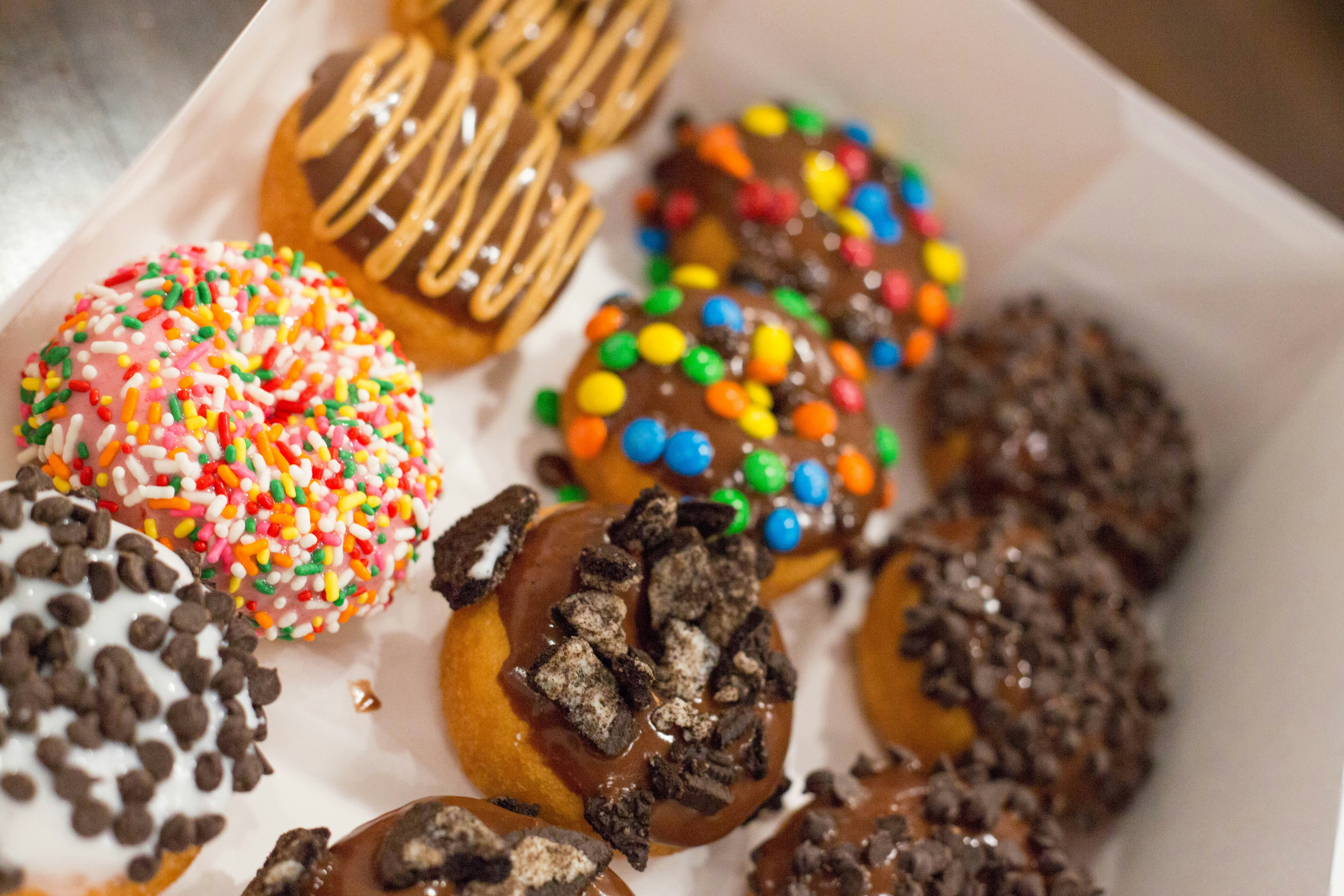
The Krispy Kreme–McDonald’s saga is a compact case study in ambition meeting economics. A national rollout can unlock rapid access and scale, but it tests the discipline of cost control and the ability to deliver the same experience across thousands of doors. The partnership demonstrated how hub densification and cross-functional teams can unlock reach, and it also exposed the fragility when operating costs outrun demand. For the broader restaurant and retail ecosystem, the episode highlights the value of scalable logistics, clear partnerships, and flexible strategies in a changing world.
Krispy Kreme’s next act appears to favor multi-channel growth and international expansion, refining its playbook so big alliances become accelerants rather than single bets. The end of one megadeal doesn’t mean the end of big opportunities; it signals a smarter, more diversified path to keep the donuts moving and the business growing.