How Much Does It Cost to Open a Coffee Shop in 2026?
Opening a coffee shop in 2026 requires careful cost planning across rent, equipment, labor, technology, menu strategy, marketing, and sustainability.
operations
May 15, 2026
Opening a coffee shop in 2026 requires careful cost planning across rent, equipment, labor, technology, menu strategy, marketing, and sustainability.
May 15, 2026
This AI playbook covers restaurant tools for voice ordering, staffing, compliance, menu pricing, inventory, marketing, ChatGPT prompts, and SEO.
May 15, 2026
Hardee’s giant Boddie-Noell inks 31-unit Scooter’s Coffee deal for NC and VA, leveraging drive-thru growth and local roots with rollout over 12–18 months.
May 15, 2026
Wingstop turns match weeks into a multi-sensory festival, aligning bold pop-ups with World Cup energy to build brand affinity and measurable momentum.
May 15, 2026
The parent company behind Dunkin', Buffalo Wild Wings, and Arby's has filed for an IPO a move that could reshape how Wall Street views the restaurant sector.
May 15, 2026
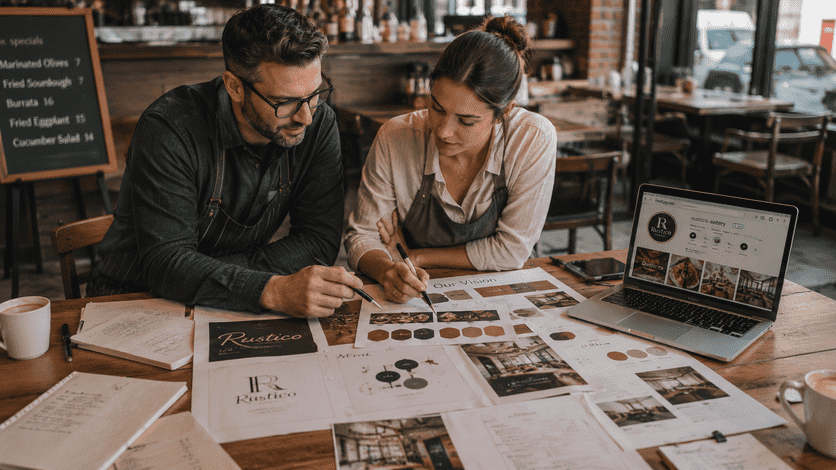
Learn how to develop a memorable restaurant brand identity that stands out in a crowded market, attracts loyal customers, and drives repeat business with actionable strategies and affordable tools.
May 15, 2026
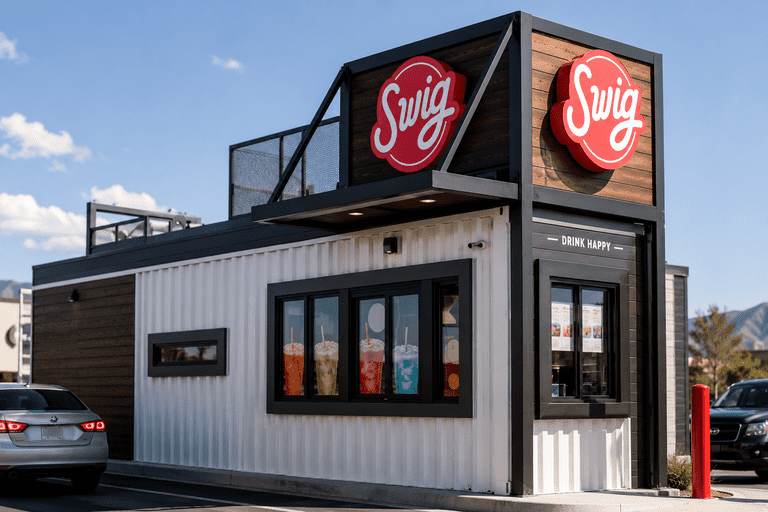
Dirty soda chain Swig is expanding into Colorado through a 10-unit franchise deal, riding a consumer beverage trend that's catching the attention of major QSR players nationwide.
May 15, 2026
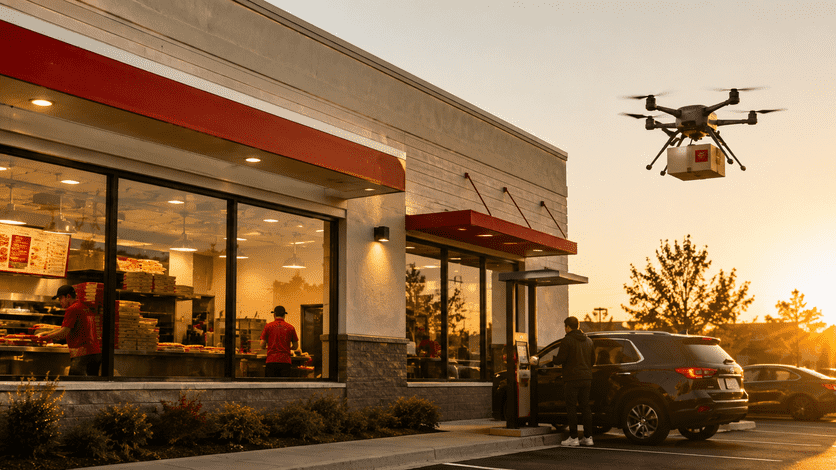
Papa Johns has teamed up with Alphabet's Wing for drone delivery of its new sandwich lineup in parts of Charlotte marking the first partnership of its kind between Wing and a national QSR brand.
May 15, 2026
A warm, expert-led look at McDonald’s Q1 results, menu makeover, and the refranchise question shaping its growth.
May 14, 2026
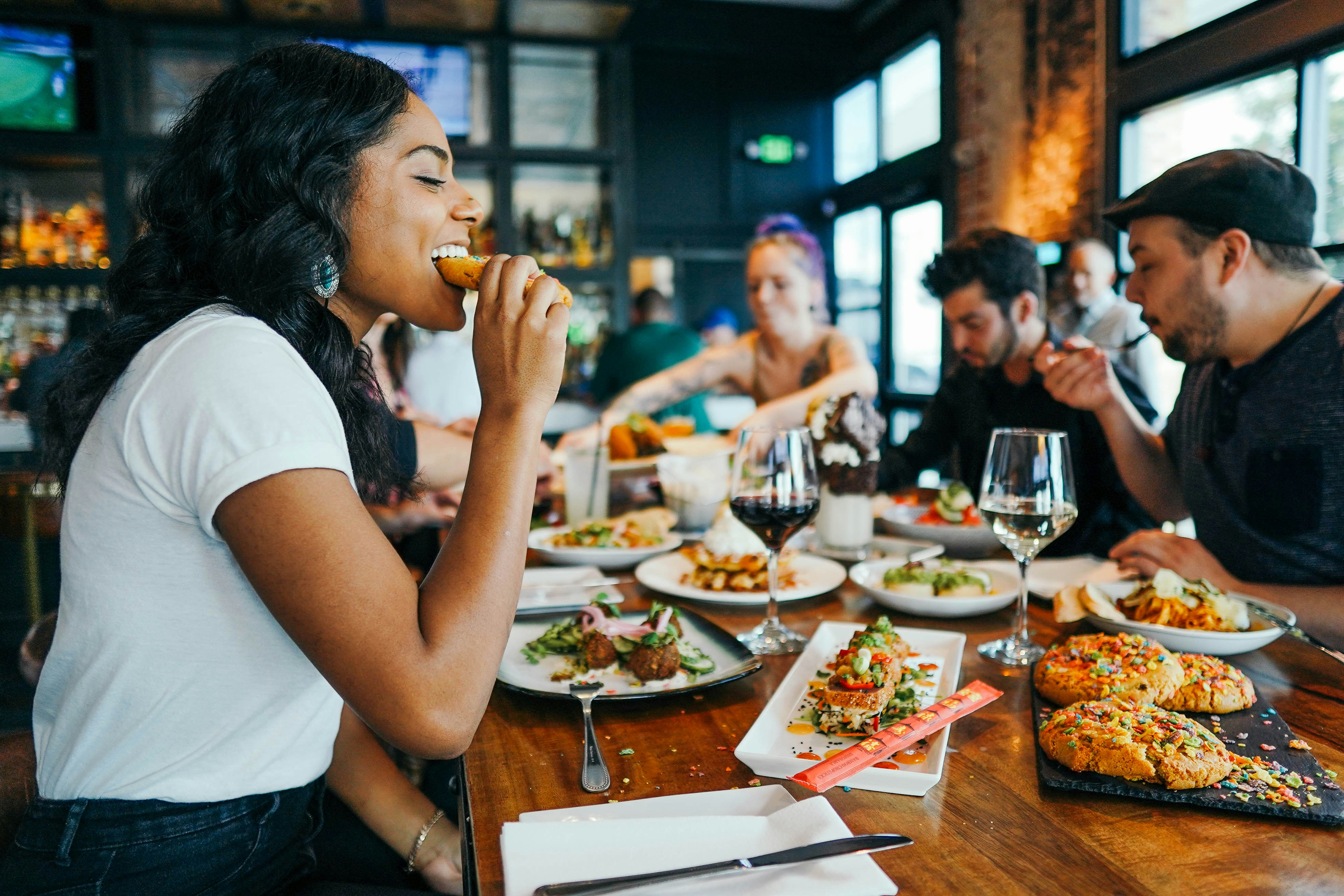
A reflective look at Habit Ranch, its immersive desert activation, and what it signals for brand loyalty and mindful, experiential dining.
May 14, 2026

Unlock Exclusive Access To Webinars, Events, And The Latest News For Free!
A refined look at Krispy Kreme's multi-channel growth: global access, digital momentum, and a capital-light reshaping of its footprint toward profitability.
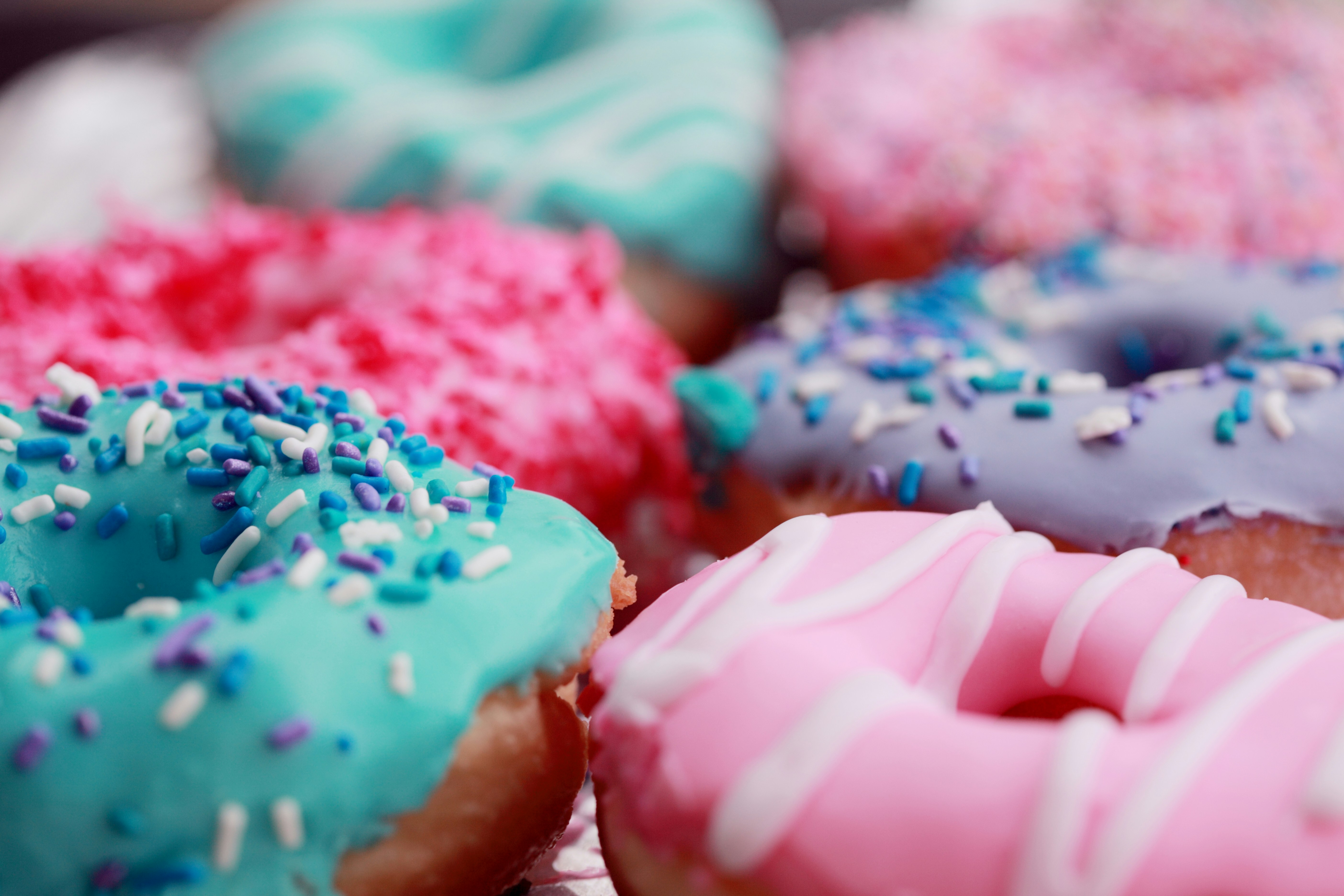
Photo by Alexander Grey
Krispy Kreme enters 2026 with a refined, multi‑channel growth narrative—a blend of a broadened global footprint, digital momentum, and a disciplined operating rhythm. The second quarter of 2024 offers a telling prologue: net revenue of $438.8 million, up 7.3% year over year, with organic revenue climbing 7.8% as omnichannel strategies deepen. The arithmetic of expansion is persuasive: more doors translate to more demand. Global Points of Access rose 23.2% to 15,853, signaling a deliberate push to diversify beyond the traditional storefronts. In context, the company closed 2023 just above 14,000 points of access, a pace of acceleration that invites closer scrutiny of what fuels this growth:
The horizon, then, invites a closer look at what fuels this growth and how Krispy Kreme intends to sustain it. The numbers are not mere arithmetic; they are a map of access—doors opening, orders flowing, and a brand positioning itself to meet demand where it appears. A narrative of expansion must be balanced by the art of operation, and this is the discipline Krispy Kreme embraces as it steps forward.
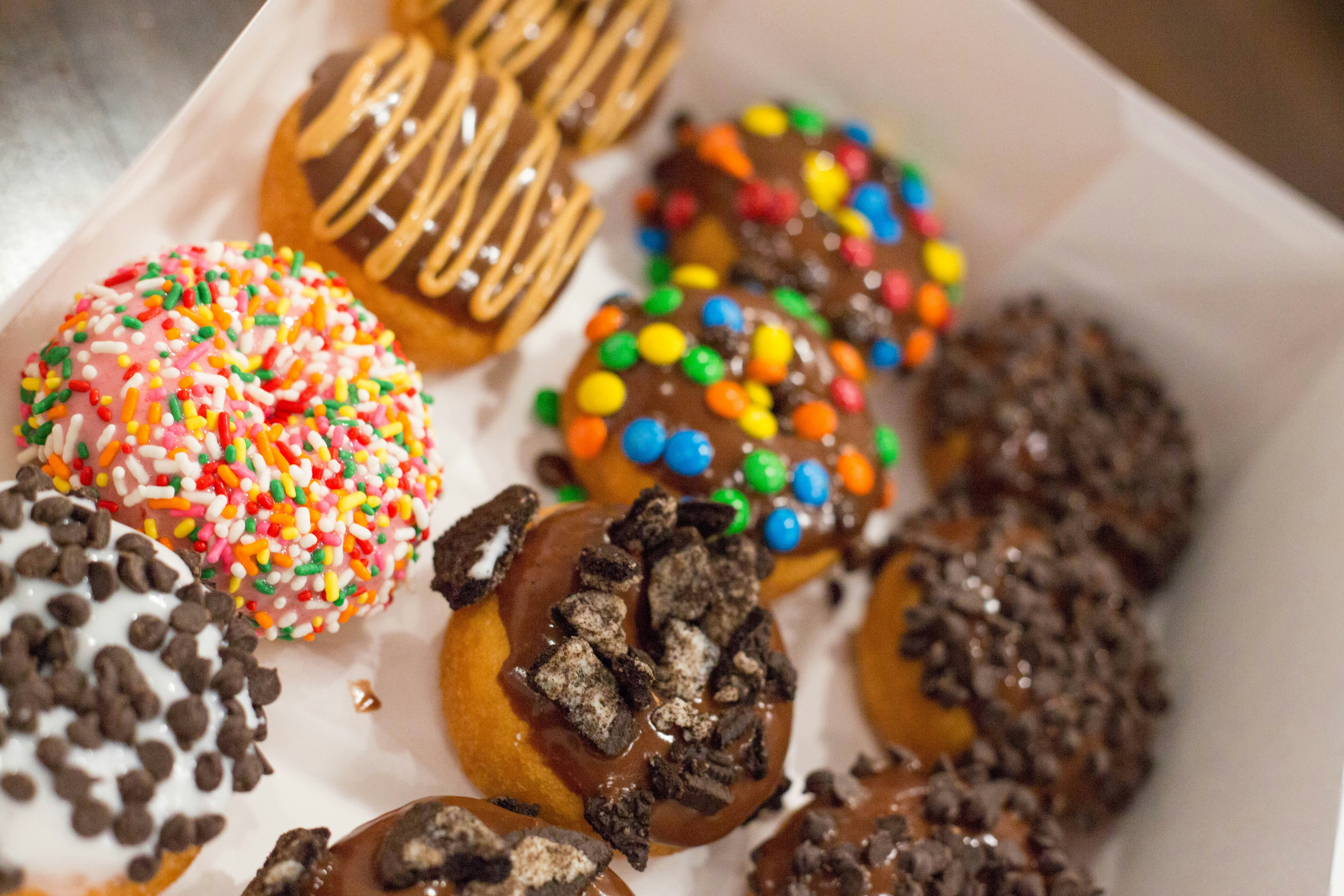
Behind the ascent lies a focused push to widen access through a widening tapestry of markets and partnerships. Expansions into Spain and Morocco mark the global thread, while collaborations such as Dolly Parton Southern Sweets and Kit Kat broaden consumer engagement. Digital sales have surged as e-commerce and mobile ordering become everyday routes to the brand, and Delivered Fresh Daily (DFD) sales extend Krispy Kreme’s reach into grocery and convenience aisles. The US‑led momentum remains central, with plans to push fresh doughnuts into high‑volume doors like McDonald’s restaurants, a move designed to extend access well beyond existing walls.
The expansion reflects more than geography; it is a recalibration of the consumer path. Digital engagement fuels orders placed from living rooms and handhelds alike, while grocery and convenience placements turn every shopping aisle into a potential Krispy Kreme moment. The choreography is clear: widen access, deepen availability, and let the brand appear where cravings are most likely to strike, whether through an app, a drive‑thru, or a grocery checkout.