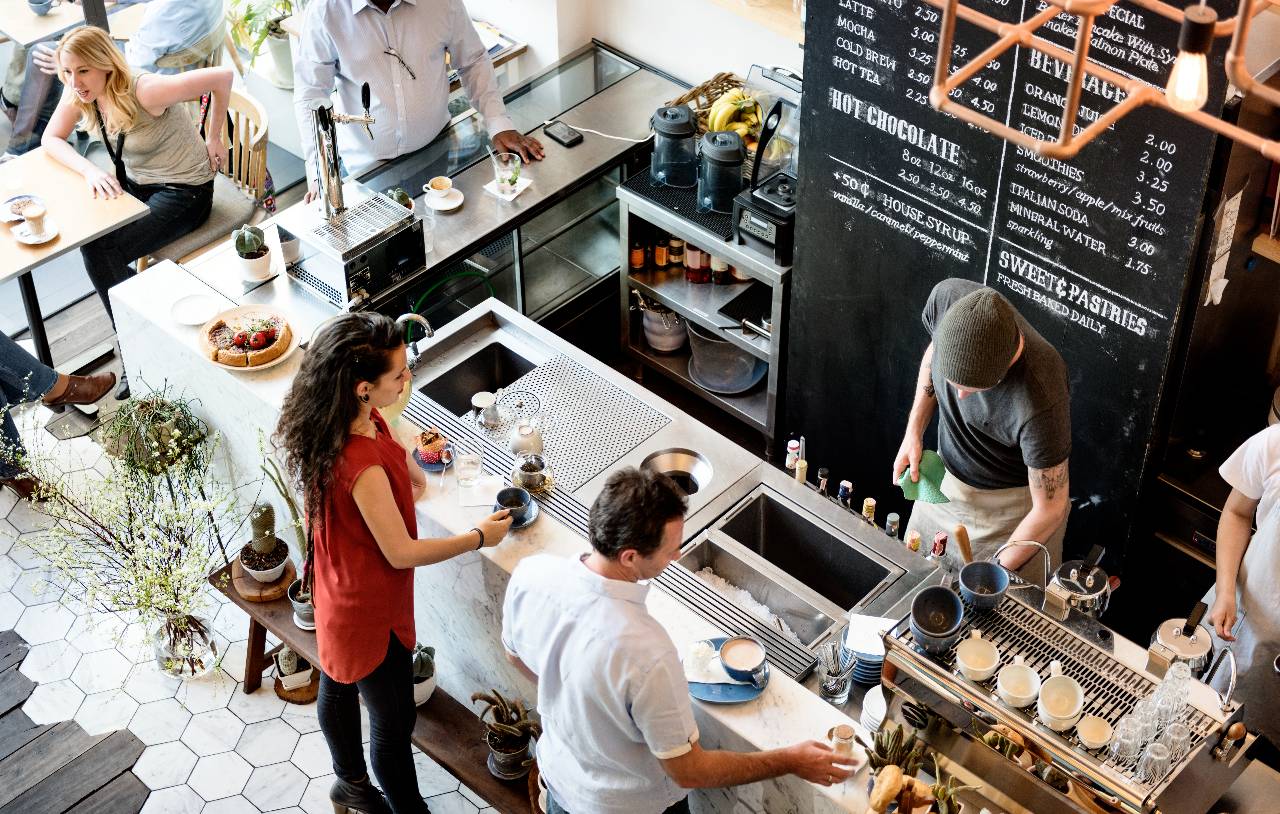
How Much Does It Cost to Open a Coffee Shop in 2026?
Opening a coffee shop in 2026 requires careful cost planning across rent, equipment, labor, technology, menu strategy, marketing, and sustainability.
operations
May 15, 2026
Opening a coffee shop in 2026 requires careful cost planning across rent, equipment, labor, technology, menu strategy, marketing, and sustainability.
May 15, 2026
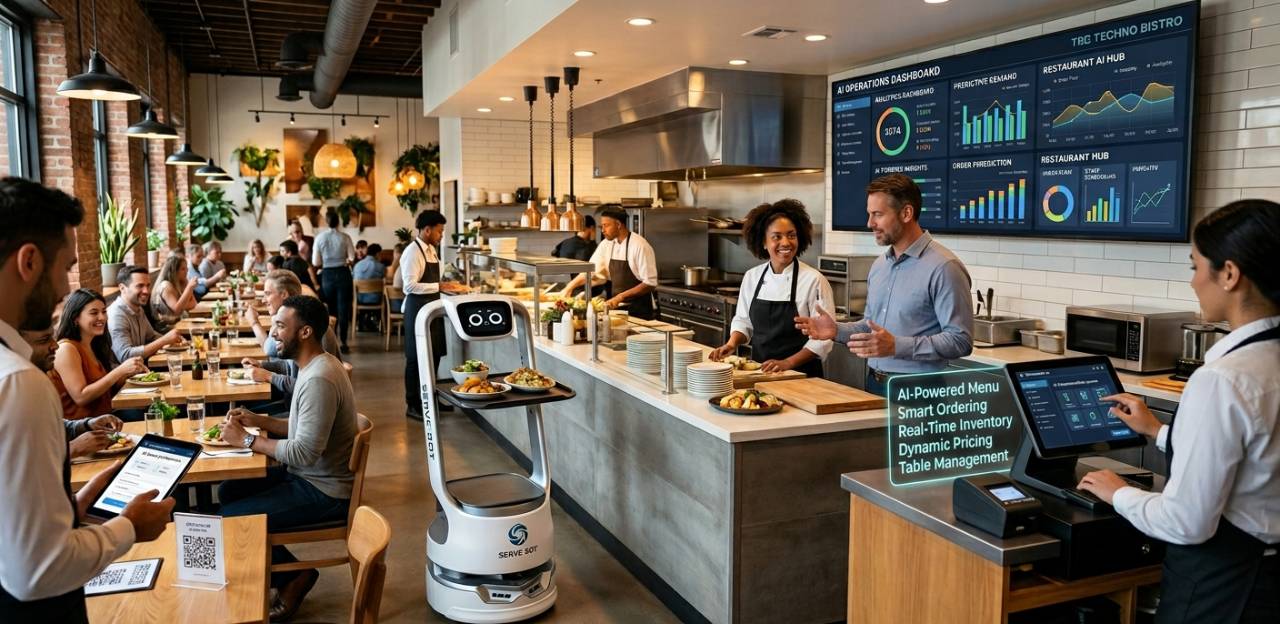
This AI playbook covers restaurant tools for voice ordering, staffing, compliance, menu pricing, inventory, marketing, ChatGPT prompts, and SEO.
May 15, 2026
Hardee’s giant Boddie-Noell inks 31-unit Scooter’s Coffee deal for NC and VA, leveraging drive-thru growth and local roots with rollout over 12–18 months.
May 15, 2026
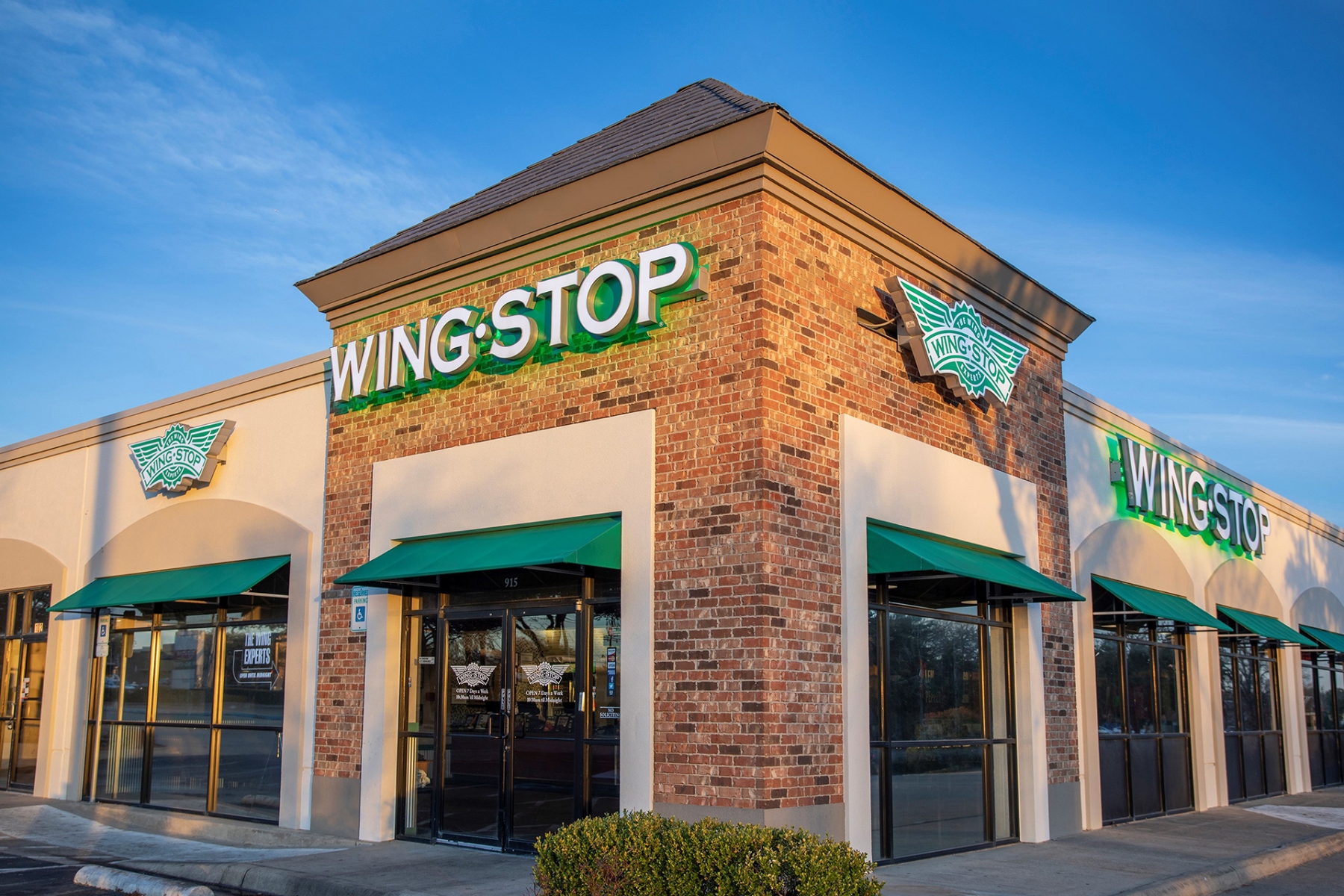
Wingstop turns match weeks into a multi-sensory festival, aligning bold pop-ups with World Cup energy to build brand affinity and measurable momentum.
May 15, 2026
The parent company behind Dunkin', Buffalo Wild Wings, and Arby's has filed for an IPO a move that could reshape how Wall Street views the restaurant sector.
May 15, 2026

Learn how to develop a memorable restaurant brand identity that stands out in a crowded market, attracts loyal customers, and drives repeat business with actionable strategies and affordable tools.
May 15, 2026
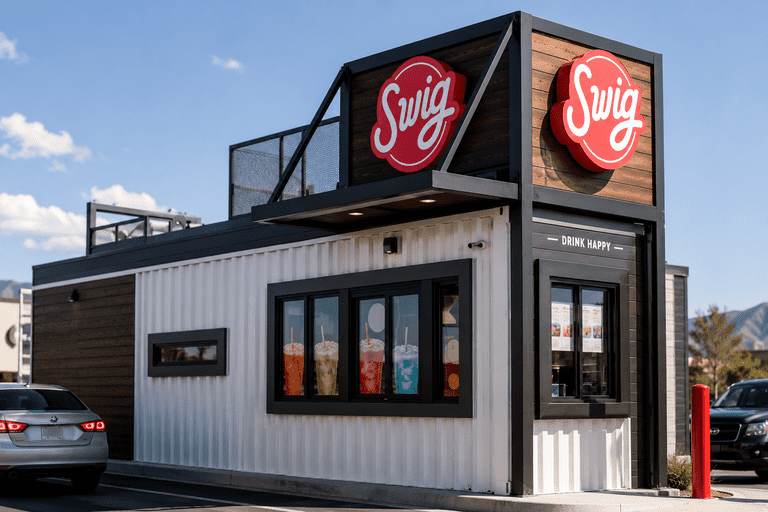
Dirty soda chain Swig is expanding into Colorado through a 10-unit franchise deal, riding a consumer beverage trend that's catching the attention of major QSR players nationwide.
May 15, 2026
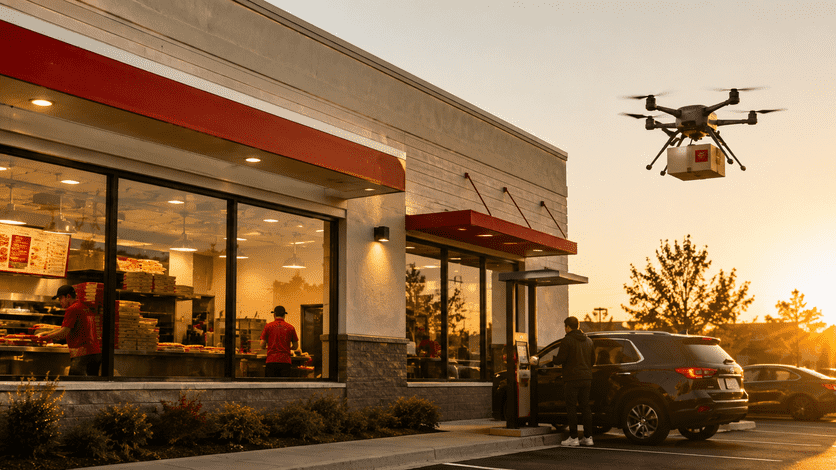
Papa Johns has teamed up with Alphabet's Wing for drone delivery of its new sandwich lineup in parts of Charlotte marking the first partnership of its kind between Wing and a national QSR brand.
May 15, 2026
A warm, expert-led look at McDonald’s Q1 results, menu makeover, and the refranchise question shaping its growth.
May 14, 2026
A reflective look at Habit Ranch, its immersive desert activation, and what it signals for brand loyalty and mindful, experiential dining.
May 14, 2026

Unlock Exclusive Access To Webinars, Events, And The Latest News For Free!
Private equity firm KKR buys Nothing Bundt Cakes from Roark Capital for over $2B, signaling a franchising boom and a growth path toward 1,000 units.
Photo by Clay Banks
As the dust settles on a marquee deal, a bakery brand shifts the landscape—not with frosting alone, but with a map of growth. KKR has agreed to acquire Nothing Bundt Cakes from Roark Capital in a transaction that, including debt, surpasses $2 billion. The moment feels less like a single close and more like a signal: capital markets are favoring concepts with warmth, repeatability, and a path to scale. The narrative begins in a Las Vegas home kitchen in 1997 and travels through a franchise ecosystem Roark has helped cultivate. In a year when investors seek predictable models, this deal reads like a careful blueprint for momentum: pastry, people, and patient planning.
"Nothing Bundt Cakes is a special brand with delicious products that are beloved by guests." said a Roark Capital spokesperson. The story contains a thread common to many growth platforms: a founder‑led, home‑grown concept tipped into a national stage by a multi‑brand owner and now a private‑equity pursuer. It is a moment of quiet optimism about what disciplined scaling can do when warmth and consistency drive repeat visits, even as questions about pace linger just beneath the glaze.
Nothing Bundt Cakes—launched in 1997 by Dena Tripp and Debbie Shwetz—has grown into a national platform with a footprint that stakeholders vary in counting: some estimates place the network above 500 bakeries, others closer to 700 across the United States and Canada. Roark acquired the brand in 2021, setting the stage for a high‑velocity expansion: 51 openings in 2022, 84 in 2023, and 101 in 2024. The leadership has signaled ambitions to exceed 100 openings a year and to reach 1,000 units by 2027, a growth engine that makes the brand especially appealing to a buyer like KKR, which brings deep resources to bear on scale.
50+ openings in 2022–2024 illustrate a momentum that public markets and lenders watch closely. The brand today reports revenue near $850 million, with average unit sales around $1.4–$1.5 million per year and top performers exceeding $2.4 million. Reuters, citing market chatter, suggests EBITDA may approach $120 million by 2026. Beyond the numbers, the sense is simple: a scalable bakery concept that can be replicated with discipline across borders and communities.
The mechanics of the sale unfold with the cadence of a well‑tuned oven timer: Roark led with advisory partners North Point and Bank of America, and the price is described as exceeding $2 billion including debt. The buyer, KKR, steps in as a co‑owner, bringing capital discipline and governance to a growth platform already primed for national and international expansion. In Roark’s communications, the deal reads as an orderly exit that preserves brand integrity while offering the scale needed to accelerate momentum.
"Nothing Bundt Cakes is a special brand with delicious products that are beloved by guests." echoed again in Roark’s messaging as the partnership shifts. The deal positions KKR as a steward of a proven unit‑economics model, with $744 billion in assets under management on its side, signaling capital that can press for accelerated development while maintaining brand fidelity. The overarching intent, repeatedly stated, is to reach 1,000 units by 2027 and sustain robust openings year after year.
The Nothing Bundt Cakes–KKR transaction sits within a broader narrative: private equity remains hungry for established, scalable concepts that operate on simple, repeatable formats. Analysts describe a market where a comforting product, local store formats, and predictable unit economics can attract sizable equity commitments and strategic guidance from asset managers like KKR. The deal reinforces a trend toward consolidating franchise platforms under disciplined governance, where growth milestones are paired with a steady path to profitability.
Industry observers frame the expansion as less about novelty and more about sustainable scale. The appeal lies in a simple product, accessible formats, and a steady stream of demand that translates into manageable capital expenditure and predictable returns. In this light, Nothing Bundt Cakes becomes a case study in how a beloved bakery can evolve into a growth platform without losing its essential warmth.
Despite a strong growth thesis, several uncertainties accompany the deal and the brand’s ambitious plans. Absolute counts of Nothing Bundt Cakes locations vary: some sources cite over 500, others hover near 700, and press materials in 2025 celebrated a 700th bakery milestone. The aspirational goal of surpassing 1,000 units by 2027 remains conditional on franchise approvals, supply chains, and labor dynamics at scale. External factors—labor trends and local regulations—can influence unit economics just as surely as customer demand can.
Even a celebrated milestone is tempered by reality: settlements in places like New York City over scheduling practices hint at a broader environment that could shape franchise relationships and the speed of rollout. The deal’s promise rests on balancing accelerated development with the reliability that franchise partners, lenders, and guests rightly expect from a systematic, brand‑protective growth engine.