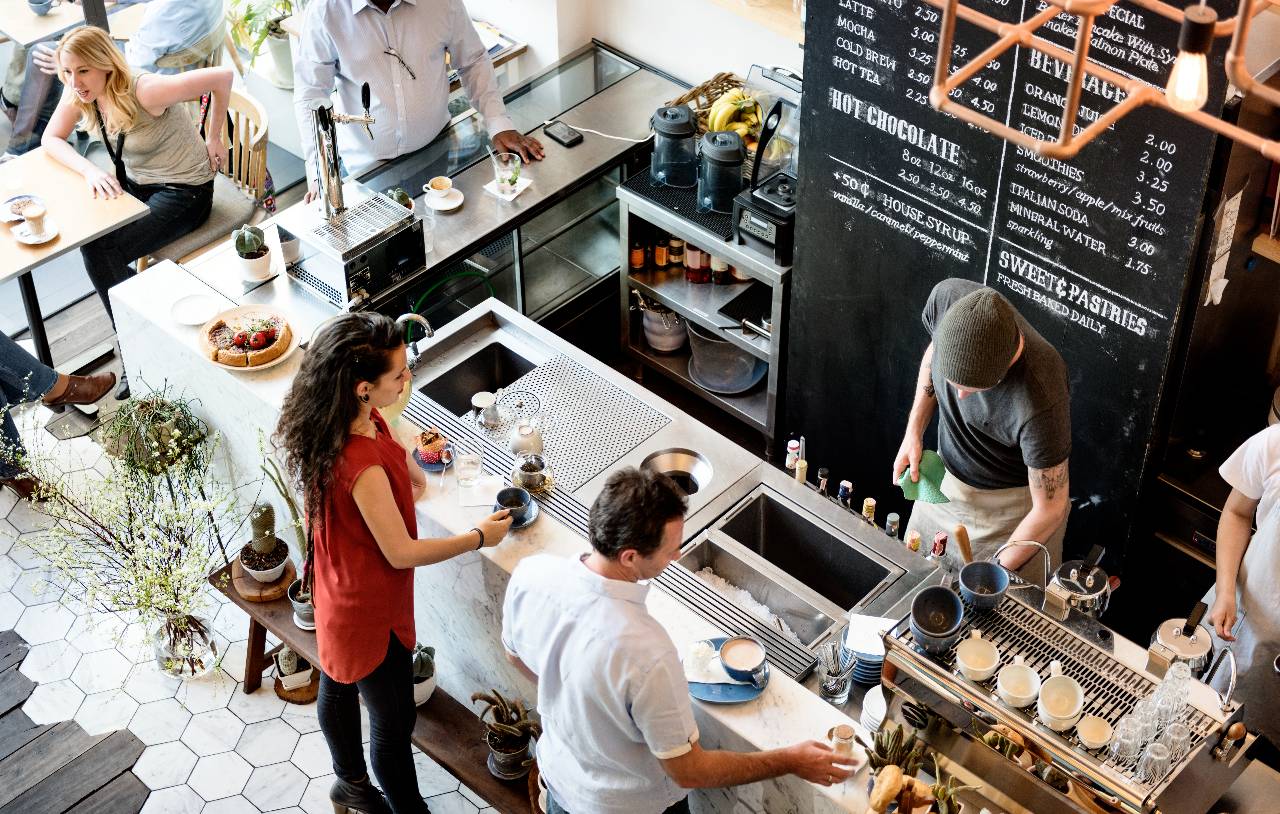
How Much Does It Cost to Open a Coffee Shop in 2026?
Opening a coffee shop in 2026 requires careful cost planning across rent, equipment, labor, technology, menu strategy, marketing, and sustainability.
operations
May 15, 2026
Opening a coffee shop in 2026 requires careful cost planning across rent, equipment, labor, technology, menu strategy, marketing, and sustainability.
May 15, 2026
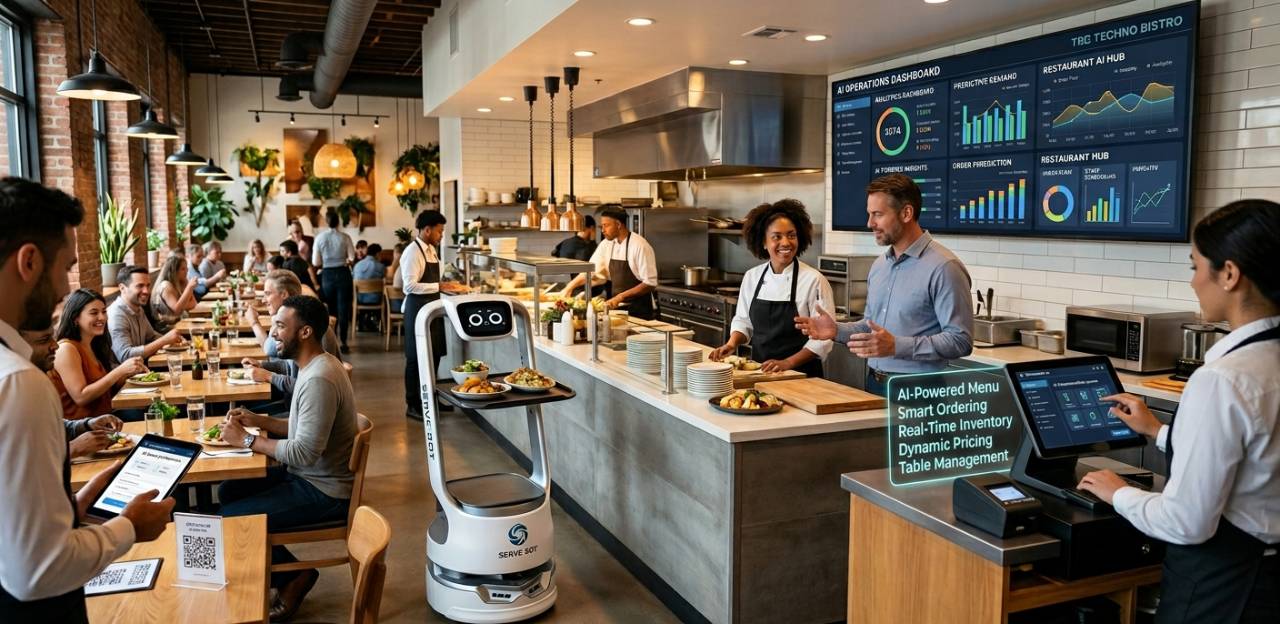
This AI playbook covers restaurant tools for voice ordering, staffing, compliance, menu pricing, inventory, marketing, ChatGPT prompts, and SEO.
May 15, 2026
Hardee’s giant Boddie-Noell inks 31-unit Scooter’s Coffee deal for NC and VA, leveraging drive-thru growth and local roots with rollout over 12–18 months.
May 15, 2026
Wingstop turns match weeks into a multi-sensory festival, aligning bold pop-ups with World Cup energy to build brand affinity and measurable momentum.
May 15, 2026
The parent company behind Dunkin', Buffalo Wild Wings, and Arby's has filed for an IPO a move that could reshape how Wall Street views the restaurant sector.
May 15, 2026

Learn how to develop a memorable restaurant brand identity that stands out in a crowded market, attracts loyal customers, and drives repeat business with actionable strategies and affordable tools.
May 15, 2026
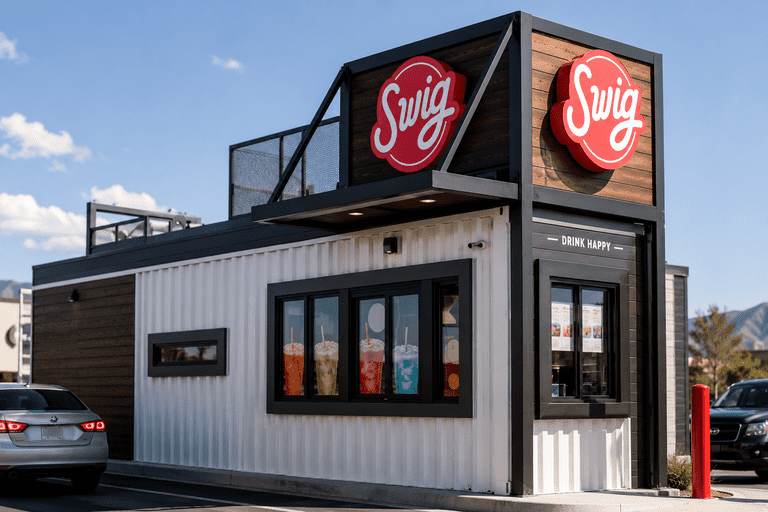
Dirty soda chain Swig is expanding into Colorado through a 10-unit franchise deal, riding a consumer beverage trend that's catching the attention of major QSR players nationwide.
May 15, 2026
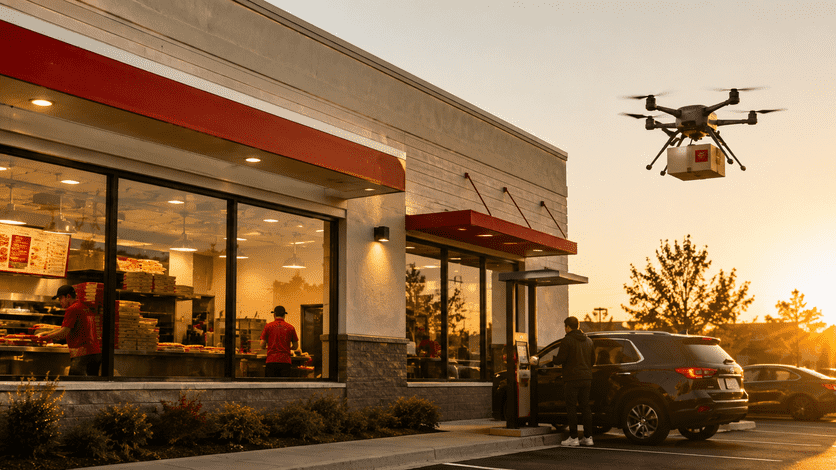
Papa Johns has teamed up with Alphabet's Wing for drone delivery of its new sandwich lineup in parts of Charlotte marking the first partnership of its kind between Wing and a national QSR brand.
May 15, 2026
A warm, expert-led look at McDonald’s Q1 results, menu makeover, and the refranchise question shaping its growth.
May 14, 2026
A reflective look at Habit Ranch, its immersive desert activation, and what it signals for brand loyalty and mindful, experiential dining.
May 14, 2026

Unlock Exclusive Access To Webinars, Events, And The Latest News For Free!
Jack in the Box announces a CFO transition as Dawn Hooper steps in as interim leader, ensuring continuity across its multi-brand portfolio.
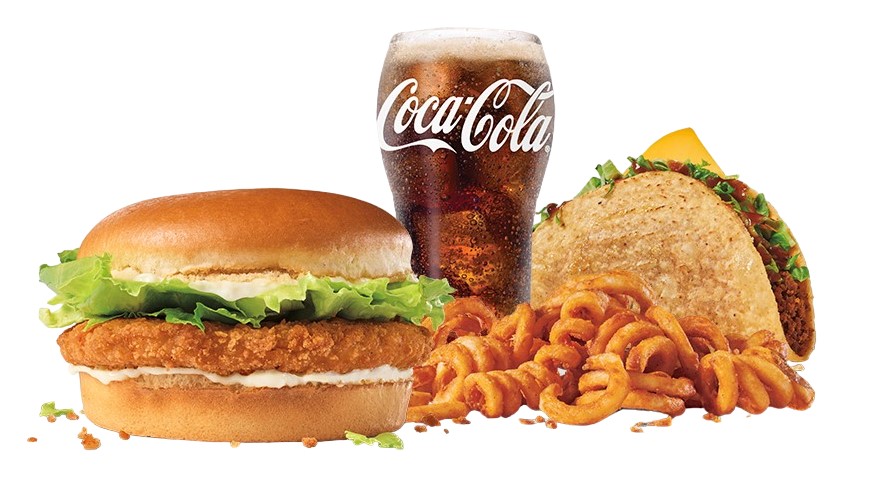
Jack in the Box is navigating a CFO transition that tests leadership continuity as the company steers a broad, multi-brand operation. Brian Scott will exit with his last day on November 20, and Dawn Hooper, a Jack in the Box veteran of 24 years, will step into the role of principal financial officer on November 1 and become interim CFO once Scott departs. The breadth of the business is clear: about 2,200 Jack in the Box restaurants across 21 states, alongside Del Taco with roughly 600 locations across 16 states. This is a measured handoff, not a disruption, but the scale makes it consequential for investors and operators alike.
2 brands, one finance function demands stability at the top. The company frames the transition as a move to preserve financial discipline, uphold reporting integrity, and sustain strategic execution across both Jack in the Box and Del Taco as it pursues growth and shareholder value. The timetable signals intent: continuity at the helm during the search for a permanent successor, with Hooper positioned to guide the balance sheet while leadership searches proceed.
Arrival of a veteran finance leader in a moment of governance focus is noteworthy. The change places Dawn Hooper firmly in the spotlight as the company emphasizes continuity and proven expertise at the top of the finance function. With the board stewarding both Jack in the Box and Del Taco, the transition is about steady hands guiding governance and performance through a period of change.
From a practical standpoint, the move aims to uphold financial discipline, maintain accurate reporting, and sustain strategic execution across the portfolio as growth opportunities are evaluated. Hooper’s long tenure and prior experience in interim roles are framed as a stabilizing factor, assuring investors, employees, and franchise partners that the core controls stay intact while leadership searches proceed.
Interim leadership defined captures the mechanics of the handoff. Hooper will assume the principal financial officer role on November 1, then serve as interim CFO once Scott’s last day arrives on November 20, continuing in that capacity until a permanent replacement is named. The design aligns with Jack in the Box’s goal of operational continuity while the board conducts a thorough search for a lasting financial leader. The structure leverages Hooper’s institutional knowledge and prior interim assignments to keep the finance machine humming.
This sequencing keeps the financial stewardship steady across a portfolio that spans 2,200 restaurants in 21 states and Del Taco across 600 locations in 16 states. In practical terms, it avoids rough edges in budgeting, reporting, and capital planning during the transition and supports uninterrupted investor relations and lender communications.
Darin Harris, the company’s CEO, publicly acknowledged Brian Scott’s contributions and expressed confidence in Dawn Hooper to lead through the next phase of growth and governance. The tone from the C-suite is calm and forward‑looking, signaling that the handoff is designed to preserve momentum for both brands and for partners across the network. The messaging centers on continuity, experienced governance, and a steady hand at the wheel as expectations shift to a long-term trajectory.
Timeline and financial impact are explicit in the plan: Scott’s last day is November 20, while Hooper steps into the interim CFO role on November 1 and remains there until a permanent successor is named. The sequencing is designed to minimize disruption in financial stewardship as the organization oversees the multi-brand footprint and prepares for ongoing investor and lender communications. For stakeholders, a clear timetable provides a framework for ongoing planning and reporting during the transition.
Scale and strategy intensify the need for steady leadership in a multi-brand portfolio. The dual-brand structure, Jack in the Box and Del Taco, adds complexity to store economics, capital allocation, and cost controls. The company’s operations rely on tens of thousands of employees and a broad footprint, making the finance function a critical success factor. In this context, leadership continuity at the top is not optional—it’s the foundation that supports partnerships, promotions, and everyday fiscal discipline.
Strategic context sees the company pressing growth through partnerships and campaigns—co-branding efforts and digital initiatives designed to keep both brands relevant with evolving consumer trends. That strategy hinges on a finance function that can assess risk, quantify return, and execute with accountability. Hooper’s steady leadership during the transition is framed as a guarantee that these initiatives won’t lose momentum as the board charts the roadmap for long‑term value.
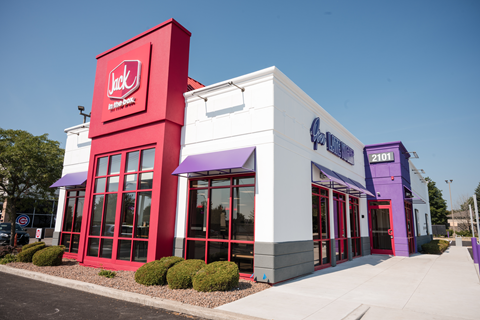
Yet the obvious question remains: who will wear the permanent CFO hat? The public record points to a careful, multi‑stage search, with Hooper serving as interim CFO during the process. The board’s priority is a candidate who can sustain long‑term shareholder value while maintaining rigorous controls. In a dynamic operating environment, that choice will signal how the company intends to navigate the years ahead.
Next steps see the company leaning on ongoing partnerships and calculated campaigns while stability under Hooper steadies reporting and governance. The ultimate test is the board’s ability to recruit a permanent CFO who can steer financial strategy through evolving opportunities and risks. The horizon will be defined by that appointment and how investors interpret the board’s pace and criteria for the next phase.