How Much Does It Cost to Open a Coffee Shop in 2026?
Opening a coffee shop in 2026 requires careful cost planning across rent, equipment, labor, technology, menu strategy, marketing, and sustainability.
operations
May 15, 2026
Opening a coffee shop in 2026 requires careful cost planning across rent, equipment, labor, technology, menu strategy, marketing, and sustainability.
May 15, 2026

This AI playbook covers restaurant tools for voice ordering, staffing, compliance, menu pricing, inventory, marketing, ChatGPT prompts, and SEO.
May 15, 2026

Hardee’s giant Boddie-Noell inks 31-unit Scooter’s Coffee deal for NC and VA, leveraging drive-thru growth and local roots with rollout over 12–18 months.
May 15, 2026

Wingstop turns match weeks into a multi-sensory festival, aligning bold pop-ups with World Cup energy to build brand affinity and measurable momentum.
May 15, 2026

The parent company behind Dunkin', Buffalo Wild Wings, and Arby's has filed for an IPO a move that could reshape how Wall Street views the restaurant sector.
May 15, 2026

Learn how to develop a memorable restaurant brand identity that stands out in a crowded market, attracts loyal customers, and drives repeat business with actionable strategies and affordable tools.
May 15, 2026

Dirty soda chain Swig is expanding into Colorado through a 10-unit franchise deal, riding a consumer beverage trend that's catching the attention of major QSR players nationwide.
May 15, 2026

Papa Johns has teamed up with Alphabet's Wing for drone delivery of its new sandwich lineup in parts of Charlotte marking the first partnership of its kind between Wing and a national QSR brand.
May 15, 2026

A warm, expert-led look at McDonald’s Q1 results, menu makeover, and the refranchise question shaping its growth.
May 14, 2026

A reflective look at Habit Ranch, its immersive desert activation, and what it signals for brand loyalty and mindful, experiential dining.
May 14, 2026

Unlock Exclusive Access To Webinars, Events, And The Latest News For Free!
Private equity backs Insomnia Cookies for a national expansion to 1,800 stores as Krispy Kreme pivots to donuts.

Photo by Deng Xiang
Insomnia’s late-night promise came from a simple setup: cookies hot at your door, fast, reliable, in familiar flavors. The brand’s arc accelerated under Krispy Kreme, but the parent company chose to pivot away from rapid expansion toward its core donut business. Now a private-equity duo—Verlinvest and Mistral Equity Partners—presents a different blueprint. The deal, valued at about 172.4 million, places the brand under new ownership while Krispy Kreme keeps a minority stake. The plan is to preserve what made Insomnia dependable—the quick delivery, the consistent product, the nostalgia of a straightforward menu—while arming the business with capital and flexibility for scale. The practical question: how does this translate to everyday stores and routes to market?
Verlinvest and Mistral Equity Partners take the reins with a plan to simplify the menu, tighten supply chains, and convert more units into efficient profit centers. The arrangement is described as a recapitalization that preserves leadership while enabling aggressive expansion. The operating thesis is clear: a leaner menu, tighter supply chains, and a uniform store format that can be rolled out with repeatable results. The result should be faster cookie delivery and more consistent margins across a growing footprint. It’s the rare moment where a private-equity-backed growth engine and a classic cookie brand align on a tangible growth objective: scale without sacrificing the core promise.
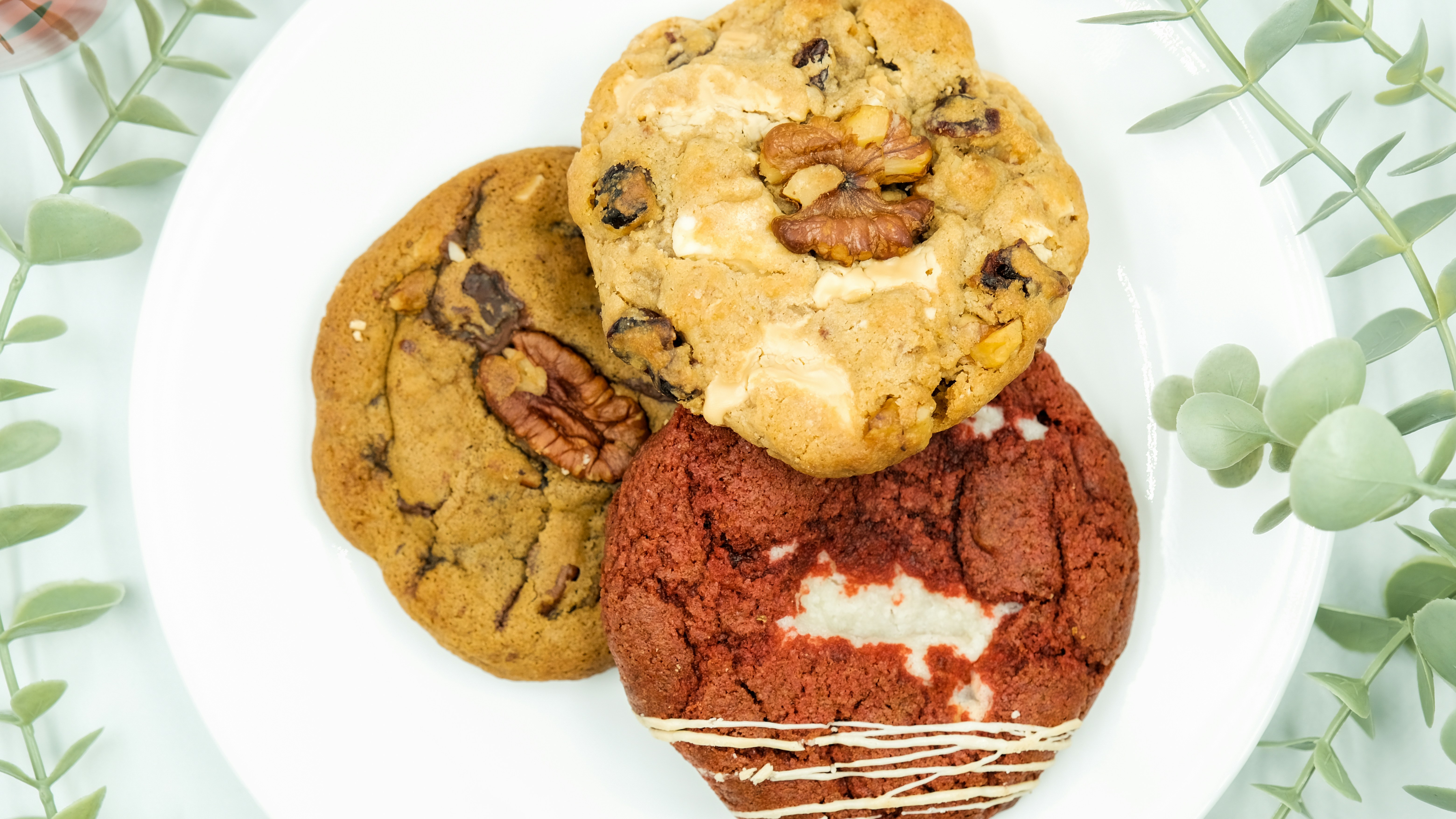
Insomnia’s story starts with a simple obsession: late-night sweetness delivered with immediacy. Seth Berkowitz, the cofounder and CEO, has emphasized that the brand’s staying power rests on reliability and a friendly, fast delivery experience. The core lineup—Chocolate Chunk, M&M’s, and Snickerdoodle—has become a touchstone for customers who value familiarity over constant novelty. The new owners aren’t ripping up that playbook. They argue growth should come from a steady, scalable system and a restrained menu, not flashy, trend-driven launches. The market, meanwhile, screams for rapid expansion—a contrast that will test the balance between legacy and scale.
Seth Berkowitz has framed the brand’s staying power around community and the comfort of a familiar, fast-delivery cookie experience. He notes that many indulgence brands rise and fade, but Insomnia’s core is anchored by a late-night craving that arrives quickly at the customer’s door. He contrasts Insomnia with newer concepts that lean on oversized, caloric profiles that feel more like cupcakes. The implication is clear: keep the classics, respect the delivery promise, and pursue controlled innovation. The tension is real: stay true to the original customers while inviting new ones through measured marketing and disciplined product development.
With Verlinvest and Mistral in control, Insomnia aims to convert more units into efficient profit centers. Krispy Kreme transitions away from the majority expansion role while maintaining a stake, a choice that helps align cost discipline with a scalable model. The operating plan centers on a standardized store model, streamlined supply chains, and a capital cadence that supports rapid but disciplined growth. Leadership remains in familiar hands, reducing the fear that a new owner means chaos. The result should be a national network built on repeatable processes rather than bespoke, one-off openings. Lean cost structure and recapitalization are the guardrails.
Private-equity-backed growth engine is the guiding phrase here. The strategy leans on disciplined unit economics and a standardized supply chain to push scale without letting margins slip. The risk, clearly stated, is to avoid a rapid, disorderly expansion that damages delivery times and customer trust. The real-world test will be execution: can Insomnia keep delivery times fast and maintain uniform store formats while hitting a much larger number of locations? Industry watchers will track the balance between ambition and operational spine as openings accelerate.
The ambition is straightforward and audacious: reach about 1,800 stores within the next decade. That’s more than a sixfold jump from a footprint in the mid-200s. The move is anchored in a private-equity growth philosophy that favors controlled scale, standardized operations, and an ecosystem where delivery remains lightning-quick even as fleets expand. Industry insiders point to a milestone of roughly 350 global locations by 2025 as a stepping stone, signaling belief that international and domestic opportunities can line up with a classics-first menu. The real test is maintaining unit economics while expanding at pace.
Second-fastest growing dessert concept in industry chatter, Insomnia sits just behind Crumbl in forward-looking growth. Market observers say the sector’s pull—social-media buzz, franchise economics, and real estate strategy—will shape how quickly the chain translates plans into real store counts and sustained profitability. The Krispy Kreme divestiture adds another layer for forecasting, signaling a re-calibration of expectations as new capital partners steer the ship. The practical takeaway: scale is possible, but only with disciplined real estate, careful cost control, and a reliable delivery backbone as your core competitive advantage.
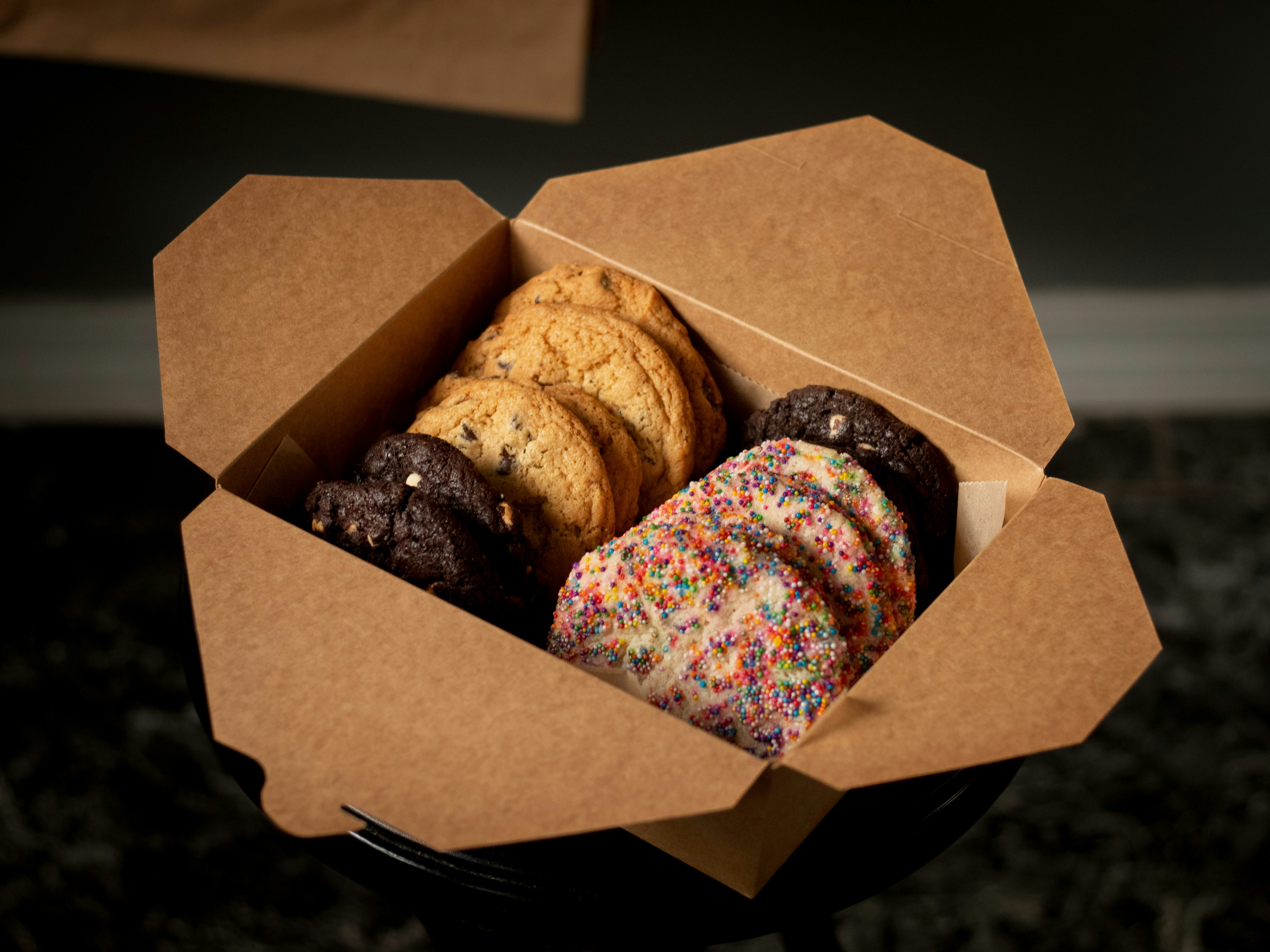
In a noisy dessert landscape, Insomnia bets on two pillars: warm, fast delivery and selective cookie innovation. The brand leans into collaborations tied to entertainment franchises and big events to create engagement moments that feel authentic to its comfort-forward DNA. The aim is to stay true to the classics while leveraging a few well-chosen partnerships to broaden reach. That disciplined approach—lean menu, clear brand voice, efficient operations—is meant to translate into sustained growth rather than chasing every flavor trend. It’s a pragmatic play: scale without losing the essence that won the early fans.
Pace vs profitability becomes the defining tension as openings accelerate. The divestiture’s impact on Krispy Kreme’s quarterly results adds a layer of financial scrutiny to Insomnia’s trajectory, and industry observers will watch how costs, supply chains, and franchise development unfold at scale. The practical takeaway for operators and investors is blunt: sustainable growth comes from a classics-first menu, efficient operations, and a steady marketing rhythm—not just a big check. The next decade could redefine how classic cookies compete in a capital-intensive landscape.