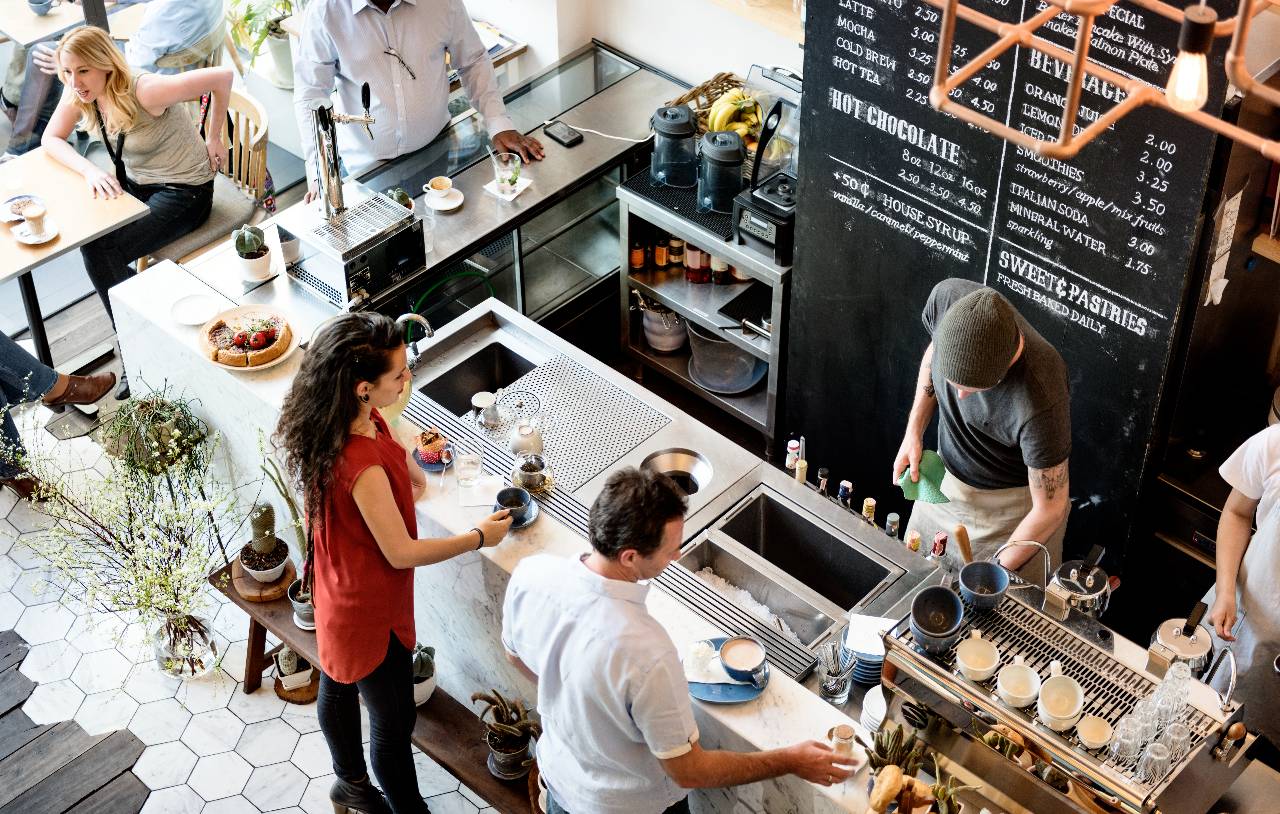
How Much Does It Cost to Open a Coffee Shop in 2026?
Opening a coffee shop in 2026 requires careful cost planning across rent, equipment, labor, technology, menu strategy, marketing, and sustainability.
operations
May 15, 2026
Opening a coffee shop in 2026 requires careful cost planning across rent, equipment, labor, technology, menu strategy, marketing, and sustainability.
May 15, 2026
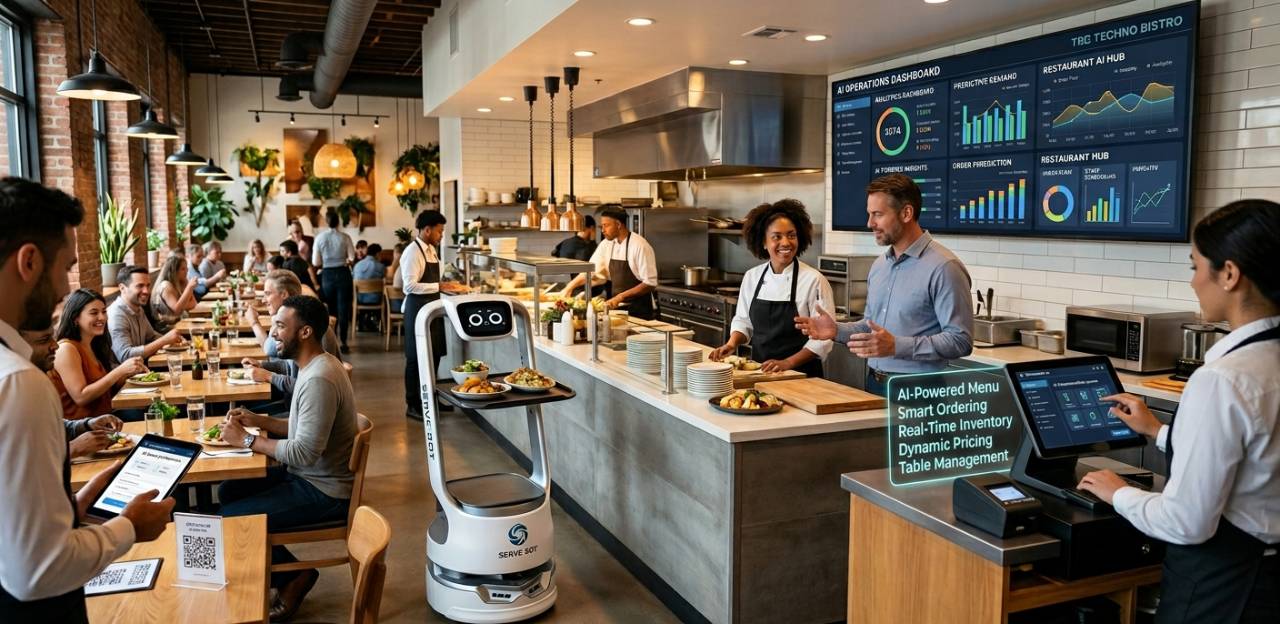
This AI playbook covers restaurant tools for voice ordering, staffing, compliance, menu pricing, inventory, marketing, ChatGPT prompts, and SEO.
May 15, 2026
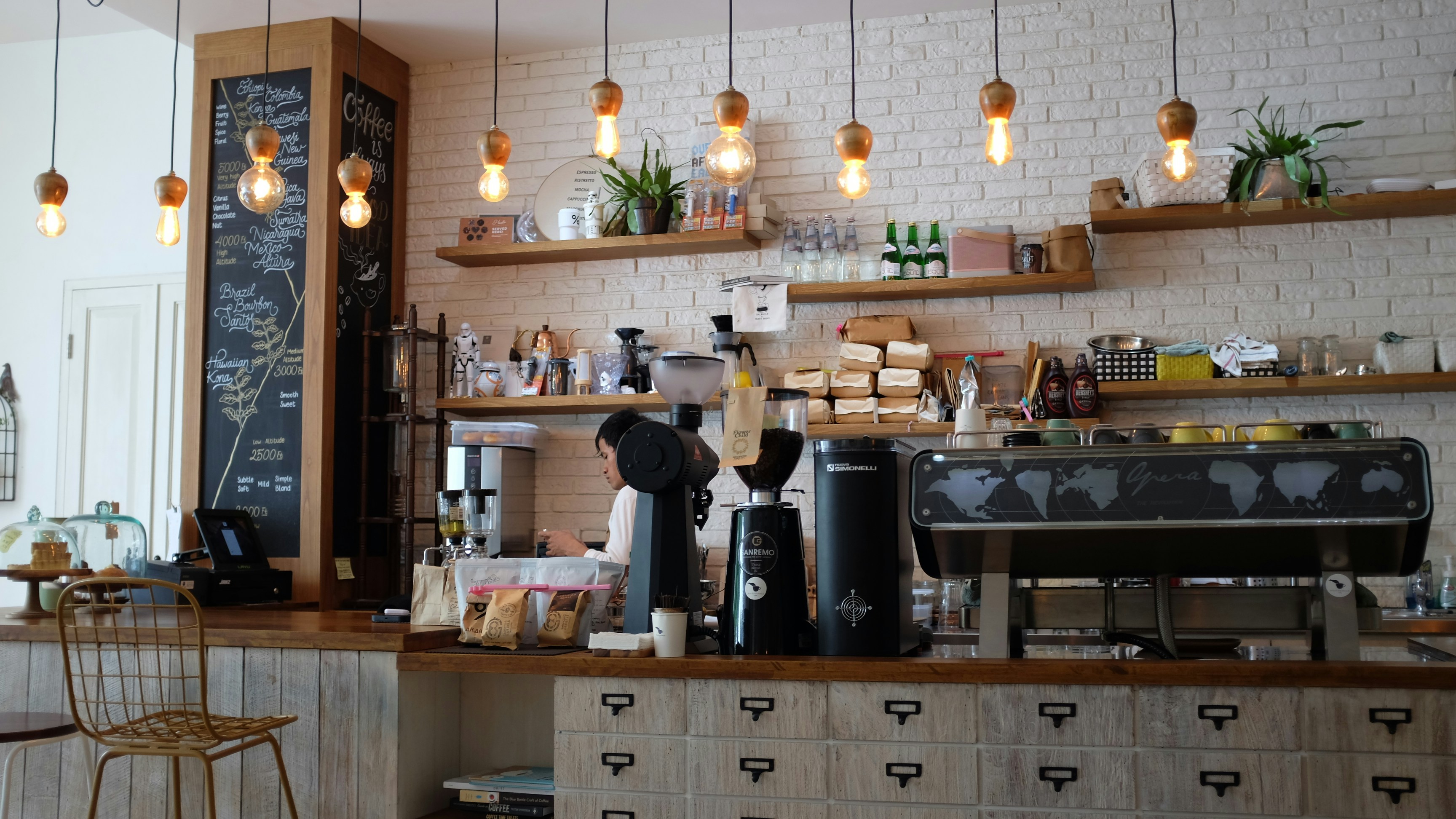
Hardee’s giant Boddie-Noell inks 31-unit Scooter’s Coffee deal for NC and VA, leveraging drive-thru growth and local roots with rollout over 12–18 months.
May 15, 2026
Wingstop turns match weeks into a multi-sensory festival, aligning bold pop-ups with World Cup energy to build brand affinity and measurable momentum.
May 15, 2026
The parent company behind Dunkin', Buffalo Wild Wings, and Arby's has filed for an IPO a move that could reshape how Wall Street views the restaurant sector.
May 15, 2026

Learn how to develop a memorable restaurant brand identity that stands out in a crowded market, attracts loyal customers, and drives repeat business with actionable strategies and affordable tools.
May 15, 2026
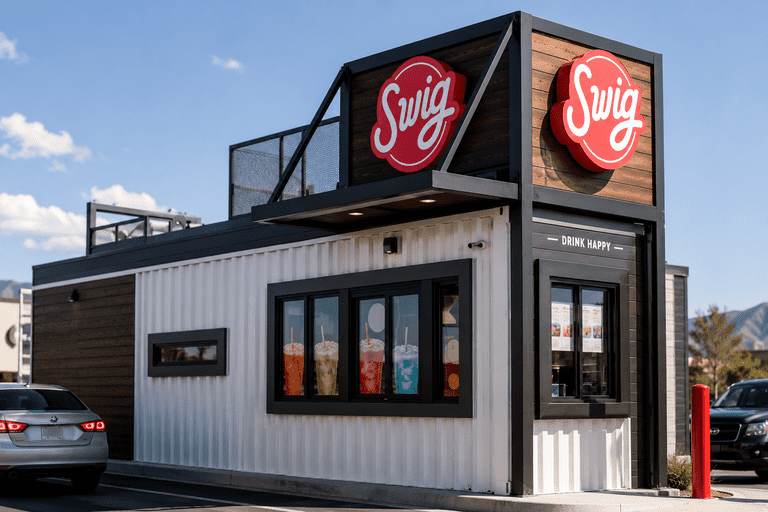
Dirty soda chain Swig is expanding into Colorado through a 10-unit franchise deal, riding a consumer beverage trend that's catching the attention of major QSR players nationwide.
May 15, 2026
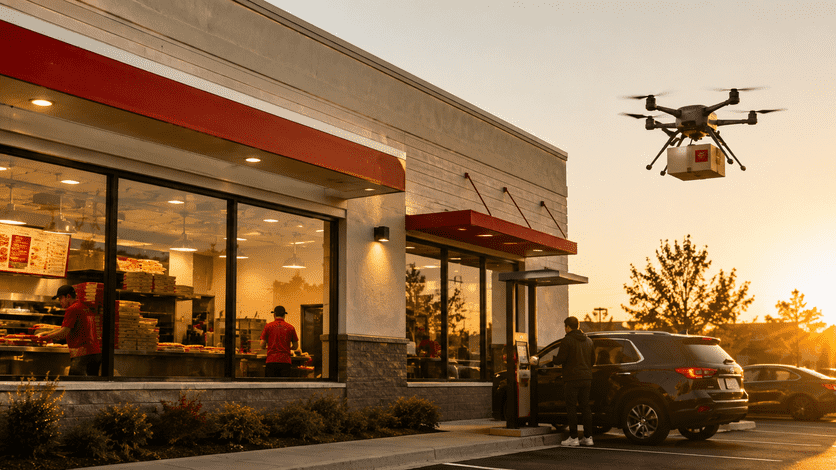
Papa Johns has teamed up with Alphabet's Wing for drone delivery of its new sandwich lineup in parts of Charlotte marking the first partnership of its kind between Wing and a national QSR brand.
May 15, 2026
A warm, expert-led look at McDonald’s Q1 results, menu makeover, and the refranchise question shaping its growth.
May 14, 2026
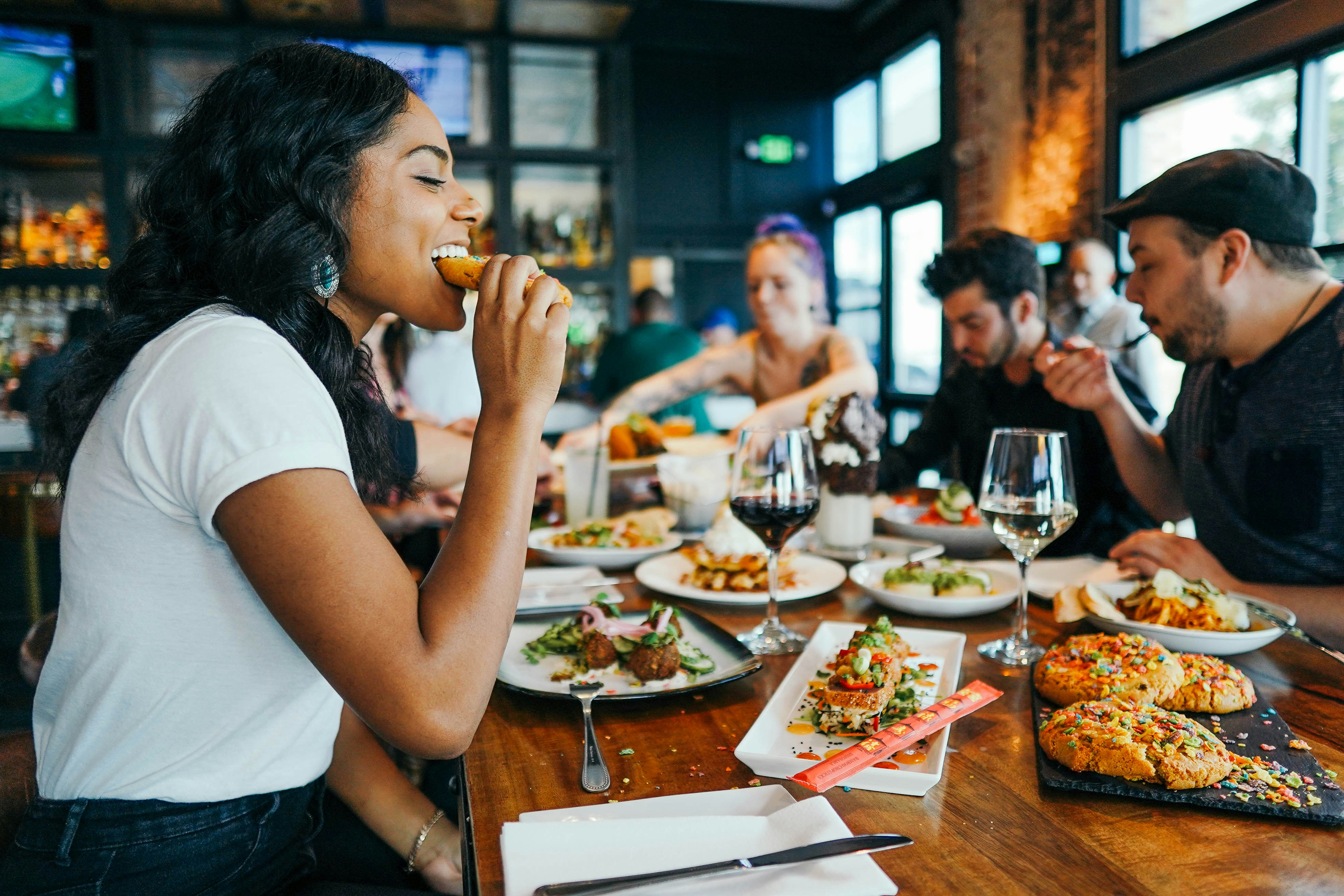
A reflective look at Habit Ranch, its immersive desert activation, and what it signals for brand loyalty and mindful, experiential dining.
May 14, 2026

Unlock Exclusive Access To Webinars, Events, And The Latest News For Free!
Explore the recent changes in U.S. trade policies, including tariffs on China and their impact on the global economy. Understand the implications of the ongoing trade war and its consequences on international trade.
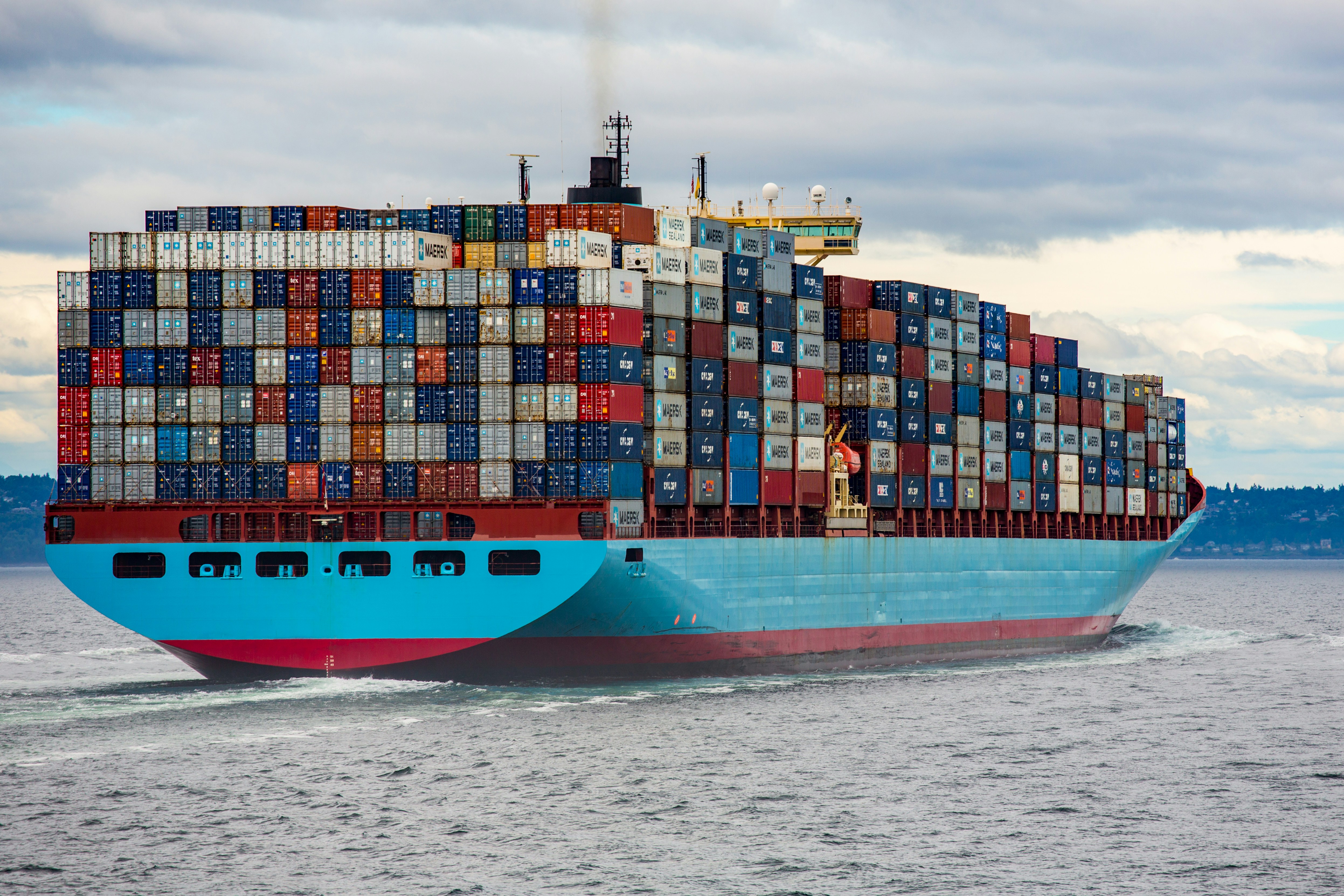
Photo by Ian Taylor
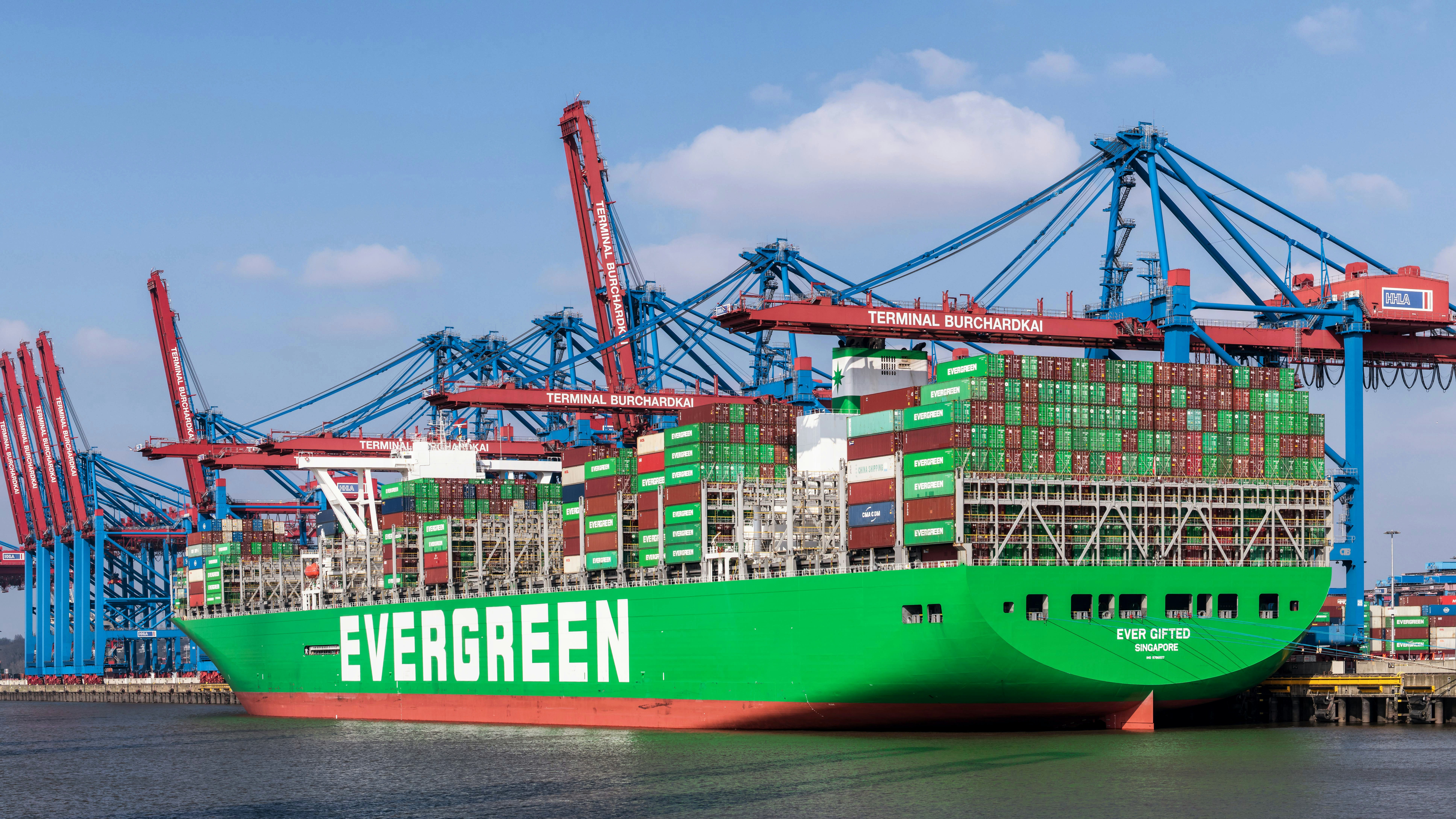
Photo by Ian Taylor
The recent announcement by President Donald Trump regarding the pause in most country-specific tariffs for 90 days coupled with the significant increase in duties on imports from China to 125% has sparked discussions worldwide. While the majority of countries will maintain a 10% baseline tariff, sector-specific tariffs are set to remain in place, signifying a complex shift in U.S. trade policy dynamics.
Canada and Mexico, despite their established trade relationships with the U.S., face the burden of a 25% tariff on non-USMCA-compliant goods. Additionally, sector-specific duties on vital products like steel, aluminum, and automotive goods are still enforced, impacting the economic ties between these countries and the U.S.

Photo by Ian Taylor
The decision to pause reciprocal tariffs by President Trump reflects a strategic approach amidst increasing engagement with over 75 countries seeking trade negotiations. Notably, countries like Japan, Vietnam, South Korea, and India are positioned prominently in this negotiation landscape. Nevertheless, the ongoing trade war escalation with China paints a contrasting picture, with both countries imposing substantial tariffs on each other, setting the stage for intensified economic strain.
The tit-for-tat approach in tariffs between the U.S. and China, accounting for a significant portion of global trade, poses severe risks to the global economic outlook. The potential reduction in merchandise trade between these giants, as per projections by the World Trade Organization, could lead to a substantial decrease in the global real gross domestic product, painting a grim picture for international trade.