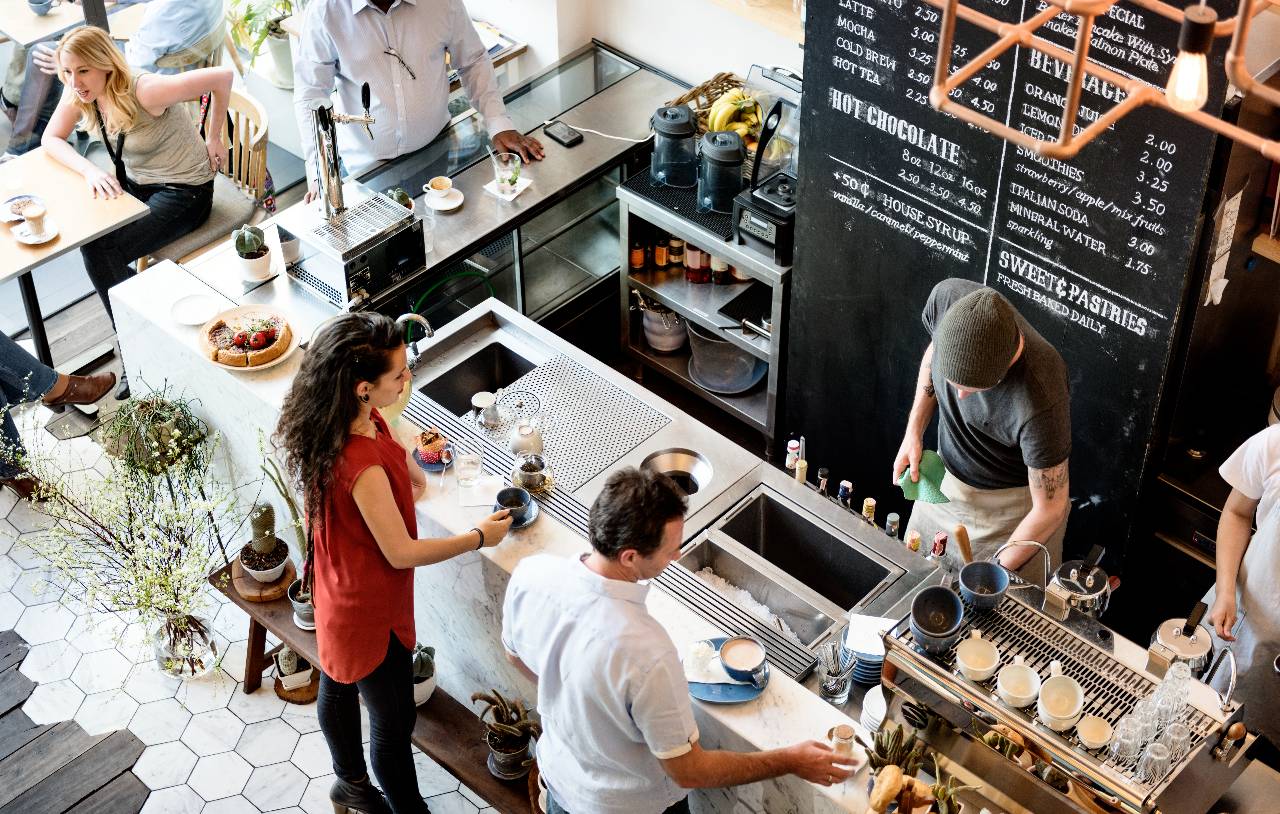
How Much Does It Cost to Open a Coffee Shop in 2026?
Opening a coffee shop in 2026 requires careful cost planning across rent, equipment, labor, technology, menu strategy, marketing, and sustainability.
operations
May 15, 2026
Opening a coffee shop in 2026 requires careful cost planning across rent, equipment, labor, technology, menu strategy, marketing, and sustainability.
May 15, 2026
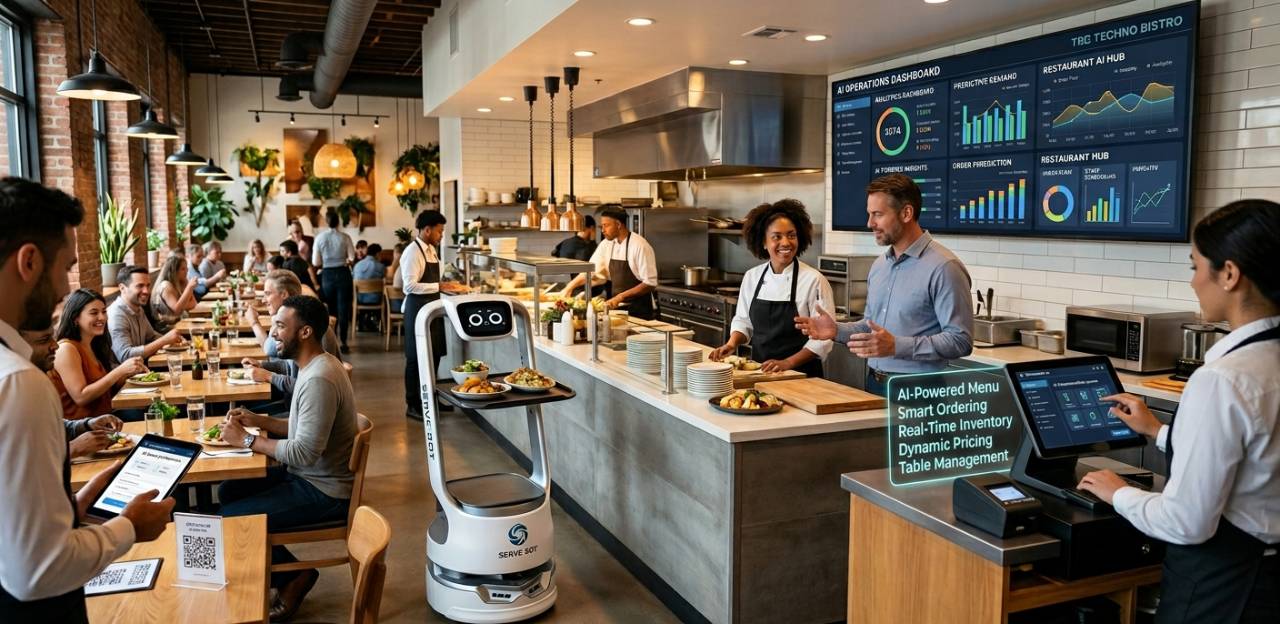
This AI playbook covers restaurant tools for voice ordering, staffing, compliance, menu pricing, inventory, marketing, ChatGPT prompts, and SEO.
May 15, 2026
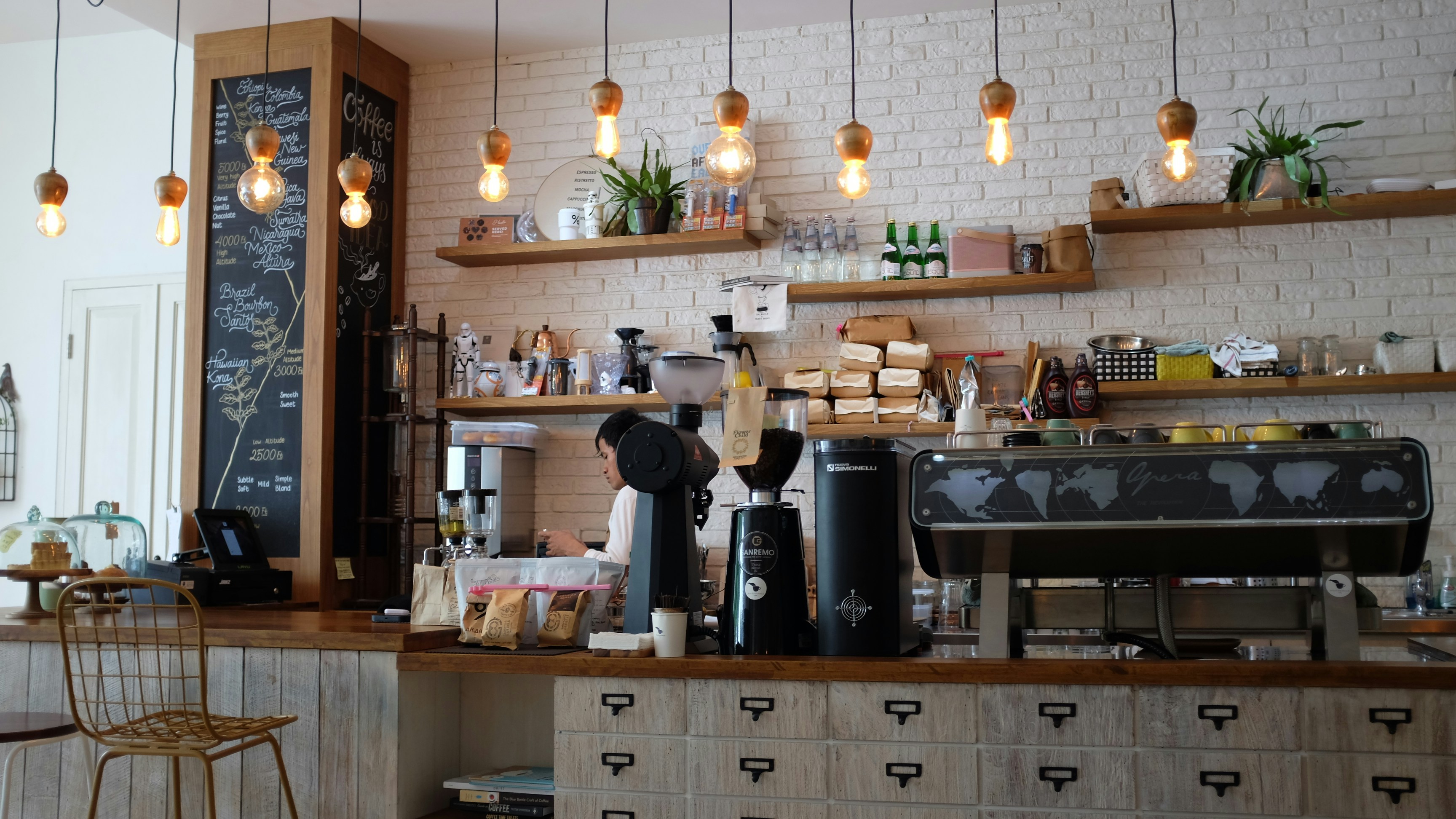
Hardee’s giant Boddie-Noell inks 31-unit Scooter’s Coffee deal for NC and VA, leveraging drive-thru growth and local roots with rollout over 12–18 months.
May 15, 2026
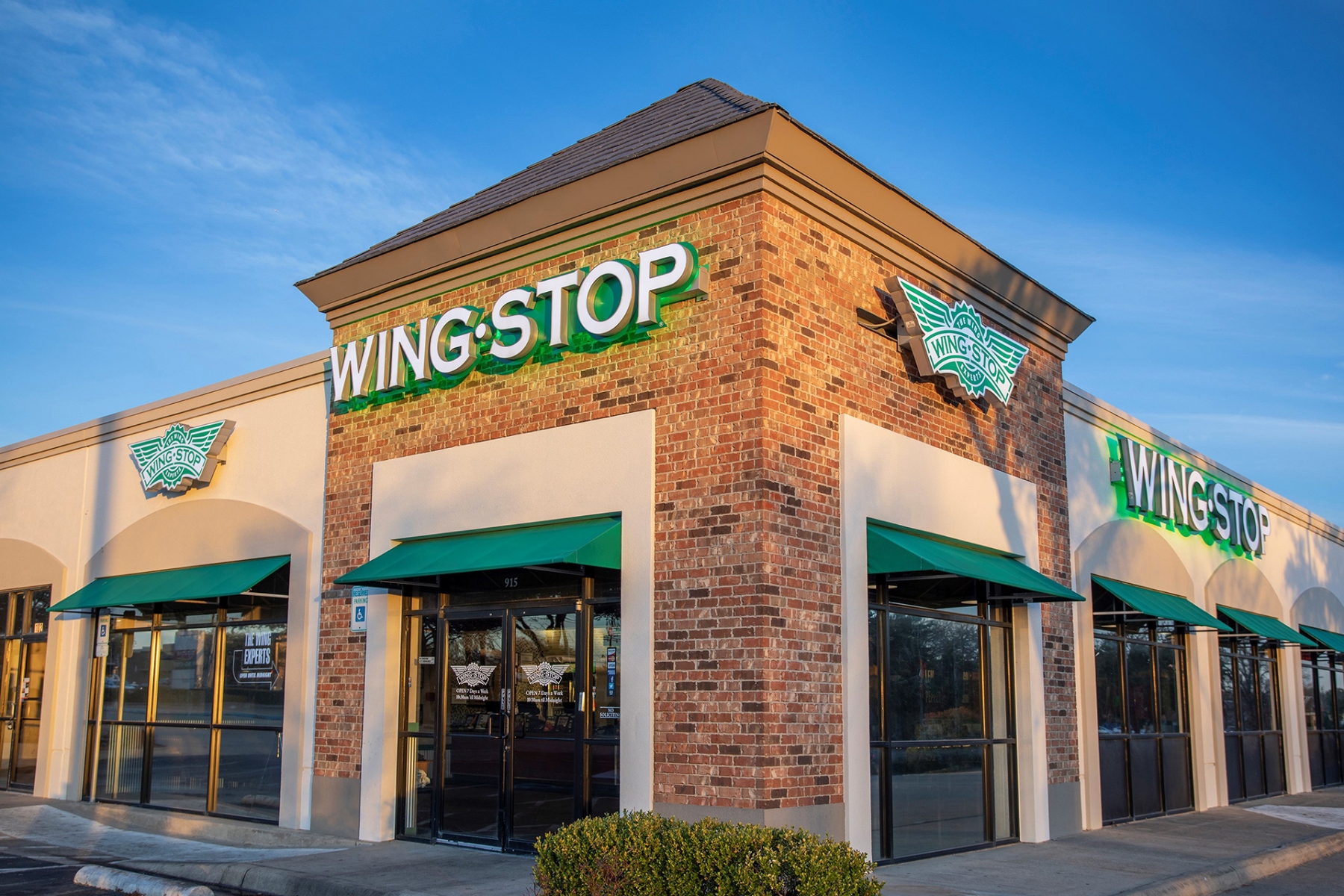
Wingstop turns match weeks into a multi-sensory festival, aligning bold pop-ups with World Cup energy to build brand affinity and measurable momentum.
May 15, 2026
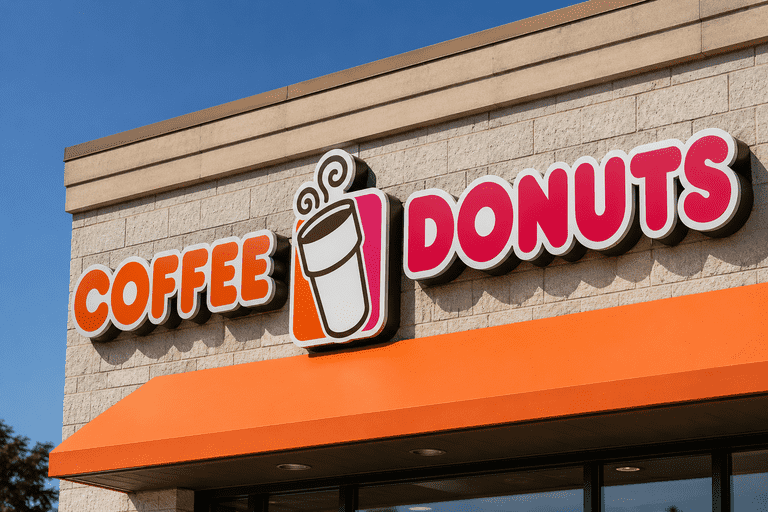
The parent company behind Dunkin', Buffalo Wild Wings, and Arby's has filed for an IPO a move that could reshape how Wall Street views the restaurant sector.
May 15, 2026
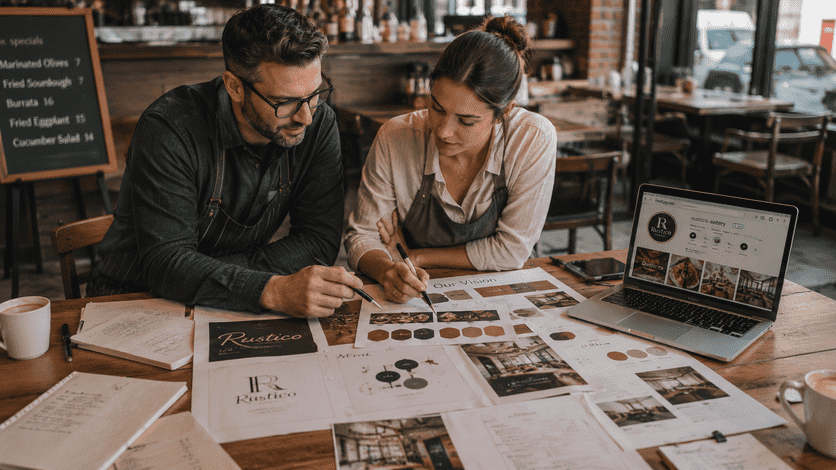
Learn how to develop a memorable restaurant brand identity that stands out in a crowded market, attracts loyal customers, and drives repeat business with actionable strategies and affordable tools.
May 15, 2026
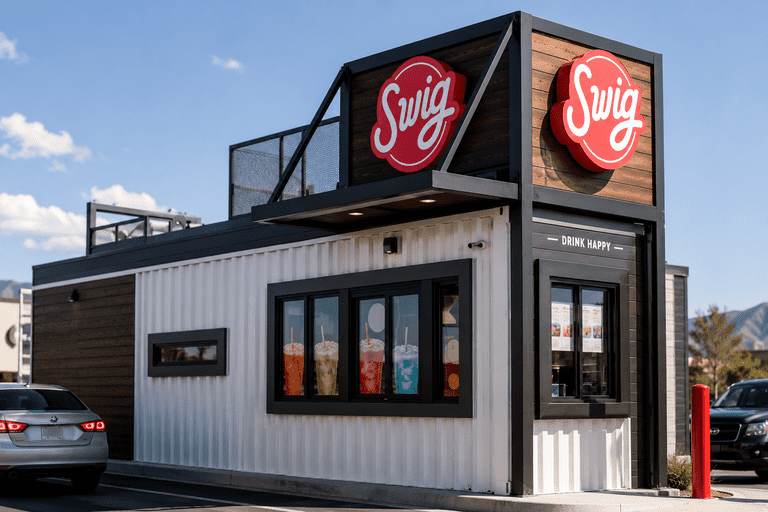
Dirty soda chain Swig is expanding into Colorado through a 10-unit franchise deal, riding a consumer beverage trend that's catching the attention of major QSR players nationwide.
May 15, 2026
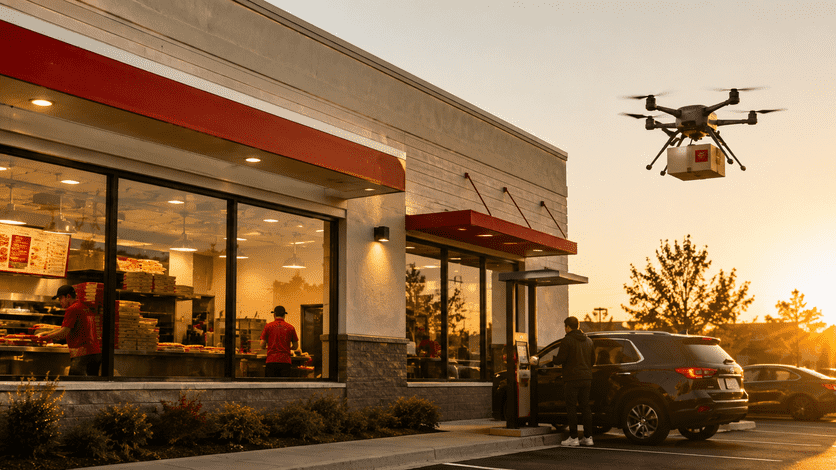
Papa Johns has teamed up with Alphabet's Wing for drone delivery of its new sandwich lineup in parts of Charlotte marking the first partnership of its kind between Wing and a national QSR brand.
May 15, 2026

A warm, expert-led look at McDonald’s Q1 results, menu makeover, and the refranchise question shaping its growth.
May 14, 2026
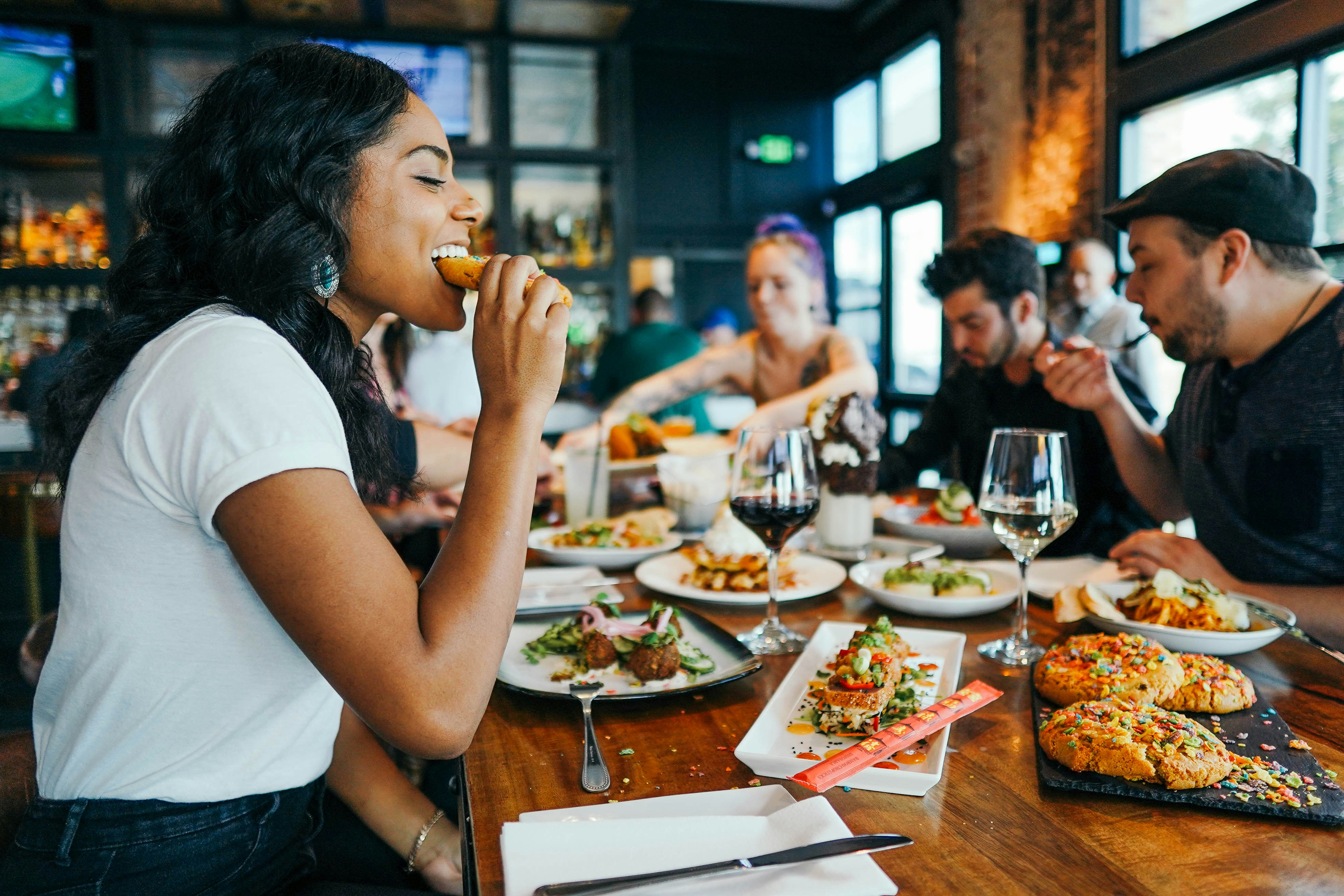
A reflective look at Habit Ranch, its immersive desert activation, and what it signals for brand loyalty and mindful, experiential dining.
May 14, 2026

Unlock Exclusive Access To Webinars, Events, And The Latest News For Free!
The repercussions of major layoffs at prominent firms in the face of economic adversities and industry disruptions.

The restaurant industry continues to grapple with challenges as sluggish traffic and high borrowing costs persist, leading to major layoffs in prominent brands. Starbucks, a key player in the industry, announced significant layoffs affecting 6.9% of its non-retail workforce. This move came as part of a broader restructuring initiative to streamline operations and reduce redundant roles. The tech sector has not been immune to layoffs either, with Grubhub letting go of 500 corporate workers to enhance its strategic focus and maximize growth potential.
Bloomin' Brands, the parent company of Outback Steakhouse, laid off around 100 corporate employees in response to the refranchising of its Brazilian stores. The restructuring aimed to align the company's workforce size with its operations' scope, emphasizing cost efficiency and quicker decision-making processes. Similarly, Dine, the parent company of IHOP and Applebee's, downsized its corporate workforce by 9% to adapt to market conditions while embarking on a strategic brand remodel initiative.
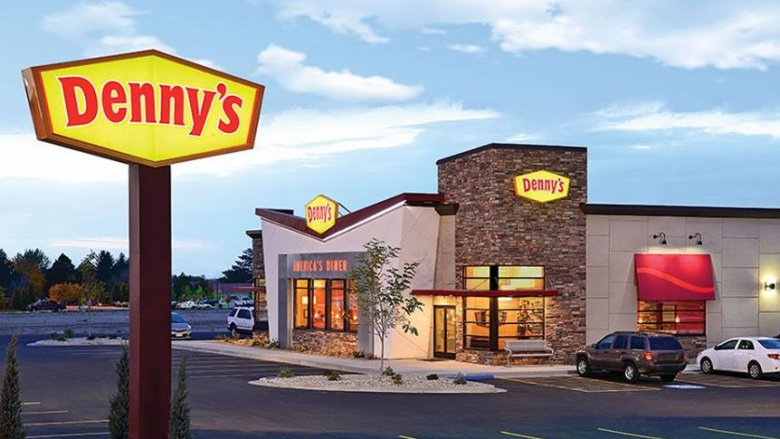
Denny's and Topgolf Callaway have also implemented efficiency measures through layoffs and organizational restructuring. Denny’s reduced its corporate support center headcount to achieve cost savings and expedited the closure of underperforming stores. On the other hand, Topgolf Callaway has been streamlining its home office structure to enhance support for its venues and improve overall agility, aligning with its upcoming spin-off plans from the parent company.

The recent wave of layoffs at prominent companies underscores the broader economic challenges faced by various industries. With evolving market dynamics and uncertainties such as impending tariff impacts, businesses are compelled to assess their operational efficiency and adapt to changing consumer behaviors. While layoffs are often seen as measures to optimize resources and realign strategies, the human cost and organizational impact cannot be overlooked, necessitating a balance between short-term financial gains and long-term sustainability.