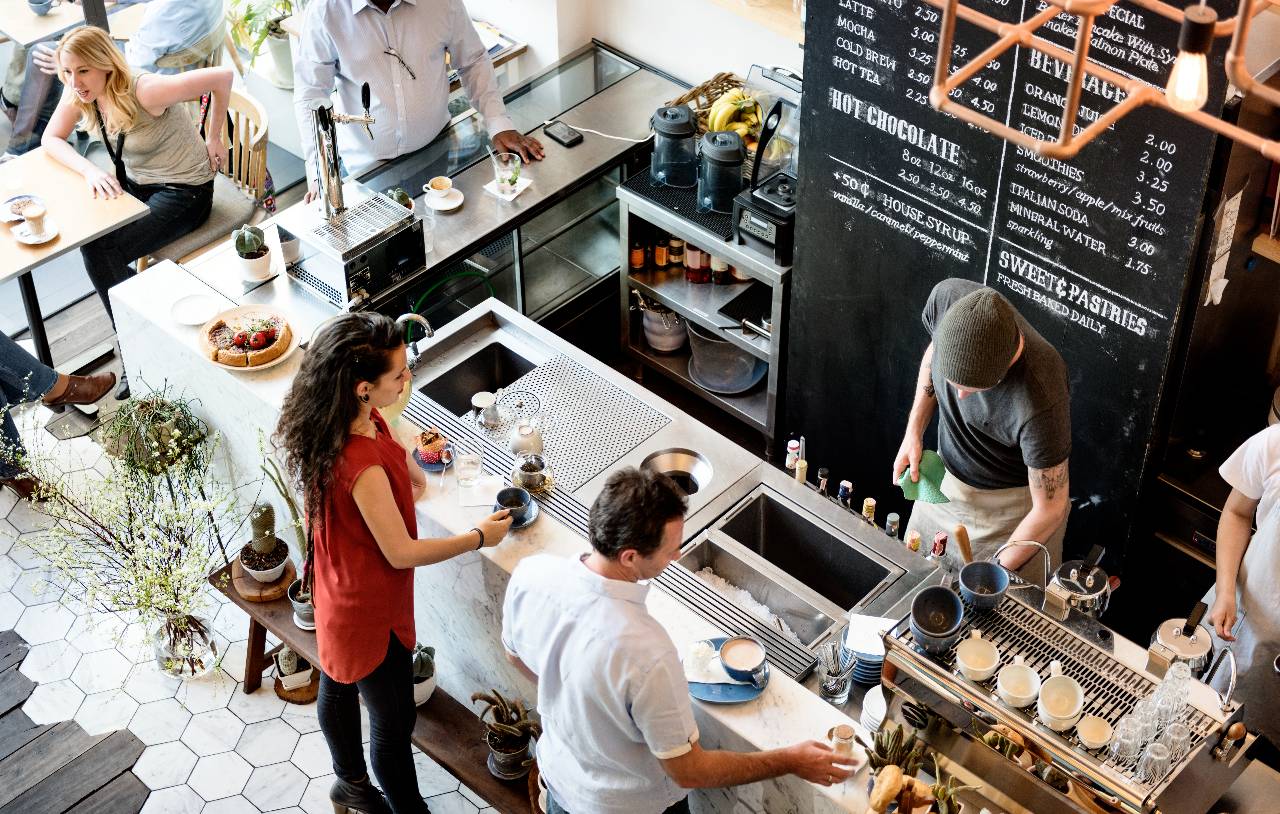
How Much Does It Cost to Open a Coffee Shop in 2026?
Opening a coffee shop in 2026 requires careful cost planning across rent, equipment, labor, technology, menu strategy, marketing, and sustainability.
operations
May 15, 2026
Opening a coffee shop in 2026 requires careful cost planning across rent, equipment, labor, technology, menu strategy, marketing, and sustainability.
May 15, 2026
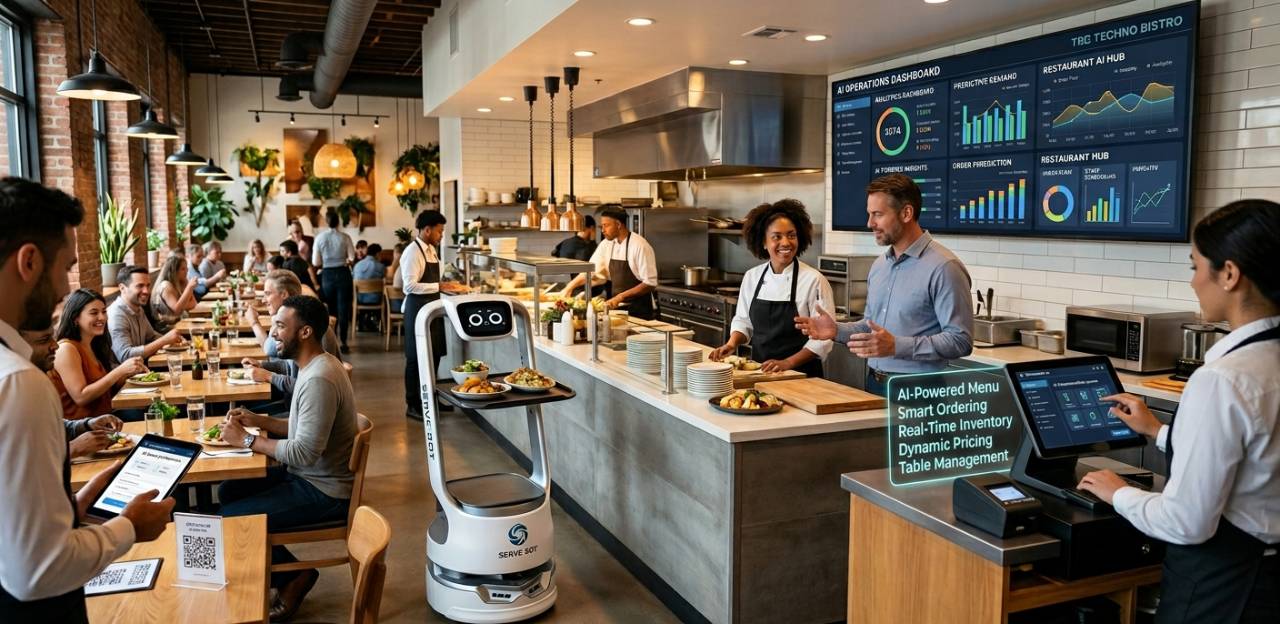
This AI playbook covers restaurant tools for voice ordering, staffing, compliance, menu pricing, inventory, marketing, ChatGPT prompts, and SEO.
May 15, 2026
Hardee’s giant Boddie-Noell inks 31-unit Scooter’s Coffee deal for NC and VA, leveraging drive-thru growth and local roots with rollout over 12–18 months.
May 15, 2026
Wingstop turns match weeks into a multi-sensory festival, aligning bold pop-ups with World Cup energy to build brand affinity and measurable momentum.
May 15, 2026
The parent company behind Dunkin', Buffalo Wild Wings, and Arby's has filed for an IPO a move that could reshape how Wall Street views the restaurant sector.
May 15, 2026

Learn how to develop a memorable restaurant brand identity that stands out in a crowded market, attracts loyal customers, and drives repeat business with actionable strategies and affordable tools.
May 15, 2026
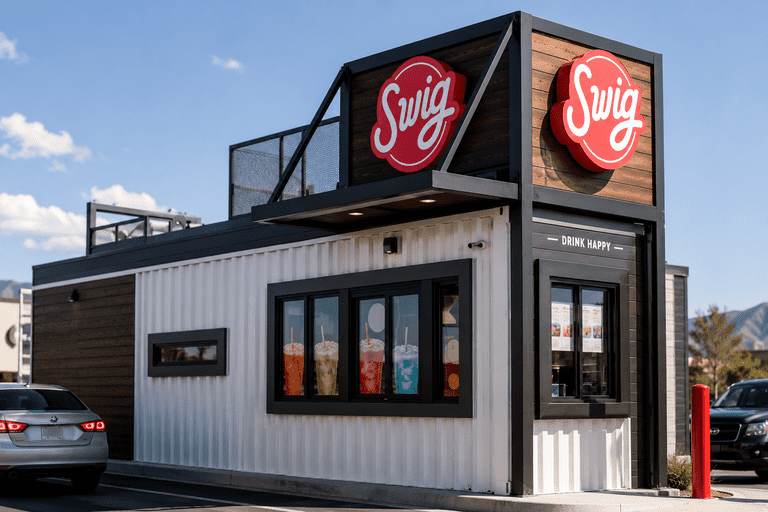
Dirty soda chain Swig is expanding into Colorado through a 10-unit franchise deal, riding a consumer beverage trend that's catching the attention of major QSR players nationwide.
May 15, 2026
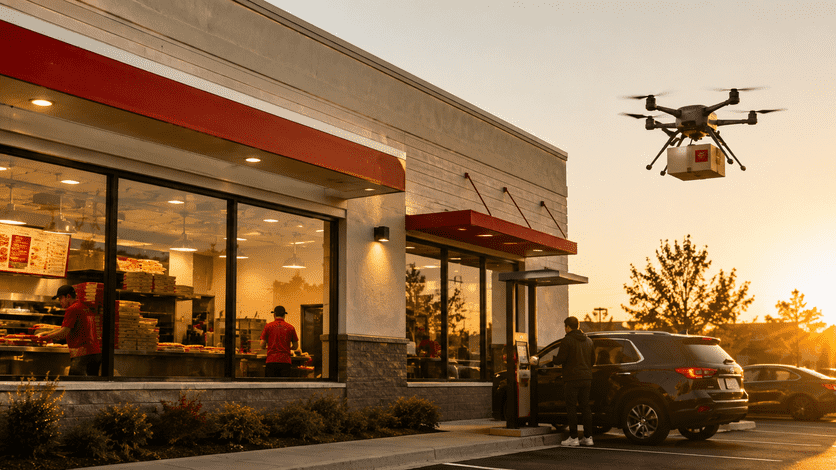
Papa Johns has teamed up with Alphabet's Wing for drone delivery of its new sandwich lineup in parts of Charlotte marking the first partnership of its kind between Wing and a national QSR brand.
May 15, 2026
A warm, expert-led look at McDonald’s Q1 results, menu makeover, and the refranchise question shaping its growth.
May 14, 2026
A reflective look at Habit Ranch, its immersive desert activation, and what it signals for brand loyalty and mindful, experiential dining.
May 14, 2026

Unlock Exclusive Access To Webinars, Events, And The Latest News For Free!
Explore the consequences of delaying the wage hike in Washington DC on the restaurant industry and labor market.

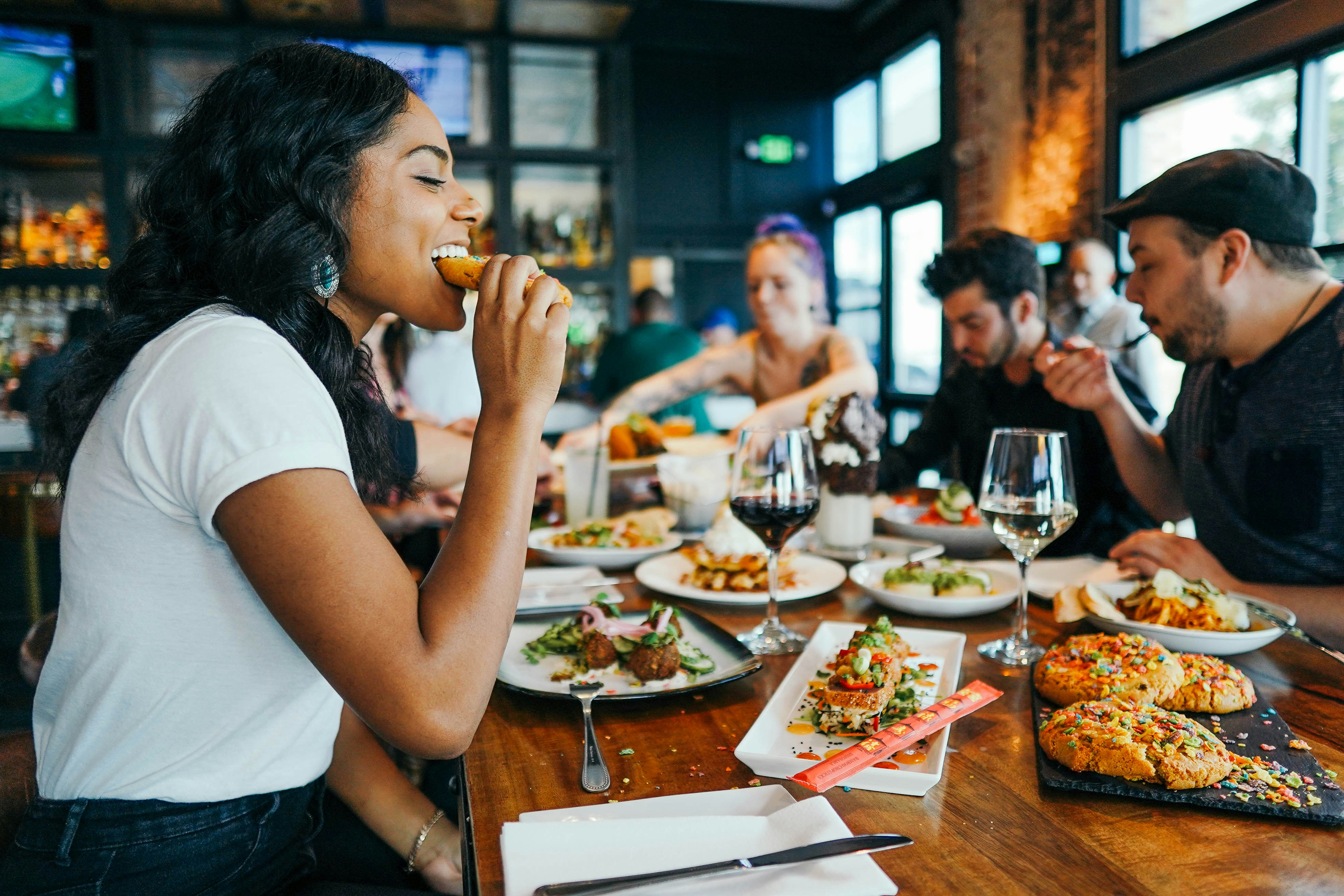
Photo by LaRon Rosser
The recent decision to delay the scheduled wage increase in Washington DC has sparked heated debates and drawn polarized opinions from different stakeholders. While proponents of the delay argue that it provides a crucial opportunity to reassess the situation and analyze pertinent data, critics, including advocacy groups like One Fair Wage, strongly condemn the move, labeling it as a betrayal of workers and a setback for economic and racial justice efforts.
Contrary to the predictions of job losses and adverse impacts on the restaurant sector due to the delayed wage hike, statistical evidence from reputable sources such as the Bureau of Labor Statistics (BLS) paints a different picture. Recent data suggests that the full-service restaurant employment in Washington DC has actually reached record highs, surpassing pre-pandemic levels and showcasing growth trends. The growth in employment, particularly in full-service establishments, indicates a positive trajectory for the sector despite the wage delay.
Research conducted by the Office of the Budget Director further supports the notion that the delayed wage increase has not led to a crisis in employment within the restaurant industry. The report indicates that full-service restaurant employment had rebounded to pre-pandemic levels well before the latest BLS report. Moreover, the increase in employment in food services and drinking places in the District outpacing neighboring areas like Maryland and Virginia signifies a resilient market.
Claims of substantial wage decreases for restaurant workers attributed to Initiative 82 have been disputed based on the methodology of the analysis. While opponents argue an overall dip in pay, a closer look reveals that year-over-year comparisons present a more accurate representation, showing increases in worker compensation during different quarters. This highlights the importance of considering seasonal variations and comprehensive data analysis in evaluating wage impacts.
The potential repeal of Initiative 82 by the D.C. council would mark a significant event in the city's legislative history, reflecting a recurring pattern of overturning voter-supported measures related to the minimum wage and tip credits. Previous instances, such as the repeal of Initiative 77 in 2018, underscore the ongoing challenges and controversies surrounding wage policies in the region, with implications for both the legislative process and labor market dynamics.

Photo by LaRon Rosser
Amidst the debates surrounding wage policies and their impacts on the restaurant industry, the appreciation of diverse stakeholder perspectives is crucial. Organizations like the Restaurant Association Metropolitan Washington (RAMW) have emphasized the importance of data-driven decision-making, urging for a comprehensive examination of the situation to ensure informed policy choices that benefit both workers and businesses.