AI Playbook for Restaurant Owners
This AI playbook covers restaurant tools for voice ordering, staffing, compliance, menu pricing, inventory, marketing, ChatGPT prompts, and SEO.
tech
May 15, 2026
This AI playbook covers restaurant tools for voice ordering, staffing, compliance, menu pricing, inventory, marketing, ChatGPT prompts, and SEO.
May 15, 2026

Opening a coffee shop in 2026 requires careful cost planning across rent, equipment, labor, technology, menu strategy, marketing, and sustainability.
May 15, 2026

Hardee’s giant Boddie-Noell inks 31-unit Scooter’s Coffee deal for NC and VA, leveraging drive-thru growth and local roots with rollout over 12–18 months.
May 15, 2026

Wingstop turns match weeks into a multi-sensory festival, aligning bold pop-ups with World Cup energy to build brand affinity and measurable momentum.
May 15, 2026

Learn how to develop a memorable restaurant brand identity that stands out in a crowded market, attracts loyal customers, and drives repeat business with actionable strategies and affordable tools.
May 15, 2026

The parent company behind Dunkin', Buffalo Wild Wings, and Arby's has filed for an IPO a move that could reshape how Wall Street views the restaurant sector.
May 15, 2026

Papa Johns has teamed up with Alphabet's Wing for drone delivery of its new sandwich lineup in parts of Charlotte marking the first partnership of its kind between Wing and a national QSR brand.
May 15, 2026

Dirty soda chain Swig is expanding into Colorado through a 10-unit franchise deal, riding a consumer beverage trend that's catching the attention of major QSR players nationwide.
May 15, 2026

A warm, expert-led look at McDonald’s Q1 results, menu makeover, and the refranchise question shaping its growth.
May 14, 2026

A reflective look at Habit Ranch, its immersive desert activation, and what it signals for brand loyalty and mindful, experiential dining.
May 14, 2026

Unlock Exclusive Access To Webinars, Events, And The Latest News For Free!
Discover how the decline in tips is affecting restaurant workers' income, retention rates, and sales growth. Explore the challenges faced and potential solutions.
Photo by billow926
Photo by billow926
The decrease in tips, which constituted a significant portion of restaurant workers' wages, has created a ripple effect across the industry. With consumer confidence impacting tipping habits, workers are experiencing a reduction in take-home pay, leading to financial uncertainty. This situation not only affects individual employees but also poses a threat to the overall stability of the labor force within restaurants.
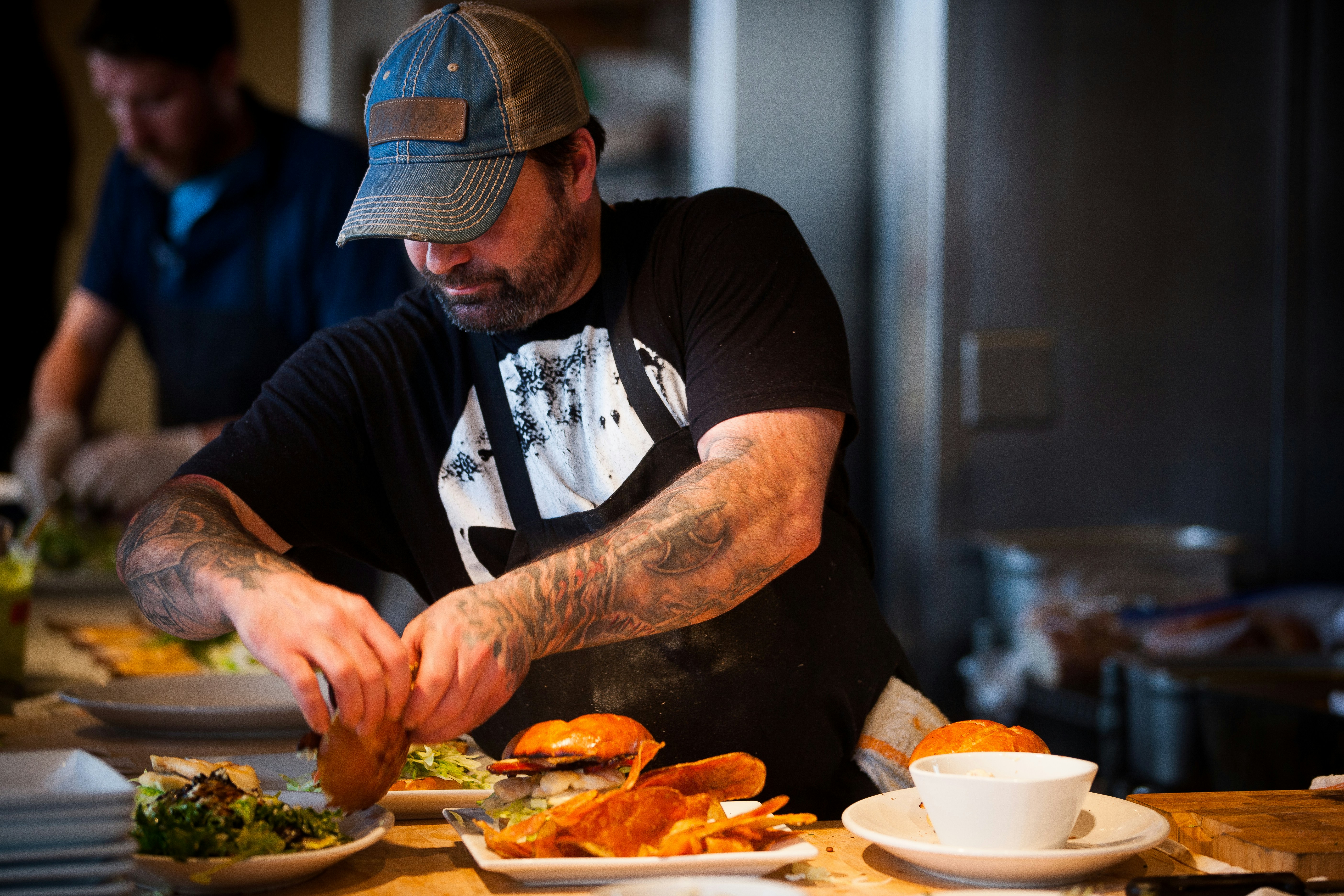
Photo by billow926
Retention has always been a challenge in the restaurant industry, and the decline in tips exacerbates this issue. The Legion’s 2025 State of the American Hourly Workforce report revealing that more than half of restaurant and hospitality workers are considering leaving their jobs within the next year due to various factors, including the inability to offer competitive pay. This high turnover rate can further strain restaurant operations and lead to increased recruitment costs for employers.
Interestingly, while tips are on the decline, sales in the restaurant sector have shown moderate growth. Quick-Service Restaurants (QSRs) experienced a notable increase in sales between 8.7% and 9.1%. Despite the positive trend, there was a slowdown in sales growth for fast-casual restaurants from 9.3% to 0.9%. This shift in sales indicates a complex scenario where customer spending patterns may not directly correlate with tipping behavior.
To navigate the challenges posed by decreasing tips and their impact on workers, restaurants need to consider innovative strategies. Employers could explore alternative compensation models, such as revenue-sharing programs or service charges, to provide more stable income for employees. Additionally, focusing on enhancing employee benefits, training programs, and career advancement opportunities can help improve retention rates and create a more sustainable workforce.