How Much Does It Cost to Open a Coffee Shop in 2026?
Opening a coffee shop in 2026 requires careful cost planning across rent, equipment, labor, technology, menu strategy, marketing, and sustainability.
operations
May 15, 2026
Opening a coffee shop in 2026 requires careful cost planning across rent, equipment, labor, technology, menu strategy, marketing, and sustainability.
May 15, 2026

This AI playbook covers restaurant tools for voice ordering, staffing, compliance, menu pricing, inventory, marketing, ChatGPT prompts, and SEO.
May 15, 2026

Hardee’s giant Boddie-Noell inks 31-unit Scooter’s Coffee deal for NC and VA, leveraging drive-thru growth and local roots with rollout over 12–18 months.
May 15, 2026

Wingstop turns match weeks into a multi-sensory festival, aligning bold pop-ups with World Cup energy to build brand affinity and measurable momentum.
May 15, 2026

The parent company behind Dunkin', Buffalo Wild Wings, and Arby's has filed for an IPO a move that could reshape how Wall Street views the restaurant sector.
May 15, 2026

Learn how to develop a memorable restaurant brand identity that stands out in a crowded market, attracts loyal customers, and drives repeat business with actionable strategies and affordable tools.
May 15, 2026

Dirty soda chain Swig is expanding into Colorado through a 10-unit franchise deal, riding a consumer beverage trend that's catching the attention of major QSR players nationwide.
May 15, 2026

Papa Johns has teamed up with Alphabet's Wing for drone delivery of its new sandwich lineup in parts of Charlotte marking the first partnership of its kind between Wing and a national QSR brand.
May 15, 2026

A warm, expert-led look at McDonald’s Q1 results, menu makeover, and the refranchise question shaping its growth.
May 14, 2026

A reflective look at Habit Ranch, its immersive desert activation, and what it signals for brand loyalty and mindful, experiential dining.
May 14, 2026

Unlock Exclusive Access To Webinars, Events, And The Latest News For Free!
A look at how FSTEC 2024 reveals a shift toward hybrid vendor and in-house tech, real-time orchestration, and autonomous delivery shaping the future of hospitality.
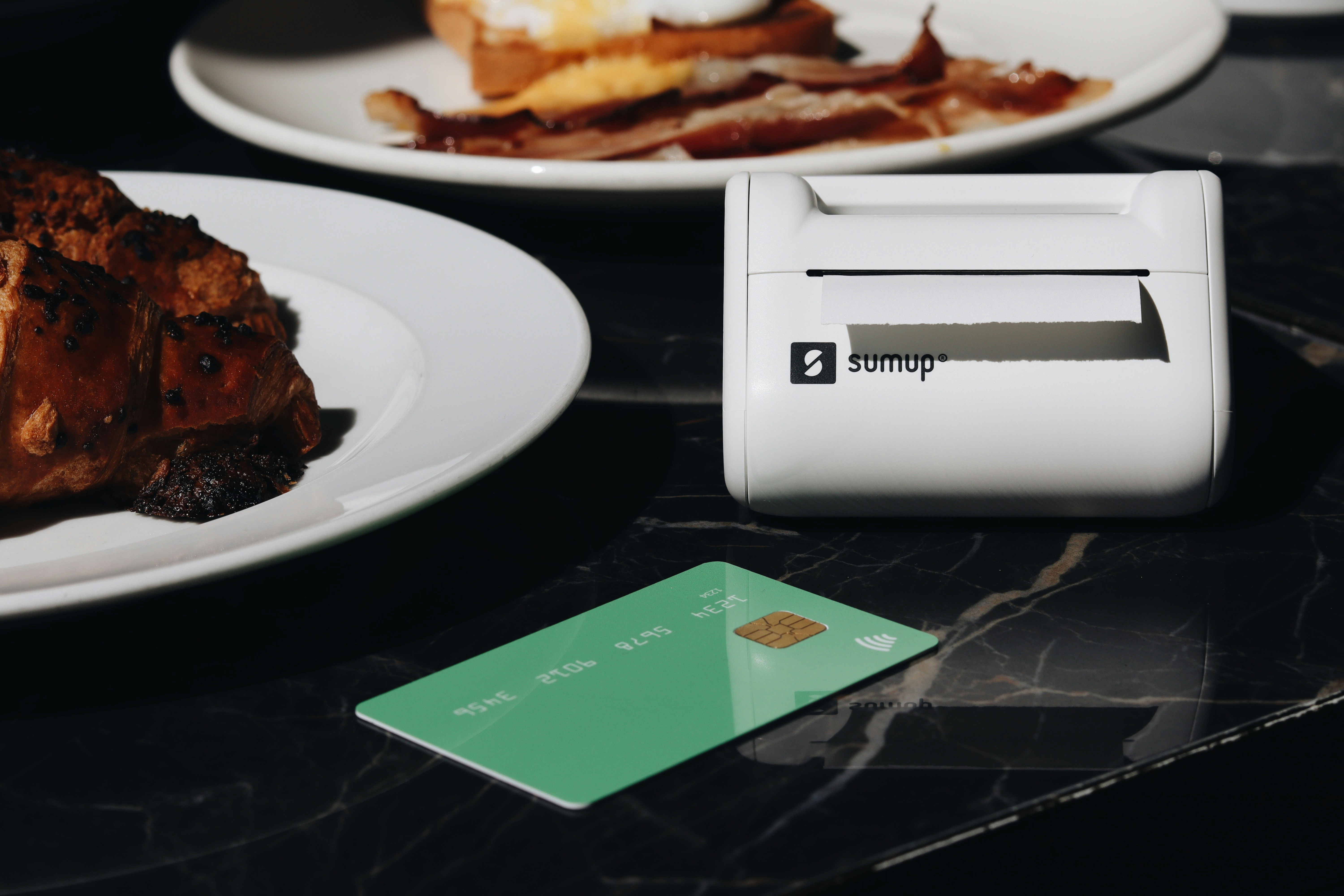
Photo by SumUp
Tech and hospitality are at a crossroads as FSTEC 2024 reveals the central tension: whether operators should lean on established software vendors or double down on proprietary, in-house solutions crafted to fit unique workflows. The debate isn’t abstract; it frames how multi-unit brands deliver hospitality at the speed of today’s digital expectations while safeguarding guest data and keeping systems resilient. In a landscape where speed of service and guest experience are inextricably linked, the pressure to choose a path that scales without eroding trust is real. The program echoes a broader shift toward hybrid approaches, where brands maintain meaningful vendor partnerships while adding tightly integrated, brand-specific capabilities.
What this moment asks operators to do is simple in theory but demanding in practice: design an architecture that can bend without breaking, and do so with care for the people and the data involved.
“The obvious next step in our evolution,” Fran Dougherty, CEO of Curbit.ai, told the crowd as the alliance with Microsoft Azure framed a path to faster, data-driven decisions. The dialogue around real-time orchestration, data protection, and interoperability wasn’t a hype cycle; it was a blueprint for how kitchens could coordinate order flow, throughput, and guest communications across locations. The goal, echoed across the floor, is to translate complex data streams into confident, guest-centered service.
Curbit specializes in capacity management software that coordinates order flow, kitchen throughput, and guest communications. The alliance with Microsoft Azure brings enterprise-grade speed of service analytics and real-time insights to a broader market. The promise is to empower operators with faster decisions at scale, while preserving data governance and interoperability across platforms, including a notable tie-in with Olo to synchronize channels. The ambition—to support 100,000 restaurant locations by 2027—speaks to a broader industry push toward AI-enhanced, scalable operations.
“The obvious next step in our evolution,” Fran Dougherty described the collaboration as the foundation for a new era of real-time analytics in hospitality. Across the floor, operators noted how Open integration and interoperability with other platforms would let brands preserve vendor relationships while fielding bespoke challenges—an approach enabling more precise guest expectations and resilient operations.

Voices from the Field capture a pragmatic confidence: the Curbit-Microsoft pairing is a meaningful step toward scalable, data-driven hospitality. Clinton Gray III, co-founder and chief brand officer of Slim & Husky's, notes that digital promotions and guest engagement can fuel growth and community impact when aligned with staffing realities. The conversation, now anchored by practitioners and founders, signals a blended tech stack that supports both efficiency and meaningful guest connection.
“a great strategy for community-based businesses looking to find new customers,” Gray added, underscoring the power of digital promotions to extend reach without sacrificing the warmth of community ties. The discourse from founders and operators alike points to a future where a blended tech stack can honor local identity while delivering consistent, fast service.

Autonomous delivery emerged as a landmark development with Vayu Robotics, a San Francisco startup unveiling a generative AI-powered delivery robot designed to operate on city streets. Backed by a $12.7 million seed round from Khosla Ventures, the company promises a leap beyond sidewalk limits. Built on an AI foundation model and relying on low-cost passive sensors, the robot aims to operate with minimal human oversight.
“The unique set of technologies we have developed at Vayu have allowed us to solve problems that have plagued delivery robots over the past decade, and finally create a solution that can actually be deployed at scale and enable the cheap transport of goods everywhere,” said Anand Gopalan, CEO of Vayu Robotics. If realized widely, this approach could reshape labor economics and the economics of delivering speed, while preserving quality.